West Virginia Migratory Bird Stamp Cost
It's a common headache for West Virginia hunters, isn't it? You get everything lined up for waterfowl season – your decoys are stacked, your calls are tuned, and you've spent hours scouting those river bottoms. Then, suddenly, a nagging thought creeps in: "Did I get that migratory bird stamp?" It's easy to overlook, but absolutely essential. This guide will walk you through everything you need to know about the West Virginia Migratory Bird Stamp, from its cost to why it's so important for our state's incredible waterfowl resources.
Understanding the West Virginia Migratory Bird Stamp
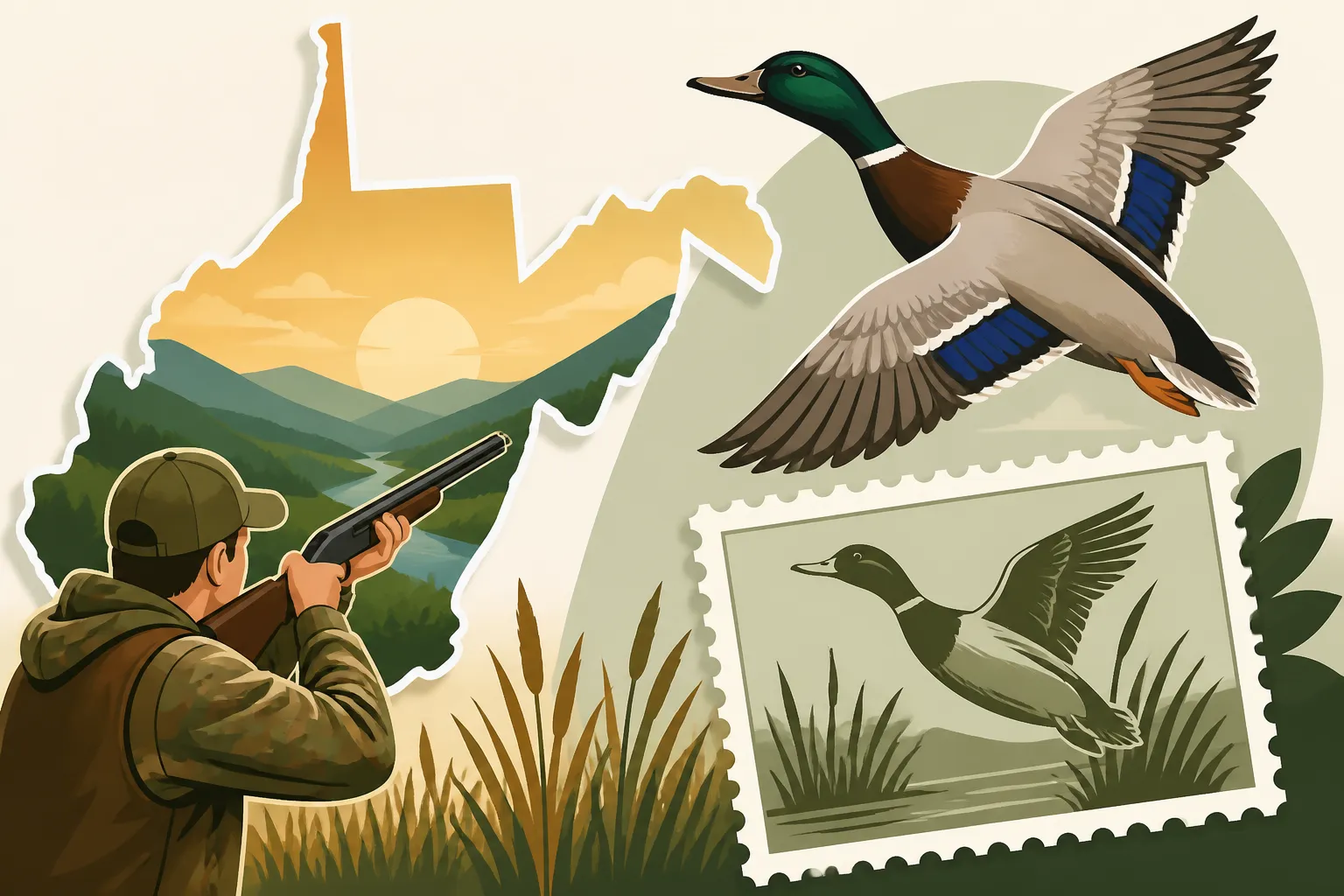
Hunting migratory birds in the Mountain State isn't just about showing up with your shotgun and a few duck calls. There's a specific requirement that many folks, especially those new to waterfowl or who only hunt deer and turkey, sometimes forget: the West Virginia Migratory Bird Stamp. This isn't the same as the federal duck stamp, though you'll need that one too. This is a state-specific stamp, and it's a critical piece of the puzzle for legal and ethical waterfowl hunting in West Virginia.
Think of it this way: just as you wouldn't head into the woods for deer season without your appropriate license and tags, you can't pursue ducks, geese, coots, or even snipe and woodcock without this particular stamp. It's often bundled with other licenses if you're buying online, but it's a distinct requirement that ensures you're contributing directly to the conservation efforts that make our waterfowl hunting possible. Ignoring it could lead to an unpleasant conversation with a conservation officer, and nobody wants that when they're trying to enjoy a crisp morning on the water.
What the State Migratory Bird Stamp Costs
Let's get right to the numbers, because that's often the first thing on a hunter's mind. The cost of the West Virginia Migratory Bird Stamp is quite reasonable, especially when you consider the vital role it plays in managing our feathered friends. For resident hunters who call West Virginia home, the state migratory bird stamp will set you back a mere $7.00. That's less than a box of shells, and it goes a long way.
For our friends and fellow hunters who travel to experience the fantastic waterfowl opportunities in West Virginia, the non-resident migratory bird stamp costs $14.00. While a bit higher, it's still a very fair price to gain access to our state's excellent hunting. These costs are set by the West Virginia Division of Natural Resources (WVDNR) and are subject to change, so it’s always a good idea to check the most current regulations before you head afield. You can often find the most up-to-date pricing directly on the WVDNR website or through their Go Wild West Virginia portal, which is where many hunters now purchase their licenses and stamps.
The Federal Duck Stamp: A Separate Requirement
It's absolutely vital to understand that the West Virginia Migratory Bird Stamp is separate from the Federal Migratory Bird Hunting and Conservation Stamp, more commonly known as the Federal Duck Stamp. Many new hunters get these two confused, or assume one covers the other. They do not. If you're hunting migratory waterfowl in West Virginia (or anywhere else in the U.S. for that matter), you need both. The federal stamp, which typically costs $25, is a nationwide requirement, and its funds are primarily used to conserve wetlands and waterfowl habitat across the country.
So, when you're preparing for your duck or goose hunt, make sure you've budgeted for both. You'll need your general West Virginia hunting license, possibly a West Virginia Class X Combo License if you're a resident, the state migratory bird stamp, and the federal duck stamp. Missing any one of these can put you in a bind, and it's always better to be over-prepared than under-prepared when it comes to legal compliance. A great resource for confirming all your necessary permits is the WVDNR's "Go Wild West Virginia" online platform.
Who Needs the West Virginia Migratory Bird Stamp
Now that we know the cost, let's talk about who exactly needs this stamp. It's not just for duck hunters, and that's a common misconception. If you're planning to pursue any migratory game bird in West Virginia, you need to have this stamp in your possession.
This includes species like woodcock, common snipe, rails, and gallinules, in addition to the more obvious ducks and geese. While the hunting methods for these birds might differ from a typical duck blind setup – maybe you're out Woodcock Hunting West Virginia Alder Runs or flushing snipe from a marshy field – the requirement for the state migratory bird stamp remains the same. It's all about ensuring that anyone who benefits from these shared migratory resources is contributing to their conservation and management.
Age and Hunter Education Exemptions
It's common for states to have some exemptions for younger hunters, and West Virginia is no different. Generally, hunters under the age of 16 are exempt from needing the state migratory bird stamp. This is fantastic news for introducing youth to the outdoors, making it a little less financially daunting for families. However, they will still need the appropriate hunting license for their age group, and if they're hunting alone, they'll need to have completed their West Virginia Hunter Education Requirements. Even with an exemption, it's always a good idea to carry some form of identification to prove age if challenged by a conservation officer.
For older hunters, there are typically no age-based exemptions from the migratory bird stamp requirement. If you're 16 years old or older and plan to hunt ducks, geese, or any other migratory game bird, you'll need that stamp. This includes senior hunters, disabled hunters, and those holding lifetime licenses. A lifetime license often covers the general hunting privilege, but supplemental stamps like the migratory bird stamp or even the bear stamp are usually still required annually. Always double-check your specific license package to avoid any surprises.
HIP Certification: Another Crucial Step
Beyond the actual stamp, there's another crucial step migratory bird hunters in West Virginia need to complete: the Harvest Information Program (HIP) certification. This isn't a stamp you buy, but rather a brief survey you complete annually when purchasing your license. It helps state and federal wildlife agencies gather critical data on hunting activity for various migratory game bird species.
The questions are usually simple, asking about your success and effort for different bird groups in the previous season. This information, combined with data from other hunters, helps biologists make informed decisions about bag limits, season lengths, and conservation strategies. You might think, "Why do they need to know if I shot any ducks last year?" Well, that collective data is incredibly powerful for understanding population trends and ensuring sustainable hunting opportunities for years to come. Failing to complete your West Virginia HIP Certification for Bird Hunters is just as much a violation as not having the stamp itself, so make it a habit to complete it every year.
| Requirement | Resident Cost | Non-Resident Cost | Age Exemptions | Notes |
|---|---|---|---|---|
| WV Migratory Bird Stamp | $7.00 | $14.00 | Under 16 | Required for all migratory game birds (ducks, geese, woodcock, snipe, etc.) |
| Federal Duck Stamp | ~$25.00 | ~$25.00 | Under 16 | Required nationwide for waterfowl, funds go to habitat. Must be signed. |
| WV Hunting License | Varies | Varies | Varies | General license required for all hunting activities. |
| HIP Certification | Free | Free | N/A | Annual survey, required for all migratory bird hunters. |
How to Purchase Your West Virginia Migratory Bird Stamp
Getting your West Virginia Migratory Bird Stamp is usually a pretty straightforward process these days, thanks to modern technology. Gone are the days when you had to drive out to a specific tackle shop or the WVDNR office. While those options are still available, most hunters find it easiest to purchase their licenses and stamps online.
It's a good habit to get all your licenses and stamps sorted well before opening day. There's nothing worse than waking up early, driving to your favorite spot, and realizing you forgot a crucial permit. A little planning goes a long way in ensuring a stress-free hunting season.
Online Through Go Wild West Virginia
The most common and convenient way to purchase your West Virginia Migratory Bird Stamp is through the official "Go Wild West Virginia" online licensing system. This platform is a one-stop shop for all your hunting and fishing license needs in the state. When you log in (or create an account if you're new), you'll typically be prompted to renew or purchase new licenses for the upcoming season. The migratory bird stamp will be an add-on option that you can select along with your general hunting license.
The great thing about the Go Wild system is its integration. You can usually complete your Buying a License on Go Wild West Virginia and your HIP certification all in one sitting. The system will guide you through the process, asking the necessary HIP questions before allowing you to finalize your purchase. After completing the transaction, you'll usually receive an email confirmation with a printable copy of your licenses and stamps. It's wise to either print these out and carry them, or save them digitally on your phone so you have proof in the field.
Authorized License Agents
For those who prefer a more traditional route, or who might not have reliable internet access, you can still purchase your West Virginia Migratory Bird Stamp from any authorized license agent throughout the state. These agents are typically sporting goods stores, bait shops, and some general stores. They'll have a terminal set up to process licenses directly through the WVDNR system.
When you go to an agent, make sure to specify that you need the state migratory bird stamp, in addition to any other licenses you require. They'll be able to print everything out for you on the spot, including your HIP certification. It's worth noting that some smaller agents might have limited hours, so it's best to call ahead, especially during peak hunting seasons, to ensure they're open and able to assist. Many of these local spots are great for grabbing some last-minute snacks or a new duck call anyway!
Direct From the WVDNR Office
While not always the most convenient for everyone, you also have the option to purchase your West Virginia Migratory Bird Stamp directly from a West Virginia Division of Natural Resources district office. If you happen to be near one, or have specific questions you want to ask a WVDNR representative in person, this can be a good option.
The staff at these offices are generally very knowledgeable and can help ensure you have all the correct licenses and stamps for your planned hunting activities. However, their hours can be more restrictive than online access or retail agents, so check before you make a special trip. Regardless of how you purchase it, once you have that stamp and your HIP certification, you're ready to hit the blinds and enjoy some fantastic West Virginia Waterfowl on the Atlantic Flyway.
The Importance of the Migratory Bird Stamp for Conservation
It’s easy to look at a small fee like $7 or $14 and just see it as another cost of hunting. But the West Virginia Migratory Bird Stamp is so much more than that. Every dollar collected from these stamps directly supports the conservation and management of migratory game birds within our state. This isn't just about ducks and geese; it's about the entire ecosystem they rely on.
Think about the incredible work that goes into managing wetlands, improving habitat, conducting population surveys, and enforcing regulations. These efforts require funding, and your migratory bird stamp is a direct contribution to that work. Without these funds, the quality of hunting opportunities in West Virginia would undoubtedly decline, and the health of our bird populations would suffer. It's a small investment that yields huge returns for both current and future generations of hunters and wildlife enthusiasts.
Habitat Restoration and Wetland Preservation
A significant portion of the revenue generated from the West Virginia Migratory Bird Stamp goes directly into habitat restoration and wetland preservation projects. West Virginia might be known as the Mountain State, but we have crucial river systems like the Ohio and Potomac, and countless smaller streams, ponds, and marshy areas that are vital for migratory birds. These habitats serve as breeding grounds, stopover points during migration, and wintering areas.
Projects funded by the stamp might involve restoring degraded wetlands, planting specific vegetation that provides food and cover for ducks and geese, or creating nesting islands. These efforts are often undertaken on various West Virginia Wildlife Management Areas and other public lands. Without dedicated funding, many of these critical areas would disappear or become unsuitable for migratory birds, leading to a decline in populations and a reduction in hunting opportunities. So, when you buy that stamp, you're directly helping to ensure there are healthy places for birds to thrive and for you to hunt them.
Research and Population Monitoring
Another critical use of migratory bird stamp funds is to support research and population monitoring programs. Wildlife biologists in West Virginia are constantly working to understand the health and trends of our migratory bird populations. This involves everything from aerial surveys of waterfowl wintering grounds to banding efforts to track individual birds' movements.
This scientific data is crucial for making informed management decisions. For example, understanding West Virginia Waterfowl Migration Timing helps set effective season dates and bag limits. If populations are declining, the WVDNR might adjust regulations to help numbers rebound. If populations are healthy and thriving, they might be able to offer more liberal hunting opportunities. Your stamp money helps pay for the equipment, personnel, and scientific expertise needed to conduct these vital studies. It's a direct way that hunters contribute to the scientific management of wildlife, ensuring sustainability for everyone.
Enforcement and Regulation
Finally, a portion of the funds from the West Virginia Migratory Bird Stamp also supports the enforcement of hunting regulations. Our conservation officers are out there, day in and day out, ensuring that hunters are following the rules, preventing poaching, and protecting our wildlife resources. This includes enforcing proper bag limits for West Virginia Duck Season Dates and West Virginia Goose Season Dates, ensuring hunters have the correct licenses, and promoting ethical hunting practices.
While no one likes to think about breaking the rules, having dedicated enforcement helps maintain a fair and legal hunting environment for all. It protects the resource from those who would exploit it and ensures that the majority of law-abiding hunters can continue to enjoy their passion. So, in a way, your migratory bird stamp helps keep the hunting grounds safe and healthy, not just for the birds, but for the hunters too. It truly is a comprehensive contribution to the entire system that supports migratory bird hunting in West Virginia.
Disclaimer
Please remember that hunting regulations, license costs, and season dates can change. Always consult the official West Virginia Division of Natural Resources (WVDNR) website or their current hunting regulations handbook for the most up-to-date and accurate information before planning your hunt. The information provided here is for general guidance only.