West Virginia Deer Damage Permits for Farmers
If you're a farmer in West Virginia, you know the frustration all too well: you work tirelessly, planting and nurturing your crops, only to wake up one morning and find a herd of deer has turned your hard work into an all-you-can-eat buffet. Deer damage isn't just an annoyance; it's a significant financial burden that can threaten your livelihood. This guide is here to walk you through the specifics of the West Virginia Deer Damage Permit, a vital tool for farmers grappling with persistent deer-related destruction.
The Real Impact of Deer Damage on West Virginia Farms
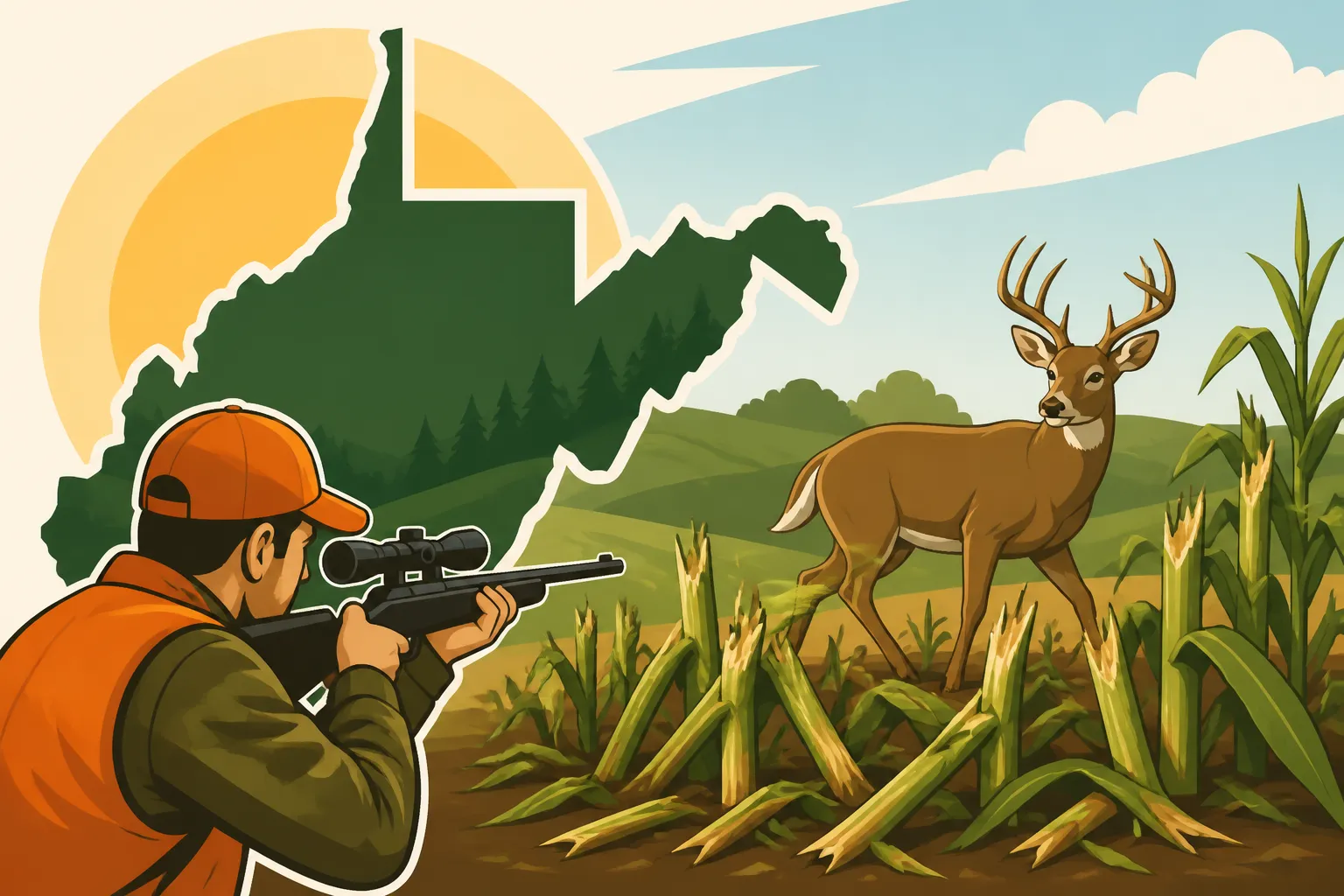
Let's be honest, seeing deer is part of living in West Virginia. We love our wildlife, but when those beautiful whitetails decide your cornfield is their personal pantry, it stops being charming and starts costing you real money. Farmers across the state face a constant battle against deer that decimate crops, browse on fruit trees, damage fences, and even spread diseases. This isn't a small problem; it's an economic strain that can make or break a season, especially for smaller family farms operating on tight margins.
When Deer Become More Than Just Wildlife
Deer populations in West Virginia are robust, which is great for hunters, but it often means increased pressure on agricultural lands. Imagine spending months cultivating a soybean field, only to have deer move through at night, munching on young plants and trampling rows. Or perhaps you’re trying to grow a young orchard, and deer are stripping bark and nipping off tender shoots, stunting growth and ruining future yields. This isn't just a loss of product; it's a loss of the time, fuel, seed, and fertilizer you've invested. It’s disheartening, to say the least.
Moreover, the problem isn't always just about what they eat. Deer can carry ticks that transmit Lyme disease, and in areas affected by Chronic Wasting Disease (CWD), their presence on your property raises concerns about the health of both wild and domestic animals. For a detailed look at deer populations across the state, check out our guide on White-Tailed Deer Across West Virginia. The high deer density in many agricultural regions, particularly in the Eastern Panhandle, means that farmers there might experience even more significant challenges. For instance, areas known for producing Why the Eastern Panhandle Grows Big Bucks also tend to have a higher concentration of deer impacting local farms.
The Financial Toll on Agricultural Operations
The monetary impact of deer damage can be staggering. A few deer nibbling at a garden is one thing; a sustained assault by multiple herds on commercial crops is entirely another. Consider the cost of replanting, the reduced harvest yields, and the potential for crop insurance premiums to rise if damage becomes chronic. These losses directly affect a farmer's income, making it harder to cover operational costs, invest in new equipment, or even plan for the next season. It's a relentless drain that many farmers feel goes unnoticed by those not directly in agriculture.
Beyond the direct crop loss, there's the cost of prevention. Fencing, if even feasible for large acreage, can be incredibly expensive to install and maintain. Repellents often require frequent reapplication and have limited long-term effectiveness, especially during wet weather. Farmers are often left feeling like they're fighting a losing battle, desperately seeking effective solutions to protect their livelihoods.
West Virginia Deer Damage Permits: A Solution for Farmers
Recognizing the severe challenges faced by the agricultural community, the West Virginia Division of Natural Resources (WVDNR) offers Deer Damage Permits. These aren't just a nice-to-have; they're a critical management tool designed to provide relief to landowners experiencing substantial economic losses due to deer overpopulation on their property. It allows for the controlled removal of nuisance deer outside of the regular hunting seasons and beyond typical bag limits, directly addressing a specific, documented problem.
What Exactly Is a Deer Damage Permit?
Simply put, a West Virginia Deer Damage Permit authorizes a landowner, or an individual designated by the landowner, to remove a specified number of deer that are causing damage to agricultural crops, property, or threatening public safety. These permits are issued by the WVDNR after a thorough assessment of the reported damage. The goal isn't to eradicate deer, but to alleviate concentrated damage in specific areas and reduce localized populations to a more manageable level for the farmer.
Unlike general hunting tags or even special West Virginia Landowner Deer Permit Rules, a damage permit is highly specific. It will outline the timeframe during which deer can be removed, the number of deer allowed, the methods of take, and often includes requirements for carcass disposal or donation. This specificity ensures that the removal effort is targeted and directly addresses the nuisance, rather than simply being an extension of recreational hunting. It's about problem-solving, not sport.
Key Provisions and Conditions of the Permit
When a Deer Damage Permit is issued, it comes with clear guidelines. The WVDNR biologist assessing your situation will determine the appropriate number of deer to be removed, which might range from a handful to a larger quantity depending on the scale of damage and the deer population on your land. The permit will specify the legal methods for taking deer, which can sometimes include options not allowed during standard seasons, such as shooting at night with lights or using specific firearm types, under strict WVDNR supervision and explicit permit conditions. It's crucial to understand that these permits are not a blank check; they are highly regulated.
A key condition is the proper handling of harvested deer. Wasting game meat is illegal, so permits typically require the deer to be utilized. This often means the meat must be consumed by the permit holder, donated to a food bank, or distributed among designated individuals. This ensures that the animals taken serve a purpose beyond just mitigating damage. Additionally, within CWD-affected counties, there might be specific requirements for West Virginia CWD Testing for Hunters or carcass disposal rules to prevent the spread of the disease, which is a serious concern in regions like West Virginia's Chronic Wasting Disease Counties. All harvests must be reported to the WVDNR, similar to the general West Virginia Deer Reporting Requirements, often within a short timeframe after the animal is taken.
How to Apply for a West Virginia Deer Damage Permit
Navigating the application process for a deer damage permit can seem daunting, but it's a straightforward process when you know the steps. The WVDNR is there to assist landowners, understanding that this is a critical resource for many agricultural operations. Don't hesitate to reach out to them as soon as you identify a significant deer damage problem.
Step-by-Step Application Process
- Identify and Document the Damage: Before you even pick up the phone, start documenting the problem. Take photos or videos of crop destruction, browse lines on trees, and any other evidence of deer damage. Keep a log of dates and estimated losses. The more evidence you have, the better your case will be. Note the specific fields, orchards, or areas where the damage is occurring. This initial assessment is crucial.
- Contact Your Local WVDNR Office: The first official step is to contact the Wildlife Resources Section of the WVDNR. You can find contact information for your district office on the WVDNR website. Clearly explain that you are a farmer experiencing significant deer damage and wish to inquire about a Deer Damage Permit. They will connect you with a district biologist or wildlife manager who handles these requests.
- WVDNR Assessment and Site Visit: A WVDNR biologist will schedule a visit to your property to personally assess the damage. This on-site evaluation is crucial for them to understand the scope of the problem and verify the impact on your agricultural operations. Be prepared to show them the damaged areas and discuss the financial losses incurred. This is where your initial documentation will be invaluable. They'll also consider factors like the surrounding habitat, local deer population density (West Virginia Deer Population Estimate), and existing hunting pressure.
- Permit Issuance and Conditions: If the biologist determines that a Deer Damage Permit is warranted, they will issue one with specific instructions. This permit will clearly state:
- The effective dates of the permit.
- The maximum number of deer that can be removed.
- The specific location(s) where removal is authorized.
- Legal methods of take (e.g., firearm type, time of day).
- Requirements for reporting harvested deer.
- Guidelines for carcass disposal or donation.
- Any other special conditions or restrictions.
Ensure you understand all the conditions before proceeding with any deer removal. A helpful resource like GoHunt can provide tools for mapping your property and understanding deer movement patterns, which might aid in discussing strategy with the biologist.
- Execution and Reporting: Once you have the permit, you or your designated individual can proceed with removing the specified deer according to the permit's conditions. It's critical to adhere strictly to all terms. Each deer harvested must be reported to the WVDNR as specified in the permit, usually within 24-48 hours. This might involve calling a specific number or using an online system. Failure to report can lead to penalties and jeopardize future permit applications.
Working with the WVDNR Biologist
Establishing a good working relationship with your local WVDNR biologist is key. They are a valuable resource, not just for permits but for general wildlife management advice tailored to your specific property. Be open about the extent of your damage and willing to discuss various management strategies. They are there to help balance the needs of wildlife with the needs of the agricultural community. Remember, these biologists often have access to data and expertise on West Virginia Deer Population Estimate and local deer dynamics that can be incredibly useful.
Managing Deer Damage Beyond Permits: Long-Term Strategies
While Deer Damage Permits offer immediate relief, they are often part of a larger, long-term strategy for managing deer on agricultural lands. Addressing chronic deer issues requires a multi-faceted approach that considers habitat, hunting pressure, and various deterrents. Integrating the permit system with other proactive measures can significantly reduce future damage and foster a healthier balance between wildlife and agriculture.
Habitat Modification and Exclusion
One of the most effective, albeit often costly, long-term strategies is physical exclusion. High deer fences, typically 8-10 feet tall, can completely prevent deer access to high-value crops, orchards, or nurseries. While the upfront investment can be substantial, especially for large areas, the long-term protection can justify the cost for certain types of operations. For smaller, high-value plots, electric fences can also be a more affordable, though less foolproof, option.
Habitat modification can also play a role. While you want deer off your crops, you might also consider creating alternative food sources or cover away from your fields to draw deer elsewhere. This could involve planting specific native browse or maintaining wooded areas that provide excellent cover. Understanding deer movement patterns, perhaps by utilizing mapping features on platforms like GoHunt, can help you strategically place these alternative attractions. Conversely, removing dense cover directly adjacent to your fields can make them less appealing as bedding areas.
Increasing Hunting Pressure During Season
A healthy deer population is best managed through consistent hunting pressure during the regular seasons. For farmers experiencing damage, encouraging more hunters to access their property can be a crucial tool. This means allowing ethical hunters to harvest both bucks and does, especially antlerless deer, to control population growth. Participating in programs like the Hunting the County-Specific Early Antlerless Season can be particularly effective in reducing deer numbers before they can cause extensive damage to fall crops.
Consider joining or forming a hunting club that specifically focuses on deer management on private land. These groups can coordinate efforts to maximize harvest numbers, especially for does, thereby alleviating pressure on your crops. It's about proactive management during the established seasons to reduce the need for damage permits outside of them. A good understanding of the West Virginia Deer Season Structure Explained will help you strategize with hunters.
Innovative Deterrents and Repellents
While not always 100% effective, a combination of deterrents and repellents can supplement other efforts. Commercial deer repellents, often made with putrescent egg solids or capsaicin, can deter deer from browsing on crops. However, they typically need frequent reapplication, especially after rain, making them more suitable for smaller, higher-value areas.
Visual and auditory deterrents can also be employed, though deer tend to habituate to them over time. Motion-activated lights, propane cannons, or even guard dogs can temporarily scare deer away. These methods are most effective when rotated or used in conjunction with other strategies. Again, GoHunt's mapping tools can help you identify key entry points or travel corridors where these deterrents might be most effectively placed.
It's a constant effort, but combining the immediate relief of a Deer Damage Permit with these long-term strategies can significantly mitigate the impact of deer on your West Virginia farm.
| Permit Type | Purpose | WVDNR Contact Required | Documentation Needed | Key Restriction/Requirement |
|---|---|---|---|---|
| Deer Damage Permit | Alleviate significant agricultural/property damage | Yes (District Biologist) | Photos, Damage Log | Specific # of deer, Methods of take, Reporting |
| General Hunting License | Recreational harvest during season | No | N/A | Season dates, Bag limits, Legal weapons |
| Landowner Deer Tag | Extra antlerless tag for qualified landowners | No | Proof of Landownership | Must follow season rules, Not for damage control |
Conclusion: Protecting Your Investment
Dealing with deer damage is an ongoing struggle for many West Virginia farmers, and it’s a fight that hits hard, right in the pocketbook. The West Virginia Deer Damage Permit is a crucial tool in your arsenal, offering a way to directly address specific, documented losses when other methods aren't enough or are out of season. It’s not just about removing deer; it’s about protecting your farm, your crops, and your family's livelihood. Don't hesitate to reach out to the WVDNR if deer are becoming a problem – they are there to help ensure that agriculture in our state remains viable amidst a thriving deer population. By understanding the options and taking proactive steps, you can find a better balance on your land.
Disclaimer
The information provided in this article is for general guidance only and is not a substitute for consulting official West Virginia Division of Natural Resources (WVDNR) regulations or seeking professional advice. Hunting seasons, bag limits, permit requirements, and other regulations are subject to change. Always refer to the most current WVDNR hunting regulations and contact the WVDNR directly for specific questions or clarification regarding Deer Damage Permits or any other hunting-related matters.