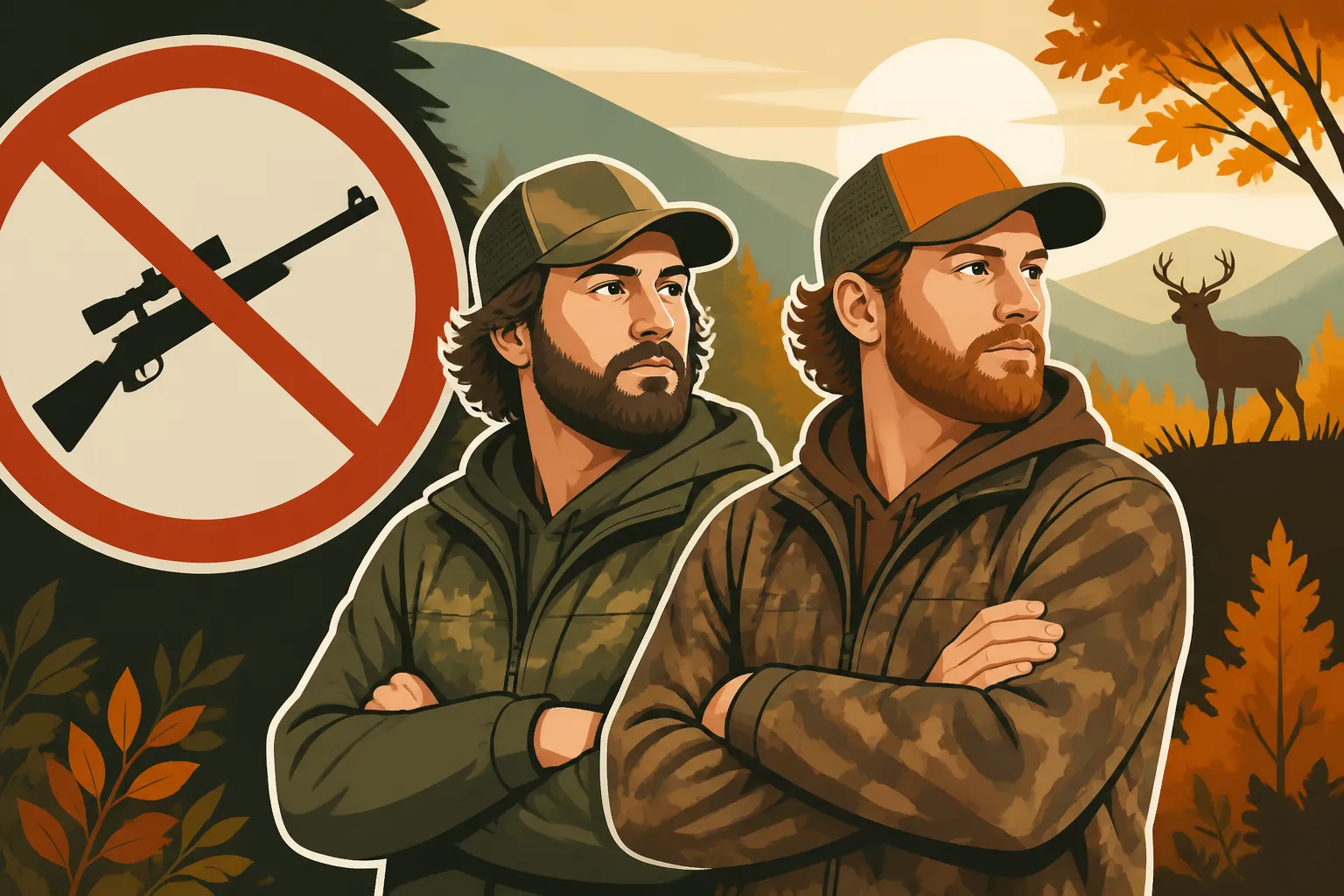
Why Logan and McDowell Skip Gun Season
Many hunters in West Virginia, especially those new to our beautiful, rugged state or visiting from out of town, often scratch their heads when they look at the deer season regulations map. They see a patchwork of rules, and nothing causes more head-scratching than discovering that two specific counties – Logan and McDowell – are entirely archery-only for deer, year after year, completely skipping the popular firearms season. This unique situation can be frustrating for gun hunters, but it's a critical piece of wildlife management history, and this guide is here to shed light on exactly why these southern counties operate under these distinctive rules.
Understanding West Virginia's Diverse Deer Season Structure
West Virginia's hunting regulations, while generally straightforward, do include several nuances that are important for hunters to understand. Our state prides itself on active wildlife management that responds to regional conditions, habitat availability, and deer population health. This means not every county operates under the exact same set of rules, and understanding this foundational principle is key to comprehending the archery-only zones.
The Statewide Framework for Deer Hunting
For the vast majority of West Virginia, deer hunting follows a familiar three-tiered structure: archery, muzzleloader, and then the popular buck firearms season. This structure is designed to offer a variety of hunting experiences while spreading out hunter pressure and allowing wildlife managers to meet specific harvest goals. The archery season kicks off first, typically in late September or early October, providing a long, often mild weather window for bowhunters. It's a true test of patience and woodcraft, often extending well into December. Following that, a shorter, more specialized muzzleloader season often bridges the gap, offering another primitive weapon opportunity.
Then comes the main event for many: the buck firearms season, usually a two-week period starting the Monday before Thanksgiving. This is when the woods come alive with gun hunters, often coinciding with the peak of the rut in many areas. After the general firearms season, archery season typically reopens or continues until the end of the year, offering a late-season opportunity, particularly for antlerless deer. This comprehensive approach, detailed further in our guide on West Virginia Deer Season Structure Explained, aims to provide ample opportunity across various skill sets and preferences, ensuring a healthy deer herd for generations to come.
Regional Differences and Local Management
While the statewide framework serves as the backbone, it's crucial to remember that West Virginia's landscape and historical conditions vary wildly from the rolling farmlands of the Eastern Panhandle to the steep, forested mountains of the Southern Coalfields. Wildlife managers, primarily the West Virginia Division of Natural Resources (WVDNR), take these regional disparities into account when setting specific regulations. This can manifest in several ways, such as varying antlerless deer quotas, special youth hunts, or specific regulations within Chronic Wasting Disease (CWD) containment areas.
For instance, some counties might have extended antlerless seasons or specific early antlerless opportunities, which you can learn more about in our detailed discussion on West Virginia County-Specific Antlerless Rules. These local adaptations are not arbitrary; they are the result of careful analysis of deer populations, habitat health, disease prevalence, and even human-wildlife conflict. The goal is always to balance hunting opportunities with the long-term sustainability of the resource. This responsiveness to local conditions is precisely why specific areas, like Logan and McDowell counties, have distinct rules that deviate from the statewide norm.
The Historical Context of Archery-Only Counties
The decision to designate Logan and McDowell counties as archery-only for deer wasn't made on a whim. It's a direct result of decades of wildlife management efforts aimed at restoring deer populations in areas that faced unique historical challenges. Understanding this historical context is crucial to appreciating why these rules remain in place today.
Wildlife Management Decisions and Deer Populations
To truly grasp the "why," we have to travel back in time. Decades ago, long before many of us picked up a bow or a rifle, the deer populations in areas like Logan and McDowell counties were in dire straits. These were regions heavily impacted by extensive logging, coal mining, and, unfortunately, periods of unregulated hunting that significantly depleted wildlife. The forests were cleared, habitats were destroyed or fragmented, and deer numbers plummeted to dangerously low levels. There simply weren't enough deer to sustain the same hunting pressure seen in other parts of the state.
In response, wildlife biologists recognized the need for drastic measures to allow these populations to rebound. The decision was made to implement highly restrictive hunting regulations, including limiting deer hunting exclusively to archery equipment. The rationale was clear: archery hunting, by its very nature, generally results in a lower harvest rate compared to firearms hunting. It demands greater stealth, precision, and closer engagement, making deer less vulnerable to widespread harvest. This approach allowed the fragile deer herds in these counties to slowly, but surely, recover, grow, and establish a sustainable population without the added pressure of gun seasons. It was a long-term investment in conservation, prioritizing herd health over immediate harvest numbers. Today, we're seeing the fruits of that labor, with deer populations now robust enough to offer consistent archery opportunities. For a broader look at the state's deer numbers, check out our insights into the West Virginia Deer Population Estimate.
Preserving Hunter Opportunity with Reduced Pressure
Beyond simply allowing deer numbers to recover, the archery-only designation in Logan and McDowell serves another vital purpose: it preserves a unique form of hunter opportunity while intentionally keeping overall pressure lower. By foregoing a firearms season, these counties offer an extended period of bowhunting that appeals specifically to those who relish the challenge of traditional archery. It fosters a distinct hunting culture, one built on stealth, patience, and close-range encounters.
Imagine heading into the woods, knowing that the deer haven't been pushed and scattered by the crack of high-powered rifles. The atmosphere is different – quieter, more intimate. This reduced pressure often means deer behavior is less altered, and skilled bowhunters have a genuine chance to pattern and stalk mature animals. It's an immersive experience that many archery enthusiasts specifically seek out. The local hunting community in these areas has largely embraced this tradition, recognizing that it provides a quality hunting experience that might otherwise be impossible if the land were subjected to the intensive pressure of a gun season. This unique aspect is a core part of what makes Hunting the Southern Archery-Only Counties such a distinctive experience. It’s not just about the rules; it’s about the philosophy of the hunt itself.
What This Means for Hunters in Logan and McDowell
For hunters accustomed to statewide regulations, understanding the specifics of Logan and McDowell's archery-only rules is paramount. It’s not just a minor tweak; it’s a fundamental shift in how deer hunting is conducted, and it requires both adherence to regulations and adaptation of hunting strategies.
Navigating the Archery-Only Regulations
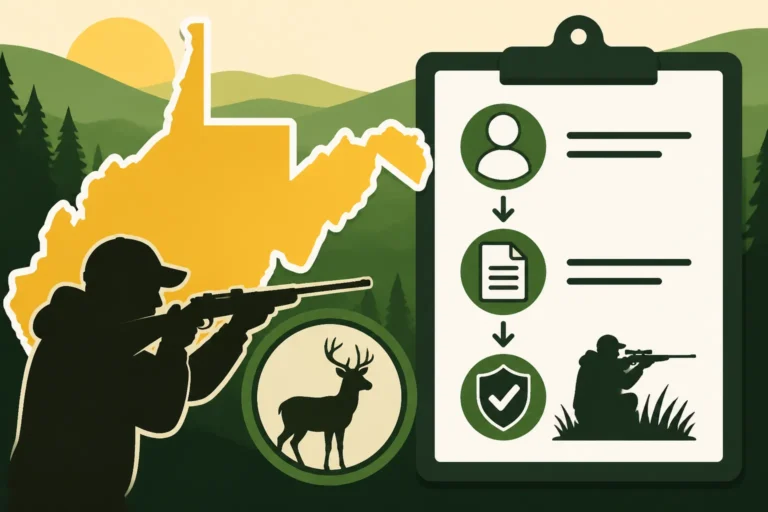
The most critical takeaway for anyone planning to hunt deer in Logan or McDowell counties is this: only archery equipment is permitted during the regular deer season. This means traditional bows, compound bows, and crossbows are legal, provided they meet the state's minimum draw weight and other specifications. However, firearms of any kind – rifles, shotguns, or muzzleloaders – are explicitly not allowed for deer hunting within these county boundaries during the deer season. This applies to all land, whether it’s public hunting areas, leased private land, or property where you have explicit permission.
It’s an absolute, non-negotiable rule. Attempting to hunt deer with a firearm in these counties during the deer season would be a serious violation of state law, leading to significant penalties. Hunters must carry valid licenses and stamps, including the necessary archery stamps. For those considering a crossbow, remember to familiarize yourself with Crossbow Rules During West Virginia Archery Season. Always double-check the current year's regulations booklet or the official WVDNR website, as specific dates or nuances can occasionally shift. Using reputable platforms like GoHunt can be incredibly helpful for staying updated on the precise boundaries and regulations for these archery-only zones, ensuring you’re always compliant.
Adapting Tactics for Archery-Only Success
Hunting with a bow or crossbow requires a different mindset and a more refined set of skills than hunting with a firearm. In Logan and McDowell, where the deer have likely never experienced the sound of gunshots during deer season, their behavior can be subtly different. They may be less wary of human scent or movement at longer distances, but still incredibly tuned into their immediate surroundings. This presents both challenges and unique opportunities.
Success in these counties often hinges on mastering close-range tactics. Think extreme stealth, meticulous scent control, and an intimate understanding of deer movement patterns. Scouting becomes even more vital to identify bedding areas, natural funnels, and food sources, allowing you to get within bow range – typically 20-40 yards. Treestand setups are common, but don't discount the effectiveness of well-placed ground blinds, especially if you can brush them in effectively. Our guide on Using a Ground Blind on West Virginia Public Land offers some great starting points. Patience is a virtue, as is the ability to sit still for extended periods.
While the absence of gun season might imply less pressure, it doesn't mean the deer are easy. These are still wild animals in rugged terrain. Hunters should focus on silent entry and exit routes, paying close attention to wind direction and thermals, especially in the steep hollers common in these southern counties. Detailed scouting, perhaps utilizing digital mapping tools like GoHunt's satellite imagery before the season, can reveal overlooked pockets of habitat and potential ambush points. Being proficient with your archery equipment and practicing regularly at varying distances and angles is non-negotiable. For a deeper dive into techniques for these zones, our resource on Bowhunting West Virginia's Long Archery Season provides extensive strategies.
Here's a quick comparison of the deer season types:
| County Type | Archery Season Length | Muzzleloader Season | Buck Firearms Season | Antlerless Firearms Season | Primary Management Goal | Example (besides Logan/McDowell) |
|---|---|---|---|---|---|---|
| Archery-Only | Long (Sept-Dec) | No | No | No | Herd Growth, Quality Archery | Logan, McDowell |
| Standard Statewide | Long (Sept-Dec) | Short (Dec) | Two Weeks (Nov) | Variable | Sustainable Harvest, Opportunity | Preston, Randolph |
| CWD Zone | Long (Sept-Dec) | Short (Dec) | Two Weeks (Nov) | Extended/Mandatory | Disease Control, Herd Health | Hampshire, Hardy, Mineral |
Looking Ahead: The Future of Archery-Only Designations
The enduring archery-only status of Logan and McDowell counties is a testament to West Virginia's commitment to thoughtful wildlife management. But like all regulations, they are subject to review and potential modification. It's natural for hunters to wonder if these rules will ever change.
Ongoing Wildlife Monitoring and Public Input
The WVDNR maintains a vigilant watch over deer populations across the entire state, including in Logan and McDowell. Biologists conduct various surveys, track harvest data, and analyze habitat conditions to assess the health and stability of the herds. Platforms like GoHunt often provide detailed insights into harvest data and trends, which can be invaluable for hunters tracking changes. These data points are the foundation upon which all management decisions are made. If, for instance, deer populations were to explode to unsustainable levels in these counties, causing significant agricultural damage or leading to increased vehicle collisions, the WVDNR would certainly evaluate options. Conversely, if populations were to decline drastically, further restrictions might be considered.
Public input also plays a crucial role. The WVDNR regularly holds public meetings and solicits comments from hunters and landowners on proposed regulation changes. While major overhauls, like introducing a firearms season into a long-standing archery-only county, are rare without compelling biological justification and widespread public support, minor adjustments are always possible. Historically, the archery-only status has been widely accepted, and there would need to be a significant shift in deer population dynamics or public sentiment to prompt a change to this long-standing tradition. Our discussions around West Virginia Deer Harvest Records often highlight the precision with which the DNR manages these resources.
The Enduring Appeal of the Archery-Only Challenge
For many dedicated bowhunters, the archery-only counties represent a unique and cherished challenge. It's a chance to hone their skills in an environment where the deer aren't constantly barraged by gun season pressure. It's a true test of woodsmanship, patience, and the ability to get within those critical close ranges. This enduring appeal ensures a dedicated contingent of hunters who actively support the continuation of these special regulations.
These counties offer a glimpse into a hunting experience that's perhaps a bit more primal, more connected to the land and the animal. They demonstrate that effective wildlife conservation sometimes means making tough decisions that prioritize long-term ecological health and specific hunting experiences over broader, more permissive seasons. For hunters planning their trips, platforms like GoHunt can be invaluable in understanding the terrain, scouting potential spots, and appreciating the unique challenge these areas present. By embracing the archery-only challenge, hunters in Logan and McDowell not only participate in a sustainable harvest but also become part of a unique West Virginia hunting tradition, one that has brought the deer populations in these rugged mountains back from the brink. It’s a rewarding experience for those who truly appreciate the art of bowhunting.
Disclaimer
The information provided in this guide is for general informational purposes only and is subject to change. Hunting regulations are complex and can be modified by the West Virginia Division of Natural Resources (WVDNR). Always consult the most current official West Virginia Hunting and Trapping Regulations booklet or the WVDNR website before planning your hunt to ensure compliance with all applicable laws and regulations.