Crossbow Rules During West Virginia Archery Season
For many hunters in West Virginia, especially those contemplating a return to the woods or looking for a different challenge, the rules surrounding crossbow use during archery season can feel a little murky. It’s natural to have questions, especially with regulations that have evolved over time, and no one wants to find themselves in a bind with the law. This comprehensive guide is designed to cut through that confusion, offering a clear, in-depth look at West Virginia’s current crossbow regulations, specific equipment requirements, and crucial practical considerations for ethical hunting in the Mountain State.
Understanding West Virginia's Crossbow Regulations
West Virginia boasts a proud hunting heritage, and like many states, its wildlife management agencies continuously adapt rules to integrate modern equipment while upholding the core principles of fair chase. Crossbows have certainly been a topic of discussion and rule changes, and understanding the specifics isn't just a suggestion—it's a necessity for any responsible hunter.
Who Can Legally Use a Crossbow in West Virginia?
Perhaps the best news for many hunters is the broad accessibility of crossbows in West Virginia. The short answer is that if you are legally permitted to hunt in the state, you can use a crossbow during the designated archery seasons. This wasn't always the case, as historical regulations often restricted crossbow use to hunters with documented physical disabilities or specific age criteria. However, those more restrictive eras have largely passed. The West Virginia Division of Natural Resources (WVDNR) has embraced a more inclusive stance, officially recognizing crossbows as a legitimate and ethical form of archery equipment.
This shift means that whether you're a long-time bowhunter seeking a new experience, a newcomer to the sport, or an individual facing physical limitations that prevent you from comfortably drawing a traditional compound or recurve bow, the crossbow is now a viable and legal option. Remember, this broad allowance still requires you to fulfill all other fundamental hunting prerequisites. These include obtaining the necessary West Virginia Hunting Licenses and What They Cost, completing your West Virginia Hunter Education Requirements if you were born on or after January 1, 1975, and adhering to all general state hunting laws. It's vital to remember that even with expanded crossbow privileges, you're still hunting under archery season rules, which carry their own unique set of considerations.
When Crossbows Are Permitted During Deer Archery Season
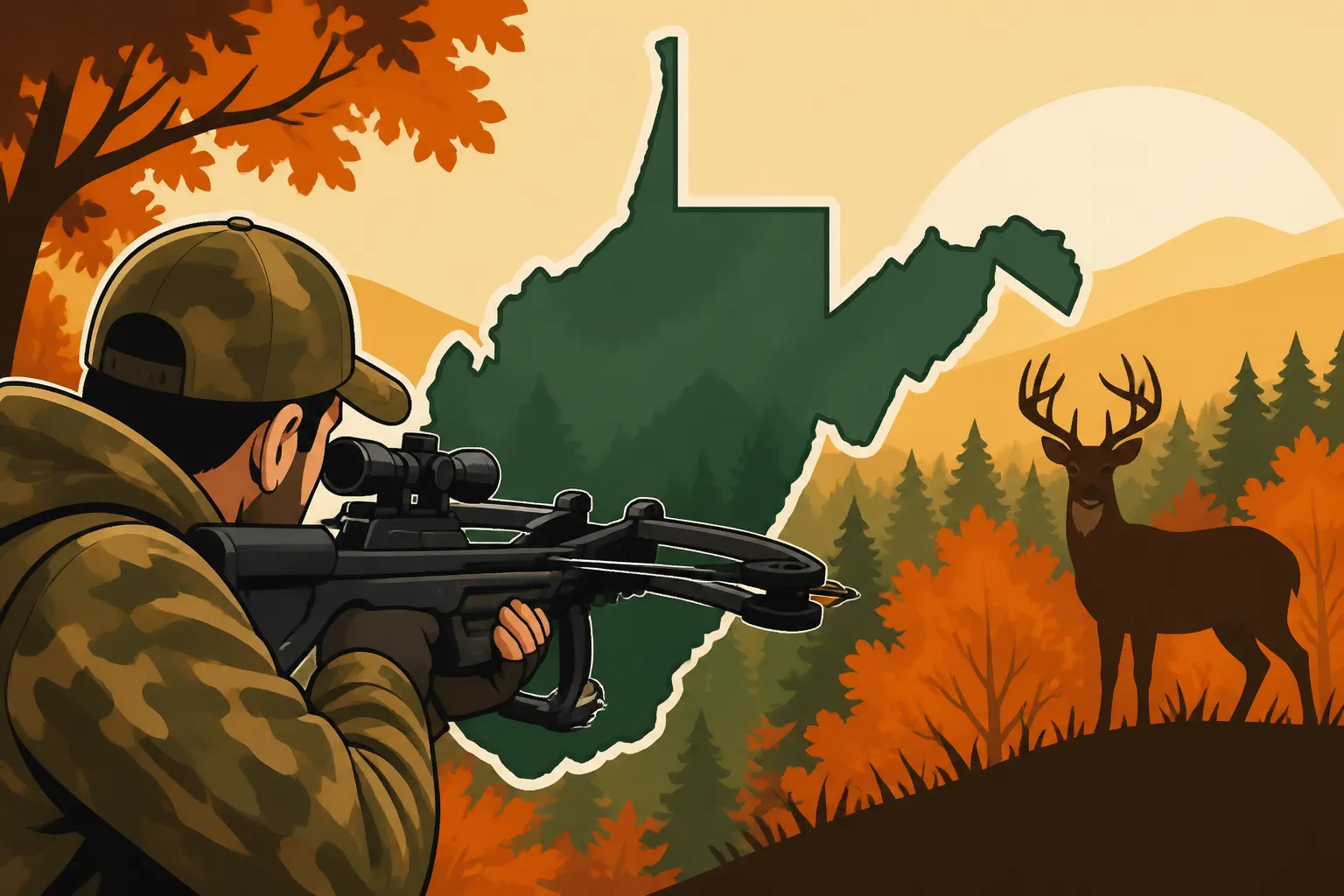
The "when" component of crossbow hunting in West Virginia is equally favorable. Crossbows are permitted for deer hunting throughout the entire statewide archery season. This means that from the crisp air of the West Virginia Archery Season Opening Day right through the colder, late-season hunts that extend into December, your crossbow is a legal tool for pursuing whitetails. This full-season allowance provides immense flexibility, particularly for hunters who might find the physical demands of traditional bowhunting challenging in frigid temperatures or simply appreciate the aiming stability and reduced movement a crossbow offers.
The ability to use a crossbow consistently throughout the full archery season significantly simplifies planning. There's no need to switch between different weapons based on specific dates or to wait for a limited "crossbow-only" window. This consistent allowance is particularly beneficial given West Virginia's expansive archery season, which often coincides with the peak of the rut and extends into the late season when deer patterns shift dramatically due to changing food sources and colder weather. While crossbows are permitted during this period, it's crucial to remember that they fall under the same general West Virginia Deer Season Structure Explained as traditional archery equipment. This means any county-specific antler point restrictions, antlerless deer days, or special tag requirements will still apply to crossbow hunters.
Specific Equipment Requirements for Crossbows
Just like traditional bows, crossbows used for hunting in West Virginia must meet certain minimum standards and specific regulations to ensure ethical and humane kills. It’s not a free-for-all; your crossbow needs to adhere to the WVDNR’s established criteria for legal hunting. Currently, West Virginia mandates that a crossbow must have a minimum draw weight of 100 pounds. This ensures that the crossbow generates sufficient power to propel the bolt with enough kinetic energy for a clean kill. In addition to draw weight, the crossbow must be capable of propelling a bolt (arrow) that is at least 20 inches in length. The bolt must be tipped with a broadhead that features at least two sharpened edges and has a minimum cutting width of 3/4 inch. Both fixed-blade and mechanical (expandable) broadheads that meet these criteria are generally legal.
When it comes to accessories, many modern enhancements are perfectly acceptable. For instance, Crossbow Scopes for West Virginia Timber Ranges with illuminated reticles are legal and widely used to improve accuracy in varying light conditions. However, certain electronic devices that project a beam onto the animal, such as laser sights that create a visible dot on the target, are typically prohibited for ethical hunting reasons. Always make it a point to consult the most recent WVDNR regulations, perhaps referencing a platform like GoHunt, to verify that your specific crossbow setup fully complies with all current requirements. A frequently asked question is, Do You Need a Separate Crossbow Stamp?. The answer in West Virginia is no; your standard hunting and archery stamps cover crossbow use.
| Requirement | Traditional Archery (Bow) | Crossbow |
|---|---|---|
| Minimum Draw Weight | 35 lbs (for deer) | 100 lbs |
| Arrow/Bolt Length | No minimum specified | 20 inches minimum |
| Broadhead Type | Fixed or mechanical, 2 sharpened edges, 3/4" minimum width | Fixed or mechanical, 2 sharpened edges, 3/4" minimum width |
| Sights | Pins, magnified sights (no laser projection) | Scopes, red dots, pins (no laser projection) |
| Season | Statewide Archery Season | Statewide Archery Season |
| Special Stamp | Included in Archery Stamp | Included in Archery Stamp |
The Evolution of Crossbow Rules in the Mountain State
The current, broadly accepting stance on crossbow use in West Virginia is not the result of a sudden decision. It's the culmination of years of discussion, varying perspectives, and a deeper understanding of the hunting community's changing demographics and ethical considerations. This progression mirrors a broader national trend, balancing the value of hunting tradition with modern accessibility.
Historical Context of Crossbow Acceptance
For a considerable period, crossbows faced significant skepticism from a segment of the traditional archery community. They were often perceived as being too close to firearms, potentially diminishing the perceived "challenge" inherent in traditional bowhunting. Consequently, their use in West Virginia was initially quite restricted. Typically, only hunters with certified physical disabilities could obtain special permits to use a crossbow, necessitating medical documentation. This stringent approach reflected a desire to preserve the archery season as a distinct hunting experience, separate from the more powerful and often longer-range capabilities of West Virginia Legal Firearms for Deer Hunting.
However, as crossbow technology advanced, making these devices lighter, more accurate, and increasingly user-friendly, the dialogue began to shift. A growing number of hunters, especially those aging or developing physical conditions like rotator cuff injuries that hindered their ability to draw a compound or recurve bow, found themselves unable to participate in the archery season they loved. Advocacy efforts from individual hunters and various groups began to push for wider acceptance, emphasizing that crossbows could enable a larger demographic to continue or begin ethical participation in archery season.
Debates and Decisions Leading to Current Regulations
The transition to universal crossbow hunting in West Virginia was not without its fervent discussions. Traditional archers voiced genuine concerns about potential increases in hunting pressure on deer populations, the possibility of longer-range shots leading to more wounded animals, and a perceived blurring of the lines between archery and firearm seasons. There were also worries about maintaining the integrity of the hunting experience and the fundamental concept of fair chase. The WVDNR was tasked with carefully balancing these concerns against the compelling arguments for retaining existing hunters, attracting new participants, and accommodating a changing hunter demographic, all while ensuring adequate funding for wildlife management, which largely comes from license sales.
Ultimately, following extensive public input through hearings and surveys, along with careful analysis and review, the WVDNR made the decision to allow universal crossbow use during the entire archery season. This pivotal decision was largely supported by data suggesting that while crossbows offer different mechanics, their effective range and ethical constraints generally align with those of traditional archery hunting. They do not suddenly extend a hunter's ethical range to match that of a rifle, and precise shot placement remains paramount. This change was a pragmatic move designed to keep more hunters engaged in the field, fostering greater participation in conservation efforts, and aligning West Virginia's regulations with those of many other states that had already adopted similar policies.
Practical Considerations for Crossbow Hunters in West Virginia
Choosing to hunt with a crossbow introduces unique considerations, including distinct advantages, potential disadvantages, and unwavering ethical responsibilities. Understanding these facets deeply is crucial for any hunter embarking on a crossbow journey in the West Virginia woods.
Advantages and Disadvantages of Crossbow Use
One of the most significant advantages of using a crossbow, especially when navigating West Virginia's challenging terrain and often prolonged hunting sessions, is the reduced physical exertion it demands. Unlike traditional bows where maintaining a Bow Draw Weight for West Virginia Whitetails requires sustained muscle effort, a crossbow can be cocked and then held at the ready with minimal physical strain. This capability is transformative for many hunters, enabling them to comfortably endure long hours in a treestand, particularly during the critical period of Hunting the West Virginia Rut in November or in the biting cold of the late season. The inherent stability offered by a crossbow also significantly contributes to greater accuracy, which is particularly beneficial for novice hunters or those with limited practice time, thereby promoting more ethical, clean kills.
However, crossbows do come with their own set of considerations. They are typically heavier and bulkier than traditional bows, which can make them cumbersome to maneuver in West Virginia's dense cover, such as rhododendron thickets, or when adjusting within the confines of a small treestand. The cocking mechanism, though efficient, can produce noise, an aspect that demands careful management in the quiet woods, especially if you need to recock after an initial shot or for a follow-up. While crossbows offer enhanced accuracy, their practical effective range for ethical hunting remains firmly within traditional archery distances, generally between 30-50 yards for most responsible shots. Overestimating this range is a frequent error that can lead to wounded game. Moreover, their wider profile can present difficulties when traversing dense laurel slicks or navigating through thick timber.
Ethical Hunting with a Crossbow
Regardless of whether you choose a recurve, a compound, or a crossbow, the ethical responsibilities of a hunter remain steadfast and unwavering. The paramount goal is to achieve a clean, swift, and humane harvest. With a crossbow, this means diligently understanding its limitations as much as appreciating its strengths. It's easy to develop a false sense of complacency due to the perceived accuracy of a crossbow, but precise shot placement is still critically important. Consistent practice is not just recommended; it's essential. Know your personal effective range and commit to staying within it. Resist the temptation to attempt a 60-yard shot with a crossbow simply because you can consistently hit a target at that distance on a pristine range. The unpredictable variables in a dynamic hunting scenario—such as animal movement, wind conditions, and the rush of adrenaline—are far too significant to ignore.
Another vital ethical consideration revolves around tracking and recovery. Even with what appears to be a perfectly executed shot, a deer may still run a considerable distance. The characteristics of a crossbow bolt, often shorter and heavier than a traditional arrow, can sometimes result in a different type of blood trail. Be prepared for a thorough tracking effort, even if it entails Blood Trailing After Dark in West Virginia. Utilize modern tools such as the WVDNR app or tracking features on platforms like GoHunt to accurately mark your shot location and monitor your progress during recovery. Always operate under the assumption that your shot was effective, and allow the animal sufficient time before initiating your recovery efforts. Remember, the effectiveness and ethics of any hunting tool are ultimately determined by the hunter who wields it.
Ensuring Compliance and Responsible Crossbow Hunting
Staying compliant with regulations and practicing responsible hunting habits are non-negotiable for anyone who steps into the West Virginia woods. Hunting regulations are dynamic, and being well-informed is your strongest defense against potential legal issues. Furthermore, foundational safety principles and proper education are absolute requirements, regardless of your chosen hunting method.
Staying Informed About Regulation Updates
The landscape of hunting regulations is rarely static. What might be perfectly legal and acceptable one season could see a subtle yet significant change in the next. This reality is particularly true for hunting equipment like crossbows, where advancements in technology and shifts in public and governmental perspectives continue to evolve. As a responsible hunter, it is your personal duty to annually review the most current West Virginia hunting regulations booklet. This official document is readily available online via the WVDNR website and at various local license vendors throughout the state. Never rely solely on hearsay from fellow hunters or outdated information from previous seasons. While useful resources like GoHunt may compile regulatory summaries, the official WVDNR guide remains the definitive and authoritative source of truth.
Developing a habit of regularly checking the WVDNR's official website for news releases and any announced regulation updates is a highly recommended practice. Although rare for core equipment rules, sometimes minor adjustments can even be made within a season if critical issues arise. By proactively staying informed, you ensure that you are consistently in compliance, thereby safeguarding both your hunting privileges and the overarching integrity of West Virginia's hunting seasons. Remember, ignorance of the law is generally not considered a valid excuse, particularly when it pertains to the vital work of wildlife management and conservation.
Mandatory Hunter Education and Safety
Whether your preference is a rifle, a traditional bow, or a crossbow, fulfilling the West Virginia Hunter Education Requirements is a fundamental pillar of responsible hunting. If you were born on or after January 1, 1975, you are legally obligated to successfully complete an approved hunter education course before you can purchase a hunting license in West Virginia. This essential course encompasses not only fundamental firearm and archery safety but also crucial subjects such as game identification, core conservation principles, and the promotion of ethical hunting practices. For those new to crossbow hunting, it is particularly important to pay close attention to the sections dedicated to archery safety, as many of these principles, such as maintaining a safe firing zone and understanding shot angles, directly apply to the safe and effective use of crossbows.
Beyond the mandatory educational requirements, the diligent practice of safe crossbow handling is absolutely paramount. Always treat your crossbow as if it is loaded and ready to fire. It is critically important to keep your fingers and thumb well clear of the string's path when firing – a common and dangerous error is to "thumb over the barrel," which can result in severe injury. When practicing, always use an appropriate and robust backstop, and ensure you have an absolutely clear understanding of your target and what lies beyond it before taking any shot. When hunting from an elevated position such as a treestand, always utilize a haul rope to safely raise and lower your crossbow, whether it is cocked or uncocked. Never attempt to climb or descend with the crossbow in your hands. Furthermore, the use of a safety harness is not optional but essential when performing tasks like Hanging a Stand on a Steep Allegheny Ridge or occupying any elevated hunting position. Adhering to these strict safety protocols ensures a secure, ethical, and enjoyable hunting experience for everyone in the West Virginia wilderness.
Disclaimer
The information provided in this guide is for general informational purposes only and is not intended as legal advice. Hunting regulations in West Virginia can change. Always consult the official West Virginia Division of Natural Resources (WVDNR) hunting regulations annually for the most current and accurate information before participating in any hunting activity.