Do You Need a Separate Crossbow Stamp?
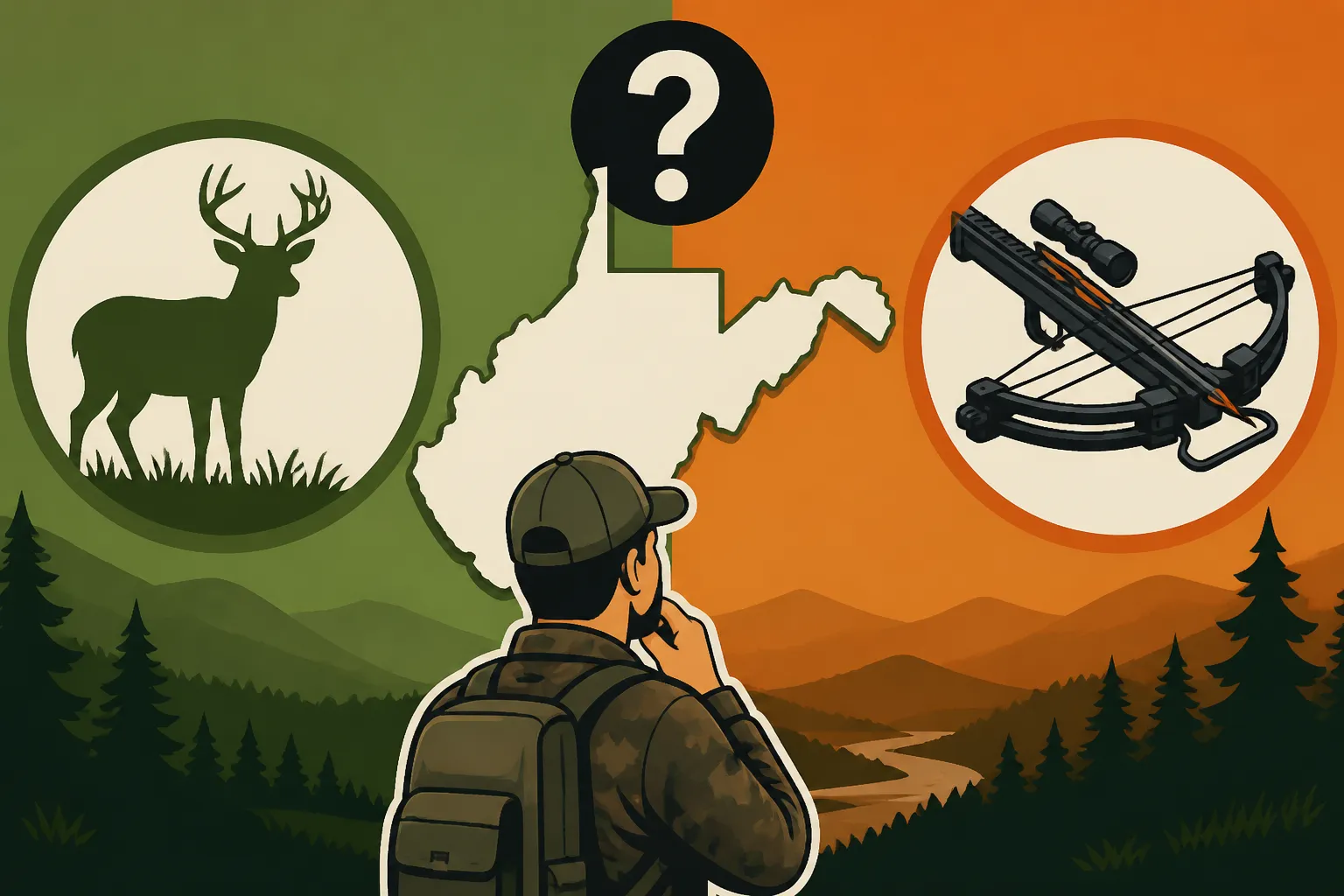
Navigating the ins and outs of West Virginia's hunting regulations can sometimes feel like trying to track a ghost buck through a thick laurel patch – confusing and prone to misdirection. One question that often trips up even seasoned hunters, especially with the increasing popularity of different weapon types, is whether a separate crossbow stamp is required. This guide is here to clear up that very confusion, ensuring you're squared away for your next Mountain State adventure.
Understanding West Virginia's Crossbow Regulations
It’s easy to get tangled up in the various rules and stipulations that govern hunting in West Virginia. For years, the line between traditional archery equipment and crossbows was often blurred in the minds of hunters, with some states treating them as entirely different categories. This has led to a common misconception that West Virginia might require a specialized permit or stamp just for crossbow hunting. Thankfully, the reality in our beautiful state is a bit more straightforward, designed to simplify things for the ethical hunter.
West Virginia has largely embraced crossbows as a legitimate and effective tool for deer hunting, especially during the long archery season. This progressive stance recognizes the benefits crossbows offer, such as extending hunting opportunities to individuals with physical limitations, new hunters learning the ropes, or those who simply prefer the platform. When considering the legal use of a crossbow in West Virginia, you're primarily looking at the established archery season rules and general hunting license requirements, rather than a distinct set of crossbow-specific hurdles.
The inclusion of crossbows within the broader archery framework means that hunters using them are subject to the same season dates, bag limits, and general regulations as those hunting with vertical bows. This unified approach makes it easier for hunters to understand when and where they can hunt, without needing to cross-reference multiple, weapon-specific calendars. For a deeper dive into the specific timing, check out West Virginia Archery and Crossbow Season Dates. It's about getting everyone out in the woods, not creating unnecessary barriers.
The West Virginia Archery/Crossbow Stamp Explained
Let's cut right to the chase: In West Virginia, you do not need a separate, distinct "crossbow stamp." This is a common point of confusion, but the good news is that if you intend to hunt deer or bear with a crossbow during the archery season, your standard West Virginia Archery Stamp covers it. That's right, the same stamp that allows you to hunt with your compound, recurve, or longbow also makes your crossbow legal.
This integration reflects a pragmatic approach by the West Virginia Division of Natural Resources (WVDNR). Instead of creating a bureaucratic headache with multiple, overlapping stamps, they've chosen to treat all legal archery equipment, including crossbows, under the umbrella of a single archery privilege. This means fewer purchases and less paperwork for you, the hunter. Whether you're a resident picking up your annual Class X combo license or a nonresident purchasing your privileges, the archery stamp is the key. Remember, this stamp grants you the privilege to use archery equipment; it doesn't replace your base hunting license, which is always the foundation for any hunting activity in the state. Many hunters find platforms like GoHunt invaluable for quickly checking regulation summaries or linking directly to the WVDNR site to confirm these details before heading afield.
For residents, the Archery Stamp (often bundled with other privileges in the Class X or Class XP licenses) is what you'll need. Nonresidents will typically purchase a Nonresident Hunting License along with a Nonresident Archery Stamp. The important takeaway here is: if it says "archery," it covers your crossbow. It's designed for simplicity, letting you focus on scouting those Scouting West Virginia Public Land Before Season spots or practicing your shot, rather than worrying about obscure stamps.
Why the Confusion Around Crossbow Stamps?
It's completely understandable why hunters might be confused about a separate crossbow stamp. This isn't just a random question; it stems from a few legitimate reasons, including historical shifts in regulations and differences in how other states manage their hunting programs. When you're trying to stay legal, any ambiguity can cause anxiety.
First, there was a time, not so long ago, when crossbows were viewed differently in many hunting communities and by regulatory bodies. They were often restricted to hunters with specific physical disabilities or relegated to a very short, separate season. This historical treatment instilled a perception that crossbows required special permission or unique licensure. As states, including West Virginia, have evolved their regulations to be more inclusive and responsive to hunter demand, these distinctions have largely faded, but the memory of them lingers. Many hunters simply haven't caught up with the updated, more streamlined rules.
Secondly, the patchwork of hunting regulations across state lines can be a major source of confusion. What's true in Pennsylvania or Ohio might not hold in West Virginia. Some neighboring states do have specific crossbow permits or differentiate more sharply between vertical bows and crossbows. A hunter who also hunts out-of-state, or who talks to friends who hunt elsewhere, might naturally assume West Virginia follows a similar, more segmented approach. This is why it’s always critical to consult the official West Virginia hunting regulations booklet or the WVDNR website directly, rather than relying on hearsay or experiences from other jurisdictions. Tools like GoHunt can be helpful in providing quick links and summaries, but always verify with the official source.
Evolving Regulations and Hunter Education
Hunting regulations, just like the landscapes we hunt, are not static. They change over time, influenced by wildlife management objectives, legislative action, and public input. What was a rule five or ten years ago might be different today. This constant evolution is a primary reason for the persistent confusion around topics like crossbow stamps. The WVDNR regularly reviews and updates its guidelines to best manage game populations and provide hunting opportunities. Staying informed is truly a hunter's responsibility, and it's not always easy.
This is where hunter education plays such a vital role. Beyond just teaching firearm safety or ethical hunting practices, hunter education courses often cover the basics of licensing and regulations. While they might not delve into every minute detail that changes year to year, they provide a foundational understanding of how to navigate the regulatory landscape. For anyone new to hunting, or even experienced hunters looking for a refresher, attending a West Virginia Hunter Education Requirements course or reviewing the course materials can be incredibly beneficial. Knowing Who Needs West Virginia Hunter Education is also crucial, as it affects many hunters born after a certain date. It empowers you to understand where to find the most current and accurate information, which is more important than memorizing every single rule.
The WVDNR also publishes an annual hunting and trapping regulations summary, which is your go-to guide for all current season dates, bag limits, and licensing requirements. It’s always available online and often at license vendors, providing the definitive answer to questions like the crossbow stamp dilemma.
How to Ensure You're Legally Equipped and Tagged
So, with the crossbow stamp mystery solved, how do you make absolutely certain you're legal for your next West Virginia hunt? It boils down to a few clear, actionable steps that every hunter should follow annually, regardless of their weapon of choice. This methodical approach will not only keep you in compliance but also give you peace of mind when you're out in the woods.
First and foremost, you need a base hunting license. This is the foundational privilege that allows you to hunt any legal game species. Depending on whether you're a resident or a nonresident, and what specific hunting opportunities you plan to pursue, there are various West Virginia Hunting Licenses and What They Cost options. For instance, many West Virginia residents opt for the Class X or XP combo license, which bundles a lot of common privileges, including archery. Nonresidents will need their annual hunting license.
Once you have your base hunting license, you'll need the appropriate stamps for the species and method you intend to use. For crossbow hunting, as discussed, you need the West Virginia Archery Stamp. If you're also pursuing bear, you'll need a Bear Stamp. Hunting turkey? You'll need a Turkey Stamp. These stamps are added privileges on top of your base license. Make sure to check the West Virginia Deer, Turkey and Bear Stamp Rules to understand which ones apply to your hunt. You can purchase these licenses and stamps conveniently online through the Go Wild West Virginia portal. Many find Buying a License on Go Wild West Virginia to be the easiest way to ensure all necessary documents are acquired before heading out. Platforms like GoHunt often offer helpful links and summaries to guide you through this process.
Checking Your Current License and Stamps
Before any hunting season, it’s a smart habit to double-check your current licenses and stamps. Don't just assume you're covered because you bought "the usual" last year. Regulations can shift, and sometimes we just forget exactly what we purchased.
The easiest way to do this is by logging into your Go Wild West Virginia account online. Here, you can view all your active licenses, stamps, and permits. This digital record is incredibly convenient and often serves as your official proof of licensure. You can even access it on your phone, making it easy to confirm your status in the field. For more on this, check out Carrying Proof of License on Your Phone. If you prefer physical documentation, make sure your printed license and all associated stamps are current and legible. This quick review only takes a few minutes but can save you a world of trouble.
It's also a good idea to cross-reference your acquired stamps with the official WVDNR regulations summary for the current season. This document will explicitly list all required licenses and stamps for each game species and hunting method. This verification step ensures you haven't missed anything, especially if you're trying a new type of hunt or pursuing a different species than usual.
Essential Permits Beyond the Stamp
While the archery stamp covers your crossbow, remember that other permits might still be necessary depending on where and what you're hunting. These are separate from weapon-specific stamps but are equally vital for legal hunting in West Virginia.
For instance, if you plan to hunt on any of West Virginia's Wildlife Management Areas (WMAs), you might need a West Virginia WMA Permit Requirement. These permits help fund the management and maintenance of these crucial public lands. Always check the specific WMA regulations before you go, as some may have unique rules or even require sign-ins.
Furthermore, if you're hunting within one of West Virginia's Chronic Wasting Disease (CWD) Containment Areas, there might be additional regulations regarding carcass movement or mandatory testing. These are critical for managing the spread of CWD and are often announced closer to the season or detailed in the annual regulations. It's not just about what weapon you use, but also where you use it. Always be aware of the West Virginia's Chronic Wasting Disease Counties and their specific rules.
| Permit/Stamp Type | Resident Requirement | Nonresident Requirement | Crossbow Use Covered? |
|---|---|---|---|
| Base Hunting License | Class A, X, XP, etc. | Class E (Annual), Class F (3-Day) | Yes |
| West Virginia Archery Stamp | Class I (often bundled with X/XP) | Class J | Yes |
| West Virginia Bear Stamp | Class G | Class H | Yes (if using archery) |
| West Virginia Turkey Stamp | Class N | Class O | Yes (if using archery) |
| WMA Access Permit | Class CS (if applicable) | Class CS (if applicable) | Yes |
Staying on top of these various requirements is part of being a responsible hunter. It ensures the longevity of our hunting heritage and the health of West Virginia's incredible wildlife resources. So, grab your Archery Stamp, confirm your other permits, and get ready to enjoy the wild, wonderful hunting opportunities our state has to offer! You can also check out West Virginia Crossbow Equipment Requirements for specifics on the physical aspects of the crossbow itself.
Disclaimer
This article is for general informational purposes only and does not constitute professional advice. Laws, prices and regulations vary by location and change over time. Consult a qualified professional for guidance on your specific situation.