Slate and Glass Calls in Wet Weather
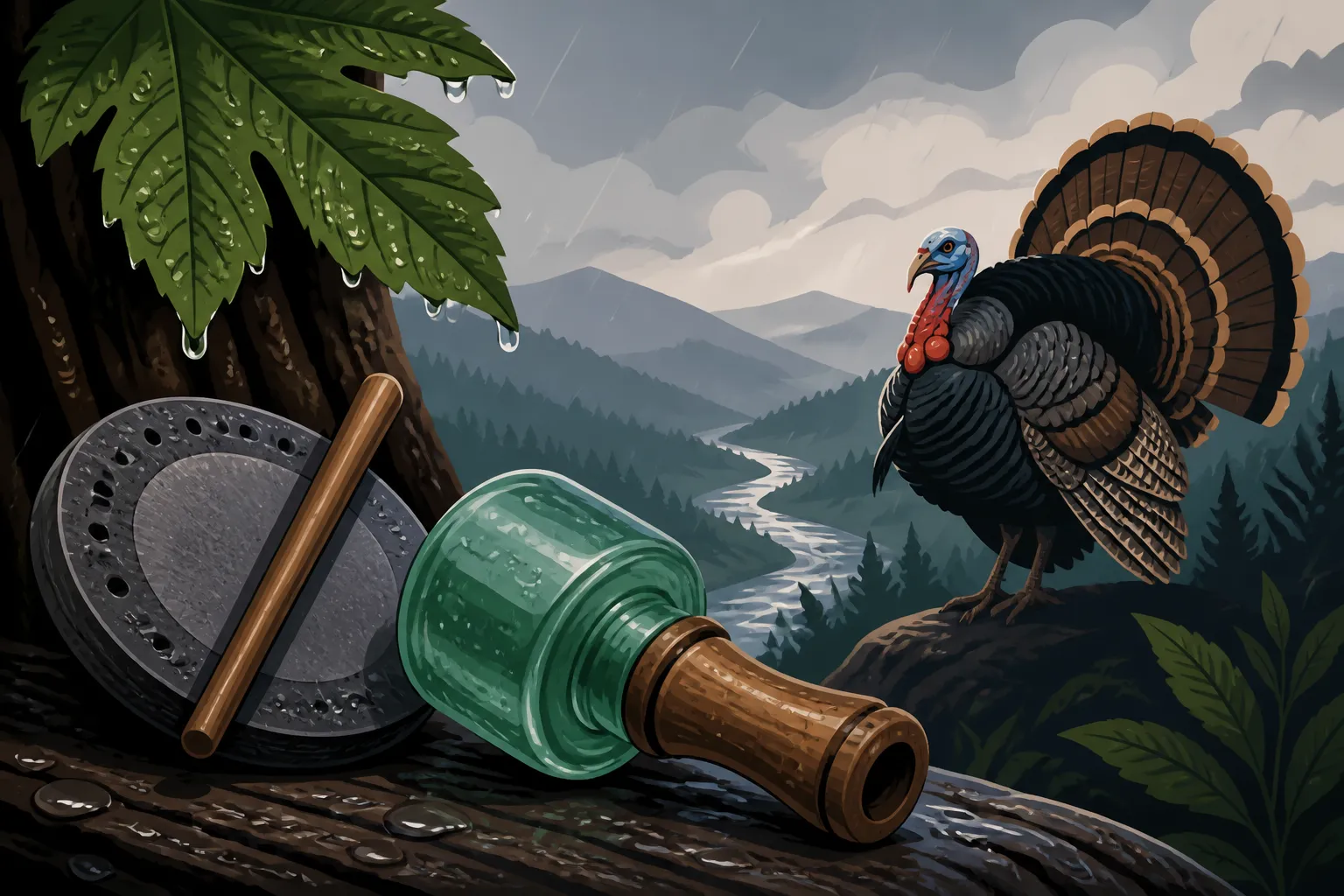
There's nothing quite as frustrating as waking up for a prime spring turkey hunt in West Virginia, only to find the forecast has shifted to damp, drizzly, or outright rainy conditions. You've got your favorite slate or glass call ready to go, the one that makes those perfect yelps and cutts, but you know deep down that moisture is the enemy of friction calls. This guide is here to help you navigate those soggy mornings, offering practical strategies to keep your slate and glass calls sounding sweet, even when the weather isn't cooperating.
The Challenge of Wet Weather on Friction Calls
Anyone who has spent time chasing gobblers in West Virginia knows that Mother Nature doesn't always read the turkey hunting playbook. One moment it's clear and crisp, the next a persistent mist or light rain can roll in, turning your prime calling setup into a damp disaster. For friction calls like slates and glass, moisture isn't just an inconvenience; it can be a hunt-ending problem.
Why Moisture Muffles Your Mellow Yelps
The beauty of a slate or glass call lies in the precise friction between your striker and the calling surface. This friction produces those rich, resonant turkey sounds that can pull a wary gobbler in. When moisture, whether it's heavy humidity, dew, mist, or actual raindrops, gets between the striker and the surface, it acts as a lubricant. Instead of the crisp, high-pitched yelps and sharp cutts you're aiming for, you get a muffled, scratchy, or even completely silent performance. The fine grit or conditioning on your call surface, which is essential for grip, gets saturated, and the striker just slides across it without creating the necessary vibration. It's like trying to start a fire with wet matches – all the potential is there, but the crucial element is missing. This can quickly lead to a loss of confidence in your calling, and a quiet call is rarely a successful one when a gobbler needs convincing.
The Impact on Different Call Surfaces and Strikers
Not all friction calls and strikers react to moisture in the same way, and understanding these differences can inform your gear choices.
- Slate Calls: Generally, slate calls are more forgiving in light moisture than glass. The natural porosity of slate can absorb a small amount of dampness before it completely silences the call. However, heavy rain will still render it useless. Different types of slate, like natural or anodized, can also have varying tolerances.
- Glass Calls: Glass, being non-porous and incredibly smooth, is perhaps the most susceptible to moisture. Even a light film of humidity can create enough slipperiness to make calling next to impossible. The advantage of glass is its volume and sharp tone in dry conditions, but that advantage evaporates quickly in the wet.
- Crystal Calls: Similar to glass, crystal calls offer incredible volume and high-pitched notes, but they are equally, if not more, sensitive to moisture. A dewy morning can leave them slick and silent.
- Strikers: The material of your striker also plays a huge role.
- Wood Strikers: Most common wood strikers, especially those made of lighter woods like hickory or dogwood, can absorb moisture and swell slightly. This can change their weight and balance, and a wet tip will just glide across a wet call surface. Laminated wood or synthetic wood options might offer a bit more resistance.
- Carbon Strikers: These are often touted as more weather-resistant, and for good reason. Carbon doesn't absorb water like wood, making them a much better choice for damp conditions. They maintain their integrity and often provide more consistent friction.
- Acrylic Strikers: Acrylic is another excellent choice for wet weather. It's non-porous, doesn't absorb water, and provides a crisp contact point with your call, even if the call surface itself is slightly damp (assuming you can dry the call).
- Aluminum/Metal Strikers: Some hunters swear by aluminum or other metal-tipped strikers in damp weather, as they offer a harder, less absorbent contact point. However, they can sometimes produce a harsher sound than wood or carbon.
Knowing these characteristics can help you anticipate how your specific gear will perform when the weather turns on you while Spring Turkey Hunting in West Virginia.
Pre-Hunt Preparation: Protecting Your Calls from Moisture
The best defense against a silenced call is a good offense, meaning proactive measures before you even hit the woods. A little planning can save your hunt when the skies open up.
Conditioning Your Call Surface for Resilience
Proper conditioning is crucial for the performance of any friction call, and it's especially important for preparing them for potentially damp conditions. Before you ever head out, take the time to properly condition your slate or glass.
- Roughening the Surface: For slate calls, you'll typically use a conditioning stone or a piece of sandpaper (often 80-120 grit) to scuff up the calling surface. For glass or crystal calls, a conditioning pad or sandpaper is also used, but sometimes a finer grit is preferred to maintain the surface integrity. The goal is to create microscopic grooves that grab the striker, generating that critical friction.
- Even Conditioning: Don't just scuff one spot; work the entire calling surface in a cross-hatch or circular pattern. This ensures you have optimal friction wherever your striker lands.
- Frequent Re-conditioning: It's not a one-and-done deal. The more you use your call, the smoother the surface becomes. Re-condition frequently, even during a hunt, if you notice the sound starting to fade. This helps restore the "bite" that moisture tries to steal. A well-conditioned call, even if it gets slightly damp, will have a better chance of producing some sound than one that's smooth and worn.
Think of it like getting your tires ready for a slick road; you want good tread. The more "tread" (conditioning) you have on your call, the better it will grip.
Choosing and Preparing Water-Resistant Strikers
As we discussed, strikers are not created equal when it comes to moisture. This is where you can make a significant difference in your wet-weather performance.
- Carbon Strikers: If there's any chance of rain or heavy dew, a carbon striker should be your go-to. They are incredibly durable, don't absorb water, and maintain a consistent sound profile. Many hunters keep one specifically for these conditions.
- Acrylic Strikers: Another excellent non-porous option. Acrylic provides a bright, sharp sound and, like carbon, won't swell or soften with moisture.
- Tipping Wood Strikers: If you absolutely prefer a wood striker and want to give it some water resistance, you can try tipping it with a waterproof sealant. Some hunters use a bit of super glue or nail polish on the very tip, being careful not to change the weight or balance too much. This creates a barrier against moisture absorption at the critical contact point. However, test this extensively before relying on it in the field, as it can alter the sound.
- Roughing Up Striker Tips: Just as you condition the call surface, some hunters lightly scuff the tip of their strikers with fine sandpaper. This can create a bit more grab, especially with carbon or acrylic, and can help cut through a slight film of moisture.
Having a dedicated wet-weather striker in your vest is a smart move. When you're Hunting the West Virginia Rut in November and it's raining, you wouldn't use a dry-weather lure; the same logic applies to calls in spring.
Storage Solutions to Keep Calls Dry
How you store your calls, both at home and in the field, makes a massive difference in keeping them dry.
- Dedicated Call Pouches/Boxes: Invest in a quality, water-resistant call pouch or box. Many come with individual compartments for your calls and strikers, keeping them snug and protected. Look for pouches with robust zippers that won't let water seep in. Some have internal loops for lanyards, so calls aren't just rattling around.
- Desiccants: Consider placing small desiccant packets (like the silica gel packets you find in new products) inside your call pouch. These will absorb any ambient moisture, keeping the environment around your calls as dry as possible. Replace them periodically.
- Ziploc Bags (with Caution): For ultimate waterproofing, some hunters place their calls (already in their pouches) inside a heavy-duty Ziploc bag. The caution here is to ensure the calls are dry before sealing them, as you'll trap any existing moisture inside, which could be detrimental over time. This is more of a short-term, in-the-field solution for unexpected downpours.
- Ventilation at Home: When not in use, store your calls in a dry place with good air circulation. Don't leave them sealed up in a damp hunting vest in the garage. Let them breathe and fully dry out between hunts. This prevents mildew and ensures the materials are in optimal condition for your next outing.
A dry call is a happy call, and careful storage is the easiest way to ensure your favorite Turkey Calls Worth Carrying in West Virginia are ready for action, rain or shine.
Field Tactics: Using Slate and Glass Calls When It's Already Wet
Despite all your best preparation, sometimes you just get caught in the rain. When that happens, knowing how to adapt your calling and protect your gear in the moment can salvage a potentially silent hunt.
Finding Natural Shelter and Micro-Environments
When the rain starts, your first instinct might be to just tough it out. But for friction calls, finding some form of shelter is paramount.
- Thick Conifers and Pines: These trees offer excellent natural umbrellas. Their dense needle canopy can shed a surprising amount of rain, creating a drier zone directly beneath them. Setting up under a large pine or hemlock can give you just enough protection to keep your call surface usable.
- Overhanging Rocks and Ledges: In some parts of West Virginia, especially in the more mountainous regions, you might find rock outcroppings or small ledges that provide natural overhangs. These can be perfect for keeping you and your calls out of direct precipitation. Always be mindful of your surroundings, though, and ensure your setup offers good visibility and shooting lanes.
- Dense Laurel and Rhododendron Thickets: While not ideal for visibility, the thick, interwoven branches of laurel or rhododendron can offer a surprising amount of overhead cover from a light drizzle or mist. If you're Still-Hunting Cranberry WMA Ridges, these thickets are common and can provide a temporary refuge.
- Ridge Lines and Thermal Movement: When hunting in wet conditions, pay close attention to the wind and thermals. Setting up on the leeward side of a ridge can provide a degree of shelter from wind-driven rain. Additionally, the rising thermals in the morning can sometimes help dry out the air around you, even if briefly. Using a tool like GoHunt's mapping features can help identify these sheltered spots when scouting.
Remember, even partial shelter is better than none. Every little bit helps keep your call dry enough to make sound.
Drying Call Surfaces and Strikers in the Field
When your call inevitably gets wet, you need quick and effective ways to dry it on the spot.
- Breath and Shirt Method: Your breath is warm and can help evaporate surface moisture. Exhale firmly onto the call surface, then immediately wipe it dry with a clean, dry section of your shirt, a bandana, or a dedicated call cloth. Avoid using anything with lint.
- Dedicated Call Cloths: Many hunters carry small, microfiber cloths specifically for drying and cleaning call surfaces. These are lint-free and highly absorbent. Keep it in a separate, dry pocket.
- Conditioning Stone/Sandpaper: Once you've dried the surface as much as possible, re-condition it vigorously. The rough texture will help cut through any remaining film of moisture and restore friction. If the conditioning stone itself is wet, try to dry it or use a fresh piece of sandpaper.
- Sticker for Strikers: For wooden strikers, wiping them dry and lightly scuffing the tip with fine-grit sandpaper (you can keep a small piece in your call kit) can revive them. For carbon or acrylic, a simple wipe-down is usually sufficient.
- The "Pocket Warm-Up": If your call is just damp from humidity or light drizzle, slipping it into a warm, dry pocket (like a chest pocket close to your body) for a few minutes can sometimes help dry it out and warm the material slightly, improving its response.
It's all about quick response and making the most of what you have. If you can get a few minutes of good calling out of a revived call, it might be all you need to seal the deal with a gobbler.
Adapting Calling Styles for Damp Conditions
Even with the best gear and drying techniques, a call might not perform at 100% in wet weather. This is where adapting your calling style comes into play.
- Increased Pressure and Slower Strokes: You might need to apply more downward pressure with your striker than usual to get a good sound. Additionally, slow down your strokes. Fast, light strokes on a damp surface will just result in a slide. A slower, more deliberate stroke with firm pressure can sometimes generate enough friction to produce a decent yelp or cluck.
- Focus on Basic Sounds: Forget the fancy purrs or complex cadence. In wet weather, prioritize clear, basic yelps, clucks, and perhaps a sharp cutt or two. These fundamental sounds are often easier to produce consistently when the call isn't at its peak performance. Focus on clean breaks in your yelps.
- Volume Control: It's unlikely you'll be able to hit maximum volume with a damp call. Adjust your expectations and focus on calling just loud enough to be heard within the effective range you expect. If you're Calling a West Virginia Gobbler Off the Roost in a light mist, you probably don't need booming volume, just clear, convincing sounds.
- Listen to Your Call: Continuously monitor the sound your call is producing. If it starts to get scratchy or fades, stop, dry it, and re-condition. Don't keep trying to make a bad sound, as it might alert wary birds to your presence.
Patience and persistence are key. A slightly imperfect call that is heard is better than a perfect call that stays in your pocket.
Alternative and Backup Options for Inclement Weather
Sometimes, no matter how much you try, your friction call simply won't perform in the rain. This is why having reliable backup calls in your vest is absolutely critical, especially in unpredictable West Virginia weather.
Mouth Calls: The Ultimate Wet Weather Solution
When it comes to wet weather, mouth calls (or diaphragm calls) are the undisputed champions. They are waterproof, hands-free, and unaffected by external moisture.
- Always Carry Several: A serious turkey hunter in West Virginia should always carry at least 2-3 different mouth calls, ranging from those producing soft, subtle sounds to those capable of loud, aggressive cutts. This ensures you have options for any situation.
- Practice, Practice, Practice: Mouth calls have a steep learning curve for many. You need to practice regularly to become proficient. The last thing you want is to be fumbling with a new mouth call when a gobbler is hammering back at you.
- Hands-Free Advantage: Beyond being waterproof, mouth calls allow you to keep your hands free for your shotgun, binoculars, or to simply remain still. This is a huge advantage when you're trying to stay concealed and minimize movement.
- Versatility: From soft tree yelps to excited cutting and aggressive gobbling, mouth calls can replicate nearly any turkey sound. Their versatility makes them an invaluable tool, especially when other calls fail due to weather. Locator Calls for West Virginia Gobblers are often mouth calls, too, and being able to switch seamlessly can make a difference.
If you know heavy rain is in the forecast, consider making mouth calls your primary calling method for that hunt. GoHunt often has articles and videos reviewing various mouth calls and techniques, which can be a great resource for hunters looking to expand their skills.
Box Calls: A Decent Option with Protection
Box calls can be another effective alternative, but they require a bit more protection than mouth calls in wet weather.
- Sound Quality: Box calls can produce incredibly realistic, rich turkey sounds with good volume. They are generally easier to learn than mouth calls.
- Water Protection: The key to using a box call in the wet is keeping it dry. Many hunters carry their box calls in waterproof cases or heavy-duty Ziploc bags. Some even apply a thin coat of wax or waterproof sealant to the exterior of the box, avoiding the lid and paddle contact points, of course.
- Calling Technique: You'll still need to ensure the lid and the lip of the box remain dry and properly chalked. If they get wet, the sound will diminish. Wiping them dry with a clean cloth and re-chalking frequently can keep them working in a light drizzle.
- Limited Hand-Free Use: Unlike mouth calls, box calls require two hands, which can be a disadvantage when a gobbler is close and you need to shoulder your gun.
A box call can certainly serve as a strong backup to your friction calls, especially for initial setup yelps or if you need more volume, provided you keep it well-protected.
The Role of Pot Call Material in Wet Weather
While this guide focuses on slate and glass, it's worth noting that the material of the "pot" itself can influence wet-weather performance, even if the calling surface is slate or glass.
- Wood Pots: Most friction calls have wooden pots. While beautiful, wood can absorb moisture, swell, and even warp over time, potentially affecting the sound chamber and overall performance.
- Synthetic/Water-Resistant Pots: Some manufacturers offer calls with synthetic or composite pots that are less susceptible to moisture absorption and warping. These can be a good investment if you hunt frequently in damp environments.
- Table: Call Material Performance in Wet Weather
| Call Component | Material Type | Wet Weather Performance | Notes |
|---|---|---|---|
| Call Surface | Slate | Fair to Poor | More forgiving than glass in light moisture, but heavy rain silences it. Requires frequent re-conditioning. |
| Glass/Crystal | Poor | Highly susceptible to moisture; even humidity can silence it. Offers high volume in dry conditions. | |
| Striker | Wood | Poor | Absorbs moisture, swells, loses friction. Avoid in wet conditions. |
| Carbon | Excellent | Non-porous, maintains consistent friction. Top choice for wet weather. | |
| Acrylic | Excellent | Non-porous, crisp sound, maintains performance. Great alternative to carbon. | |
| Metal | Good | Non-porous, durable, but can produce a harsher sound. | |
| Call Pot | Wood | Fair | Can absorb moisture, potentially affecting sound over time. |
| Synthetic | Good | Less susceptible to moisture absorption and warping. |
When you're out there on Hunting Potomac Highlands Public Land or anywhere else in West Virginia, having a range of calls and a plan for wet weather means you're never truly silenced. It's about being prepared for whatever the mountain throws at you.
Disclaimer
This article is for general informational purposes only and does not constitute professional advice. Laws, prices and regulations vary by location and change over time. Consult a qualified professional for guidance on your specific situation.