Brush Pants for West Virginia Laurel Thickets
Anyone who's spent time hunting West Virginia knows the struggle: you dive into a beautiful piece of cover, only to emerge moments later with scratched legs, torn pants, and a general feeling of having wrestled a porcupine. Our mountains are notorious for their dense, thorny, and unyielding laurel and rhododendron thickets, and they can absolutely shred your everyday hunting pants. This guide is dedicated to helping you find the right brush pants, ensuring you stay protected, comfortable, and focused on the hunt, not on your ruined clothing.
The Unique Challenge of West Virginia's Laurel Thickets
West Virginia's landscape, particularly in the more mountainous regions, is a hunter's paradise and a gear-destroyer's dream all at once. The dense undergrowth isn't just a minor inconvenience; it's a major factor that can make or break your day afield.
Understanding Laurel and Rhododendron
If you've ever pushed through a "rhodo hell" or a dense stand of mountain laurel, you know exactly what I'm talking about. These evergreen shrubs form incredibly thick, almost impenetrable mats, especially on steep slopes and along creek bottoms. The branches are stiff, unyielding, and interwoven, creating a natural barrier that deer, bears, and grouse often use for bedding, escape cover, or simply as a place to hide from the elements. As a hunter, this means that some of the best spots to find game are also the absolute toughest to navigate.
The physical toll of these thickets is significant. The constant scraping and pushing against stiff branches can cause painful abrasions on exposed skin, and even through fabric, you'll feel every poke and jab. Worse still, these thickets are notorious for snagging and tearing even heavy-duty fabrics. I can't tell you how many times I've watched a buddy's brand-new "tough" pants get shredded on the first serious push through a laurel patch. Beyond the physical discomfort, the constant struggle slows you down, makes quiet movement nearly impossible, and can quickly drain your energy and morale. When you're trying to still-hunt a ridge or slip into a bedding area, the last thing you want is to be fighting your way through a tangled mess, your clothes snagging and ripping with every step.
Why Regular Pants Just Won't Cut It
You might think your favorite pair of jeans or rugged canvas work pants would be sufficient for a day in the woods. After all, they're tough, right? Well, in the face of West Virginia's laurel and greenbrier, most conventional pants simply don't stand a chance. Denim, while sturdy in many respects, is not designed for repeated abrasion from sharp thorns and stiff branches. It snags easily, tears, and once wet, it becomes heavy, cold, and takes forever to dry. Canvas might offer a bit more resistance, but often lacks the specific reinforcements needed for briar patches, and again, can get quite waterlogged.
Even many pants marketed as "hunting pants" fall short when confronted with our unique blend of thick cover. They might be quiet or comfortable, but if they're not specifically designed with extreme durability and puncture resistance in mind, you'll quickly find yourself patching holes or replacing them entirely. The problem isn't just about avoiding a tear; it's about minimizing the constant tugging and snagging that disrupts your movement and focus. Imagine trying to make a slow, quiet approach to a gobbler during Spring Turkey Hunting in West Virginia or Hunting West Virginia's Liberal Bear Season when every other step results in a branch catching your pant leg. It's frustrating, loud, and can quickly spook game. You need something that lets you push through with confidence, knowing your legs are protected and your pants will live to see another hunt.
Key Features to Look for in West Virginia Brush Pants
Choosing the right brush pants isn't just about picking the toughest-looking pair. It's about understanding the specific features that will stand up to our challenging environment and keep you comfortable and effective in the field.
Material and Construction for Maximum Protection
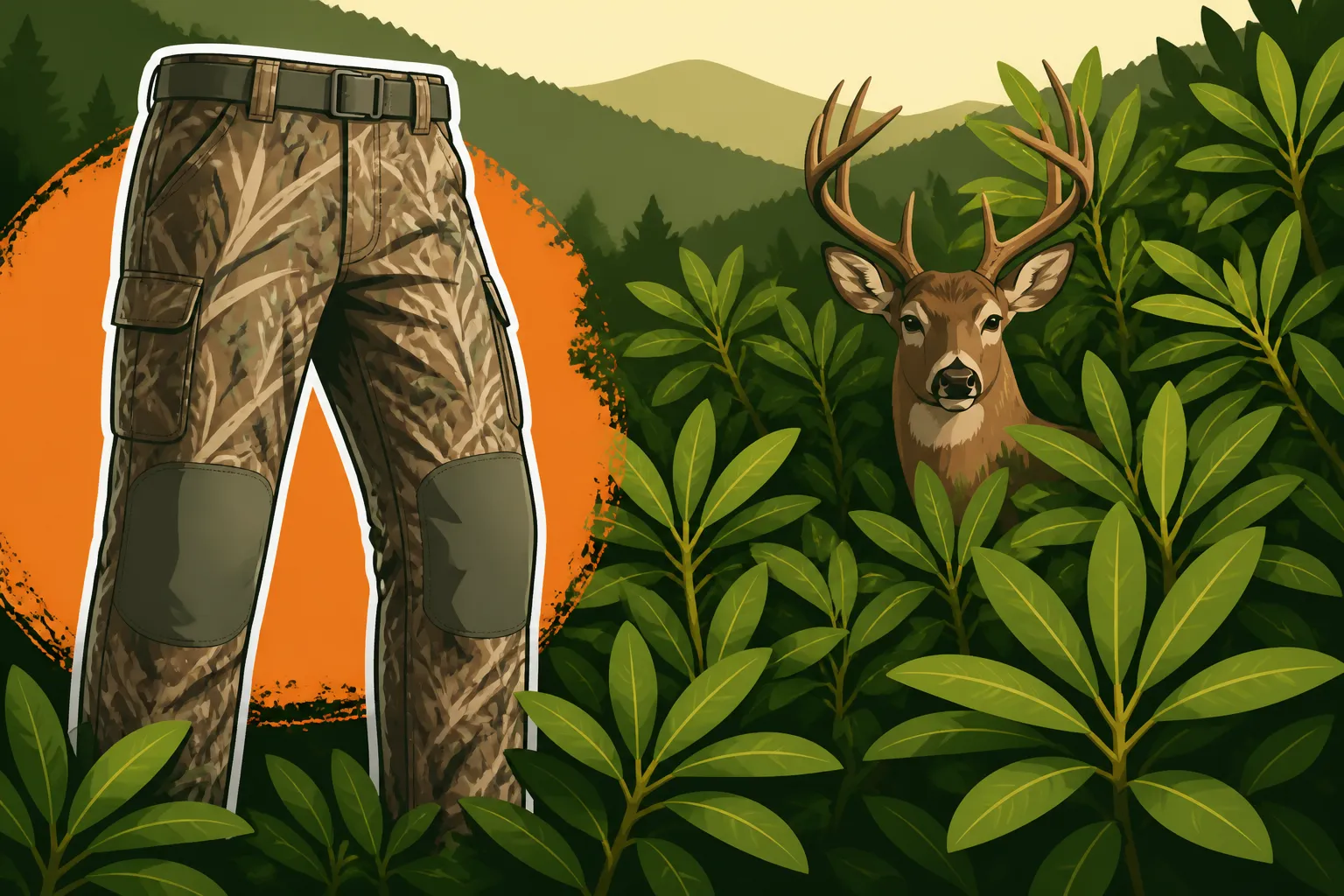
When it comes to materials, we're talking about fabrics that laugh in the face of thorns and sharp branches. Look for heavy-duty synthetic nylons like Cordura with high denier ratings (e.g., 500D, 1000D), or densely woven canvas blends that are incredibly resistant to tearing and abrasion. The key here is not just the overall fabric, but how it's applied. The best brush pants feature extensive reinforcement, often with double layers of fabric or specialized briar-proof facings. These facings are typically sewn onto the front of the legs, from the thigh down to the ankle, and sometimes around the backside as well. Waxed canvas or heavy nylon panels are common choices for this extra layer of defense, creating a virtually impenetrable shield against even the most aggressive greenbrier.
Beyond the fabric itself, the construction quality is paramount. You want to see robust stitching, ideally triple-stitched seams in high-stress areas like the crotch and knees. Bar-tacking at the ends of zippers and pocket openings adds further strength, preventing rips where stress is concentrated. If a pant isn't built like a tank, it won't survive long in West Virginia's thick stuff. Many hunters use resources like GoHunt to research gear reviews and compare different material specs before investing in a pair. It's a smart move to read up on real-world experiences before you commit to a purchase, especially when durability is your main concern.
Fit, Mobility, and Comfort in Rugged Terrain
Protection is crucial, but it can't come at the expense of mobility and comfort. You're going to be climbing hills, descending steep hollows, and walking for miles, often through varied terrain, especially when Hunting Steep Allegheny Ridges or on a Monongahela National Forest Hunting trip. Restrictive pants will hinder your movement, cause chafing, and ultimately make your hunt miserable. Look for features like articulated knees, which are pre-formed or darted to allow for a natural bend without pulling or bunching. A gusseted crotch is another game-changer, providing extra fabric and a special seam design that allows for a full range of motion without ripping, which is vital when stepping over downed logs or climbing into a stand.
The balance between bomb-proof protection and freedom of movement is delicate. While heavy briar pants offer maximum defense, they can sometimes feel a bit stiff. Technical hunting pants, on the other hand, often incorporate stretch panels in less exposed areas to enhance flexibility without compromising protection where it matters most. Think about the weather too: on warmer early-season days, breathability is key. Some brush pants include zippered vents on the thighs to help shed heat. For colder hunts, you might want a pair with a bit more insulation or enough room to layer Base Layers for a West Virginia December underneath. Adjustable waistbands and ankle cuffs can also improve fit and prevent debris from entering your boots.
Water Resistance and Weather Protection
West Virginia weather is famously unpredictable. A sunny morning can quickly turn into a damp, drizzly afternoon, especially in the mountains. Pushing through wet laurel thickets is not only uncomfortable but can lead to being soaked and chilled if your pants don't offer some degree of water resistance.
Most quality brush pants will come treated with a Durable Water Repellent (DWR) finish. This causes water to bead up and roll off the fabric, preventing it from soaking in immediately. For light rain or wet vegetation, a good DWR coating can be surprisingly effective. However, for persistent rain or prolonged exposure to soaking wet undergrowth, you might want to consider pants with a waterproof-breathable membrane (like Gore-Tex or similar proprietary technologies) laminated to the fabric. While these tend to be more expensive, they offer superior protection against saturation. Keep in mind that even with a waterproof membrane, unsealed seams can be a weak point, so look for seam-taped construction if full waterproofing is a priority. Remember that DWR coatings wear off over time, so you'll want to re-apply a DWR spray periodically to maintain performance, especially after washing. Staying dry is essential for comfort and safety in the West Virginia woods, particularly when sitting for long periods in a stand or Cold-Weather Sitting Strategy in the Mountains.
Types of Brush Pants Suited for West Virginia Hunting
The market offers a range of brush pants, each with its own strengths. Understanding the differences will help you pick the best option for your specific hunting style and the conditions you expect to encounter.
Briar Pants and Upland Hunting Pants
These are the traditional workhorses of the brush pant world, often favored by small game hunters who spend their days busting through heavy cover. Think of the classic waxed cotton or canvas briar pants with heavy nylon or Cordura facings from companies like Filson or Dan's Hunting Gear. These pants are built for maximum protection against thorns, briars, and stiff brush. The entire front and often the back of the legs are covered with an extra layer of incredibly durable, tightly woven, and sometimes water-resistant material.
Pros:
- Unmatched Protection: If your primary goal is to be absolutely impervious to thorns and tearing, these are your go-to. They excel at protecting you when you're Grouse Hunting Allegheny Highlands Cover or Squirrel Hunting West Virginia Bottomland Hardwoods.
- Durability: Designed for years of abuse, they often last a lifetime with proper care.
- Classic Aesthetic: For some, there's nothing like the look and feel of traditional briar pants.
Cons:
- Weight and Bulk: They can be heavier and bulkier than modern synthetic options, especially when wet.
- Breathability: Often less breathable, which can be an issue on warmer days or during strenuous activity.
- Drying Time: If they do get saturated, they can take a while to dry out.
For those targeting small game, GoHunt's forums often feature discussions on which briar pants hold up best to West Virginia's challenging cover. Many users share personal experiences and long-term reviews, which can be invaluable when making a choice that needs to last.
Technical Hunting Pants with Reinforced Panels
Moving into the more modern realm, technical hunting pants combine advanced synthetic fabrics with strategically placed durable panels. These pants aim to strike a balance between protection, weight, and mobility. The main body of the pant might be a comfortable, stretchy, and breathable synthetic fabric, while high-wear areas like the knees, lower legs, and seat are reinforced with highly abrasion-resistant materials like Cordura or Schoeller Keprotec.
Pros:
- Versatility: Excellent for a wide range of hunting styles, from active deer hunting to scouting. They're lighter and more comfortable for long walks or when you're Scouting West Virginia Public Land Before Season.
- Mobility: The combination of stretch fabrics and articulated designs allows for superior freedom of movement compared to traditional briar pants.
- Breathability: Generally much more breathable, making them suitable for warmer temperatures or high-exertion activities.
- Quick Drying: Synthetic fabrics dry much faster than cotton or heavy canvas.
Cons:
- Less Absolute Protection: While highly reinforced, they might not be quite as impenetrable as a dedicated, full-faced briar pant, especially against the densest greenbrier.
- Cost: Quality technical pants can be a significant investment.
These pants are an excellent choice for hunters who need to cover a lot of ground, whether you're trying Deer Drives With Three or Four Hunters or just trying to navigate various types of terrain encountered in Hunting Potomac Highlands Public Land. They offer that crucial blend of durability where you need it, and comfort where it counts.
Layering Options and Over-Pants
Sometimes, the best approach is to build your protection in layers. This involves wearing your regular comfortable hunting pants (or even base layers) and then adding a durable outer shell or a pair of dedicated over-pants when you anticipate hitting the thick stuff. Some over-pants are essentially full-coverage briar chaps that extend from the waist down, offering maximum protection over whatever you're wearing underneath.
Pros:
- Adaptability: You can put them on or take them off as needed, making them highly versatile for varied terrain or weather.
- Temperature Regulation: Allows you to adjust your insulation easily by changing your base layer or removing the outer shell.
- Cost-Effective: If you already own comfortable hunting pants, adding a pair of durable briar chaps might be a more budget-friendly way to get the protection you need.
Cons:
- Bulk: Carrying extra layers can add bulk to your pack.
- Movement: Some over-pants can feel a bit restrictive or noisy compared to integrated designs.
- Donning/Doffing: Can be inconvenient to put on or take off in the field, especially in adverse weather.
This approach works well for hunts where you might have long walks on easy terrain followed by short, intense pushes through dense cover. You can carry your protective layer until you need it, then slip it on for the assault on the thickets.
| Pant Type | Key Materials | Protection Level | Mobility / Comfort | Ideal Use Case |
|---|---|---|---|---|
| Traditional Briar Pants | Waxed Cotton, Heavy Canvas, Nylon/Cordura Faced | Excellent | Moderate | Dense briar patches, upland birds, small game hunting |
| Technical Hunting Pants | Synthetic Blends, Cordura/Kevlar Reinforcements | Very Good | High | Active deer hunting, scouting, varied terrain |
| Layered Over-Pants / Chaps | Heavy Nylon, Waxed Canvas, Waterproof Laminates | Excellent | Variable (over base) | Variable terrain, targeted thicket navigation, extreme conditions |
Practical Considerations and Maintenance
Investing in a good pair of brush pants is a smart decision for any West Virginia hunter. To make sure you get the most out of them, there are a few practical considerations to keep in mind, both before and after your purchase.
Sizing and Fit for West Virginia Conditions
This might sound obvious, but the fit of your brush pants is critical. Don't just grab your usual pant size without trying them on or consulting a sizing chart. When you're navigating steep, rugged terrain, climbing over blowdowns, or even just sitting comfortably in a treestand, overly tight or baggy pants will be a constant nuisance. Too tight, and you restrict movement and risk blowing out seams. Too loose, and you'll have excess fabric catching on branches, creating noise, and potentially tripping you up.
Consider what you'll be wearing underneath. In colder months, you might want to layer thermal underwear or other warm base layers, so ensure there's enough room without the pants feeling baggy when only wearing light layers. Pay attention to the length as well; you want them long enough to meet your Boots for West Virginia Hollows and Ridges without riding up when you sit, but not so long that they drag and collect mud or debris. Many brands, especially those specializing in hunting gear, offer specific "athletic" or "relaxed" fits. Using sizing guides on reputable sites like GoHunt can help you make an informed decision when ordering online, as they often include actual garment measurements or customer reviews regarding fit. If possible, try them on with your preferred hunting boots to ensure the cuff sits correctly.
Care and Longevity of Your Investment
Quality brush pants are an investment, and like any good gear, they'll perform better and last longer with proper care. Always follow the manufacturer's washing instructions. For many heavy-duty synthetic or waxed canvas pants, this often means gentle washing cycles, cold water, and air drying to preserve the fabric and any DWR coatings. Avoid harsh detergents or fabric softeners, as these can degrade technical fabrics and compromise water resistance.
Speaking of water resistance, remember that DWR treatments wear off over time. If you notice water starting to soak into the fabric rather than bead up, it's time to re-apply a DWR spray or wash-in treatment. Brands like Nikwax or Granger's offer excellent products for this. Don't be afraid to mend small tears or patch worn spots proactively. A small tear caught early is much easier to fix than a gaping hole. Having a simple field repair kit with needle, thread, and some tenacious tape in your Packs for a Monongahela Forest Day Hunt can save a hunt if you get a snag far from camp. By taking a few extra minutes for care and maintenance, your brush pants will serve you faithfully for many seasons to come, enduring everything from Hunting the West Virginia Rut in November to late-season pushes.
Budgeting for Quality Brush Pants
Let's be realistic: high-quality brush pants can be a significant upfront cost. You'll find options ranging from moderately priced to truly premium gear. It's tempting to opt for the cheapest pair, but in the context of West Virginia hunting, that can often be a false economy. A cheap pair might last one or two hunts before tearing, costing you more in replacements and frustration in the long run.
Think of it as an investment in your comfort, protection, and overall hunting experience. Consider how often you hunt, the intensity of the terrain you cover, and what species you pursue. If you're frequently pushing through the densest cover for grouse or bear, a premium, highly reinforced pair will quickly pay for itself in durability and peace of mind. If your hunting is mostly on easier terrain with only occasional thicket crossings, a more versatile technical pant might be a better fit. While searching for deals, remember that the lowest price isn't always the best value when it comes to gear that needs to withstand constant abuse, a point often echoed by experienced hunters on GoHunt. Sometimes, spending a bit more on a well-made product from a reputable brand will save you money and headaches down the road. After all, your time in the woods is valuable, and you want gear that supports, rather than detracts from, your pursuit.
Disclaimer
This article is for general informational purposes only and does not constitute professional advice. Laws, prices and regulations vary by location and change over time. Consult a qualified professional for guidance on your specific situation.