Squirrel Hunting West Virginia Bottomland Hardwoods
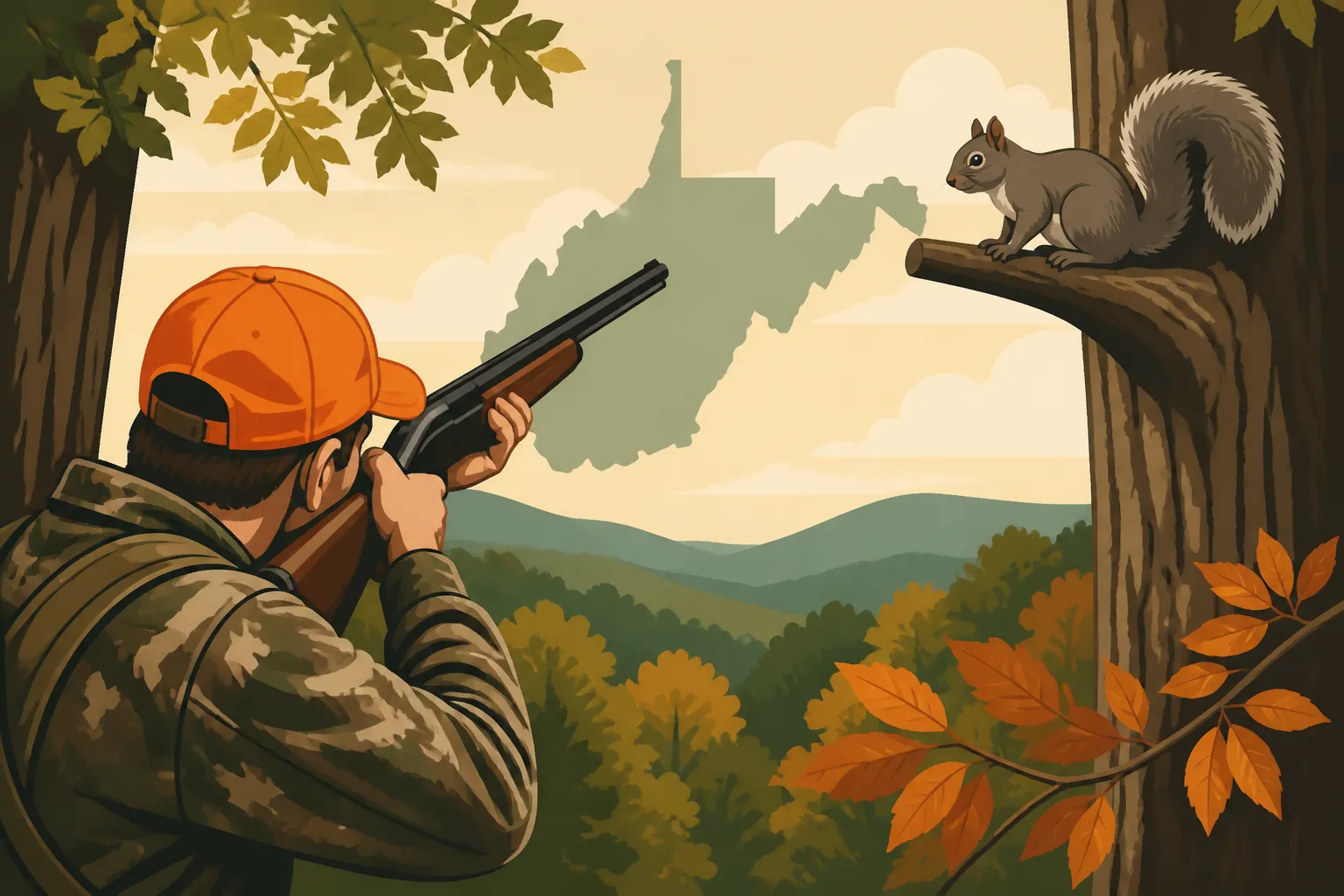
Oh, the crisp air of an autumn morning in West Virginia, the crunch of leaves underfoot, and the eager anticipation of a bushy-tailed squirrel scampering up an ancient oak – there's nothing quite like it. But if you've ever tried to hunt squirrels in our state's rich bottomland hardwoods, you know it's a unique challenge. These aren't your typical ridge-running squirrels; they're masters of the dense, often swampy terrain, and finding them requires a different approach. This guide is here to walk you through everything you need to know to successfully hunt squirrels in West Virginia's bottomland hardwood forests, turning those frustrations into full game bags.
Understanding West Virginia Bottomland Hardwoods
West Virginia's bottomland hardwoods are a treasure trove for squirrel hunters, but they're also a maze if you don't understand them. These are the low-lying areas, often adjacent to rivers, creeks, and larger streams, where centuries of flooding have deposited rich, fertile soil. This environment creates a very specific type of forest that's different from the steep, rocky ridges and hollows most hunters associate with the Mountain State.
Identifying Prime Habitat Along Rivers and Creeks
When you're looking at a map or walking the ground, prime bottomland squirrel habitat screams "food and cover." Think about the major river systems like the Ohio River Valley bottomland, the Kanawha, the New River, or even smaller, named creeks that meander through flatter valleys. These areas are characterized by mature, towering trees that thrive in deep, moist soil. Look for areas where these water features create wide, flat floodplains rather than steep, V-shaped hollows.
Often, these locations feature a high canopy, meaning the tree branches start high off the ground, making it tough to spot squirrels initially. The understory can vary wildly, from relatively open and clear to thick tangles of briars, grapevines, and dense saplings, especially in areas that have seen recent timber disturbance. The key is to find spots that combine older, mast-producing trees with enough cover to make squirrels feel secure but not so much that you can't see them moving. A good resource like the GoHunt app can often highlight these flatter, riparian zones, helping you pinpoint potential hotspots before you even step foot in the woods.
The Importance of Mast Trees
For any squirrel hunter, understanding mast is paramount, but in bottomlands, it's often the only thing that matters. These areas are veritable buffets of hard mast, which are the nuts and fruits that squirrels absolutely depend on. We're talking about massive oak trees (both red and white varieties), hickory, beech, black walnut, and often a mix of sycamore and maple. These trees are the lifeblood of a healthy squirrel population, and in bottomland, they tend to grow bigger and produce more consistently than their ridge-top cousins.
When you're scouting, look for evidence of heavy feeding. This means not just identifying the trees themselves, but also looking for "cuttings" on the forest floor. These are the tell-tale shredded remnants of nut hulls left behind by busy squirrels. You'll find them concentrated under certain trees, indicating recent activity. If you're walking along a river and see a massive stand of mature oaks and hickories, chances are good you've found a squirrel goldmine. The density of these mast trees provides not only food but also an interconnected canopy that allows squirrels to travel safely above the ground.
Navigating the Unique Terrain
Hunting bottomland hardwoods isn't like marching up a steep Allegheny ridge. While it might seem flatter and easier, it presents its own set of navigational challenges. Water is a constant factor; seasonal flooding can leave soft, muddy ground, and you'll encounter numerous small drainages, sloughs, and even standing water in certain areas. This means your footwear choice is critical – rubber boots or waterproof hiking boots are often a must to keep your feet dry and warm.
The vegetation can also be incredibly thick in places, especially where sunlight penetrates the canopy. Expect to push through multiflora rose, greenbrier, and dense pockets of undergrowth. Knowing how to Reading West Virginia Mud for Fresh Deer Movement can also give you clues about squirrel activity, as they often leave tracks near water sources. Additionally, downed timber from past floods or wind events can create natural obstacles and fantastic squirrel hideouts. Learning to move quietly through these thickets, using fallen logs and natural contours as cover, is a skill that will serve you well.
Key Behaviors of West Virginia Squirrels
To consistently fill your bag limit, you need to think like a squirrel. Their lives revolve around food, safety, and reproduction, and understanding how these elements influence their daily and seasonal patterns is your biggest advantage in bottomland hardwoods. Whether you're after the larger, more cautious fox squirrel or the abundant gray squirrel, their fundamental behaviors are driven by the same instincts.
Seasonal Feeding Patterns
Squirrels are creatures of habit when it comes to food, but those habits shift with the seasons. In early fall, when many squirrel seasons open in West Virginia, they are in a frantic phase of collecting and caching hard mast. This is when the acorns, hickory nuts, and walnuts are dropping, and squirrels are highly visible, working tirelessly from dawn until dusk. This is often the easiest time to hunt them, as they're less cautious and more focused on the bounty. You'll often find them spending most of their time in the canopy, cutting nuts.
As winter approaches and the mast supply dwindles, squirrels become more dependent on their cached stores. They'll spend more time on the ground, retrieving buried nuts, which makes them vulnerable but also harder to spot against the leaf litter. In late winter and early spring, they'll shift to different food sources like tree buds, catkins, and even fungi. This is a time when they are often less concentrated, requiring more searching. Understanding these shifts helps you predict where they'll be spending their time and what they'll be focused on.
Daily Movement and Den Tree Use
Squirrels are early risers and late-day movers. Their most active periods are typically the first few hours after sunrise and the last few hours before sunset. During these times, they're busy foraging, playing, and interacting. Mid-day activity can be spotty, especially on warm, sunny days when they might take a siesta in a cool den. However, on cooler, overcast days, they might remain active throughout the day.
Den trees are absolutely vital for squirrel survival, offering shelter from predators and harsh weather. In bottomland hardwoods, you'll find them utilizing natural cavities in older, larger trees, often hollowed-out sections of sycamore, oak, or maple. They also build dreys – nests made of leaves and twigs – high in the canopy, especially for rearing young or as temporary resting spots. Identifying potential den trees is crucial because if you disturb an area, squirrels will often retreat to these safe havens. A large, mature tree with a visible hole or a massive drey high up is a good indicator of nearby squirrel activity. Knowing Where Monongahela Forest Bucks Bed can offer insights into how other game animals use cover, which can be adapted to squirrel behavior.
Understanding Squirrel Communication
Squirrels are surprisingly vocal, and tuning into their language can significantly enhance your hunting success. Their barks, chirps, and tail flicking are all forms of communication, signaling alarm, contentment, or territorial disputes. An excited chatter and frantic tail flicking often indicate a squirrel that has spotted you or another potential threat. This is your cue to freeze, assess the situation, and try to locate the source of the alarm.
Conversely, soft chirps and rustling sounds can indicate contented feeding. Pay attention to these subtle noises, as they might lead you to a squirrel that hasn't yet spotted you. Sometimes, a series of barks might be a territorial display, especially from a fox squirrel defending its space. Learning to differentiate these sounds and understanding what they mean in context will give you a major advantage, allowing you to react appropriately and predict their next move. Remember, a single squirrel sounding the alarm can quickly alert every other squirrel in the vicinity, so moving quietly and deliberately is paramount.
Tactics for Hunting Bottomland Squirrels
Hunting squirrels in the dense, often challenging environment of West Virginia's bottomland hardwoods requires a blend of patience, stealth, and a good understanding of their behavior. You can't just barge through; you need a strategy.
Still-Hunting and Stalking Approaches
Still-hunting is perhaps the most effective tactic in bottomland hardwoods, demanding immense patience and quiet movement. It involves moving slowly, taking a few steps, then pausing for several minutes to observe and listen. In these rich environments, squirrels don't need to travel far for food, so they can be anywhere. When you pause, let your eyes scan the canopy, the tree trunks, and the forest floor for any sign of movement or the tell-tale flicker of a tail. Use your ears to pick up the subtle sounds of nuts being cut, leaves rustling, or claws scratching bark.
When stalking, you'll often be using the dense cover to your advantage. Move from tree to tree, or from one patch of thick undergrowth to another, always using natural cover to break up your silhouette. The key is to move at a snail's pace, often taking 15-20 minutes to cover just 50 yards. If you spot a squirrel and it sees you, freeze immediately. Often, it will "tree" itself, pressing flat against the trunk on the opposite side. This is when the "squirrel shuffle" comes into play: slowly circle the tree, keeping the trunk between you and the squirrel, until you can get a clear shot. Be prepared to wait them out; a truly wary squirrel can stay hidden for a long time.
Setting Up for Success: Waiting Games
Sometimes, the best hunting involves no hunting at all – just waiting. If you've scouted a hot area with abundant mast trees and fresh cuttings, finding a good setup spot and sitting still can be incredibly productive. Identify a location with good visibility into the canopy and around several mast-producing trees. A comfortable, lightweight stool or a thick pad to sit on can make a big difference, allowing you to remain motionless for longer periods.
Once you're settled, wait for the woods to come alive. Squirrels, especially after a brief disturbance, will often reappear within 15-30 minutes. This strategy works particularly well in the early morning or late afternoon when squirrel activity is at its peak. It's also effective if you've spooked a group of squirrels; rather than chasing them, find a good spot and let them settle back down around you. You'll be surprised how quickly they forget you're there if you remain perfectly still. This method also works well for other small game, as discussed in Squirrel and Small Game Hunting in West Virginia.
Hunting with Dogs in Dense Cover
Hunting squirrels with dogs is a time-honored tradition in West Virginia, and in bottomland hardwoods, it can be incredibly effective, especially in areas with thick undergrowth. A good squirrel dog, usually a feist or a cur, will use its nose and ears to locate squirrels, bark when it finds one, and "tree" it, pointing out its location high in the canopy. This takes a lot of the guesswork out of locating the game.
When hunting with dogs, be prepared for fast-paced action and cover that can be difficult to navigate. The dog will be leading the way, often crashing through briars and thickets. Your job is to keep up, listen for the dog's bark, and quickly pinpoint the squirrel once it's treed. This often involves scrambling over downed logs, through muddy patches, and scanning dense foliage. It's a highly interactive and exciting way to hunt, but it requires a dog with a good treeing instinct and a hunter who can follow and make accurate shots in challenging conditions. The shared experience of hunting with a loyal companion is a big part of the appeal, and it's something deeply ingrained in West Virginia Deer Camp Traditions.
Essential Gear for Success
Just like any specialized hunting pursuit, going after squirrels in West Virginia's bottomland hardwoods demands the right gear. It’s not just about the gun; it’s about preparing for the unique environment.
Firearm Choices and Ammunition
For squirrel hunting, the .22 caliber rimfire rifle is the undisputed king. Its accuracy, low recoil, and quiet report make it ideal for headshots, which preserve the maximum amount of meat. A good quality .22 rifle, perhaps a Ruger 10/22 or a Marlin Model 60, paired with a low-magnification scope (1-4x or 2-7x) is a fantastic setup. The low magnification helps you acquire targets quickly in the dense canopy and when squirrels are close.
Some hunters prefer a small-gauge shotgun, typically a .410 or a 20 gauge, especially when hunting with dogs or in very thick cover where snap shots are common. A shotgun allows for a wider pattern, increasing your chances on a moving target or a squirrel partially obscured by leaves. For shotguns, use small shot sizes like 6 or 7 ½. For the .22, choose solid point ammunition for better penetration and clean kills, ensuring you adhere to West Virginia Legal Firearms for Deer Hunting rules, though these are for deer, they reinforce the concept of legal and appropriate calibers. Regardless of your choice, spend time at the range patterning your shotgun or zeroing your rifle, so you know exactly how it performs.
Clothing and Footwear for Wet Environments
As we've touched on, bottomland hardwoods often mean wet conditions. Waterproof footwear is non-negotiable. Quality rubber boots that come up to your calf or even knee-high are often the best choice for navigating muddy ground, crossing small streams, and keeping your feet dry in damp leaf litter. Look for boots with good traction, as slick mud and wet leaves can be treacherous.
Your clothing should be layered, allowing you to adjust to changing temperatures as the day progresses. Early season hunts can start cool and quickly warm up, while late season can be downright frigid. Focus on moisture-wicking base layers, an insulating mid-layer, and a quiet, waterproof/windproof outer layer. Given the dense undergrowth, durable fabrics that can resist snags and tears from briars are a huge plus. Think about practical items like a good pair of Brush Pants for West Virginia Laurel Thickets to protect your legs. Remember, quiet fabrics are essential for stealthy movements; rustling nylon will spook squirrels every time.
Beyond the Basics: Calls and Optics
While not strictly necessary, a few extra items can certainly boost your success. A good pair of binoculars, even a compact 8×25 or 10×32, can be invaluable for scanning the canopy for subtle movements or identifying squirrels that are perfectly still against a tree trunk. It's often easier to spot a squirrel with optics than with the naked eye, especially in low light.
Squirrel calls can also be effective. A simple bark call or a distress call can sometimes get a hidden squirrel to reveal itself, either by barking back or moving to investigate. While not always a game-changer, they can certainly add another tool to your arsenal. Lastly, consider a small, lightweight daypack to carry your ammunition, water, snacks, a small first-aid kit, and perhaps a game bag for your harvest. A good Packs for a Day on Public Land ensures you have everything you need without being overburdened.
Best Times and Conditions
Timing is everything in squirrel hunting, and this is especially true in the dynamic environment of bottomland hardwoods. Understanding how the season progresses and how weather impacts squirrel activity will dramatically improve your chances.
Early Season Advantages and Challenges
West Virginia's squirrel season often opens in early September, a time when the leaves are still thick on the trees, and the air can still be quite warm. This early season presents both opportunities and hurdles. The primary advantage is the sheer abundance of food. Acorns, hickory nuts, and walnuts are just beginning to drop, and squirrels are in full-on foraging mode, often less wary as they race to stash away their winter supply. They are highly active from early morning into mid-day.
However, the dense foliage also makes spotting squirrels a challenge. They can be perfectly camouflaged by the green leaves, and even a slight breeze can make the canopy appear to be moving, masking their actual activity. Early season also brings warmer temperatures and potentially more insects, so dressing lightly and using bug repellent is wise. Focus your efforts on clear, still mornings when the sound of falling nuts or rustling leaves is easier to hear. This is when Reading Cuttings Under an Oak becomes incredibly important, as you'll be able to tell where squirrels have been feeding even if you can't see them.
Late Season Strategies in Barren Woods
As the season progresses into late fall and early winter, West Virginia's bottomland hardwoods transform. The leaves drop, the understory thins, and visibility greatly improves. This "barren woods" period offers a different set of advantages. With no leaves to obscure them, squirrels are much easier to spot, especially against bare branches or dark tree trunks. This makes still-hunting and stalking particularly effective.
The challenges in late season include colder temperatures, which can make long sits uncomfortable, and a potential decrease in above-ground activity as squirrels rely more on cached food. They might also be more wary due to increased hunting pressure. Focus your efforts around known den trees and any remaining mast sources, such as late-dropping oaks or forgotten nut caches. On sunny, clear days, squirrels will often emerge to sun themselves or dig up nuts, making them visible. Remember, West Virginia Squirrel Season Opening Day is usually quite early, but the season extends well into winter, offering diverse conditions.
Impact of Weather on Squirrel Activity
Weather is a huge factor in squirrel hunting. Generally, calm, clear days with mild temperatures are ideal. On these days, squirrels are most active, and the woods are quiet, making it easier to hear and spot them. A light rain, especially a drizzle, can also be good, as it dampens the leaves and makes for quieter movement, but heavy rain will send squirrels scurrying to their dens.
Wind is perhaps the biggest deterrent. A strong wind makes the canopy sway wildly, hides the sounds of squirrel activity, and makes it incredibly difficult to spot movement. If it's very windy, consider hunting another day or focus on sheltered areas like deep hollows or dense evergreen thickets that offer some protection. Cold temperatures, especially after a fresh snowfall, can concentrate squirrels around vital food sources or force them to emerge from dens for warmth and quick foraging trips. Knowing how temperature and precipitation affect game movement is key, similar to understanding Cold-Weather Sitting Strategy in the Mountains for deer.
| West Virginia Squirrel Species | Typical Habitat | Average Size | Distinguishing Features | Primary Diet | Hunting Considerations |
|---|---|---|---|---|---|
| Gray Squirrel | Mixed hardwoods, bottomlands | 1-1.5 lbs, 17-20 inches | Gray fur, white belly, bushy tail outlined in white | Acorns, hickory nuts, beech nuts, seeds, buds | Abundant, often found in groups, can be very vocal, fast and agile. |
| Fox Squirrel | Open woods, woodlots, bottomlands | 2-3 lbs, 20-25 inches | Reddish-brown fur, large, bushy tail, often a white nose/ears | Hard mast, corn, seeds, fungi, tree buds | Larger, often solitary, less dense populations, can be more wary and slower. |
Safety and Regulations
Hunting squirrels in West Virginia is a rewarding experience, but it's crucial to prioritize safety and adhere to all state regulations. A safe hunter is a successful hunter, and a responsible hunter ensures the future of our hunting heritage.
West Virginia Squirrel Hunting Seasons and Limits
Before you even step foot in the woods, you need to be intimately familiar with the current West Virginia Squirrel and Rabbit Season Rules. Seasons and bag limits can change from year to year, so always consult the latest West Virginia Department of Natural Resources (WVDNR) hunting regulations pamphlet or their website. Typically, squirrel season opens in early fall and runs through late winter, often with a generous daily bag limit.
Always ensure you have the proper West Virginia Hunting Licenses and What They Cost, including any required stamps. Not checking the regulations or hunting without the proper licensure is an easy way to turn a fun day afield into a costly and frustrating legal issue. Remember, legal hunting hours usually extend from one-half hour before sunrise to one-half hour after sunset. Early mornings and late evenings are prime squirrel times, so understanding these timeframes is crucial.
Important Safety Considerations
Safety should always be your number one priority. In the dense cover of bottomland hardwoods, identifying your target and knowing what's beyond it is critical. Always positively identify your quarry before taking a shot, and be aware of other hunters, especially during periods of high hunting pressure on West Virginia Public Land. If hunting with a group, communicate your positions and always know where your hunting partners are.
Wear blaze orange or blaze pink, especially during overlapping deer seasons, even if it's not strictly required for squirrel hunting alone. While How Much Blaze Orange West Virginia Requires often pertains to deer gun season, it's always a good idea to make yourself visible to others. Treat every firearm as if it's loaded, keep the muzzle pointed in a safe direction, and keep your finger off the trigger until you are ready to shoot. Be mindful of your footing in the potentially slick, muddy, and obstacle-ridden terrain to prevent falls and injuries.
Respecting Private and Public Land Boundaries
West Virginia boasts an incredible amount of Public Hunting Land in West Virginia, including extensive Wildlife Management Areas and portions of the Monongahela National Forest. However, much of the state is private land. It is your responsibility to know exactly where you are at all times. Using a mapping app like GoHunt or the WVDNR's Go Wild West Virginia Map Tool on your phone (with downloaded offline maps for areas without cell service) is highly recommended for accurately determining property lines.
Never trespass. If you wish to hunt on private land, you must obtain permission from the landowner beforehand. Ideally, this permission should be in writing. Respect "No Trespassing" signs and always leave the land cleaner than you found it. Ethical hunting involves not just following the law but also showing respect for the land, landowners, and fellow outdoor enthusiasts. Being a good ambassador for hunting helps ensure that these opportunities remain available for future generations.
Disclaimer
Please note: Hunting regulations and seasons can change. Always consult the latest West Virginia Department of Natural Resources (WVDNR) official regulations before planning any hunting trip. This guide is for informational purposes only and does not replace official legal requirements or professional advice.