Packs for a Day on Public Land
There's nothing quite like the call of public land in West Virginia, but it's not for the faint of heart – or the unprepared. From scaling those relentless Allegheny ridges to navigating dense laurel thickets, a day hunt here often means miles on foot, far from the truck. One of the most common frustrations I hear, and certainly one I've experienced, is realizing you've either brought too much, too little, or just the wrong kind of gear for the day's adventure. This guide is all about equipping you with the knowledge to choose and pack the perfect companion for your back: a day pack that makes your West Virginia public land hunts more comfortable, safer, and ultimately, more successful.
Why Your Day Pack Matters on West Virginia Public Land
Hunting public land in West Virginia is an incredible experience, offering vast tracts of wilderness and the thrill of pursuing game in truly wild settings. But it also comes with its own set of challenges that can quickly expose the weaknesses of an ill-suited pack. You're not just strolling out to a backyard stand; you're often embarking on a mini-expedition, even if it's just for a day.
The Demands of Mountain Terrain
If you've spent any time hunting in places like the Monongahela National Forest Hunting or even the rolling hills of the Ohio River Valley, you know West Virginia isn't flat. We're talking about significant elevation changes, rocky terrain, and slippery leaf litter. A cheap, poorly designed pack will fight you every step of the way. It'll shift on your shoulders, rub your hips raw, and force you to constantly adjust, draining precious energy you need for scouting, still-hunting, or just getting back to the truck after a long day. Imagine trying to navigate a steep hollow with your gear bouncing around – it's not just uncomfortable, it's a legitimate safety hazard. A good pack becomes an extension of your body, distributing weight evenly and staying put, allowing you to focus on your footing and the forest around you.
The constant climbing and descending, especially when you're loaded down with essential gear, puts a lot of stress on your body. You need a pack that moves with you, not against you. A pack that's too bulky can snag on branches or restrict your movement when you're trying to sneak through thick cover. When you're Hunting Steep Allegheny Ridges, every ounce of energy and every bit of agility counts, and your pack plays a huge role in preserving both.
Weather's Unpredictability
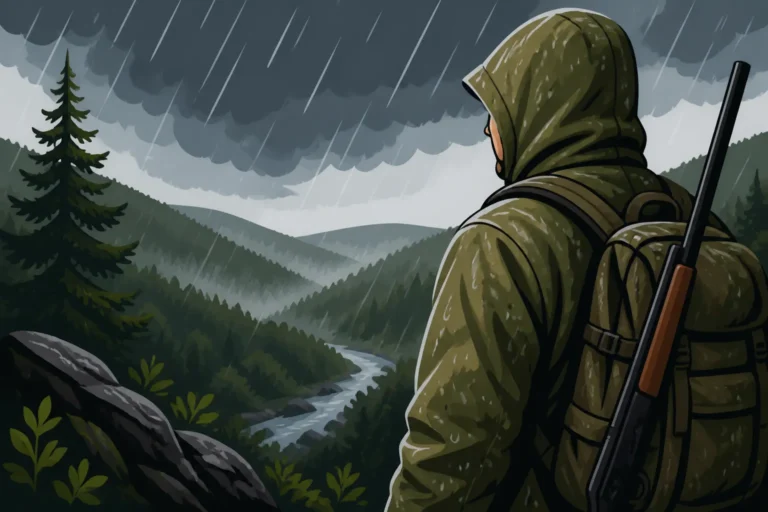
One minute you're sweating bullets climbing a ridge in October, the next a cold front sweeps through, bringing a sudden downpour or even early season snow. West Virginia weather is notoriously fickle. Your pack isn't just a container for your gear; it's a shield that protects your essentials from the elements. Picture this: you've been working hard all morning, glassing a powerline cut, and a heavy rain starts. If your extra layers, fire starter, or even your phone aren't protected, you're suddenly in a much more serious situation.
A pack that lacks adequate weather resistance or doesn't have an integrated rain cover leaves you vulnerable. You need quick access to rain gear, dry gloves, and warm layers to stay comfortable and safe. The ability to shed or add layers efficiently, storing the discarded items securely and protected within your pack, is paramount. This means thinking beyond just the main compartment and considering external pockets and attachment points that still keep things dry. Having a reliable system for managing your layers and protecting them from the elements is crucial for enduring those long, often unpredictable, days afield.
Key Features to Look for in a Day Pack
When you're sifting through the countless options out there, it can feel overwhelming. But for West Virginia public land hunting, certain features are non-negotiable. Think about how you actually hunt – are you still-hunting, sitting in a stand, or running and gunning for turkeys? Your pack needs to support that style.
Capacity and Organization
For a typical day hunt, you're generally looking for a pack in the 1500 to 2500 cubic inch range. This sweet spot allows you to carry all your essentials without being overly bulky or weighing you down. Too small, and you'll be strapping gear to the outside, which can get noisy and snagged. Too large, and you'll be tempted to overpack, leading to unnecessary weight and fatigue.
Consider the internal layout:
- Main Compartment: Is it large enough for your bulkier items like extra layers or a packed lunch?
- External Pockets: These are invaluable for quick access to frequently used items like a rangefinder, grunt tube, or snacks. Look for pockets on the hip belt for things you need without taking the pack off. A dedicated spot for a water bottle or hydration reservoir is also key.
- Compression Straps: These are crucial. They allow you to cinch down your load, preventing items from shifting and making noise. They can also be used to temporarily secure a jacket or even a small ground blind to the outside of your pack.
- Load Lifters: Straps that connect the top of your shoulder straps to the top of the pack body. These help pull the weight closer to your back, preventing sag and improving comfort, especially on steep climbs.
When you're planning your hunt, maybe using a mapping tool like those found on GoHunt to scout terrain and mark waypoints, think about where your essentials will go. Easy access to your phone or GPS, along with your license and tags, is a lifesaver when you're in a hurry.
Comfort and Fit for Long Hauls
This might be the most important aspect for a West Virginia day pack. A comfortable pack can make or break your hunt, especially when you're putting in miles and dealing with elevation.
- Padded Shoulder Straps: They should be thick, contoured, and wide enough to distribute weight without digging into your shoulders. Adjustable straps are a must to get the right fit.
- Hip Belt: A well-padded and rigid hip belt is essential. It transfers most of the pack's weight from your shoulders to your hips, which are much better equipped to carry a load. Look for one that sits comfortably over your iliac crest (hip bones) and can be tightened securely. Hip belt pockets are a fantastic bonus for items you want to grab on the fly.
- Adjustable Sternum Strap: This strap connects the shoulder straps across your chest. It helps pull the shoulder straps inward, preventing them from slipping off and improving overall load stability. It also prevents your shoulders from getting tired as quickly.
- Back Panel Ventilation: Look for packs with mesh or padded channels that allow air to circulate between your back and the pack. This helps reduce sweating and improves comfort on warmer days or during strenuous activity. Nobody likes a soaked back when the temperatures drop.
Trying on a pack, preferably with some weight in it, is the best way to assess comfort. Walk around the store, bend over, simulate climbing. Don't underestimate how much a good fit contributes to your endurance and enjoyment in the field. This is particularly vital when you are far from the truck and the sun is setting, knowing you still have a long walk back, potentially dragging a deer.
Durability and Weather Resistance
West Virginia's woods are not kind to flimsy gear. Laurel thickets, multiflora rose, and jagged rocks can tear through thin fabrics in a single outing. Your pack needs to be tough enough to withstand the abuse.
- Fabric: Look for durable materials like Cordura nylon or robust ripstop fabrics. Denier ratings give you an idea of fabric thickness – higher numbers generally mean more durability.
- Zippers: Zippers are often the first point of failure. YKK zippers are generally considered the gold standard for their strength and smooth operation. Look for large, easy-to-grab pulls, especially if you'll be wearing gloves.
- Stitching: Inspect the stitching. Double or triple stitching in high-stress areas like shoulder strap attachments and load-bearing points indicates a quality pack.
- Integrated Rain Cover: Many quality hunting packs come with an integrated rain cover that deploys quickly from a small pocket. This is a huge advantage over having to remember a separate cover. If your chosen pack doesn't have one, invest in a good aftermarket option. Even "water-resistant" fabrics will eventually wet out in a prolonged downpour, and you absolutely need to keep your gear dry when you're miles into the backcountry.
For ultimate protection, some hunters opt for dry bags or waterproof stuff sacks inside their pack for critical items like electronics, extra clothes, and fire starters. This redundancy can be a lifesaver. When you consider the likelihood of running into a sudden shower or hiking through damp undergrowth, having Rain Gear for a West Virginia Downpour for yourself and protection for your gear is paramount.
What to Pack for a Day Hunt (The Essentials)
Okay, you've got your awesome, well-fitting, durable pack. Now, what goes in it? This isn't just a list; it's about thinking through potential scenarios and ensuring you're prepared for whatever the West Virginia wilderness throws at you. Every item should have a purpose.
The Absolute Must-Haves
These are the items I never leave home without, no matter how short the hunt. They form the core of your survival and hunting capability for the day.
- Water: Dehydration is a real risk, especially when you're Hunting Ohio River Valley Bottomland or climbing mountains. A hydration reservoir (1.5-2 liters) is fantastic, allowing you to sip water continuously. Supplement with a bottle or two if you know you'll be out for a long time or it's unusually warm.
- Snacks: High-energy, easy-to-eat snacks like trail mix, energy bars, or jerky are crucial to maintain your focus and energy levels. Even if you plan for a short hunt, always pack more than you think you'll need.
- Headlamp: Even if you plan to be back before dark, things can go wrong. A headlamp with fresh batteries (and maybe spares!) is non-negotiable for navigating unfamiliar terrain in the dark, blood trailing, or field dressing.
- Navigation: A reliable GPS unit or a smartphone with a dedicated hunting app like
GoHuntloaded with offline maps is essential. Always carry a physical compass and a paper map of your hunting area as a backup, especially when Scouting West Virginia Public Land Before Season. Cell service is often nonexistent in deeper hollows. - Knife: A good fixed-blade knife is indispensable for field dressing, cutting rope, or general utility tasks.
- Fire Starter: Waterproof matches, a lighter, or a ferro rod. Even in damp conditions, the ability to start a small fire for warmth or signaling can be life-saving.
- First-Aid Kit: A compact kit with bandages, antiseptic wipes, pain relievers, blister treatment, and any personal medications. Accidents happen, and being able to address a minor cut or sprain can prevent a bad situation from getting worse.
- Rope/Cordage: About 20-30 feet of paracord can be used for a myriad of tasks, from hanging a game bag to making an emergency shelter.
- License and Tags: Always, always carry your physical hunting license and valid tags. Don't rely solely on your phone, as battery life can fail.
- Small Tool Kit: A multi-tool or small kit with an Allen wrench set (for treestand bolts or bow adjustments) can be incredibly handy.
Emergency and Safety Items
While the "must-haves" cover many emergencies, these items are specifically geared towards dire situations. You hope you never need them, but you'll be eternally grateful if you do.
- Whistle: Three short blasts is a universal distress signal. It carries much further than your voice, especially if you're injured or disoriented.
- Emergency Blanket (Mylar): Lightweight and compact, a Mylar blanket can provide crucial warmth if you're forced to spend an unexpected night in the woods or if temperatures drop drastically.
- Power Bank for Phone: While cell service is spotty, having a charged phone for emergencies or for checking a map when you find a signal is important.
- Signal Mirror: In open areas or near clearings, a signal mirror can attract attention from search and rescue aircraft.
- Personal Locator Beacon (PLB) or Satellite Messenger: For true backcountry adventurers, especially when Hunting Bears in the Cranberry Backcountry or venturing deep into the Monongahela, a PLB or satellite messenger offers a reliable way to call for help regardless of cell service. This is a bigger investment, but it provides ultimate peace of mind.
Remember, the goal isn't to carry a full survival kit for a month, but to have enough to get you through an unexpected night or until help arrives. Understanding how to use these items is just as important as having them.
Game Care and Retrieval Considerations
The best-case scenario on a hunt is punching your tag. But if you're successful, your day pack suddenly needs to accommodate some new demands. Thinking ahead about how you'll handle a harvested animal is crucial, especially on public land where long drags are common.
- Gloves: Latex or nitrile gloves are essential for hygiene during field dressing.
- Game Bags: Even for a day hunt, having a couple of lightweight game bags can protect your meat from flies and debris if you have to quarter an animal, especially if you're processing it in the field to make the pack-out easier. This is especially true if you are Field Dressing a Deer in Cold Weather or need to protect meat from a long haul.
- Extra Field Dressing Knife/Sharpener: A second, smaller knife dedicated to field dressing, or a compact sharpener, ensures you always have a keen edge.
- Small Saw: A lightweight folding saw can make quick work of a deer's pelvis or sternum, making field dressing much easier.
- Deer Drag/Cart: While not typically carried in a day pack, if you know you'll be Dragging a Deer Off a Steep Ridge or facing a long haul, consider how you’ll get it out. Some larger day packs can attach a small deer cart or have beefy compression straps for lashing parts of an animal to the exterior, especially if you plan to bone out the animal and use a frame pack for the actual retrieve. Always check state regulations on how game must be transported.
Your day pack might be for getting to the game, but its capacity and external lashing points are critical for getting the game back. Plan for success!
Optimizing Your Pack for Different West Virginia Hunts
A general "day pack" is a great start, but the beauty of hunting in West Virginia is its diversity. From early archery for deer to late-season small game, your pack contents will (and should) shift to match the season and species.
Early Season vs. Late Season Adjustments
The Mountain State experiences four distinct seasons, and what you need in September is very different from what you'll need in December.
-
Early Season (September-October): Think hydration, ventilation, and insect protection.
- More Water: Warmer temperatures mean you'll sweat more. Prioritize hydration.
- Lighter Layers: Pack breathable, moisture-wicking layers. A light jacket for cool mornings or evenings.
- Insect Repellent/Tick Key: Ticks are prevalent in West Virginia. Protect yourself.
- Snake Bite Kit: While rare, copperheads and rattlesnakes are present. Know the risks, especially when walking through heavy brush.
- Cooler Game Bags: If you're successful on an early archery hunt, the warm temperatures mean you'll need to process and cool your meat quickly. Have game bags designed to breathe and keep flies off.
-
Late Season (November-December): Focus on warmth, insulation, and high-calorie fuel.
- More Layers: Pack synthetic or wool base layers, a mid-layer fleece or puffy jacket, and a waterproof/windproof outer shell. Having extra dry layers is critical when temperatures hover around freezing, especially if you're employing a Cold-Weather Sitting Strategy in the Mountains.
- Hand Warmers/Foot Warmers: These little packets can make a huge difference in comfort on long, cold sits.
- High-Calorie Snacks: Your body burns more calories to stay warm. Pack dense foods like nuts, chocolate, and dried fruit.
- Thermos with Hot Beverage: Hot coffee, tea, or soup can be a morale booster and provide internal warmth.
- Extra Fire Starter: A small amount of waterproof tinder or a dedicated fire-starting kit can be even more crucial in freezing temperatures.
- Heavy Duty Game Bags: For late-season deer, the cold helps preserve meat, but durable bags are still essential for protection during the drag.
Deer, Turkey, and Small Game Specifics
Tailoring your pack to your target species ensures you have the right tools for the job without carrying unnecessary bulk.
-
Deer Hunting:
- Scent Control: A small spray bottle of scent killer or a container of scent-absorbing wafers.
- Rattling Antlers/Bag Call: If you're hunting during the rut, these can be deadly. Consider Rattling and Grunting in West Virginia to draw in a buck.
- Grunt Tube/Doe Bleat: Essential for communicating with deer.
- Rangefinder: Critical for accurate shot placement, especially with a bow.
- Binoculars: For glassing open areas or picking apart thick cover. Good optics are crucial whether you're Reading Aerial Photos for Eastern Panhandle Deer or spotting deer from a ridge.
- Treestand/Ground Blind Gear: If you're planning to hang a stand or deploy a ground blind, your pack needs to accommodate those items. Think about ropes, pull-up cords, and a safety harness when using Treestand Safety Gear for Steep Ground. If you're using a ground blind, ensure it folds down small enough to be lashed to your pack, as covered in Using a Ground Blind on West Virginia Public Land.
-
Turkey Hunting:
- Variety of Calls: Mouth calls, slate calls, box calls – practice with them all and carry what you're confident in.
- Decoys: Small, collapsible turkey decoys can be carried in or lashed to the outside of your pack.
- Seat Cushion/Pad: For those long waits against a tree. Many turkey vests have integrated seat pads, but a separate one can be useful if your pack is your primary carry system.
- Shotgun Shells: Enough for the day, maybe an extra box.
-
Small Game Hunting (Squirrels, Rabbits, Grouse):
- Smaller Caliber Ammo/Shotgun Shells: Depending on your weapon, bring appropriate ammunition.
- Game Pouch: Some packs have integrated game pouches, or you can attach a collapsible one.
- Dog Gear: If you're hunting with a dog, consider a water bowl, extra water for the dog, and maybe a small first-aid kit for canine companions. This is especially true for Grouse Hunting Allegheny Highlands Cover or Rabbit Hunting West Virginia Fencerows with hounds.
Remember, the goal is always to be prepared, but preparation shouldn't mean being weighed down by unnecessary gear. Each item in your pack should earn its spot.
Here's a quick checklist to help you get started:
| Category | Essential Items | Notes |
|---|---|---|
| Hydration | Water (reservoir/bottles), Water filter/purification tablets (for longer hunts) | Crucial for all hunts, especially strenuous ones. |
| Nourishment | High-energy snacks (bars, nuts, jerky), Packed lunch | Replenish calories to maintain focus and energy. |
| Navigation | GPS unit/Smartphone with offline maps (GoHunt), Compass, Paper map (waterproofed) |
Redundancy is key where cell service is unreliable. |
| Lighting | Headlamp with fresh batteries, Spare batteries | Essential for pre-dawn starts or unexpected dark returns. |
| First Aid | Compact first-aid kit, Personal medications, Tick key/tweezers | Address minor injuries, bites, or medical needs. |
| Fire | Waterproof matches/lighter, Fire starter (ferro rod, tinder) | Crucial for warmth, signaling, or boiling water in an emergency. |
| Tools | Hunting knife (fixed blade), Multi-tool, Small folding saw | Field dressing, cutting, repairs. |
| Layers | Extra base layer, Mid-layer (fleece/puffy), Rain gear (jacket/pants), Gloves, Hat | Adapt to West Virginia's unpredictable weather. |
| Safety/Emergency | Whistle, Emergency blanket, Power bank (for phone), Signal mirror, PLB/Satellite Messenger (optional) | For dire situations; helps you get found. |
| Hunting Specific | License/Tags, Rangefinder, Binoculars, Calls (deer/turkey), Ammo/Shells, Game bags, Hand warmers | Tailor to target species and season. |
By carefully considering these factors and adapting your pack to your specific hunting style and conditions, you'll be well-prepared for a successful and enjoyable day chasing game across West Virginia's incredible public lands. The right pack is more than just a bag; it's a vital piece of gear that supports your adventure from the first step to the last. For more tips on navigating public land, check out How Far to Walk From a Forest Road to find less pressured spots.
Disclaimer
This article is for general informational purposes only and does not constitute professional advice. Laws, prices and regulations vary by location and change over time. Consult a qualified professional for guidance on your specific situation.