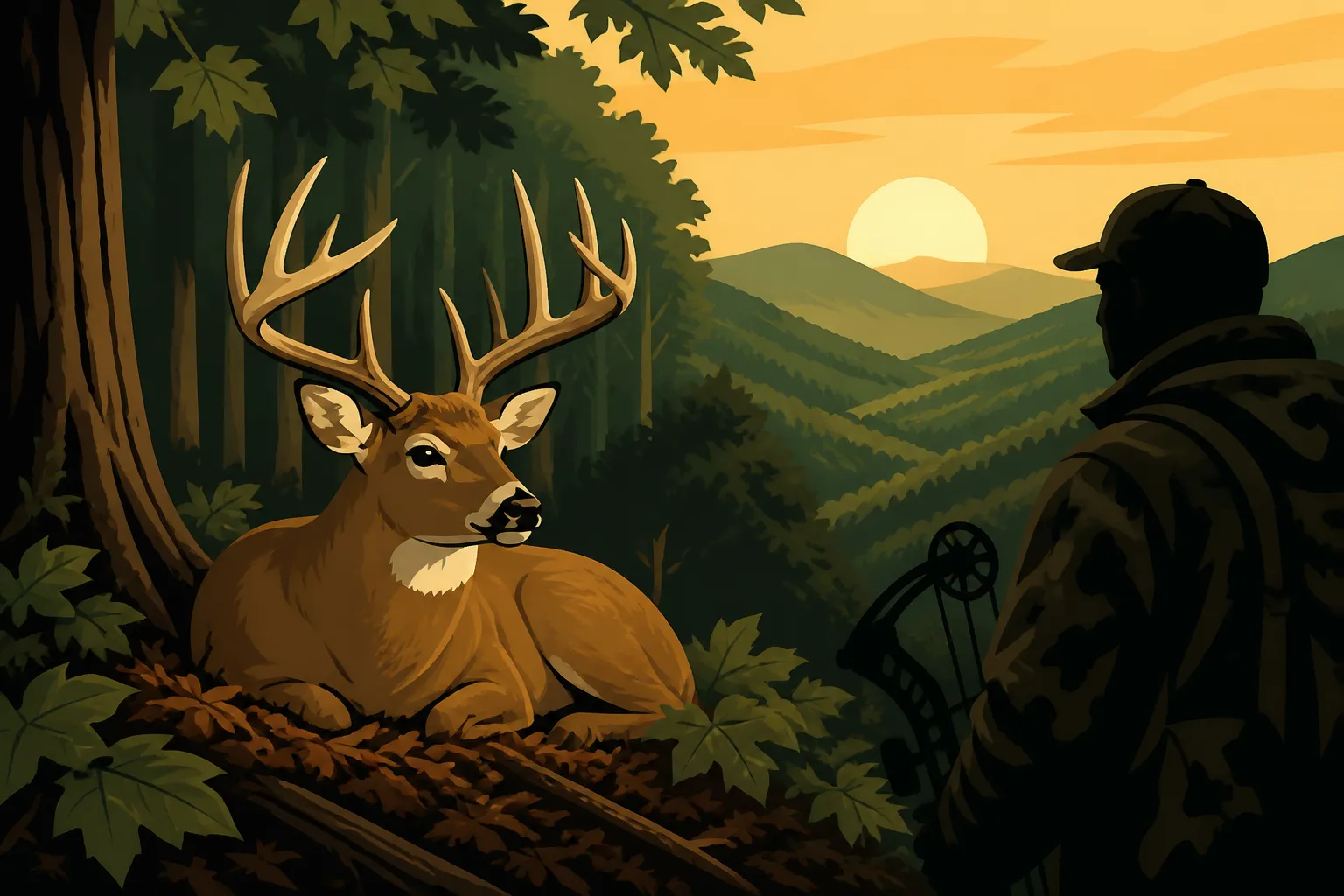
Where Monongahela Forest Bucks Bed
If you've ever found yourself wandering the vastness of the Monongahela National Forest, gazing up at those endless mountainsides, and feeling utterly overwhelmed by the sheer scale of it all, you're not alone. It's a common frustration for hunters trying to pinpoint where those elusive West Virginia bucks choose to bed down for the day. This guide is dedicated to breaking down the common patterns, habitat preferences, and environmental factors that influence where Monongahela bucks seek refuge, helping you unravel the mystery and get closer to your quarry.
Understanding the Monongahela's Unique Terrain and its Influence on Bedding
The Monongahela National Forest isn't just "woods" – it's a dynamic, rugged landscape that presents both challenges and opportunities for deer hunters. Its topography, from deep hollows to towering ridgelines, dictates everything from deer movement to their preferred bedding locations. Understanding this fundamental aspect is the first step to unlocking the forest's secrets.
Steepness and Thermal Hubs Dictate Deer Movement
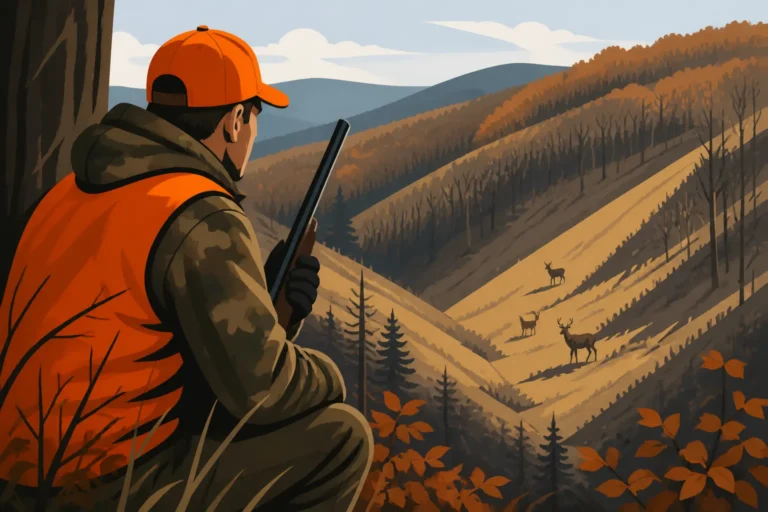
One of the most defining characteristics of the Monongahela is its incredible steepness. You’ll often find yourself climbing relentlessly or descending into deep, shadowed hollows. Bucks, especially mature ones, are masters of efficiency. They aren't going to expend unnecessary energy, so their bedding choices often reflect a desire for security combined with easy access to escape routes and food sources. They'll frequently bed on benches or small saddles just below the ridgetops, giving them a commanding view of the terrain below and allowing thermals to carry their scent up and away. When the mornings are cool, the thermals fall, pulling their scent downhill. As the sun rises and warms the land, the thermals reverse, lifting their scent upwards. A smart buck will bed in a spot that capitalizes on these rising thermals, keeping them safe from anything approaching from below. We often talk about how important it is to consider Wind and Thermals on a Steep Ridge when hunting, and it's equally crucial for understanding bedding.
Elevation and Vegetation Zones Create Varied Cover
The Monongahela spans a wide range of elevations, from about 900 feet to over 4,800 feet at Spruce Knob. This dramatic change in altitude creates distinct vegetation zones. Lower elevations might feature more mature hardwoods like oak and hickory, while higher elevations often transition into spruce and fir forests, mixed with dense rhododendron and mountain laurel thickets. Bucks will utilize these different zones based on the season, food availability, and pressure. For instance, in deep winter, those thick, evergreen stands at higher elevations offer crucial thermal cover. Meanwhile, during the early season, a buck might bed lower down, closer to a prime white oak flat dropping acorns. The sheer diversity of cover across the Monongahela National Forest Hunting area means a buck has plenty of options, making our job as hunters a real challenge.
Key Bedding Habitat Types Preferred by Monongahela Bucks
Identifying the types of cover bucks seek out is far more productive than just randomly walking. Within the Monongahela, certain habitat features consistently draw deer looking for a safe place to rest and chew their cud. Knowing these hotspots can drastically increase your odds of success.
Dense Laurel Thickets and Rhododendron Beds
When a Monongahela buck wants to disappear, he heads for the thickest cover available, and that often means the impenetrable stands of mountain laurel and rhododendron. These plants form a dense, tangled understory, often along steep hillsides, in hollows, or adjacent to mature timber. This cover offers exceptional concealment from both predators and hunters. A buck can lie down within these evergreen jungles and be virtually invisible just a few yards away. The interwoven branches make it incredibly difficult for anything larger than a rabbit to move through quietly, giving the buck an auditory advantage against approaching threats. Many times, you'll find these thickets near major ridge systems or points, providing both dense cover and a strategic vantage point. If you’re trying to pattern deer, these areas are crucial, but be warned: still-hunting through them is often a noisy, frustrating endeavor.
Regenerating Clear-Cuts and Timber Sales
While old-growth forests have their charm, for deer, actively managed timber stands and regenerating clear-cuts are goldmines. The Monongahela National Forest does engage in timber management, creating patches of young growth. These areas, typically 5-15 years post-cut, explode with new growth – saplings, briars, and various browse species. This isn't just food; it's instant security cover. The dense, interwoven saplings create a canopy that's difficult to see through, and even harder to walk through silently. Bucks will often bed just inside the thickest edges of these clear-cuts, especially on the leeward side of a ridge where they're protected from prevailing winds. The increased sunlight penetration after a timber harvest stimulates the growth of forbs and young woody plants, creating perfect bedding and browsing combos. When Scouting West Virginia Public Land Before Season, look for recent timber activity on satellite maps; it's a surefire way to find deer magnets.
Ridge-Top Saddles and Benches for Strategic Bedding
Mature bucks are notorious for their preference for high ground, or at least strategically elevated positions. In the Monongahela, this translates to ridge-top saddles and benches. A saddle is a low point between two higher peaks on a ridge, often acting as a natural travel corridor. Bucks will frequently bed on the leeward side of these saddles, or just off the main travel path, to watch for anything coming through. Benches are flatter sections that break up an otherwise steep incline. These small plateaus, even if only a few yards wide, offer a comfortable spot for a buck to lie down while still retaining the advantage of elevation. They provide a clear view down the hillside, and the buck can often feel comfortable enough to relax, knowing he has gravity and the lay of the land on his side for a quick escape. When you're trying to figure out Hunting a Ridge-Top Saddle for Rutting Bucks, remembering their bedding preferences around these features is key.
Heavy Cover Near Water Sources
Don't overlook the importance of water, especially during warmer parts of the season or if you're experiencing a dry spell. While West Virginia is generally well-watered, bucks appreciate bedding close to reliable water sources. This could be a small spring, a perennial stream in a hollow, or even a seep on a hillside. The critical factor is "heavy cover near water," not necessarily in it. A buck might bed in a thicket of hemlocks or a dense laurel patch just above a bubbling creek. This proximity allows them to quench their thirst without exposing themselves to wide-open areas or expending much energy. These spots are particularly active during the archery season when temperatures can still be quite warm, prompting deer to seek out cooler, wetter microclimates.
Seasonal Shifts and Weather's Influence on Monongahela Buck Bedding
Deer aren't static creatures; their behavior, including bedding, shifts dramatically with the seasons and the whims of Mother Nature. What works in September won't necessarily cut it in December.
Early Season and Acorn Influence
As the archery season kicks off in September and October, the Monongahela is often still quite green, and food sources are abundant. During this time, buck bedding is heavily influenced by the mast crop, particularly acorns. If you can find a good stand of white oaks or red oaks dropping nuts, you're likely to find deer nearby. Bucks will often bed on points or benches overlooking these prime feeding areas. They'll want to be close enough to feed frequently, but far enough away and in thick enough cover to feel secure during daylight hours. This means bedding might be a couple hundred yards up a steep ridge from the oak flat, or in a dense thicket bordering a hardwood bottom. The goal is to maximize feeding efficiency while minimizing exposure. Identifying these early-season food sources is paramount for success, as highlighted in guides like Hunting After a Poor Acorn Year.
The Rut and Breeding Beds
Ah, the rut! Mid-November brings a frenzy of activity to the Monongahela. During this period, buck bedding can become a bit more unpredictable, driven largely by their pursuit of does. However, certain patterns still emerge. Bucks might bed near known doe bedding areas, often in thick cover where they can scent-check for receptive females without being fully exposed. They might also make "breeding beds" – temporary, shallow beds made in areas where they've pushed a doe or are waiting for one. These aren't always in the thickest cover but are chosen for their strategic advantage in checking wind and sightlines. Additionally, big bucks will often return to their core secure bedding areas in between breeding excursions, especially if they've been pushed hard. Understanding Hunting the Rut in Mid-November means knowing that while bucks are on the move, they still need safe havens.
Late Season and Thermal Cover
When the brutal cold of late November and December descends upon the Monongahela, a buck's priorities shift dramatically towards energy conservation and thermal regulation. Food sources become scarcer, and maintaining body heat is critical. This is when you'll find bucks gravitating towards the densest thermal cover available. Think thick stands of hemlock, spruce, or even dense clusters of mountain laurel on south-facing slopes. South-facing slopes catch more sunlight, offering a slight warmth advantage. Bucks will bed where they can be protected from the harsh winds and soak up whatever solar radiation they can get. Often, these late-season bedding areas will be very close to whatever limited food sources are still available, such as green briar, leftover mast, or browse. Hunting these conditions requires a solid Cold-Weather Sitting Strategy in the Mountains and an understanding of where deer are hunkering down.
Scouting Strategies to Pinpoint Bedding Areas
Finding where Monongahela bucks bed requires a combination of pre-season e-scouting, in-season sign reading, and understanding deer behavior. It's a continuous learning process, but these strategies will give you a significant advantage.
Reading Sign and Interpreting Deer Behavior
The forest floor is a giant bulletin board if you know how to read it. When you're in the woods, look for more than just tracks. While fresh tracks leading into a thicket are a good start, combine that with other clues. Look for rub lines leading from a potential bedding area towards a feeding area. These aren't just random; bucks often create rubs along their travel corridors, including paths from their beds. Scrapes, especially large ones, can also indicate active buck movement near secure cover. Most importantly, look for "day beds" – indentations in the leaves or snow where a deer has recently laid. The presence of droppings and urine in or around a bed tells you it's a frequently used spot. If you find a series of these, you're likely on the right track. This detailed understanding of the landscape helps when Finding Sign in Big Monongahela Timber.
Using Mapping Tools and Aerial Imagery for E-Scouting
Before you even set foot in the woods, spend some serious time with digital mapping tools. Platforms like GoHunt offer invaluable aerial imagery and topographic maps that can reveal potential bedding areas from the comfort of your home. Look for those dark green patches indicating dense conifer stands or laurel thickets. Identify benches, saddles, and subtle terrain breaks along steep slopes. Trace creek bottoms and note where they intersect with heavy cover. These tools allow you to cover vast amounts of ground virtually, helping you narrow down your physical scouting efforts. Pay close attention to subtle changes in elevation that might indicate a bench or point where a buck could gain a vantage. It’s a fantastic way to prioritize your efforts and avoid wasting precious time and energy in unproductive areas.
Ground Truthing and Confirming Bedding Locations
E-scouting is fantastic, but it's only half the battle. You absolutely have to put boots on the ground to confirm your theories. Once you've identified potential bedding areas on your map, plan a scouting trip. Do this during the off-season or midday during hunting season when deer are typically bedded down and less likely to be disturbed. Approach these areas carefully, paying attention to wind direction and making as little noise as possible. You're looking for those fresh tracks, droppings, and actual beds. Table 1 below outlines common features to look for in potential bedding areas. Don't be afraid to poke around dense cover; sometimes the best way to know if a buck is bedding there is to actually bump him out. Just try to do it strategically, when it won't ruin a hunt. Understanding the exact contours and vegetation on the ground is different from what you see on a map, and it's essential for figuring out Where Monongahela Forest Bucks Bed.
Table 1: Characteristics of Prime Monongahela Buck Bedding Areas
| Characteristic | Description | Why Bucks Choose It | Scouting Indicators |
|---|---|---|---|
| Dense Thermal Cover | Thick stands of evergreens (hemlock, spruce), mountain laurel, rhododendron. | Protection from cold winds, snow, and rain; maintains body heat. | Dark green patches on aerial maps; dense, tangled undergrowth; visible game trails |
| Elevation Advantage | Ridge-top saddles, benches, points, steep side-hills. | Clear view of approaching threats; utilizes rising/falling thermals for scent detection. | Terrain breaks on topo maps; subtle flat spots; prominent points |
| Proximity to Food | Close to mast crops (oaks), regenerating clear-cuts, browse. | Minimizes energy expenditure between bedding and feeding; quick access to nutrition. | Oak stands, clear-cuts, browse sign (nipped twigs); fresh tracks leading out |
| Escape Routes | Easy access to steep drops, thickets, or terrain features that allow for quick, undetected departure. | Provides a quick exit when threatened; uses terrain to disadvantage predators/hunters. | Steep terrain directly below bed; thick cover leading away; multiple escape paths |
| Low Pressure Zones | Areas difficult for humans to access, often deep in the backcountry, off main trails. | Avoids human disturbance, increases sense of security. | Far from roads/trails on maps; dense, difficult terrain |
Disclaimer
Hunting is an inherently dangerous activity. Always prioritize safety, understand and follow all West Virginia hunting regulations, and respect private property. The information provided here is for educational purposes and should not replace proper training, experience, or professional guidance. Be aware of your surroundings, hunt with a partner if possible, and always let someone know your hunting plans.