West Virginia Archery and Crossbow Season Dates
Trying to keep track of West Virginia's deer hunting seasons can feel like deciphering an ancient scroll, especially when you're trying to nail down the exact dates for archery and crossbow hunting. It's a common frustration, juggling opening days, closing days, special zones, and understanding how crossbow rules fit into it all. This comprehensive guide is here to untangle the confusion, giving you a clear, detailed breakdown of West Virginia's archery and crossbow season dates so you can plan your hunts with confidence.
Understanding the Statewide Archery and Crossbow Season
For many of us, the start of archery season in West Virginia is like a second spring – a promise of crisp mornings, the rustle of leaves, and the chance to chase whitetails before the boom of rifle season arrives. But getting those exact dates locked in is crucial, and it’s not always as straightforward as it seems. West Virginia has a statewide archery and crossbow season that, for the most part, offers a wonderfully long window of opportunity, but knowing the specific parameters is key to making the most of it.
General Opening and Closing Dates
Typically, the statewide archery and crossbow season for deer in West Virginia kicks off on the last Saturday of September. That's a day many of us mark on our calendars with anticipation, as it ushers in the earliest opportunity to pursue deer in the mountains. This extended season runs all the way through the end of the calendar year, usually closing on December 31st. Imagine that – over three months of bowhunting! This incredibly generous timeframe allows hunters to experience everything from the early season's mild temperatures and abundant food sources to the intense rutting activity of November, and even the challenging but rewarding late-season hunts in December. It really gives you a chance to spread out your efforts and adapt to changing deer patterns throughout the fall. It's important to remember that while the general dates are consistent year-to-year, it's always smart to double-check the official West Virginia DNR hunting regulations for any minor adjustments or special announcements. A quick check on the GoHunt app or website before you head out can save a lot of headaches. For a deeper dive into the full timeline, check out our guide on how West Virginia's Season Runs Archery to December.
Overlapping Seasons and Key Considerations
While the archery and crossbow season enjoys a long run, it doesn't exist in a vacuum. It overlaps with several other significant deer hunting seasons, which means hunters need to be extra vigilant and aware of specific regulations. Most notably, the statewide buck gun season typically opens in mid-November, and the muzzleloader season follows shortly after, usually in December. This overlap is precisely where careful planning and adherence to safety rules become paramount. During the buck gun and muzzleloader seasons, all hunters, including archers and crossbow hunters, are generally required to wear at least 400 square inches of blaze orange or blaze pink on their outer clothing. This is not just a suggestion; it's a critical safety measure that protects everyone in the woods. It's also vital to understand the bag limits and reporting requirements. For instance, you can typically harvest up to two antlered deer during the entire deer season, but only one of those can be taken during the first segment of the buck gun season. Antlerless deer opportunities vary greatly by county and specific season segments, so always consult the WVDNR map and regulations. Knowing these nuances, especially when you're planning a hunt during the peak of the rut, can be the difference between a successful outing and a frustrated one.
Special Regulations for Archery-Only Counties
West Virginia is a state of diverse landscapes and, consequently, diverse hunting regulations. One of the most significant distinctions for deer hunters is the presence of several "archery-only" counties in the southern part of the state. If you primarily hunt with a rifle or muzzleloader, this might not impact you directly, but for bowhunters, these areas offer a unique opportunity and require specific knowledge. It's easy to overlook these distinctions if you're used to hunting in counties where all weapon types are permitted, but doing so could lead to a violation.
Identifying the Archery-Only Zones
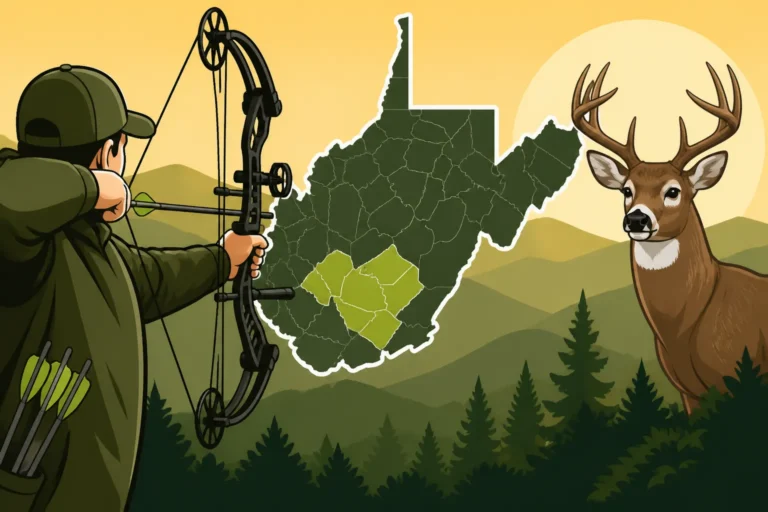
Currently, there are four counties in West Virginia designated as archery-only for deer hunting: Logan, McDowell, Mingo, and Wyoming. This means that throughout the entire deer season in these specific counties, only archery equipment (bows and crossbows) is permitted for harvesting deer. There are no traditional buck gun or muzzleloader seasons in these areas. This creates a vastly different hunting pressure dynamic compared to the rest of the state. These counties were designated this way primarily due to historical factors and local preferences, aiming to provide a different hunting experience. For hunters looking for a prolonged, less pressured bowhunting environment, these counties can be a fantastic option. However, it's absolutely critical to confirm the specific rules before planning a trip, as regulations can sometimes be adjusted. Our detailed guide on West Virginia's Archery-Only Southern Counties offers even more insight into these unique areas. It's a good practice to use a reliable mapping application like GoHunt, which often updates with regulation changes, or to consult the WVDNR website directly.
Strategies for Hunting in Restricted Areas
Hunting in archery-only counties requires a slightly different approach than hunting in areas that see heavy rifle pressure. Without the widespread disturbance of firearms, deer patterns might be more consistent, and they might be less wary of human presence in general. This doesn't mean it's easy, but it changes the game. Here are a few strategies to consider:
- Patience is key: Deer in archery-only zones may not be as prone to "going nocturnal" or becoming extremely jumpy right after opening day. This allows for more relaxed scouting and hunting.
- Focus on natural funnels: Since deer aren't constantly being pushed by drives, focusing on natural travel corridors like saddles, pinch points between ridges, or creek bottoms can be highly effective. Understanding Hunting a Funnel Between Two Hollows can be particularly useful here.
- Extended rut activity: While the rut is always a high-energy time, the lack of rifle pressure might allow for more visible daytime rutting activity, extending opportunities to intercept bucks. Learn more about Hunting the West Virginia Rut in November to time your hunts right.
- Utilize varied terrain: These counties often feature rugged, mountainous terrain. Don't be afraid to get off the beaten path and explore remote hollows and benches where deer might feel most secure.
- Quiet approach: Emphasize stealth, scent control, and a quiet entry and exit, just as you would in any archery hunt. The deer may be less pressured by noise, but they are still keen-sensed animals.
Given the unique nature of these hunts, tools like GoHunt can be invaluable for pinpointing property lines and identifying potential public land access points within these counties, ensuring you're always hunting legally and ethically.
Crossbow Specific Rules and Their Impact
The inclusion of crossbows in West Virginia's general archery season has been a game-changer for many hunters. What was once a specialized weapon for those with specific physical limitations is now a widely accepted and popular choice, offering a different set of advantages and challenges. However, the rules surrounding crossbow use aren't identical to traditional vertical bows, and understanding these distinctions is important for compliance and effective hunting.
Crossbow Legality and Permit Requirements
For many years, crossbows in West Virginia were primarily restricted to hunters with documented physical disabilities, often requiring a special permit. However, the landscape has shifted significantly. Now, crossbows are fully legal for anyone to use during the statewide archery season, without the need for a separate permit or disability exemption. This change has opened up bowhunting to a broader demographic, including new hunters, those with less upper body strength, or individuals simply looking for a different hunting experience. It's a common misconception that you still need a special permit, so it's worth clarifying that if you possess a valid West Virginia hunting license with the appropriate stamps, you are good to go during the archery season. However, just like with traditional bows, certain areas or special hunts might have specific rules, so always cross-reference with the latest WVDNR regulations. Our dedicated article on Crossbow Rules During West Virginia Archery Season offers more specifics on equipment requirements and any subtle nuances.
Advantages and Disadvantages of Crossbow Use
Choosing between a traditional bow and a crossbow often comes down to personal preference and hunting style. Both have their merits in the rugged West Virginia terrain.
Advantages of Crossbows:
- Ease of Use: Crossbows are generally easier to learn and master than compound or recurve bows, making them appealing to new hunters or those with limited practice time. The scope and trigger mechanism are more akin to a firearm, which can be a familiar transition for some.
- Accuracy: Many hunters find crossbows inherently more accurate, especially at longer ranges, due to their stability and mechanical precision. This can boost confidence in shot placement.
- Holding at Full Draw: Unlike a traditional bow that requires constant muscular effort to hold at full draw, a crossbow remains cocked, allowing a hunter to wait for the perfect shot opportunity without fatigue. This is particularly beneficial on long sits in a treestand, especially if you're using a technique like Treestand Setups in Monongahela National Forest.
- Shorter Learning Curve: For hunters transitioning from firearm hunting, the mechanics of a crossbow often feel more natural and require less intensive training than a vertical bow.
Disadvantages of Crossbows:
- Bulk and Weight: Crossbows are often heavier and bulkier than traditional bows, which can be a hindrance when navigating thick laurel thickets, steep hollows, or tight treestand setups.
- Recocking Time: After a shot, recocking a crossbow can be a slow and sometimes noisy process, making quick follow-up shots difficult or impossible.
- Limited Shot Angle: Due to their width, crossbows can be more restrictive in tight cover, potentially limiting shot angles compared to a vertical bow.
- Perceived "Challenge": Some traditional bowhunters feel that crossbows diminish the challenge of archery hunting, a sentiment that sometimes leads to friendly (or not-so-friendly) debates in deer camp.
Ultimately, the best choice is the one that allows you to hunt safely, ethically, and effectively within the rules. What matters most is proficiency with your chosen weapon, regardless of its design.
Key Dates and Planning for Success
Hunting the West Virginia archery and crossbow season isn't just about showing up on opening day. It's a marathon, not a sprint, and understanding the ebbs and flows of deer behavior throughout the long season can dramatically increase your success. Different phases of the season offer unique opportunities and require distinct strategies, especially when considering the statewide closing date of December 31st.
Mid-Season Lulls and Peak Rut Periods
After the initial rush of opening day and the first couple of weeks, many hunters experience what's often called the "October lull." This period, typically mid-to-late October, can feel slow as deer switch from summer feeding patterns to pre-rut activity, and mature bucks become increasingly nocturnal or reclusive. Don't get discouraged during this time! It's actually a fantastic opportunity for detailed scouting, checking trail cameras, and identifying new food sources as acorns drop and other mast becomes available. This is when a good mapping tool like GoHunt can help you find overlooked pockets of timber or subtle changes in terrain that deer might be utilizing.
Then comes November – the magic month in West Virginia. This is the peak rut, when bucks are actively seeking does, often throwing caution to the wind. The general statewide archery and crossbow season offers an incredible advantage here, as you can be in the woods during the absolute hottest part of the rut.
You’ll want to be out there, focusing on traditional rut sign like scrapes, rubs, and active travel corridors. This is prime time for calling strategies, like rattling and grunting, to try and bring a buck in close. Our article Rattling and Grunting in West Virginia has some great tips for this exciting period. Remember, even during the rut, weather plays a huge role; a cold front can ignite deer movement, while warm spells might slow things down.
Late Season Opportunities and Challenges
As December rolls around, the archery and crossbow season extends well beyond the gun and muzzleloader seasons, offering unique late-season opportunities right up until the close on December 31st. This period can be challenging but incredibly rewarding. Deer, especially bucks, are often depleted from the rut and are primarily focused on finding reliable food sources to rebuild their energy reserves for winter.
- Food is King: Forget about the rut; focus intensely on any remaining green browse, standing grain fields on agricultural edges (if hunting private land), or unpressured pockets of acorns that may still be present. Deer will travel significant distances for calories. Learn more about Late-Season Food Sources for West Virginia Whitetails to zero in on these areas.
- Thermal Cover: As temperatures drop, deer will seek out dense thermal cover, particularly on south-facing slopes that catch the most sunlight. Conifer stands or thick laurel patches can hold deer during the coldest parts of the day.
- Unpressured Areas: Many hunters pack it in after gun season, meaning the late archery season can offer less crowded woods, even on public land. Don't be afraid to hike a little further or explore areas that might have seemed too daunting earlier in the year. Hunting into the Hunting the Late-Season December Lull means you might have the woods almost to yourself.
- Weather Conditions: Fresh snow can be your best friend in the late season, revealing fresh tracks and making deer easier to spot against the white backdrop. Cold, clear days often result in increased daytime feeding activity.
This final push requires resilience, warm clothing, and a keen eye for deer sign related to food and cover. It’s a grind, but those late-season archery bucks are hard-earned trophies.
Navigating Youth and Special Archery Hunts
Beyond the general statewide archery and crossbow season, West Virginia occasionally offers specific windows or rules for youth hunters, providing invaluable opportunities for the next generation to experience the outdoors. Understanding these nuances is crucial for both young hunters and their mentors. These special hunts are designed to foster interest in hunting, build skills, and provide a safer, less pressured environment for kids to learn.
Youth Deer Weekend Rules for Archery
West Virginia typically hosts a special Youth Deer Weekend, usually in late October or early November, designed specifically for junior hunters aged 8-17. While this weekend is generally associated with firearms (rifles, shotguns, muzzleloaders), archery and crossbow equipment are also permissible during this special two-day event. This means a young hunter with a valid license and appropriate stamps can hunt deer with a crossbow or traditional bow during this designated weekend, often before the main gun season begins.
- Mentorship is Mandatory: During the Youth Deer Weekend, all eligible youth hunters must be accompanied by a licensed, unarmed adult mentor aged 18 or older. The mentor isn't allowed to carry a weapon but is there to supervise, guide, and ensure safety. This is a fantastic time for parents, grandparents, or other experienced hunters to pass on their knowledge and passion. The rules around West Virginia Mentored Youth Hunting Rules are worth reviewing in detail.
- Bag Limits and Antlerless Opportunities: The bag limit for the Youth Deer Weekend is typically one deer, which can be either antlered or antlerless, depending on the county's specific antlerless regulations for that period. This offers flexibility and a higher chance of success for young hunters.
- Focus on Education: Beyond the hunt itself, this weekend is an opportunity to teach vital lessons about ethics, wildlife identification, shot placement, and game recovery. Many experienced hunters find these mentored hunts to be among the most rewarding experiences of their hunting career.
Always check the current year's WVDNR regulations for the exact dates and rules for the West Virginia Youth Deer Weekend, as they can occasionally shift.
Other Potential Special Archery Hunt Opportunities
While the statewide season and archery-only counties cover the vast majority of bowhunting in West Virginia, hunters should always be on the lookout for other potential, albeit less common, special archery hunt opportunities. These can include:
- Managed Hunts on Specific WMAs or State Parks: Occasionally, certain Wildlife Management Areas (WMAs) or State Parks may offer special quota hunts, sometimes exclusively for archery equipment, to manage local deer populations. These hunts often require an application and a draw process. These are not common, but can offer unique, less pressured hunting if you secure a spot.
- Suburban Archery Zones: Some municipalities near larger population centers in West Virginia have established urban or suburban archery-only deer management programs to control deer populations in areas where traditional firearm hunting is impractical or unsafe. These zones often have very specific boundaries, dates, and permit requirements, and are strictly controlled. They are highly localized and not part of the general statewide regulations. You might find information on these through local city or county government websites, or by checking the WVDNR's supplemental regulations.
- Landowner Deer Damage Permits: While not a general hunting opportunity, landowners experiencing significant agricultural damage from deer can sometimes obtain special permits that may allow for additional antlerless deer harvests outside of general seasons, sometimes with specific weapon restrictions including archery. These are very specific to individual properties and require direct application and approval from the WVDNR.
The key to uncovering these lesser-known opportunities is staying informed. Regularly checking the West Virginia DNR website, local news, and community hunting forums can alert you to any special permits or hunts that might align with your archery goals. A comprehensive resource like GoHunt can also help consolidate regulatory updates, making it easier to stay current on all available West Virginia hunting options.
| Season Type | Start Date (Approx.) | End Date (Approx.) | Weapon Type | Special Notes |
|---|---|---|---|---|
| Statewide Archery & Crossbow | Last Saturday of September | December 31st | Archery & Crossbow | Statewide; overlaps with gun/muzzleloader seasons (blaze orange required). |
| Archery-Only Counties | Last Saturday of September | December 31st | Archery & Crossbow | Logan, McDowell, Mingo, Wyoming Counties; no firearm deer seasons. |
| Youth Deer Weekend | Late October/Early November | (2 days) | All legal weapons | Youth 8-17 w/unarmed adult mentor; check specific dates annually. |
Disclaimer
Please remember that hunting regulations, including season dates, bag limits, and specific county rules, can change. While this guide aims to provide accurate and up-to-date information, it is always your responsibility to consult the official West Virginia Division of Natural Resources (WVDNR) hunting regulations for the current year before you head into the field. This guide is for informational purposes only and should not be considered a substitute for the official regulatory documents.