West Virginia Bear Hound Training Rules
The thrilling chase of hounds on a bear's trail is a deeply ingrained tradition for many West Virginia hunters, but navigating the specific rules for training these incredible animals can feel like a dense thicket. Many folks get confused about when and where they can legally train their bear hounds, often fearing they might inadvertently break a regulation. This comprehensive guide aims to untangle those complexities, providing clarity on the specific bear hound training rules in West Virginia, ensuring you and your dogs can prepare responsibly and legally for the season.
Legal Framework and Designated Training Periods for Bear Hounds
West Virginia, with its abundant black bear population and strong hunting heritage, understands the importance of canine companions in bear hunting. However, the state also carefully regulates when and how these dogs can be trained to minimize disturbance to wildlife and other land users. It's not a free-for-all; there are distinct windows of opportunity and strict guidelines that every hound handler must understand and adhere to. Ignoring these could lead to serious repercussions, not just for you, but for the future of hound hunting in the state.
Specific Seasons for Training Your Bear Hounds
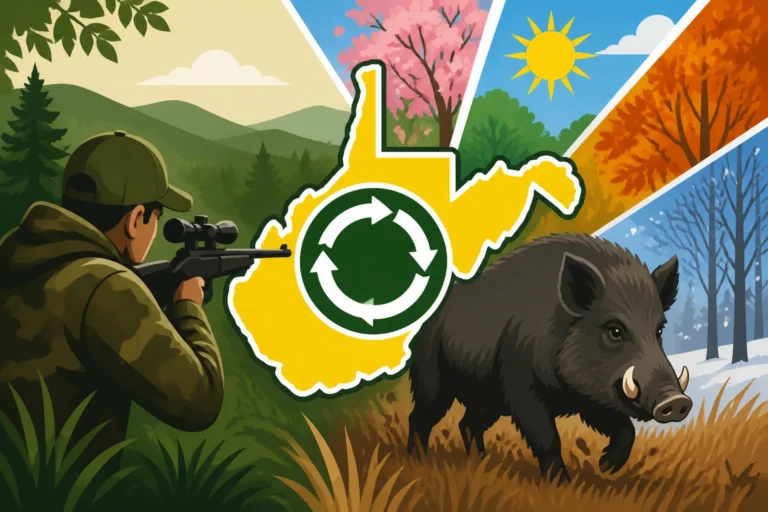
Unlike some other game species, bear hound training in West Virginia typically has designated, state-mandated seasons. These periods are set by the West Virginia Division of Natural Resources (WVDNR) to allow for effective training while respecting crucial biological cycles for bears, like denning and cub-rearing, and to avoid conflicts with other hunting seasons. You can't just take your hounds out any time of year and expect to be within the law. Generally, there are two primary periods for training: a spring/summer window and a fall window leading up to the actual bear hunting season. For instance, the WVDNR often designates specific months, such as June through August, and then a shorter period in the fall, like September or October, strictly for chasing bears with dogs without the intent to harvest. Always double-check the current year's hunting regulations booklet or the official WVDNR website, as these dates can sometimes shift slightly from year to year. Knowing these precise dates is your first and most critical step.
General Regulations Applicable to All Dog Training
Beyond the bear-specific training seasons, there are overarching rules that apply whenever you're out with your dogs on public or private land. First and foremost, you must possess a valid West Virginia hunting license and any required stamps, even if you’re not intending to harvest a bear. This ensures that you are a legal participant in hunting-related activities. Secondly, while training, it is absolutely forbidden to intentionally kill, injure, or take a bear outside of the legal hunting season. The purpose of these training periods is solely to condition your dogs and allow them to gain experience tracking and baying, not to harvest game prematurely. Any incidental harm to a bear can result in severe penalties. Additionally, remember that disturbing or harassing bears in their dens or with cubs is strictly prohibited at all times. Being a responsible hound handler means not only following the letter of the law but also understanding the spirit behind it: conservation and ethical interaction with wildlife.
| Training Activity | Legal Period (Typical) | Restrictions |
|---|---|---|
| Bear Hound Training (Summer) | June 1 – August 31 | No harvesting, harassing dens or cubs. Must possess valid hunting license. |
| Bear Hound Training (Fall) | September 1 – October 31 (approx.) | No harvesting, harassing dens or cubs. Must possess valid hunting license. |
| Other Furbearer Training | Year-round (specific species) | No harvesting outside of open season. Species-specific rules apply. |
| Hunting (with hounds) | Legal Bear Season Dates | All hunting regulations apply, including tags, bag limits, and weapon rules. |
Note: Always consult the current West Virginia Hunting & Trapping Regulations booklet for precise dates and any updates.
Specific Rules and Restrictions for Bear Hound Training
Once you're aware of when you can train, the next layer of complexity involves how and where. West Virginia's terrain is diverse, from rugged mountains to dense hollows, and the rules reflect the need for safety, respect for private property, and minimizing conflict with other outdoor enthusiasts. It’s not just about what you can do; it’s about what you absolutely cannot do, and being prepared for the unexpected.
Equipment and Methods Allowed During Training
When you're out training your bear hounds, certain tools are not only permitted but often essential for safety and ethical practice. GPS collars, like those offered by Garmin or SportDOG, are indispensable for tracking your dogs across vast tracts of land, especially in dense West Virginia cover. These allow you to monitor their location, speed, and even communicate with them in some cases. Bells on collars are also common, providing an audible cue to both the handler and other woods users that dogs are in the area. However, the use of certain technologies is restricted. For instance, while you can use your phone for mapping or to keep track of regulations with apps like GoHunt, you cannot use electronic devices to actively locate or pursue bears for the purpose of taking them during training season. The intent is to let the dogs follow natural scent, not to use technology to unfairly advantage the handler in locating the bear. Remember, the goal is training, not an out-of-season hunt.
Private Land Versus Public Land Considerations
This is a big one. West Virginia boasts a lot of public hunting land, from expansive areas within the Monongahela National Forest to numerous Wildlife Management Areas (WMAs). Many hunters enjoy the freedom of using these lands. If you plan on Scouting West Virginia Public Land Before Season for potential bear sign, it’s a good idea to know the lay of the land. For WMAs, some might have specific rules about dog training or even require you to follow a West Virginia WMA Access Sign-In Process. Always check the individual WMA regulations before heading out.
However, the vast majority of West Virginia is private land, and this is where many issues arise. Without explicit permission from the landowner, you cannot train your hounds on private property. This applies even if your dogs simply cross onto private land during a chase. West Virginia has strict West Virginia Trespass and Permission Law that dictates hunters must have written permission to hunt on private land. While training isn't "hunting," the principle of property rights still holds. Many landowners are hesitant to grant permission for hound training due to concerns about property damage, livestock disturbance, or simply not wanting dogs on their land. Always seek permission beforehand, and always respect a landowner's decision, whether it's a "yes" or a "no." Using mapping apps from companies like GoHunt can be incredibly helpful for identifying property boundaries and avoiding accidental trespass.
Prohibited Activities While Training
Just as important as knowing what you can do is understanding what you cannot do. During training, it is illegal to kill, capture, or harm any bear. This includes situations where a bear might be treed or cornered by your dogs. Your role as a handler is to call off your dogs and ensure the bear can escape unharmed. You also cannot carry a firearm or bow with the intent to take a bear during the training season. While you might carry a sidearm for personal protection or to dispatch a dog if absolutely necessary, it cannot be used on a bear. Another crucial prohibition involves interfering with other legal hunting activities. If your training overlaps with West Virginia's Liberal Bear Season Rules or other open seasons, you must ensure your activities do not disrupt other hunters. This is where West Virginia Blaze Orange Requirements come into play—even when just training, wearing blaze orange or blaze pink is a wise and often legally mandated safety measure, especially if other gun seasons are open. Avoid training in areas where you know other hunters are active, to prevent conflict and promote a positive image for all hunters.
Best Practices and Ethical Considerations for Hound Handlers
Being a responsible bear hound handler goes far beyond just following the legal minimums. It's about upholding the integrity of the sport, ensuring the well-being of your dogs, and fostering positive relationships with landowners and other outdoor enthusiasts. The actions of one handler can, unfortunately, reflect on the entire hound hunting community, so it's vital to lead by example.
Respecting Wildlife and Other Land Users
When you're out training, remember that you're sharing the woods. This means being mindful of other wildlife beyond just bears. Avoid areas known for sensitive nesting sites or where you might disturb other game species during critical times. If you encounter hikers, bird watchers, or other outdoor recreationists, be courteous, control your dogs as much as possible, and educate them on what you're doing if they have questions. A friendly conversation can go a long way in dispelling misconceptions about hound hunting. Always pack out everything you pack in, and if you're using a vehicle on forest roads, adhere to all posted speed limits and restrictions. Excessive noise or off-road driving can quickly sour public opinion and lead to stricter regulations for everyone.
Hound Care and Safety in the Field
Your dogs are your partners, and their safety should be paramount. Training bears in West Virginia's rugged terrain can be grueling. Ensure your dogs are in peak physical condition before hitting the woods. Always carry plenty of water, especially during warmer summer training sessions. Invest in good quality GPS collars – reliable technology is not just convenient, it's a safety net in vast, unforgiving landscapes. Consider carrying a basic first-aid kit specifically for your dogs, including items for cuts, paw injuries, and snakebites. When running hounds, you're responsible for their actions. If a dog gets injured or lost, you're the one who needs to recover and care for them. Many experienced handlers utilize tools from GoHunt to plan routes and mark potential hazards, ensuring their dogs stay within safer areas. Preparing for scenarios like a dog going out of cell service or getting caught in a remote area is part of responsible hound handling.
Community Relations and Responsible Stewardship
The perception of hound hunting, like all hunting, is heavily influenced by how its practitioners conduct themselves. Building good community relations means being a responsible steward of the land and a respectful neighbor. If you're fortunate enough to have Getting Private Land Permission in West Virginia, cherish that relationship. Offer to help with chores, share some game meat, or simply check in with the landowner occasionally. If your dogs inadvertently tree a bear near a homeowner's property, respond quickly and professionally to resolve the situation, ensuring the bear can retreat without causing further disturbance. Actively participate in conservation efforts; a portion of your West Virginia Hunting Licenses and What They Cost goes directly to wildlife management. Demonstrating a commitment to wildlife conservation and ethical behavior goes a long way in ensuring the future of bear hound hunting in West Virginia.
Consequences of Non-Compliance with Training Regulations
It's easy to think, "What's the harm in a little bit of extra training?" or "No one will know." But the WVDNR takes wildlife regulations seriously, and ignorance of the law is rarely an excuse. Breaking bear hound training rules can lead to a host of unpleasant and costly consequences that far outweigh any perceived benefit of bending the rules. These penalties are designed to deter illegal activity and protect West Virginia's valuable bear resource.
Penalties and Fines for Violations
Violating West Virginia's bear hound training rules can result in significant financial penalties. Depending on the severity of the offense, fines can range from hundreds to thousands of dollars. For instance, if you're caught training outside of the designated season, or if your dogs injure a bear during training, the fines can quickly escalate. These are not minor infractions; they are often treated with the same gravity as other wildlife violations. Beyond the immediate financial hit, there can be court costs, legal fees, and administrative charges, which can quickly drain your wallet. It’s a costly lesson to learn, and one that can easily be avoided by simply familiarizing yourself with and adhering to the current regulations.
Impact on Hunting Privileges and License Revocation
Perhaps even more devastating than the fines is the potential loss of your hunting privileges. West Virginia, like many states, operates under a point system for wildlife violations. Accumulating too many points, or committing a particularly egregious offense, can lead to the suspension or even permanent revocation of your hunting license and all associated stamps, including those required for Running Hounds for West Virginia Bears during the actual season. Imagine being unable to participate in a sport you love for years, or even for the rest of your life, all because of a training violation. This impact can extend beyond West Virginia, as many states participate in interstate wildlife violator compacts, meaning a suspension in one state could lead to a suspension in multiple others. Always ensure you have your West Virginia Bear Tag Requirements in order when the season comes, and never risk losing them during training.
Damage to the Reputation of Hound Hunting
Beyond the personal consequences, illegal or irresponsible hound training damages the reputation of all ethical hound hunters. Negative incidents often grab headlines and fuel anti-hunting sentiment, leading to increased scrutiny and calls for more restrictive regulations. When a landowner has a bad experience with trespassing dogs or a hiker reports dogs harassing wildlife, it paints all hound hunters with the same brush. Every time an incident occurs, it makes it harder for responsible hunters to gain private land access or maintain the existing, often liberal, hunting seasons. By adhering strictly to the rules and practicing ethical behavior, you contribute to the positive image of hound hunting, helping to ensure this rich tradition continues for future generations in West Virginia.
Disclaimer
Please note that this guide provides general information based on typical West Virginia hunting regulations. Wildlife laws and seasons can change. It is your personal responsibility to consult the most current West Virginia Hunting and Trapping Regulations booklet and the official West Virginia Division of Natural Resources (WVDNR) website or offices before engaging in any hunting or training activities. This content is for informational purposes only and should not be considered legal advice.