West Virginia Coyote Hunting Season Status
It’s a frustration many of us know all too well: you’re out scouting for deer, setting up for turkeys, or just enjoying the quiet of the West Virginia woods, and you hear that unmistakable howl or catch a glimpse of a shadowy figure slipping through the timber. Coyotes. They’re everywhere, and they can certainly put a damper on your expectations for game numbers. This guide is here to cut through the confusion and lay out exactly what you need to know about West Virginia's unique approach to coyote hunting, so you can be prepared to manage these crafty predators on your hunting grounds.
The "Non-Season" Season: Understanding West Virginia's Approach to Coyote Hunting
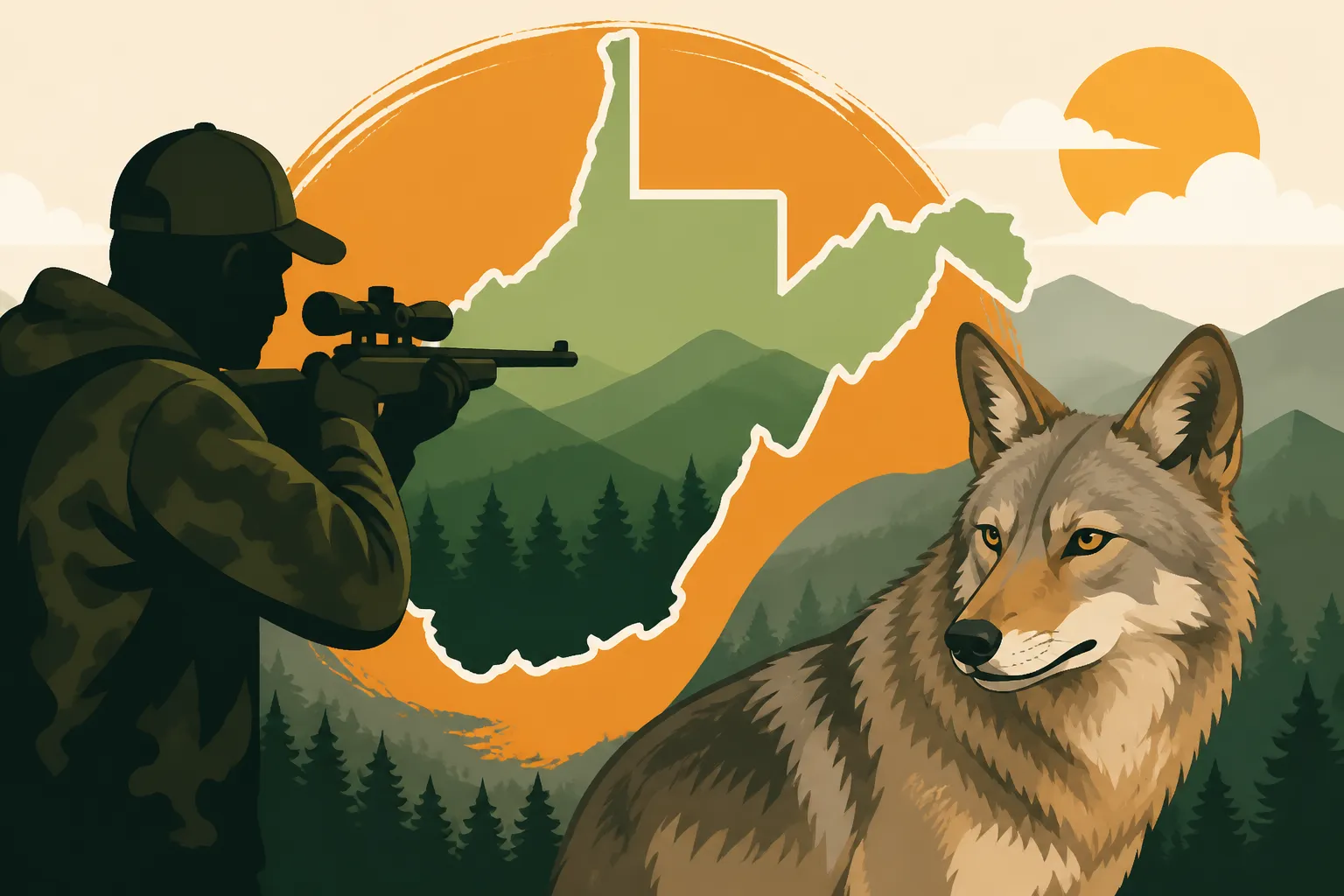
Unlike our prized deer, bear, or turkey, coyotes in West Virginia aren't managed with traditional hunting seasons that have specific start and end dates, or strict bag limits. This can be a bit perplexing if you're used to the regulated calendars of other game species. Instead, the West Virginia Division of Natural Resources (WVDNR) classifies coyotes as an unprotected species, a predator, and a nuisance animal. This critical distinction fundamentally changes how they are managed and, more importantly, how you can hunt them.
Why Coyotes Aren't Like Deer or Turkeys
The truth is, coyotes are relatively new to West Virginia compared to our native game animals, having expanded their range eastward over the last century. They are incredibly adaptable, prolific breeders, and opportunistic predators, which allows their populations to thrive even under significant hunting pressure. If the WVDNR were to impose a limited season or bag limit, it would likely have little impact on overall coyote numbers and their effect on other wildlife populations. This "unprotected" status reflects a management philosophy focused on control rather than conservation, recognizing their role in predation on deer fawns, turkey poults, and small game like rabbits and grouse. Hunters often feel the direct impact of high coyote numbers, watching their local deer herd decline or turkey nesting success plummet, which makes understanding this status even more important for those who want to help balance the ecosystem. For those interested in the broader picture of game populations, exploring resources like the WVDNR's insights into the West Virginia Deer Herd Size or West Virginia Turkey Population Estimate can provide valuable context.
The Year-Round Opportunity for Hunters
So, what does it mean to be an "unprotected species" for a hunter? It means you have a continuous, year-round opportunity to hunt coyotes in West Virginia. There's no opening day, no closing day, and no daily or seasonal bag limit. If you have the proper hunting license (which is a basic requirement for any hunting activity in the state), you can pursue coyotes 365 days a year. This continuous season provides incredible flexibility. You can hunt them as a primary target, focusing specifically on predator control, or you can carry your coyote calls and rifle along during deer season, turkey season, or even small game season, taking advantage of incidental encounters. Many hunters appreciate this flexibility, as it allows them to address predator issues as they arise, whether that's in the heat of August or the dead of winter. It means you can always be ready when the opportunity presents itself, without worrying about a specific calendar window.
Rules of Engagement: Day, Night, and Private Land Considerations
While the "season" itself is wide open, how and where you can hunt coyotes in West Virginia does come with specific regulations, particularly concerning night hunting and the distinction between public and private lands. These rules are crucial for hunter safety, ethical conduct, and legal compliance, and it's where many hunters sometimes get tripped up. Always remember, just because there's no closed season doesn't mean there are no rules.
Daylight Hunting: Simpler, But Still Strategic
Hunting coyotes during daylight hours is generally the most straightforward approach in West Virginia. You're allowed to use legal firearms, archery equipment, or crossbows, and electronic calls are perfectly permissible. This opens up a world of strategic possibilities. Many hunters employ calling tactics, using distress calls that mimic rabbits or fawns to lure coyotes into range. Others prefer to still-hunt or stalk areas where they've seen coyote sign, such as tracks, scat, or dens. Whether you're targeting coyotes specifically or just being opportunistic, daylight offers clearer visibility and generally fewer regulatory hurdles compared to hunting after dark. It's a great time to practice your calling skills and hone your predator hunting prowess. For deeper dives into specific calling strategies, you might find articles like Coyote Calling in West Virginia Farm Country or Predator Calling West Virginia Ridgelines particularly helpful.
Navigating Night Hunting Regulations
This is often the area that causes the most confusion for hunters eager to tackle coyotes. Night hunting offers unique advantages, as coyotes are often more active and less wary after dark. In West Virginia, night hunting for coyotes is legal, but the rules differ significantly depending on where you are:
- Private Land: On private land, with the landowner's express permission, you can typically hunt coyotes at night. This includes the use of artificial lights. Landowner permission is paramount here; make sure it's clear and preferably in writing.
- Public Land: This is where it gets tricky. Night hunting for coyotes on public lands, such as Wildlife Management Areas (WMAs) and National Forests, generally requires a special permit from the WVDNR and is often restricted to specific areas and times. These restrictions are in place for safety, to prevent conflicts with other public land users, and to protect other nocturnal wildlife. It's vital to check the latest WVDNR regulations for any specific WMA or National Forest you plan to hunt. Don't assume that what's legal on private land carries over to public land. Violating these rules can lead to serious penalties. To ensure you're fully informed before heading out after dark, consult our comprehensive guide on Night Hunting Rules for West Virginia Coyotes.
Public Versus Private Land Realities
The distinction between public and private land isn't just about night hunting; it influences nearly every aspect of your coyote hunting experience.
- Private Land: With landowner permission, you often have more flexibility. You can set up blinds, use bait (where legal for predators, and always checking local ordinances), and generally control access to your hunting area. Building relationships with landowners can unlock prime coyote hunting opportunities, especially in agricultural areas where coyotes might be preying on livestock or causing crop damage. Remember to always secure permission; it's the foundation of ethical hunting.
- Public Land: West Virginia offers vast tracts of public land, including the Monongahela National Forest and numerous WMAs. These areas provide incredible access but often come with more stringent regulations. While coyote hunting is year-round during daylight, you must adhere to WMA-specific rules regarding vehicle access, camping, and any other activities. Scouting is key here, and using tools like the WVDNR's interactive map or a mapping app like GoHunt can be invaluable for identifying legal access points, public land boundaries, and potential coyote hotspots away from heavy human traffic. Always check individual WMA regulations before you go, as rules can vary. Whether you're targeting deer, bear, or coyotes, knowing the lay of the land on public ground is crucial. For tips on navigating these areas, check out Scouting West Virginia Public Land Before Season.
Here's a quick reference table for general West Virginia coyote hunting rules:
| Aspect | Private Land (with permission) | Public Land (WMAs, National Forests) |
|---|---|---|
| Season Status | Year-round, no bag limit | Year-round, no bag limit |
| Daylight Hunting | Legal | Legal |
| Night Hunting | Legal with artificial lights & landowner permission | Generally requires WVDNR permit; restricted areas |
| Electronic Calls | Legal | Legal |
| Baiting | Legal for predators (check local ordinances) | Generally prohibited; check specific WMA rules |
| Weapons | Legal firearms, archery, crossbows | Legal firearms, archery, crossbows |
| Blaze Orange | Not required for coyote hunting, but recommended | Not required for coyote hunting, but recommended |
Note: Always consult the current WVDNR hunting regulations for the most up-to-date and specific rules.
Strategies and Impact: Making a Difference in Your Hunting Area
Simply knowing the season is open isn't enough; to be effective in coyote control, you need strategy, the right gear, and an understanding of their behavior. Hunters can play a significant role in managing coyote populations, which in turn can positively influence the health of other game species we all love to pursue.
Calling Tactics Across West Virginia Terrains
Coyote calling is both an art and a science, and West Virginia's diverse landscape offers varied scenarios for success.
- Distress Calls: These are perhaps the most common and effective. Mimicking a wounded rabbit, fawn, or bird can draw coyotes in quickly, as they are opportunistic feeders. These work well in open fields and dense timber alike. Electronic calls, which are legal here, allow you to replicate a wider range of sounds and control volume more easily, which can be a huge advantage.
- Howling and Challenge Calls: These can be effective for locating coyotes or challenging a dominant animal. Howling works well at dawn or dusk, and hearing a response can help you pinpoint their general location for a setup. Using a mapping application like GoHunt can help you mark these locations and plan your approach.
- Pup Calls: Especially effective in late spring and summer, mimicking the distress of coyote pups can draw in protective adult coyotes.
When you're out calling, consider the wind direction carefully, set up with a good vantage point, and minimize your movement. Patience is crucial; a coyote might circle downwind before committing, so stay alert. For more in-depth discussion, you can explore specific articles on Rattling Volume in Thick Laurel Cover or Grunt Calls in Mature West Virginia Timber as the principles of calling for deer can sometimes apply to predators in understanding sound travel.
Gear and Scouting for Success
Having the right gear can significantly improve your chances of success. A good rifle chambered in a flat-shooting caliber like a .223 Remington, .22-250, or even a .243 Winchester is ideal for coyotes, especially when they hang up at longer ranges. Quality optics, including a clear scope and binoculars like those discussed in Binocular Choice for West Virginia Whitetails, are essential for spotting these often elusive animals, particularly in low light. A good rangefinder is also vital for making accurate shots. Beyond the shooting equipment, a comfortable seat or blind, scent control, and a good camouflage pattern will help you blend into the environment.
Scouting is just as important for coyotes as it is for deer. Look for tracks, scat, and denning areas. Coyotes often use logging roads, field edges, and natural travel corridors, much like deer. Pay attention to areas where you've seen deer sign or heard howls previously. Using digital mapping tools, such as the ones available through GoHunt, can help you identify potential travel routes, pinch points, and good calling locations, whether you’re on public or private land. Understanding terrain and access can be the difference between a successful hunt and an empty handed walk back to the truck.
The Ecosystem Balance: Why Predator Control Matters
The year-round, unlimited status for coyote hunting in West Virginia isn't just about providing hunters with opportunities; it's a reflection of their impact on the state's wildlife populations. While coyotes are a natural part of the ecosystem, their populations can sometimes swell, leading to increased predation pressure on vulnerable game animals. Hunters who engage in ethical and responsible coyote hunting are contributing to a healthier balance.
For instance, studies across the country have shown that coyotes are a significant predator of deer fawns. Reducing coyote numbers in a localized area, especially before fawning season, can lead to higher fawn survival rates and a stronger deer herd. The same goes for wild turkeys; coyote predation on nests and poults can impact turkey recruitment, which is critical for healthy turkey populations. By actively participating in predator control, hunters are doing more than just enjoying a hunt – they're contributing to the overall health and sustainability of West Virginia's wildlife, from Squirrel and Small Game Hunting in West Virginia to larger game. It’s a vital role that helps maintain the balance we all cherish in the Mountain State's wild places.
Disclaimer
Please note that hunting regulations, seasons, and licensing requirements can change. Always consult the most current West Virginia Division of Natural Resources (WVDNR) hunting regulations guide before planning any hunting trip. This article is intended for informational purposes only and does not supersede official WVDNR publications or state law.