West Virginia Turkey Population Estimate
For any West Virginia turkey hunter, there's always that nagging question: just how many wild turkeys are out there? It's a natural curiosity, especially when you've put in the legwork, hiked those steep ridges, and sometimes come up empty-handed. We all want to know if the flock numbers are looking good, or if we're hunting in a lean year. This guide is going to pull back the curtain on how the Mountain State estimates its wild turkey population, giving you a clearer picture of what those numbers actually mean for your time in the woods.
Understanding West Virginia's Wild Turkey Numbers
The wild turkey, a true symbol of West Virginia's forests, has seen quite the journey here. From near extirpation in the early 20th century to a remarkable comeback, these birds are now a staple of our outdoor heritage. But pinning down an exact number of turkeys across the entire state is like trying to count every falling leaf in autumn – it's practically impossible. Instead, wildlife biologists use a variety of robust methods to create reliable estimates and track trends, which are crucial for sound wildlife management. These aren't just academic exercises; these numbers directly influence season lengths, bag limits, and conservation efforts, ensuring we can enjoy Spring Turkey Hunting in West Virginia for generations to come.
Historically, West Virginia's turkey population experienced significant ups and downs. Early overhunting and widespread habitat destruction nearly wiped them out. But thanks to incredible restoration efforts, including trap-and-transfer programs, turkeys rebounded with a vengeance, peaking in many areas in the late 1990s and early 2000s. Since then, many regions have seen more stable, albeit sometimes fluctuating, populations. Understanding these West Virginia Turkey Population Trends helps us appreciate the resilience of these birds and the ongoing work to maintain healthy flocks. When you're out there, listening to a gobbler sound off from a distant ridge, you're hearing the success story of conservation in action.
Key Methods for Estimating Turkey Populations
Estimating wildlife populations is a complex dance, and for wild turkeys, West Virginia's wildlife biologists rely on several key methods, each offering a piece of the puzzle. These various approaches help create a comprehensive picture, cross-referencing data to ensure the most accurate assessment possible.
Brood Surveys and Poult-to-Hen Ratios
One of the most critical tools in the biologist's arsenal is the annual turkey brood survey. This isn't some high-tech drone operation; it's often powered by dedicated individuals, including hunters and landowners, simply reporting sightings of hens and their poults (young turkeys) during the summer months. Participants note the number of adult hens and the number of poults accompanying them. This data is then used to calculate Poult-to-Hen Ratios and What They Mean. A high poult-to-hen ratio indicates a successful nesting season and strong poult survival, suggesting a growing or stable population. Conversely, a low ratio might point to challenges like poor weather during nesting, high predation on nests, or low food availability impacting poult survival.
Think about it: if every hen you see has six healthy poults tagging along, that's a great sign for the upcoming year's turkey numbers. If she's alone, or only has one or two, that tells a different story. These surveys are vital because they provide insights into recruitment – how many young birds are successfully joining the population – which directly impacts future hunting opportunities. The information gathered during these summer months helps wildlife managers anticipate how many birds will be available for harvest in both the fall and following spring seasons.
Harvest Data Analysis
Every time a hunter successfully checks a turkey, whether it's a strutting gobbler in April or a fall bird, that data becomes a critical component of population management. West Virginia requires all harvested turkeys to be reported, and this information provides a direct snapshot of hunter success and regional turkey abundance. Biologists analyze harvest numbers, success rates, and the age and sex of harvested birds (if collected) to gauge the health of the population. For instance, if overall harvest numbers are declining in a particular county, it might signal a localized dip in the turkey population there, prompting further investigation.
This data is then compared to historical trends and brood survey results. A consistent high harvest, coupled with good poult-to-hen ratios, suggests a healthy and sustainable population. On the flip side, a sharp drop in harvest, especially if brood surveys also show low recruitment, is a red flag. The beauty of this system is that hunters are actively contributing to conservation every time they comply with reporting requirements. It's a direct way for us, as sportsmen and women, to provide valuable information that shapes future hunting opportunities and helps ensure the long-term health of Wild Turkeys in West Virginia.
Gobbling Counts and Call-Back Surveys
While brood surveys give us an idea of young bird recruitment and harvest data shows us what hunters are taking, gobbling counts and call-back surveys offer insights into the distribution and density of adult gobblers specifically. These surveys are typically conducted in the early spring, before the season opens, when gobblers are most vocal. Biologists and trained volunteers will go to established listening points, often at dawn, and record every gobble they hear within a set time frame. Sometimes, they'll use locator calls (like an owl hoot or crow call) to elicit shock gobblers and get a better sense of how many birds are in an area.
This method helps track the relative abundance of gobblers from year to year in specific regions. A decline in gobbling activity in areas that historically had many vocal birds could indicate a drop in the adult male population. While it doesn't give a total population number, it's a strong indicator of breeding activity and the overall health of the male segment of the flock, which is, let's face it, what most spring hunters are after. These surveys, combined with the other methods, give a more complete picture of our vibrant turkey populations and help determine the West Virginia Spring Turkey Season Rules.
Factors Influencing West Virginia's Turkey Population
Wild turkey populations are incredibly dynamic, constantly ebbing and flowing in response to a complex web of environmental factors. It's never just one thing that determines whether we have a boom or bust year; rather, it's a delicate balance of habitat, weather, predation, and even our own actions as hunters.
Habitat Quality and Availability
Just like us, turkeys need food, water, and shelter to thrive, and the quality of their habitat is paramount. In West Virginia, this primarily means mature hardwood forests interspersed with clearings and younger growth. Acorns and other mast crops from oak and hickory trees are critical food sources, especially heading into winter. A poor mast year can stress birds, making them more susceptible to disease or winter mortality. Younger forests, often created by timber harvests or natural disturbances, provide dense cover for nesting hens and vulnerable poults, protecting them from predators and the elements.
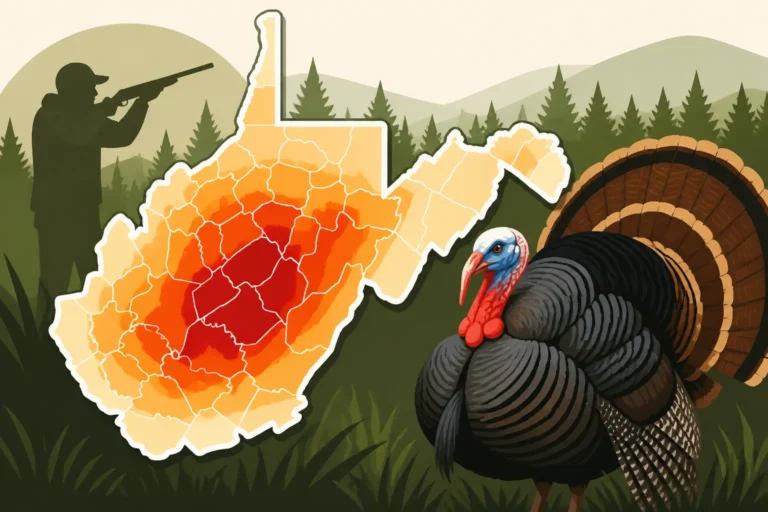
When we see extensive timber harvesting, urban sprawl, or even changes in agricultural practices, it directly impacts available turkey habitat. For instance, areas undergoing large-scale development might see localized declines as crucial roosting and feeding areas disappear. On the flip side, responsible forest management practices, like those employed in areas like the Monongahela National Forest, can create a mosaic of habitats that benefit turkeys. Hunters can use tools like GoHunt to analyze habitat maps and understand how different cover types might affect turkey movement and density, allowing them to pinpoint Where West Virginia Turkeys Are Densest and plan their hunts accordingly.
Weather Patterns
Weather, especially during the crucial spring nesting and early brooding periods, is a huge determinant of a turkey's annual success. A cold, wet spring can be devastating for turkey poults. They are highly susceptible to hypothermia and pneumonia in their first few weeks of life, and prolonged periods of rain can dramatically reduce their survival rates. Heavy, unseasonable snows in spring can cover food sources and make nesting more difficult.
Conversely, a warm, dry spring typically leads to higher poult survival and better overall recruitment. That's why wildlife managers pay close attention to weather forecasts months before the season opens, as it gives them an early indication of how the year's hatch might fare. Years with ideal spring weather often correlate with excellent West Virginia Turkey Brood Survey Results, which means more birds the following year. It’s a stark reminder that as much as we manage, Mother Nature always has the final say in the wild turkey's fortunes.
Predation and Disease
Wild turkeys are part of a larger ecosystem, and like all game species, they face natural predators and diseases. Nest predators like raccoons, opossums, and skunks can decimate a clutch of eggs, while coyotes, bobcats, and even raptors like great horned owls pose a threat to poults and even adult birds. While predation is a natural part of the cycle, an imbalance, perhaps due to an explosion in a predator population, can put pressure on turkeys. This is why understanding Nest Predation and West Virginia Turkey Hatches is so vital for biologists.
Diseases can also play a role, although often less dramatic than sudden habitat loss or severe weather. Avian diseases, like blackhead, can affect wild turkey populations, particularly when birds are concentrated or stressed. West Virginia's wildlife officials continuously monitor for outbreaks and track reports of sick birds to assess potential impacts on the overall turkey population. While hunters can't control these elements, understanding their influence helps put population fluctuations into perspective.
Hunting Pressure and Regulations
Finally, human factors, specifically hunting pressure and the regulations we abide by, directly impact turkey numbers. West Virginia's wildlife managers carefully set season dates, bag limits, and weapon restrictions based on population data to ensure a sustainable harvest. For instance, spring gobbler seasons are typically structured to allow breeding to occur before hunting begins, ensuring future generations. Fall seasons, which often allow the harvest of hens in some areas, are more conservatively managed based on localized population health and recruitment data.
The system of varying West Virginia Fall Turkey County Tiers is a prime example of how regulations are tailored to specific regional populations. In counties with robust numbers, a more liberal season might be permitted, while in areas where populations are struggling, stricter limits or shorter seasons might be in place. This adaptive management approach is designed to allow hunters to enjoy the resource while also protecting the long-term health and stability of the wild turkey population. Our adherence to these rules ensures we're part of the solution, not the problem.
What the Estimates Mean for West Virginia Hunters
As West Virginia hunters, understanding these population estimates and the factors that influence them isn't just interesting trivia; it's genuinely useful information that can shape your hunting strategy, manage your expectations, and connect you more deeply to the conservation efforts ongoing in our state.
Informing Season Settings and Bag Limits
At the most fundamental level, the wild turkey population estimates are the bedrock upon which the West Virginia Division of Natural Resources (WVDNR) builds its hunting seasons. They are the reason for specific opening and closing dates, the number of birds you're allowed to harvest, and even the types of weapons permitted. If brood surveys consistently show low poult production in a particular region, for example, the WVDNR might consider shortening the fall season in that area or limiting hen harvest to help the population recover. Conversely, strong numbers often lead to more liberal opportunities, like those found during our generous spring gobbler season.
This responsive management means that our hunting opportunities are directly tied to the health of the resource. It’s not arbitrary; it’s scientific. Knowing this, you can appreciate that when seasons are set, they are done so with the best available data, ensuring that we can continue to enjoy hunting turkeys without jeopardizing the future of the flock. This gives us confidence that the sport we love is managed sustainably.
The Dynamic Nature of Turkey Populations
It's crucial to remember that turkey populations are not static. They are living, breathing, fluctuating entities. A fantastic hatch one year, spurred by ideal weather, can lead to an abundance of jakes and two-year-old gobblers in subsequent seasons. A particularly harsh winter or a wet spring, however, can put a dent in those numbers, meaning fewer birds for hunters to pursue down the line. This year-to-year variability is why the WVDNR relies on ongoing surveys and data collection, rather than just a one-off estimate.
For hunters, this means that what was a hotspot last year might be quiet this year, or vice-versa. It encourages us to stay adaptable, to scout new areas, and to pay attention to current conditions. For example, if you hear that there was a poor hatch in your usual hunting ground, it might be worth considering Run-and-Gun Turkey Tactics on Public Land to cover more ground or even looking into different counties. A little awareness of these natural cycles can make you a more resilient and successful hunter.
Interpreting Trends for Your Scouting
While you won't get a real-time turkey count for your favorite hollow, understanding the broader trends and factors influencing the population can give you an edge in scouting. If, for instance, you know that a particular region had a great hatch two years ago, you might anticipate seeing a lot of two-year-old gobblers (jakes) this spring. This could influence your call selection or how aggressively you hunt. If you use a scouting app like GoHunt, you can overlay habitat maps with public land boundaries and historical harvest data, allowing you to pinpoint areas that might be holding birds based on the overall health of the state's turkey population and local habitat features.
You can also use this knowledge to look for specific types of habitat that might be performing better in a given year. If it was a wet spring, areas with higher, drier nesting sites might have seen better poult survival. If mast crops were abundant, birds will be concentrated near those food sources. This deep dive into population dynamics empowers you to move beyond simply hoping for the best, and instead make informed decisions about where and how to hunt. Whether you're trying to figure out the best approach for Hunting the Ohio River Valley Bottomland or climbing those steep hills to Roost Hunting West Virginia Gobblers, these insights can prove invaluable.
Hunter Participation is Key
Finally, it's worth reiterating that your participation as a hunter is absolutely vital to the ongoing success of West Virginia's wild turkey management. Reporting your harvest accurately and promptly is non-negotiable. Furthermore, if you're out and about during the summer months and see hens with poults, consider participating in the WVDNR's voluntary brood surveys. Every bit of data helps paint a clearer picture and ensures that the decisions made about our turkey resource are as informed as possible. By being an engaged and responsible hunter, you're directly contributing to the conservation legacy that allows us all to enjoy the thrilling pursuit of the wild turkey in our beautiful Mountain State.
| Method | Primary Data Collected | What it Informs | Pros | Cons |
|---|---|---|---|---|
| Brood Surveys | Hen sightings, number of poults | Reproductive success, poult survival | Direct measure of recruitment | Relies on volunteer participation, weather can affect sightings |
| Harvest Data Analysis | Number of birds harvested, location | Hunter success, regional abundance | Direct measure of removed birds | Can be influenced by hunter effort, reporting compliance |
| Gobbling Counts/Call-Backs | Number of gobblers heard, location | Gobbler distribution, breeding activity | Good indicator of male population health | Influenced by weather, time of day, and gobbler behavior |
Disclaimer
This article is for general informational purposes only and does not constitute professional advice. Laws, prices and regulations vary by location and change over time. Consult a qualified professional for guidance on your specific situation.