Nest Predation and West Virginia Turkey Hatches
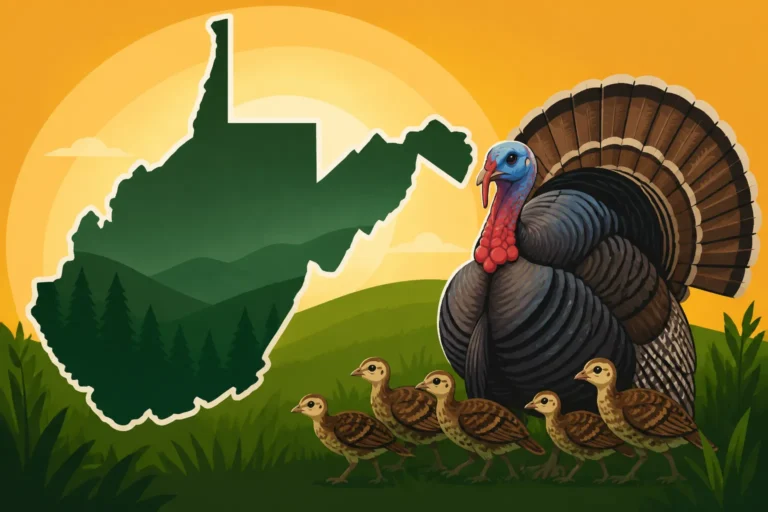
It can be incredibly disheartening to witness fewer turkeys gobbling in the spring or see smaller broods scurrying through the woods in late summer. This decline often leaves hunters and wildlife enthusiasts scratching their heads, wondering why the population isn't bouncing back as robustly as it once did. Much of this mystery often boils down to something we don't always see: nest predation and its profound impact on West Virginia's wild turkey hatches. This guide will walk you through the often-overlooked challenges these birds face and what we can do to support healthier turkey populations.
Understanding the Threats: Who's Eating Our Turkey Eggs and Poults?
When we talk about turkey populations struggling, it's easy to blame hunting pressure or bad weather, but a silent war is often waged in the undergrowth of our forests and fields. Predation on turkey nests and young poults is a significant limiting factor, one that can dramatically affect the number of birds that make it to maturity each year. It’s a complex issue, with many different players contributing to the challenge.
Common Nest Predators in West Virginia
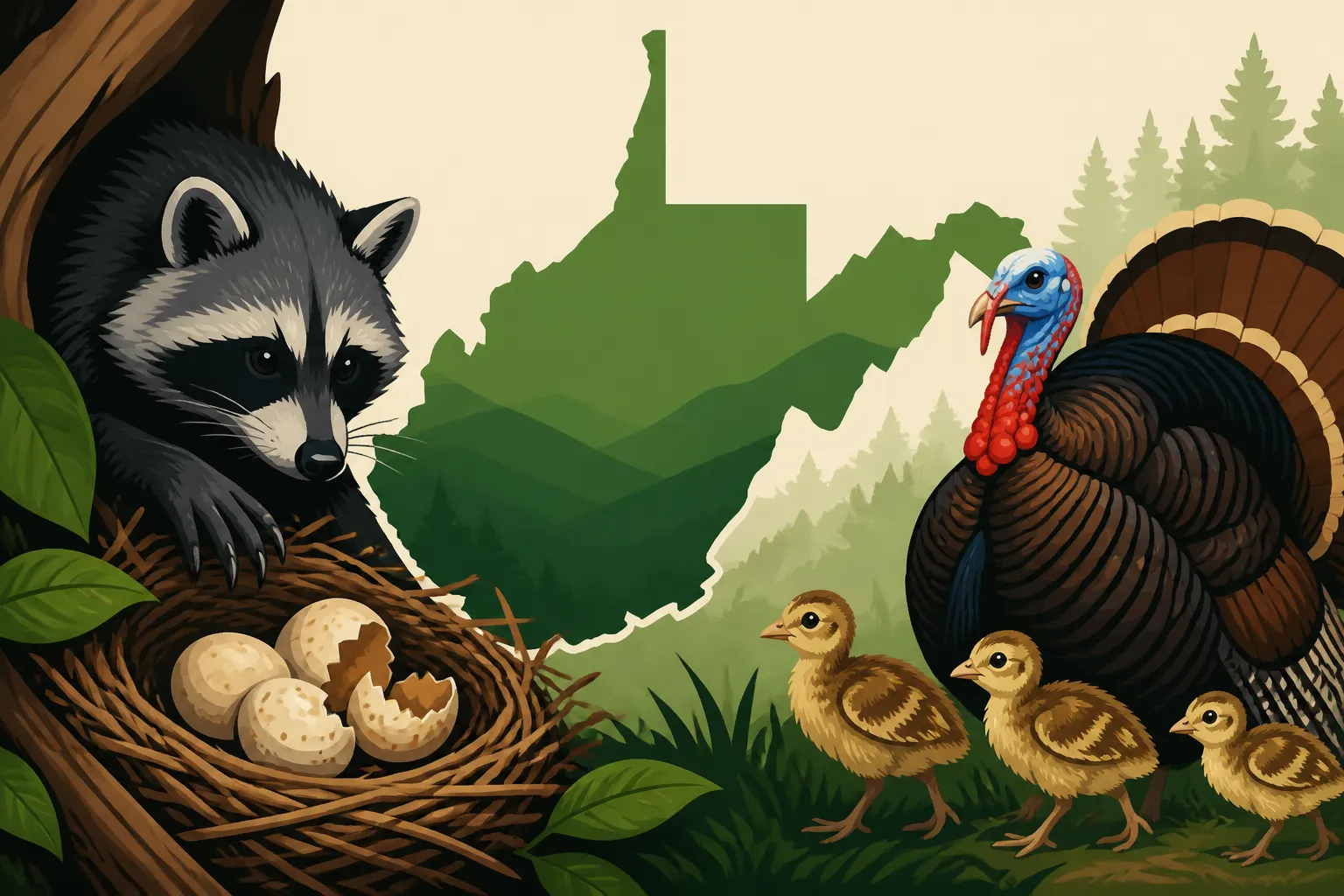
West Virginia's diverse ecosystems are home to a wide array of wildlife, and unfortunately for nesting turkeys, many of these creatures view a clutch of turkey eggs or newly hatched poults as an easy meal. Raccoons are notorious egg-eaters, with their dexterous paws and keen sense of smell, they can sniff out a hidden nest with remarkable efficiency. Opossums are also opportunistic predators, often stumbling upon nests during their nocturnal wanderings. Skunks, while perhaps less common, can be equally destructive to a clutch of eggs.
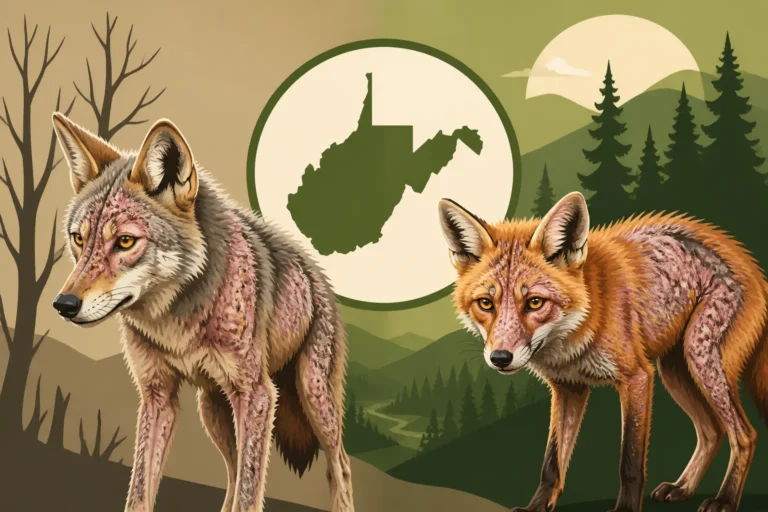
Beyond these furry culprits, snakes, particularly black snakes and rat snakes, can decimate a nest without leaving much trace, swallowing eggs whole. Crows, with their sharp eyes, will often patrol open areas and quickly descend upon an exposed nest. And let's not forget the larger predators that target both eggs and young poults: coyotes and bobcats. These stealthy hunters, constantly on the prowl, can be especially problematic, as they will often kill the brooding hen if given the chance, compounding the loss. It's a tough world out there for a nesting hen, trying to keep her precious cargo safe from so many threats.
The Impact of Habitat Changes and Human Activity
Our evolving landscape plays a crucial role in the dynamics of nest predation. As human development expands into previously wild areas, habitat fragmentation becomes a real problem. When large, continuous tracts of forest are broken up by roads, homes, and clear-cuts, it creates more "edge habitat." While edge habitat can be beneficial in moderation, too much of it can inadvertently benefit generalist predators like raccoons, opossums, and coyotes, giving them easier access to areas where turkeys might otherwise nest more securely.
Think about a remote woodlot that suddenly finds itself bordered by a new housing development. Those residential areas bring with them more garbage, pet food, and other attractants that boost local predator populations, which then spill over into the adjacent natural areas. Logging, even when done with good intentions, can sometimes temporarily reduce critical nesting cover, making nests more vulnerable until regrowth occurs. This isn't to say development or logging are inherently bad, but it does highlight the importance of thoughtful planning and management to ensure that turkey nesting success isn't an unintended casualty. Hunters using tools like GoHunt can often identify areas with less human disturbance, potentially leading to better nesting success rates. When we discuss How Turkeys Were Restored to West Virginia, it's clear that habitat protection was a cornerstone of that success.
The Delicate Balance: Factors Influencing West Virginia Turkey Hatches
Beyond the direct threat of predators, several environmental and biological factors interact to either support or hinder a successful turkey hatch in West Virginia. It’s a complex dance where everything from a late spring frost to a hen’s nutritional intake can tip the scales. Understanding these nuances helps us appreciate the fragility of each new generation of turkeys.
Weather's Role in Nesting Success and Poult Survival
West Virginia's weather is notoriously unpredictable, and a wild turkey's nesting season often coincides with some of the most volatile conditions of the year. Cold, wet springs, particularly during the critical hatching period, can be absolutely devastating for poult survival. Young poults are extremely susceptible to hypothermia; a prolonged cold rain event can wipe out an entire brood if they can't get dry and warm under the hen. They rely heavily on insects for their first few weeks of life, and cold, wet weather can suppress insect activity, leading to malnutrition and weakness, making them even more vulnerable.
Conversely, while less common for poults, prolonged drought conditions can also present challenges. Drought reduces the abundance of soft-bodied insects like grasshoppers and crickets that poults need to grow quickly. It also impacts succulent vegetation that hens might rely on for hydration and nutrition during the arduous nesting period. Finding good nesting habitat often means finding areas that can buffer these weather extremes, providing sheltered cover during storms and access to reliable food sources. This is a topic often explored when evaluating West Virginia Wild Turkey Nesting Success.
Hen Health and Nesting Choices
The success of a turkey hatch begins long before the eggs are laid—it starts with the health and condition of the hen herself. A healthy hen, one that has successfully navigated the winter and has access to abundant food resources in the spring, is more likely to lay a larger clutch of eggs. These eggs are also more likely to be viable and produce strong, healthy poults. Her body condition directly influences her ability to dedicate resources to egg production and, crucially, to maintain incubation through varying weather.
Furthermore, a hen’s choice of a nest site is paramount. Turkeys are ground-nesters, and they instinctively seek out dense cover that offers both concealment from predators and some protection from the elements. This often includes thick patches of briars, dense native grasses, fallen timber, or brush piles. The ideal nest site also provides good visibility for the hen, allowing her to spot approaching danger, and quick escape routes into thicker cover. If her first nest is destroyed, a healthy hen might make a renesting attempt, laying a smaller clutch later in the season. However, these later hatches often face even more predation pressure as predators become more attuned to nesting activity. Understanding these factors is key to interpreting Poult-to-Hen Ratios and What They Mean in annual surveys.
Strategies to Help Turkeys: What We Can Do as Hunters and Conservationists
Given the challenges that wild turkeys face with nest predation and environmental factors, it's easy to feel helpless. But the good news is that there are tangible actions we, as hunters and conservationists, can take to support healthier turkey populations in West Virginia. It’s about being proactive and thoughtful in our approach to land management and ethical hunting practices.
Habitat Management for Nesting Success
One of the most effective ways to combat nest predation is through proactive habitat management. By creating and maintaining dense, diverse nesting cover, we give hens a fighting chance. This means encouraging the growth of native grasses, legumes, and low-growing shrubs that provide excellent concealment. Think about areas with a good mix of timber, open fields, and thick underbrush, especially on south-facing slopes that warm up faster in spring. Where West Virginia Turkeys Are Densest often aligns with areas that naturally offer this type of varied cover.
Managing invasive species, such as multiflora rose or autumn olive, can also indirectly help, as these non-native plants can sometimes create monocultures that don't offer the same quality of cover or food resources as native vegetation. Strategic timber stand improvement, which involves thinning certain areas to promote undergrowth or creating small clearings that quickly regenerate with diverse plants, can also be beneficial. It’s all about giving those hens the best possible place to hide their nests, making it harder for predators to find them. Hunters who understand this can actively seek out such managed areas, often identified using tools like GoHunt, which helps visualize habitat types and land features crucial for turkey success.
Predator Management and Mitigation Efforts
While complete predator eradication is neither feasible nor desirable, responsible predator management can play a role in boosting turkey hatch rates in specific areas, especially on private land. This often involves targeted trapping efforts for generalist predators like raccoons, opossums, and skunks during the off-season. These efforts can reduce local predator densities, giving ground-nesting birds, including turkeys, a temporary reprieve during critical nesting periods.
It's important to approach predator management ethically and within legal guidelines, always understanding that predators are a natural part of the ecosystem. The goal isn't to eliminate them but to manage their impact where turkey populations are struggling. For those interested in Predator Hunting in West Virginia, understanding local regulations and effective techniques, such as Coyote Calling in West Virginia Farm Country, can contribute to broader wildlife management goals. Using trail cameras strategically can also help identify specific nest predators in an area, allowing for more targeted mitigation efforts if necessary.
Monitoring and Research: Keeping an Eye on Our Flocks
Understanding the health of our wild turkey populations is an ongoing process, and it requires dedicated monitoring and research. This helps wildlife agencies make informed decisions about seasons and bag limits, and it provides hunters with valuable insights into where and when to focus their efforts. Our collective observations are a vital part of this puzzle.
Brood Surveys and Population Assessment
One of the most critical tools for assessing turkey populations is the annual brood survey. These surveys, often conducted by wildlife agencies, involve observing hens and their poults throughout the summer to determine the average number of poults per hen. This "poult-to-hen ratio" is a key indicator of reproductive success. A high ratio suggests a strong hatch and good poult survival, while a low ratio can signal problems, potentially related to nest predation, poor weather, or low hen health.
When we look at the West Virginia Turkey Brood Survey Results, we're seeing the direct outcome of all those interacting factors—predation, weather, habitat. These numbers don't just tell us about last year; they give us a glimpse into the future of our turkey hunting opportunities. A few years of poor hatches can lead to noticeable declines in the adult population, which might then prompt changes in West Virginia Spring Turkey Season Rules or fall hunting opportunities. Analyzing data from various regions, perhaps through a platform like GoHunt, can help pinpoint specific areas where turkey populations are thriving or struggling, guiding future management efforts. This information directly feeds into our overall understanding of the West Virginia Turkey Population Estimate.
Hunter's Role in Observation and Reporting
As hunters and outdoor enthusiasts, we spend an incredible amount of time in the woods, often more than professional biologists can. This makes our eyes and ears incredibly valuable. Every time you see a hen with poults, noting the location, date, and approximate number of poults, you're contributing to a larger dataset. Reporting sightings of sick or dead birds, or even unusual predator activity, can help wildlife agencies track disease outbreaks or localized predator issues.
Many states have online reporting tools or apps where you can submit these observations, and it really does make a difference. Imagine if every hunter used a tool like GoHunt to log their turkey sightings, not just gobblers but also hens and broods. Over time, this collective data could paint an incredibly detailed picture of turkey distribution, nesting success hot spots, and areas needing more attention. It’s about being an active participant in conservation, not just a consumer of the resource. By paying attention to what's happening on the ground, we can all contribute to the long-term health of West Virginia's wild turkey flocks and ensure future generations can enjoy the thrill of a spring gobbler hunt or the challenge of Hunting West Virginia's Fall Turkey Splits.
Disclaimer
This article is for general informational purposes only and does not constitute professional advice. Laws, prices and regulations vary by location and change over time. Consult a qualified professional for guidance on your specific situation.