How Turkeys Were Restored to West Virginia
For those of us who cherish the sound of a gobbler echoing through the West Virginia mountains each spring, it's hard to imagine a time when wild turkeys were virtually absent. But decades ago, that was the grim reality, leaving hunters and wildlife enthusiasts disheartened and the forests eerily quiet. This comprehensive guide will walk you through the incredible journey of how wild turkeys, through sheer dedication and groundbreaking conservation, were brought back from the brink to once again thrive across the Mountain State.
The Disappearing Act: Why Turkeys Vanished from West Virginia
It’s a tough pill to swallow, but the truth is, humans were largely responsible for the near-extinction of wild turkeys in West Virginia. The tale of their decline is a classic example of unchecked exploitation and a lack of understanding about wildlife management in earlier centuries.
Historical Overhunting and Habitat Destruction
Back in the 1800s and early 1900s, the concept of regulated hunting seasons and bag limits was either non-existent or poorly enforced. People hunted for subsistence, but also for market, taking whatever they could, whenever they could. Wild turkeys, being large, relatively easy to spot (at least compared to some other game), and providing a good amount of meat, were prime targets. There was no thought given to how many birds were left or their ability to reproduce. This relentless hunting pressure alone was a massive factor in their disappearance.
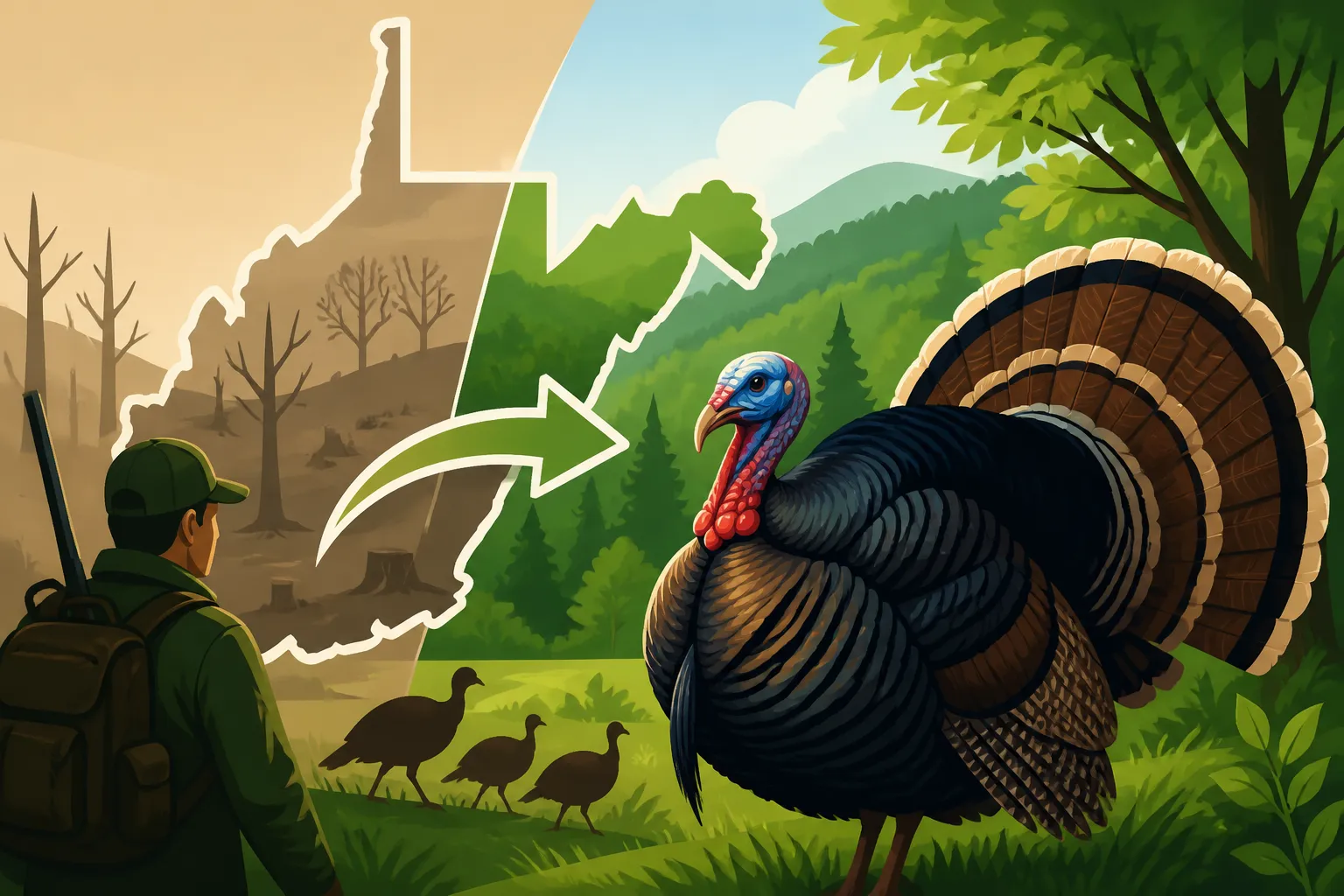
Compounding this problem was the rampant logging that swept through West Virginia's vast, old-growth forests. Think about it: a wild turkey needs mature forests for roosting, foraging for acorns and other mast, and safe nesting cover. When huge swaths of timber were clear-cut to feed the industrial boom, these critical habitats simply vanished. Without the dense canopy for security and the consistent food sources, the remaining turkey populations had nowhere to go and nothing to eat. They were literally stripped of their homes and their future. By the early 1900s, wild turkeys were considered extirpated from much of their historical range in the state, with only isolated pockets remaining in the most remote, rugged areas. It was a truly bleak picture for what is now such a beloved game bird.
The Low Point for West Virginia Turkeys
The situation became so dire that by the 1920s and 1930s, the total wild turkey population in West Virginia was estimated to be in the low hundreds – perhaps as few as 2,000 birds statewide, clinging to existence in places like the remote parts of the Monongahela National Forest. To put that in perspective, today, we see healthy turkey populations across all 55 counties. Imagine the despair of hunters and conservationists at the time, knowing that an iconic game animal had all but disappeared from the landscape.
Attempts were made to bring them back earlier in the 20th century, but these efforts largely failed. Many state agencies tried to restock turkeys using pen-raised birds. The idea seemed logical: raise turkeys in captivity, then release them into the wild. However, these domestic-bred birds lacked the instincts and survival skills of their wild counterparts. They were often too tame, susceptible to disease, and simply couldn't hack it in the harsh West Virginia wilderness. They became easy prey for predators or simply couldn't find food or shelter. It was a disheartening period, highlighting that simply releasing birds wasn't enough; the right kind of birds, coupled with viable habitat, was essential. This difficult lesson eventually paved the way for more effective, science-based restoration methods.
The Innovative Solution: Trapping and Relocation Efforts
The turning point for West Virginia's wild turkey population came with a revolutionary approach: trapping genuinely wild birds from the few remaining healthy populations and relocating them to suitable, yet vacant, habitats. This was a massive undertaking, requiring ingenuity, patience, and a deep understanding of turkey behavior.
Cannon Nets and Rocket Nets: A Game Changer
The key to successful relocation lay in capturing healthy, wild turkeys. Early attempts at trapping were often inefficient or harmful to the birds. However, the development of specialized trapping techniques, primarily cannon nets and rocket nets, changed everything. Imagine this: a biologist carefully places bait, usually corn, in an open area. Once a flock of turkeys is accustomed to feeding there, strategically placed nets, propelled by small charges (either black powder in a "cannon" or small rockets), are deployed to quickly and safely cover the birds.
This method was a revelation because it allowed wildlife managers to capture entire flocks without injuring them. Once netted, trained personnel would quickly process the birds—checking their health, taking measurements, and banding them for future identification—before carefully placing them in specialized transport crates. These wild-born and wild-reared turkeys possessed all the instincts necessary to survive and reproduce in new environments, a stark contrast to the failed pen-raised efforts. This meticulous approach ensured that only robust, truly wild stock was used for relocation, setting the stage for genetic diversity and survival success in new areas.
Transporting Wild Turkeys to New Homes
Once captured, the logistics of transporting these precious birds were paramount. Turkeys are sensitive animals, and stress during transport could easily lead to mortality or a reduced chance of survival upon release. Wildlife agencies, including the West Virginia Division of Natural Resources (WVDNR), developed specific protocols for moving these birds. They were transported in specially designed, dark, well-ventilated crates to minimize stress and prevent injury. The journeys often covered significant distances, from the remote corners of the state where remnant populations still clung, to newly identified release sites with promising habitat.
These release sites weren't chosen at random. They were carefully scouted areas, often on public lands like newly designated Wildlife Management Areas or parts of the Monongahela National Forest, where habitat assessments confirmed ample food, water, and cover, and where historical turkey populations had once thrived. This careful selection of release sites was critical; simply dropping turkeys in an unsuitable area would be a waste of valuable resources and, more importantly, a potential loss of irreplaceable wild genetic stock. Each release was a moment of hope, a tangible step toward restoring an ecological balance that had been lost for generations. If you're curious about their current presence, you might want to read more about West Virginia Turkey Population Trends.
Building a Breeding Population: The Stocking Strategy
The goal wasn't just to release a few birds; it was to establish self-sustaining breeding populations that could expand naturally. The stocking strategy involved releasing a critical mass of turkeys—a mix of hens and gobblers—in each selected area over several years. This wasn't a one-and-done affair. WVDNR biologists understood that it took time for these transplanted birds to acclimate, establish territories, find mates, and successfully raise poults.
The strategy focused on creating "anchor" populations that would then serve as sources for natural expansion into surrounding, contiguous habitat. It was often a slow process, with initial releases showing promising signs, followed by periods of uncertainty. However, the consistent effort, coupled with improved habitat conditions, eventually paid off. As these newly established populations grew, their offspring would naturally move into adjacent areas, gradually filling the empty spaces that had once been devoid of turkeys. This incremental, yet persistent, effort was key to the eventual statewide recovery we enjoy today, allowing hunters to experience things like Roost Hunting West Virginia Gobblers.
Habitat's Indispensable Role in Recovery
Even the most robust wild turkeys won't survive without the right place to call home. The incredible comeback of turkeys in West Virginia is as much a story of habitat restoration and thoughtful land management as it is about trapping and relocation. Without vital forest health and suitable foraging grounds, the entire effort would have faltered.
Forest Management for Turkey Habitat
The extensive logging that contributed to the turkeys' decline had long-lasting effects. However, as the timber industry matured and conservation principles took hold, forest management shifted. Instead of indiscriminate clear-cutting, a more nuanced approach began to emerge, recognizing the value of diverse forest structures for wildlife. For wild turkeys, this meant managing for a mosaic of habitats: mature stands for roosting and consistent mast production, areas with dense understory for nesting hens and poult cover, and openings for insect foraging.
Federal and state agencies, particularly within the Monongahela National Forest and various Wildlife Management Areas, implemented management plans that favored oak-hickory forests, which are crucial for mast crops like acorns and hickory nuts – a primary food source for turkeys, especially in fall and winter. Practices like selective logging, timber stand improvement, and even prescribed burns (carefully managed, of course!) were used to create openings, promote new growth, and enhance food availability. These efforts didn't just benefit turkeys; they created healthier ecosystems that supported a wide array of wildlife. Hunters using resources like GoHunt could often track these habitat improvements and adjust their strategies accordingly.
Agricultural Practices and Wild Turkeys
While turkeys are primarily forest dwellers, agricultural lands, particularly smaller, diverse farms, can play a significant role in providing supplementary food sources and habitat. In West Virginia, where farms often abut forested areas, this relationship is particularly important. Fields of corn, soybeans, and other grains can offer crucial sustenance during lean times, especially in late winter or early spring when natural mast crops are scarce.
However, the type of agriculture matters. Large-scale monoculture operations with vast, unbroken fields offer little in terms of cover or diversity. Conversely, smaller farms with hedgerows, woodlots, and diverse crop rotation provide a richer environment. Conservation programs that encourage farmers to leave unharvested crop strips, plant wildlife-friendly borders, or manage riparian zones also create valuable edge habitat that turkeys utilize for feeding, dusting, and movement. The ideal scenario for turkeys often includes this blend of mature forest and diverse agricultural interfaces, which contribute to the robust West Virginia Turkey Population Trends we observe today.
Conservation Efforts Beyond Restocking
While the initial trapping and relocation programs were phenomenal successes, the work of conserving wild turkeys in West Virginia didn't end there. Ongoing management, research, and the crucial support of hunters have been essential to maintaining and growing these healthy populations.
WVDNR's Ongoing Management and Research
The West Virginia Division of Natural Resources (WVDNR) continues to be at the forefront of wild turkey conservation. Their work extends far beyond the initial reintroductions, focusing on monitoring population trends, assessing habitat quality, and adapting management strategies to current challenges. Biologists conduct annual turkey brood surveys, where citizen scientists and WVDNR staff report sightings of hens and poults throughout the summer. This data helps estimate reproductive success and provides insights into recruitment for the following hunting seasons. If you're interested in participation, you might like to know about West Virginia Wild Turkey Nesting Success programs.
The WVDNR also utilizes sophisticated tracking technologies, like GPS transmitters, on individual turkeys to study their movements, habitat preferences, and survival rates. This research is vital for understanding how turkeys interact with their environment, identifying critical breeding and wintering grounds, and making informed decisions about hunting regulations, such as those detailed in West Virginia Spring Turkey Season Rules and West Virginia Fall Turkey County Tiers. This continuous cycle of data collection, analysis, and adaptive management ensures that West Virginia's wild turkey populations remain healthy and resilient for future generations to enjoy.
The Hunter's Role in Conservation
It's a testament to effective wildlife management that hunters, who were once part of the problem, are now integral to the solution. Without hunters and their financial contributions, many conservation efforts wouldn't be possible. When you purchase a hunting license or a turkey stamp in West Virginia, a significant portion of that revenue goes directly into wildlife management and research. This "user pays, user benefits" model, often referred to as the American System of Conservation Funding, provides a stable, dedicated source of funding for the WVDNR's work. This includes everything from habitat projects to law enforcement against poaching. If you're curious, you can look up the West Virginia Turkey Stamp Cost.
Beyond financial contributions, hunters are also the eyes and ears in the woods. They report observations, participate in surveys, and voluntarily adhere to hunting regulations, understanding that responsible harvesting is key to sustainable populations. The passion of West Virginia hunters for wild turkeys drives ethical practices and a deep appreciation for the species. This partnership between hunters and wildlife agencies is a cornerstone of modern conservation, ensuring that turkey populations continue to thrive and provide recreational opportunities for all.
Here's a quick look at the incredible journey of West Virginia's wild turkey population:
| Era | Estimated Population (approx.) | Key Factors | Conservation Status |
|---|---|---|---|
| Early 1900s | 2,000 – 5,000 | Overhunting, widespread logging, failed pen-raised releases | Critically Low / Extirpated |
| Mid-20th Century | 10,000 – 20,000 | Initial wild-trap & relocate efforts, early habitat work | Recovering |
| Late 20th Century | 50,000 – 80,000 | Widespread wild-trap & relocate success, mature forest regrowth | Healthy & Expanding |
| Early 21st Century | 100,000 – 120,000+ | Sustained habitat management, robust hunter support | Thriving & Sustainable |
(Note: Population numbers are estimates and can fluctuate based on annual factors like nesting success and habitat conditions.)
Challenges and Future Outlook for West Virginia Turkeys
While the wild turkey restoration story in West Virginia is a resounding success, it's not a "set it and forget it" situation. Modern challenges require ongoing vigilance and adaptive strategies to ensure these magnificent birds continue to flourish.
Predation and Disease Pressures
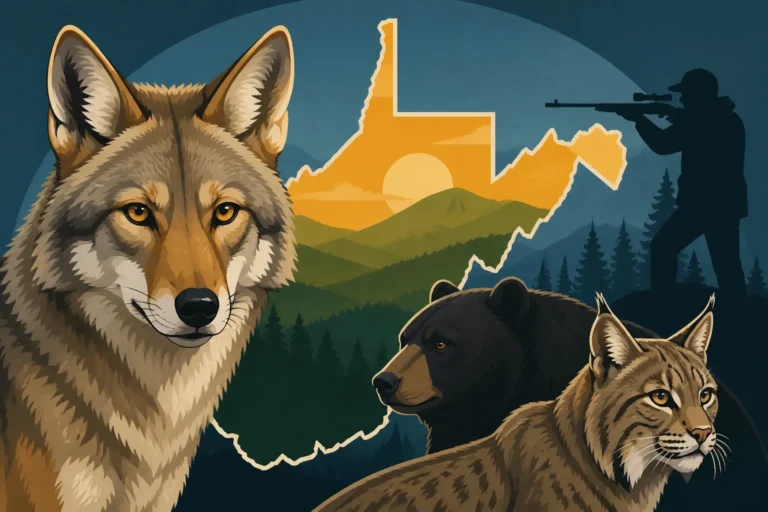
Wild turkeys face a natural gauntlet of predators, especially during their vulnerable poult stage. Coyotes, bobcats, foxes, raccoons, opossums, and even raptors like great horned owls all prey on turkeys, their eggs, and their young. While predation is a natural part of the ecosystem, an imbalance, perhaps due to unnaturally high predator populations or poor turkey nesting cover, can impact recruitment. The WVDNR monitors these dynamics, understanding that maintaining healthy turkey numbers means also managing a balanced predator-prey relationship.
Diseases can also pose a threat. Avian pox, blackhead disease, and other pathogens can sometimes sweep through local populations, especially if turkeys are stressed or habitat quality declines. The WVDNR actively monitors for disease outbreaks and collaborates with other agencies to understand and mitigate these risks. It's a constant balancing act to ensure the birds are healthy enough to withstand these natural pressures, sometimes impacting local harvest numbers like those mentioned in West Virginia Turkey Harvest Numbers.
Habitat Fragmentation and Development
While much of West Virginia remains heavily forested, ongoing development, including new infrastructure, housing, and resource extraction, can lead to habitat fragmentation. When large, continuous blocks of forest are broken up by roads, clearings, or human structures, it can isolate turkey populations, limit their movement, and reduce the overall carrying capacity of the land. Smaller, isolated patches of habitat are less resilient to environmental changes and more susceptible to local population declines.
Conservation efforts today focus on not just managing existing public lands but also encouraging private landowners to participate in habitat enhancement and protection. Programs designed to maintain forest connectivity, protect riparian corridors, and promote sustainable forestry practices on private lands are increasingly important. This comprehensive approach ensures that turkeys have not only good habitat but also the ability to move freely and adapt across the landscape. Hunters looking for new hunting grounds might consider leveraging tools like GoHunt to scout areas near Hunting Potomac Highlands Public Land or Hunting Ohio River Valley Bottomland to see what habitat exists.
Modern Challenges and Hunter Engagement
Beyond ecological threats, wild turkeys face challenges related to human activity and an ever-evolving hunting landscape. Increased hunting pressure in easily accessible areas, changes in land use, and even shifts in climate patterns can all influence turkey populations. The WVDNR constantly evaluates harvest data, hunter feedback, and biological surveys to make informed decisions about season lengths, bag limits, and specific regulations.
The continued engagement of hunters is paramount. This includes participating in citizen science projects, reporting violations, and supporting conservation organizations. Programs like mentoring new hunters are also vital, ensuring that the passion for wild turkeys and the knowledge of their conservation is passed down through generations. Whether it's practicing Run-and-Gun Turkey Tactics on Public Land or setting up in a specific area like Turkey Tactics for Eastern Panhandle Field Edges, informed hunters are an essential part of the ongoing success story. As we move forward, the commitment of everyone involved, from state agencies to individual outdoor enthusiasts, will determine the long-term future of these iconic birds in the Mountain State, ensuring that the thrill of a gobbler ringing in the spring woods remains a cherished West Virginia tradition.
Disclaimer
The information provided in this guide is for general informational purposes only and is subject to change. Hunting regulations, season dates, and license requirements are set by the West Virginia Division of Natural Resources (WVDNR) and can be updated annually. Always consult the official WVDNR hunting regulations prior to any hunting activity. While we strive to provide accurate and up-to-date information, it is the individual hunter's responsibility to know and follow all applicable laws and regulations.