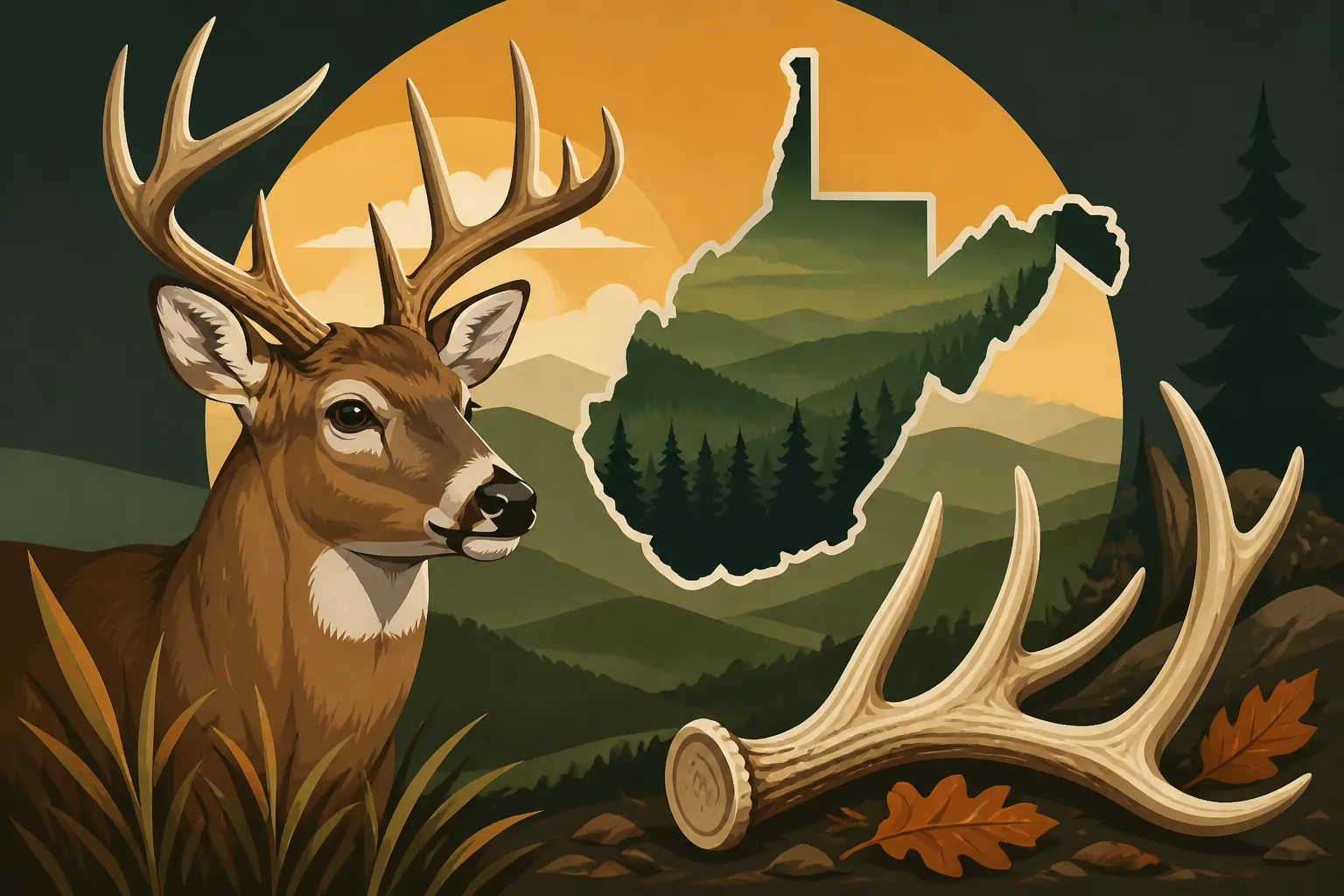
When West Virginia Bucks Shed Antlers
That feeling when the West Virginia deer season wraps up, and you're already itching for the next hunt. It's a universal truth for Mountain State hunters. But for many, the late winter and early spring bring a different kind of pursuit: shed hunting. The big question always looms, though: "When exactly do West Virginia bucks shed their antlers?" It feels like a secret the deer keep, and the timing can be as unpredictable as a January thaw. This guide will pull back the curtain on the biological clocks and environmental factors that govern when those prized racks hit the forest floor, helping you better time your search for shed antlers.
Understanding the Biological Factors Behind Antler Shedding
Antler shedding isn't just a random event; it's a carefully orchestrated biological process driven by hormones and environmental cues. Knowing what triggers a buck to drop its rack can give you a significant advantage when you're planning your shed hunting excursions. It's all about how a buck's body responds to the changing seasons and its own internal state.
The Role of Hormones and Photoperiod
At the heart of antler shedding lies a delicate dance of hormones, primarily testosterone. Throughout the summer and fall, as daylight hours shorten—a phenomenon known as photoperiod—a buck's testosterone levels begin to climb. This surge is what fuels the rut, making bucks aggressive, territorial, and ready to breed. It also maintains the hard, bony connection between the antlers and the pedicles on the buck's skull.
However, once the breeding season, or rut, peaks and begins to wind down – often around When the West Virginia Rut Peaks in mid-November – those high testosterone levels start to decline. As the days grow shorter and the intensity of the rut fades, the buck's body no longer needs that constant hormonal boost. When testosterone drops below a certain threshold, it signals the bone cells at the base of the antler to begin breaking down, forming what's called an "abscission layer." This weakening connection eventually causes the antler to detach and fall off. It's a completely natural, annual cycle for mature bucks, signaling the end of one year's antler growth and the preparation for the next. The precise timing is a bit of a moving target, varying from buck to buck, but the underlying mechanism is consistent across the deer herd.
Nutritional Impact on Antler Retention
While hormones are the primary drivers, a buck's nutritional status plays a huge supporting role in how long it holds its antlers. Think about it: the rut is incredibly taxing. Bucks are expending massive amounts of energy chasing does, fighting rivals, and barely eating. They often enter the late season exhausted and in poorer physical condition than they were in early fall.
A buck that went into the rut in prime physical shape, with good fat reserves, and had access to plentiful food sources throughout the fall and early winter will generally hold its antlers longer. Its body has the resources to sustain itself and maintain that antler connection even as testosterone wanes. Conversely, a buck that was run ragged during the rut, perhaps had to travel far for food, or simply struggled to find enough high-quality forage after the breeding season, will likely shed its antlers much earlier. Its body is under stress, prioritizing survival and regaining lost body condition over holding onto what is essentially a decorative, energy-intensive bone growth. Access to Late-Season Food Sources for West Virginia Whitetails is critical during this period. The weaker the buck's overall health and nutritional state, the sooner its body will "cut ties" with its antlers to conserve energy for the long winter ahead.
Typical Shedding Timelines in West Virginia
Knowing the biological reasons is one thing, but pinpointing the actual dates can feel like guesswork. While there's no exact calendar date etched in stone, we can look at general trends and regional variations within West Virginia to get a better idea of when those sheds might be on the ground.
Peak Shedding Windows by Region
Generally speaking, West Virginia bucks tend to shed their antlers from late January through March, with February often being the peak month. However, this is a broad stroke, and our diverse state means there are nuances.
In the higher elevations of the Potomac Highlands, where winters can be more severe with deeper snow and prolonged cold snaps, bucks might be stressed earlier, leading to an earlier drop. Think about areas around Monongahela National Forest; the harsh conditions there can push deer to shed on the earlier side of that window. On the flip side, in the milder climates of the Eastern Panhandle, particularly in agricultural areas with abundant leftover crop fields and less strenuous terrain, bucks might hold their antlers a bit longer. They have better access to consistent food and face less environmental stress, allowing their bodies to delay the shedding process.
The southern coalfield counties, with their steep topography but often slightly milder winters than the highest mountains, might see shedding align closer to the statewide average. It truly is a sliding scale, influenced by local conditions more than anything. It's wise to consider the general statewide pattern, but always keep your specific county's typical weather and habitat in mind.
| West Virginia Region | General Shedding Window | Notes |
|---|---|---|
| Potomac Highlands | Late January – Mid-March | Can be earlier due to harsh winter conditions. |
| Eastern Panhandle | Mid-February – Late March | Often later due to milder conditions, abundant food. |
| Central/Western WV | Early February – Late March | Generally aligns with statewide peak. |
| Southern Coalfields | Early February – Mid-March | Influenced by elevation and localized conditions. |
Early Droppers Versus Late Holders
Even within the same county, even on the same ridge, you'll encounter individual bucks that defy the general timeline. You might find a fresh shed in late January, only to see another buck on a trail camera in late March still sporting its full rack. This individual variation is a fascinating aspect of deer biology.
Some bucks are just genetically predisposed to shedding earlier, almost like some people are naturally early risers. Their hormonal cycles might trigger that abscission layer breakdown a bit sooner than others. Age can also play a role; sometimes younger bucks, especially those that didn't go through as intense a rut, might drop earlier. Conversely, older, more dominant bucks, if they managed to maintain excellent health through the rut and winter, can be notorious for holding onto their antlers well into April. These late holders are often the ones that spark excited whispers in local hunting camps – "Did you see that old eight-point still got his rack?!"
The intensity of an individual buck's rut can also be a factor. A buck that bred hard, fought frequently, and traveled extensively will be more run down, making it more likely to shed its antlers sooner than a buck that had a less demanding breeding season. It's a reminder that every deer is an individual, and while we can predict trends, nature always throws in a few surprises.
Environmental Influences on Shedding
Beyond the internal biology of the buck, the external world plays a significant role in dictating when those antlers hit the dirt. West Virginia's weather and diverse landscapes mean that environmental pressures can greatly accelerate or delay the shedding process.
Weather Patterns and Stressors
The kind of winter we experience in West Virginia can dramatically influence when bucks shed their antlers. A severe winter, characterized by prolonged periods of deep snow, biting cold snaps, and icy conditions, acts as a major stressor on deer. When snow covers food sources for extended periods, deer must expend more energy just to find browse, scrape through snow for acorns, or simply stay warm. This increased energy expenditure and nutritional deficit will often cause bucks to shed their antlers earlier. Their bodies are working overtime just to survive, and maintaining a non-essential structure like antlers becomes a luxury they can't afford. The body prioritizes fat reserves and muscle mass for survival.
On the other hand, a mild winter, with less snow, warmer temperatures, and easy access to natural food sources, generally means less stress on the deer herd. In these conditions, bucks are more likely to hold their antlers longer. Their bodies aren't burning as many calories to stay warm or find food, allowing them to maintain that antler connection well into the spring. Think of it as a natural thermostat for antler shedding – the colder and harder the winter, the faster those antlers tend to drop.
Impact of Deer Density and Habitat Quality
The local deer population density and the overall quality of the habitat are also critical environmental factors. In areas with extremely high deer densities, competition for food resources is naturally much higher. Even if food is abundant, sharing it among many mouths can lead to individual deer being less nourished. This increased competition and potentially poorer nutritional status for individual bucks can result in earlier shedding across that segment of the herd. The stress isn't just from weather, but from constant competition for every bite of forage.
Conversely, in areas with well-managed, high-quality habitat featuring diverse food sources – from mast crops like acorns and hickory nuts to browse and winter greens – deer are generally healthier. These areas provide the sustenance bucks need to recover from the rut and withstand winter's grip, allowing them to retain their antlers for a longer duration. Habitat improvements, whether through natural forest regeneration or intentional food plot planting, can significantly influence the health of the deer herd and, by extension, their shedding patterns. Understanding factors like West Virginia Deer Population Estimate and localized herd health can give you clues about when to expect to find sheds in a particular area.
Practical Tips for Finding West Virginia Sheds
Now that we've covered the science and the external factors, let's talk about the fun part: actually hitting the woods! Finding sheds is a rewarding pursuit that extends your hunting season, allows for valuable scouting, and connects you deeper with the movements of West Virginia's whitetails.
Best Time and Places to Look
The key to successful shed hunting in West Virginia is timing and strategy. While some early birds might drop in late January, the most productive time to start seriously looking is usually mid-February through March, after the majority of bucks have shed. Heading out too early can mean you're just pushing stressed deer around without finding many antlers.
When it comes to where to look, think like a deer in late winter. They are focused on food, rest, and efficient movement. Start by concentrating your efforts in areas near known Late-Season Food Sources for West Virginia Whitetails, such as abandoned agricultural fields, logging cuts with young browse, persistent mast crops (if any are left), or even power line clearings that often grow succulent forage.
Next, focus on bedding areas. Bucks will often bed in thickets, dense laurel patches, or on south-facing slopes that catch the most sun, offering warmth and cover. Antlers frequently come off when a buck is getting up from its bed or maneuvering through thick brush.
Don't forget travel corridors. Deer will use the path of least resistance between bedding and feeding areas. These can be ridgelines, creek bottoms, old logging roads, or natural pinch points like a saddle between two hollows. As you walk these routes, pay close attention to where deer might jump over a log or squeeze through a fence, as these jarring movements can knock an antler loose. Using mapping apps, like those available through GoHunt, can be incredibly helpful for marking historical bedding areas, travel routes, and even past shed finds. This allows you to build a database of productive spots year after year.
Ethical Shed Hunting Considerations
Just like any outdoor pursuit, shed hunting comes with its own set of ethical guidelines that are crucial to follow, especially in West Virginia's rugged terrain. The most important rule is to not disturb the deer. Late winter is a tough time for whitetails; they've burned through much of their fat reserves during the rut and are trying to conserve energy to make it to spring. Pushing deer, especially during harsh weather or deep snow, can cause them undue stress and expend critical calories they can't afford to lose. If you see deer while shed hunting, back off quietly and come back another day.
Always respect private property boundaries. In West Virginia, many prime deer habitats are on private land, and you absolutely need permission to access it. Trying to retrieve a shed from posted land without permission is trespassing and can damage the reputation of all hunters. Additionally, be mindful of any local regulations. While not common for sheds, some public lands might have specific rules regarding access or collecting. A quick check of the West Virginia DNR website or using mapping tools like GoHunt that overlay property lines can prevent accidental trespassing.
Consider combining your shed hunting trips with Scouting West Virginia Public Land Before Season. You can find sheds, locate new bedding areas, identify promising travel corridors, and even check for Scrape Lines Along a Logging Road or rub lines that will tell you where bucks were active. If you encounter any sick or deceased deer while shed hunting, especially in areas with West Virginia's Chronic Wasting Disease Counties, it's important to report it to the WVDNR. This helps wildlife officials monitor herd health and the spread of diseases. Shed hunting is a privilege, and by acting responsibly, we ensure future access and healthy deer populations.
Disclaimer
This article is for general informational purposes only and does not constitute professional advice. Laws, prices and regulations vary by location and change over time. Consult a qualified professional for guidance on your specific situation.