Elk Viewing in West Virginia
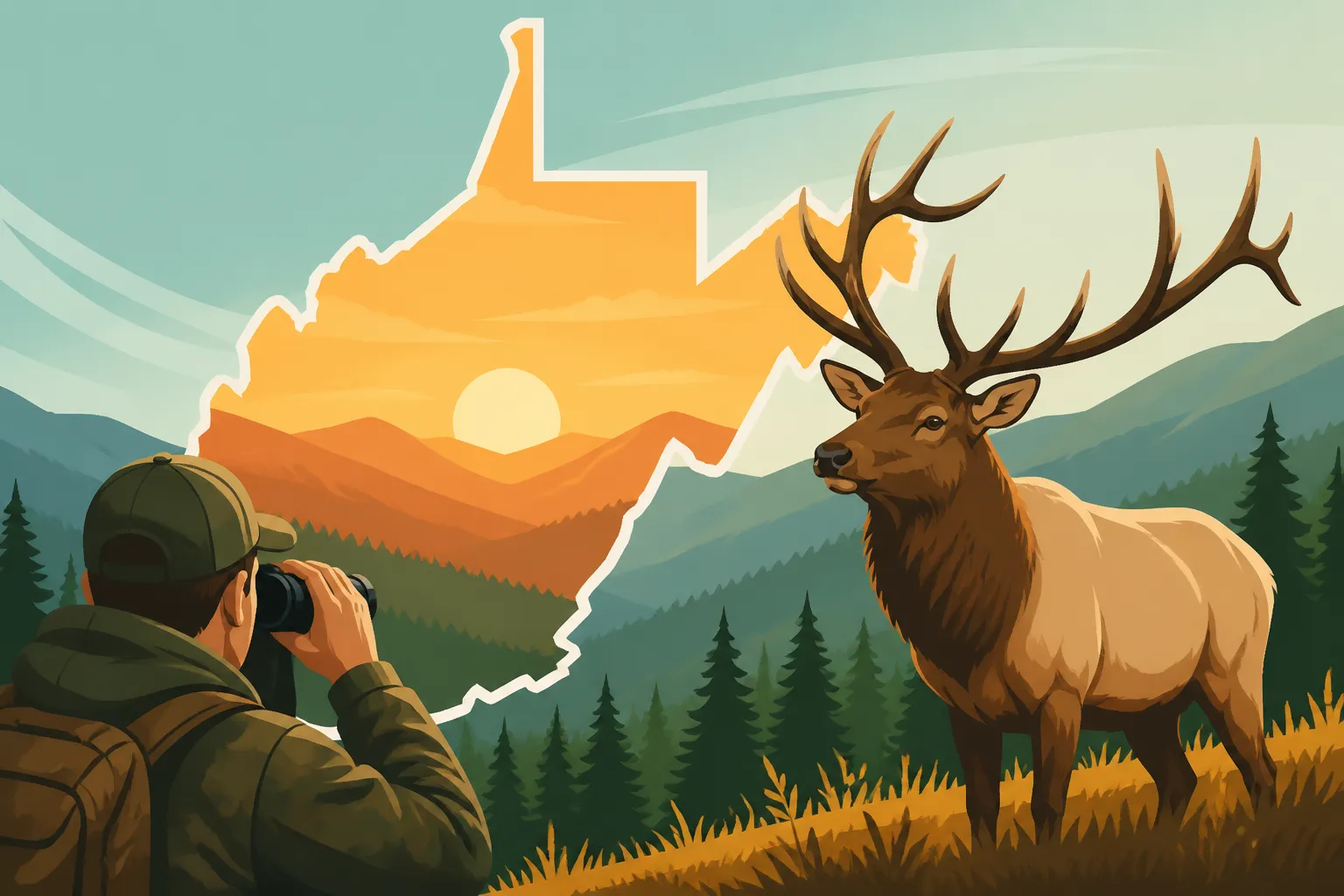
It's a common misconception that West Virginia's wild places are only for hunting, but the Mountain State offers incredible opportunities for wildlife viewing, too. Many folks are curious about the elusive elk that have made a grand return to our rugged landscape, often wondering if they can witness these magnificent creatures without a hunting tag. This comprehensive guide will walk you through everything you need to know about experiencing the magic of West Virginia's elk, from understanding their comeback to finding the best viewing spots and ensuring a respectful encounter.
The Majestic Return of West Virginia's Elk Herd
For generations, the idea of seeing a wild elk roam our West Virginia mountains was just a historical footnote. These incredible animals were once abundant, shaping the landscape and featuring prominently in the natural history of our state. However, due to unregulated hunting and habitat loss during the settlement era, elk were extirpated from West Virginia by the late 1800s. It was a silent loss, deeply felt by those who understood the ecological richness they represented.
A Brief History of Elk in the Mountain State
Imagine our valleys and ridge tops, not just echoing with the gobble of a turkey or the bark of a squirrel, but with the bugle of a bull elk. This was the reality for centuries before European settlement. Native American tribes, who understood the land intimately, relied on elk for sustenance and held them in high cultural regard. Historical accounts and archaeological findings confirm their widespread presence, from the northern panhandle down to the southern coalfields. Their absence for over a century left a noticeable void in our ecosystems, as they play a crucial role as large herbivores in maintaining forest health and diversity.
The Story of West Virginia's Elk Restoration Program
Fast forward to the 21st century, and a dream began to take shape: to bring elk back to West Virginia. This wasn't a quick or easy feat; it involved years of planning, habitat assessment, and securing support from conservation groups, state agencies, and local communities. The journey involved carefully selecting donor herds from other states, ensuring their health and genetic viability, and then meticulously transporting them to their new home. The first reintroductions occurred in the southern coalfields, a region specifically chosen due to its extensive reclaimed mine lands that offered vast, open grasslands interspersed with young forests—ideal elk habitat. This monumental effort shows just How Elk Returned to Southern West Virginia, marking a new chapter in our state's conservation story. Since those initial releases, the herd has been monitored closely, and with continued dedication to habitat management, we've seen promising growth, reflecting the success of these programs in restoring a lost piece of our natural heritage.
Prime Locations for Spotting West Virginia Elk
While the notion of elk roaming our hills might still feel new to some, the herd is growing, and with that growth comes more opportunities for us to observe them. However, they're not just anywhere; successful elk viewing requires knowing where to focus your efforts. These animals thrive in specific habitats, and understanding these preferences will greatly increase your chances of a memorable encounter.
Tomblin Wildlife Management Area: The Heart of Elk Country
If you're serious about seeing West Virginia's elk, your first and best bet is the Tomblin Wildlife Management Area (WMA). This expansive area, primarily located in Logan County with some spillover into Mingo, McDowell, and Wyoming counties, was specifically designated as the core release site and management hub for the elk reintroduction. The landscapes here are unique for West Virginia, featuring vast stretches of reclaimed surface mine land that have been carefully cultivated with grasses and legumes, creating perfect forage for large herbivores. These open areas, bordered by dense timber, act like natural magnets for elk.
When you visit Tomblin, you're stepping into the epicenter of the restoration effort. The terrain can be challenging, but it's well worth the effort. The WVDNR and conservation partners have invested heavily in creating viewing opportunities, sometimes including designated viewing areas or even guided tours during peak seasons. Getting to know The Tomblin Wildlife Management Area Elk Herd is a truly special experience, and this area offers the highest probability of spotting these majestic animals. Always remember that these are wild animals, and their movements are unpredictable, so patience and respect for their space are paramount. You can often find them grazing in the early morning or late evening hours in the large clearings, especially where they feel secure and have easy access to cover.
Beyond Tomblin: Exploring Expanding Elk Range
While Tomblin WMA is the undisputed heartland, the elk herd isn't static. As the population grows and elk disperse, their range is slowly but steadily expanding into adjacent areas. This natural expansion means that you might start to see elk in other parts of the southern coalfields, particularly in counties bordering Tomblin WMA. Areas with similar reclaimed mine lands, or even large tracts of private timberland and public lands that offer a mix of open forage and dense cover, could become secondary viewing locations.
However, venturing beyond the designated WMA requires a different approach. These areas are not managed specifically for elk viewing, and the elk presence might be more scattered or seasonal. It means doing your homework, often relying on local reports or even scouting apps. For instance, using a platform like GoHunt can help you analyze satellite imagery to identify promising habitat features like open fields near thick timber, even if they're not explicitly marked as "elk viewing" spots. Remember, public lands further afield, though not primary elk zones, do host a variety of game and offer vast spaces for observation; learning about Public Hunting Land in West Virginia can give you a better understanding of potential expansion areas for elk. Keeping an eye on WVDNR updates is also crucial, as they regularly report on herd expansion and new sightings, giving you the most current information on where to look.
Timing Your Trip for Optimal Elk Encounters
Just like deer and bears, elk have seasonal patterns of behavior that can greatly influence your chances of seeing them. Knowing when to visit can transform a hopeful drive into a truly unforgettable wildlife experience. Each season brings different opportunities and challenges for the dedicated elk viewer.
The Autumn Bugle: Rutting Season Spectacle
Without a doubt, the most exciting time to view elk in West Virginia is during the autumn rut. Typically peaking in late September and extending into October, this is when the bulls are most active, vocal, and visible. Driven by the primal urge to breed, mature bull elk will bugle—a haunting, multi-tonal call that echoes through the valleys. Hearing a bull elk's bugle in person is an experience that sends chills down your spine and connects you to the wild in a profound way. During the rut, bulls engage in sparring matches to establish dominance, round up their harems of cows, and move much more freely across open terrain. This heightened activity makes them easier to locate and observe.
If you plan to witness this spectacle, remember that these animals are focused on breeding, and you must maintain an even greater respectful distance to avoid disturbing them. Early mornings and late evenings are prime times, as the bulls are most vocal and active during these cooler hours. Learning When West Virginia Elk Bugle can help you pinpoint the exact peak of the activity for your visit. It’s an incredible time to observe complex social dynamics, from the intense stare-downs between rival bulls to the cows subtly responding to the calls of a dominant male. However, be prepared for more visitors during this popular period, as many are drawn to the allure of the bugle.
Spring and Summer: Calmer Viewing Opportunities
While the autumn rut offers drama and vocalization, spring and summer provide their own unique charm for elk viewing, albeit with a calmer atmosphere. In the spring, after the long winter, elk are drawn to new green growth. Cows that are pregnant or have recently calved will seek out secluded areas for birthing and raising their young. This period from late May through June can offer glimpses of cow-calf pairs, a heartwarming sight that signifies the future of the herd. These young calves are often hidden in dense cover, but mothers will bring them out to graze in open areas when they feel safe.
Summer sees elk focusing on feeding to build up reserves for the coming rut and winter. They will often graze in open fields during the cooler parts of the day, particularly dawn and dusk. Midday can be more challenging as they often retreat to the shade of the timber to ruminate and escape biting insects. During these seasons, you'll need keen eyes and possibly a good spotting scope or binoculars to scan distant hillsides and clearings. It's a quieter experience, focused more on observing their natural grazing and social behaviors rather than the high-stakes drama of the rut. You might see bachelor groups of bulls, their antlers growing rapidly throughout the summer, covered in velvet. This is a great time to appreciate the subtle beauty of their existence and the sheer size of these animals.
Winter Woes: The Challenges of Cold-Weather Viewing
Winter can be a more challenging time for elk viewing in West Virginia. As temperatures drop and snow blankets the mountains, elk often move to lower elevations or areas with better shelter and more accessible food sources. Their activity levels might decrease, and they tend to conserve energy, spending more time bedded down. The natural landscape also changes, with bare trees offering less concealment for the viewer but also less cover for the elk, making them potentially more visible if you can find them.
However, winter viewing requires extra preparation. Roads in some remote areas might become impassable due to snow and ice, limiting access. The elk themselves will be under more stress, relying on stored energy and limited forage, so it's even more critical to keep a significant distance and avoid disturbing them. Flushing them can cause them to expend precious energy needed for survival. While finding them can be tougher, if you're prepared for the cold and have the right gear, a snowy landscape can offer a starkly beautiful backdrop for a rare sighting, often presenting a unique challenge for the dedicated wildlife enthusiast. Always check local road conditions and weather forecasts before venturing out in winter.
| Season | Best for | Viewing Tips | Challenges |
|---|---|---|---|
| Autumn (Sept-Oct) | Bugling bulls, rutting behavior, large herds | Early morning, late evening in open fields; listen for bugles | Higher visitor numbers, elk focused on breeding (maintain distance) |
| Spring (Apr-Jun) | Cow-calf pairs, new growth grazing | Look for elk near fresh green-up in clearings; quiet observation | Calves are often hidden, less active than rut |
| Summer (Jul-Aug) | Grazing bachelor bulls, cows, steady feeding | Dawn/dusk in open fields, midday in shade; use optics for distance | Heat, insects, elk may be seeking cover more |
| Winter (Nov-Mar) | Unique snowy backdrop, potentially more visible if found | Focus on lower elevations, sheltered areas with accessible forage | Limited access due to snow/ice, elk under more stress (avoid disturbance) |
Ethical and Safe Elk Viewing Guidelines
Elk viewing is a privilege, not a right, and it comes with a responsibility to the animals and their habitat. Our goal as observers should always be to minimize our impact, ensure the safety of both ourselves and the elk, and uphold the highest standards of wildlife ethics. Remember, these are wild animals, and their behavior can be unpredictable, especially if they feel threatened or stressed.
Maintaining a Respectful Distance
The golden rule of wildlife viewing is to keep your distance. For elk, this means using binoculars or a spotting scope to get a close-up view, rather than trying to approach them physically. A general guideline is to remain at least 100 yards away, but if the elk show any signs of agitation—like raising their heads, stomping, or moving away—you're too close. Getting too close can alter their natural behavior, cause stress, and in extreme cases, habituate them to humans, which can be detrimental to both the animals and future viewing opportunities. Imagine if someone constantly followed you around; it'd be pretty annoying, right? Elk feel the same.
Never try to "call" elk to you or entice them with food. Feeding wild animals, especially large game like elk, can lead to serious problems, including aggression towards humans, dependence on artificial food sources, and the spread of disease. It's also illegal. The aim is to observe them in their natural state, allowing them to remain wild and untamed. Respecting private property boundaries is also key; always be aware of your location and avoid trespassing, just as you would when Scouting West Virginia Public Land Before Season. Your presence should be as unobtrusive as possible, a quiet moment shared with nature, not an intrusion.
Safety Considerations in Elk Habitat
Beyond respecting the elk, you need to consider your own safety. Elk, especially large bulls during the rut or cows with calves, can be dangerous if they feel threatened. They are powerful animals, and a charging elk is not something you ever want to encounter. Stay alert, especially in areas where visibility might be limited, like dense brush or around bends in a trail. If you happen to surprise an elk, back away slowly and calmly, giving it plenty of space to move off. Never get between a cow and her calf.
Additionally, elk habitat often overlaps with bear and coyote territory. While encounters are rare, it's wise to carry bear spray and know how to use it. Make noise as you walk, especially in thick cover, to avoid surprising any wildlife. Inform someone of your plans, including where you're going and when you expect to return, especially if you're venturing into more remote areas like those found in the Potomac Highlands Public Land. Cell service can be spotty in the mountains, so don't rely solely on your phone for navigation or emergencies. Being prepared with a first-aid kit, plenty of water, and appropriate clothing for the weather and terrain is always a smart move.
Preparing for Your Elk Viewing Adventure
A successful elk viewing trip isn't just about showing up; it's about being prepared. Just like any outdoor adventure in West Virginia, having the right gear and knowing how to access information can make all the difference between a frustrating search and a breathtaking encounter.
Essential Gear for Elk Spotting
To truly appreciate the grandeur of West Virginia's elk, you'll need more than just your naked eye. Investing in quality optics is paramount. A good pair of binoculars, ideally 10×42 or 12×50, will allow you to scan distant hillsides and pick out elk that might otherwise appear as mere specks. If you want to get even closer views without disturbing the animals, a spotting scope (20-60x or higher) on a sturdy tripod is invaluable. This is especially true when viewing across wide, reclaimed mine fields. Learning about Optics for Steep Allegheny Terrain can provide even more insights into choosing the right glass for our mountain environment.
Beyond optics, consider your clothing. Layers are always wise in West Virginia's unpredictable weather, even in fall. Think muted, natural colors to blend in with your surroundings, though bright colors aren't as critical as when hunting, as you're trying to observe, not hide from their senses of smell and hearing. Comfortable, waterproof hiking boots are a must for navigating uneven and potentially muddy terrain. A backpack with water, snacks, a headlamp, a first-aid kit, and a rain jacket will round out your essentials. Don't forget a camera with a good zoom lens to capture those incredible moments from a distance. A portable chair or cushion can also make long periods of patient waiting much more comfortable.
Resources for Planning Your Visit
Planning is key to maximizing your chances of seeing elk. Start by visiting the West Virginia Division of Natural Resources (WVDNR) website. They are the authoritative source for information on West Virginia's Restored Elk Herd, including updates on population numbers, range expansion, and specific viewing guidelines for areas like Tomblin WMA. They also often provide maps and direct contact information for regional biologists who might offer valuable insights.
Digital mapping tools are incredibly helpful. Apps like GoHunt, for example, allow you to overlay public and private land boundaries, topography, and satellite imagery, helping you identify prime habitat features even before you leave home. This can be crucial for understanding terrain and potential travel routes for elk, and can even help you pinpoint access points. While a hunting license isn't required for viewing, understanding West Virginia Hunting Licenses and What They Cost and how the Go Wild West Virginia system works can be beneficial for general knowledge of state regulations, and for using resources like Using the Go Wild West Virginia Map Tool to navigate public lands. Local tourism offices in counties like Logan, Mingo, and McDowell can also provide information on accommodations, dining, and other attractions in the area, helping you build a comprehensive trip plan. Remember, patience is a virtue when it comes to wildlife viewing, but preparation ensures you're ready when the moment arrives.
Disclaimer
This article is for general informational purposes only and does not constitute professional advice. Laws, prices and regulations vary by location and change over time. Consult a qualified professional for guidance on your specific situation.