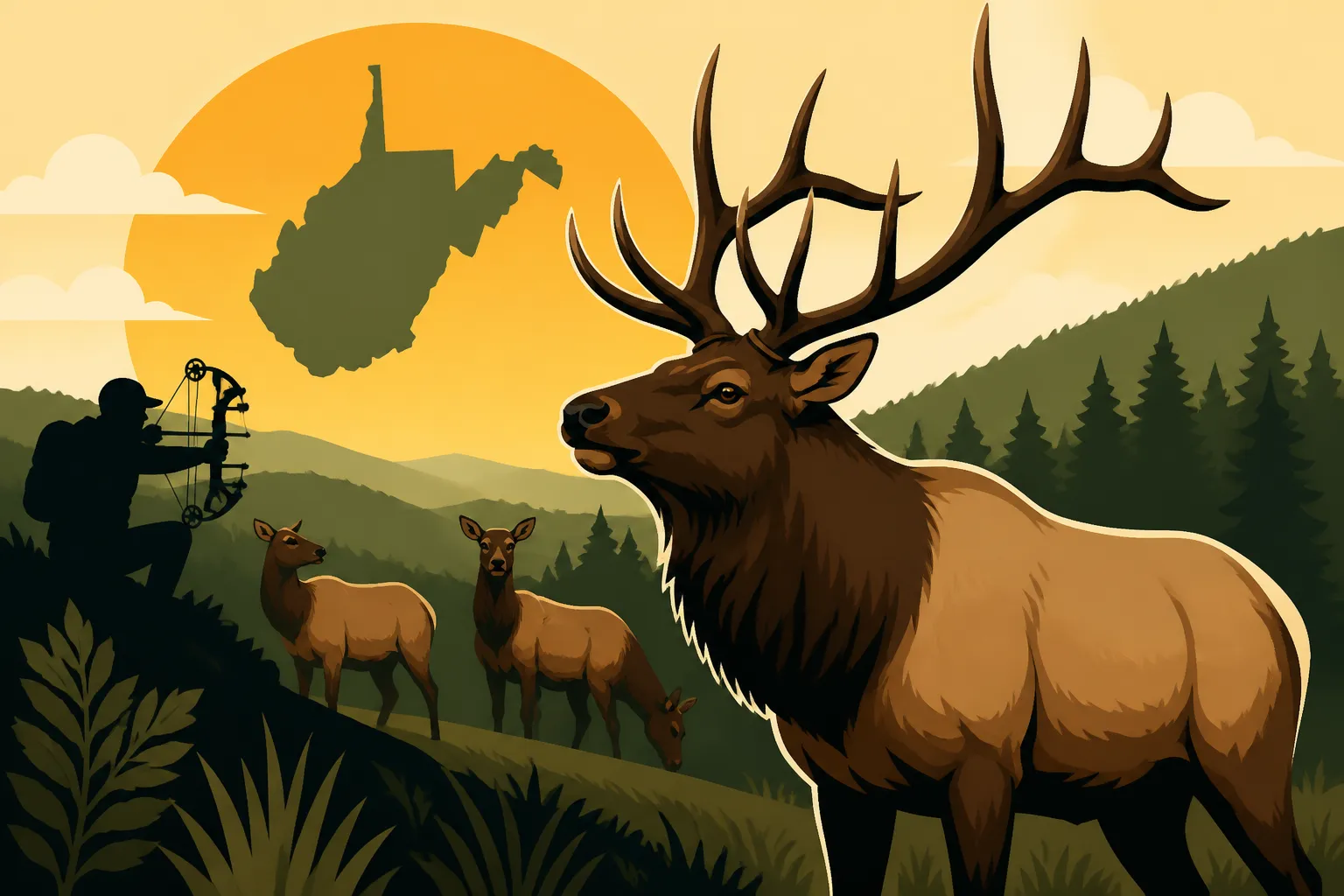
The Tomblin Wildlife Management Area Elk Herd
For anyone who remembers West Virginia before the elk returned, the very idea of a thriving herd of these magnificent animals roaming our mountains felt like a distant dream, a whisper from a forgotten past. But thanks to dedicated conservation efforts, the Tomblin Wildlife Management Area has become the heart of West Virginia's elk restoration success, transforming reclaimed lands into a vibrant ecosystem where these giants once again bugle and roam. This guide will delve deep into the remarkable story of the Tomblin elk herd, exploring their journey back, their life within the WMA, and how you can experience these incredible creatures for yourself.
The Return of a Giant to West Virginia
It’s hard to imagine our wild and wonderful landscape without elk, yet for over a century, that was the reality. The thunderous bugle of a bull elk had been silenced in West Virginia, a casualty of overhunting and habitat destruction that swept across much of North America in the 19th and early 20th centuries. The dream of bringing them back was a long time coming, filled with discussions, planning, and an incredible amount of passion.
A History of Absence and Reintroduction
The last known native elk in West Virginia was reportedly killed around 1875. For generations, they were just a footnote in history books, a species our grandparents never knew in the wild. But the visionaries in the West Virginia Division of Natural Resources (WVDNR) never gave up on the idea of seeing them here again. They watched the successful reintroduction efforts in neighboring states and began to lay the groundwork for a similar return home. It wasn't just about dropping a few animals into the woods; it was a complex undertaking involving habitat assessment, public education, and securing the right source herds.
The process of reintroducing elk involved more than just relocating animals; it required an understanding of their historical range, their needs for large tracts of suitable habitat, and the support of local communities. The WVDNR carefully studied successful models from other states, knowing that the mountains and valleys of West Virginia, particularly the vast expanses of reclaimed mine lands, held incredible potential. This meticulous planning was crucial to ensure that once the elk arrived, they would have the best possible chance to not just survive, but to truly thrive.
Why Southern Coalfields Was Chosen for Elk
When it came time to pick a location, the decision to focus on the Southern Coalfields region, particularly around Logan and McDowell counties, was no accident. This area, marked by vast stretches of reclaimed surface mine land, offered something unique: expansive open grasslands mixed with regenerating timber, providing a mosaic of forage and cover that elk absolutely adore. It was a landscape recovering from industrial use, now ripe for a new purpose—a home for returning wildlife. The topography and sheer acreage presented a perfect canvas for a large, free-ranging herd to spread out and establish themselves without immediately bumping into heavy human development. You can read more about Why Southern Coalfields Was Chosen for Elk if you're curious about the specifics of this strategic choice.
Beyond the habitat, the social aspect played a huge role. Many of these reclaimed lands were already owned or managed by public or private entities open to the restoration project, minimizing conflicts that could arise from established agricultural operations or high-density housing. The communities in the Southern Coalfields, many with a deep connection to the land and a desire for economic diversification, largely embraced the idea of elk as both a wildlife success story and a potential tourism draw. This made the region not just ecologically viable, but also socially receptive to the idea of welcoming elk back.
The Initial Stocking and Growth
The big day finally arrived in late 2016 when the first group of elk, carefully sourced from Kentucky's booming herd, were released into the wilds of Tomblin WMA. I remember the excitement, the photos and videos circulating – it felt like a monumental moment for our state's conservation history. These initial animals, followed by subsequent releases, began the slow but steady process of building the herd. It wasn't without its challenges; elk are wild animals, and they sometimes wander, but the core group quickly adapted to their new home. The WVDNR diligently tracked their movements, monitored their health, and continued habitat improvements to give them every advantage.
The early years were a critical period of observation and adjustment. Biologists and volunteers spent countless hours monitoring the transplanted elk, ensuring they were settling in and reproducing. Each calf born in West Virginia was a testament to the success of the program, a small step towards a robust, self-sustaining population. The progress has been remarkable, showing how dedicated conservation efforts can truly bring back species from the brink. For a deeper dive into this journey, you can check out How Elk Returned to Southern West Virginia and track the overall expansion in West Virginia Elk Herd Growth Since Reintroduction.
Life Within Tomblin Wildlife Management Area
Tomblin WMA isn't just a place where elk were released; it's an actively managed home designed to cater to their needs. The landscape itself, a product of previous land use, provides a unique mix of features that are ideal for a large herbivore like the elk. Understanding this environment helps us appreciate why the herd has done so well.
Habitats and Home Ranges
The terrain at Tomblin WMA is a fascinating blend of open grasslands, old logging roads, new forest growth, and steep hollows. This mosaic creates the perfect scenario for elk, offering them wide-open areas for grazing and sunning, dense cover for bedding and protection from the elements or predators, and reliable water sources. The reclaimed lands often feature specific forage plantings that were part of the reclamation process, which conveniently provide excellent nutritional value for elk. They move through these varied habitats throughout the day, following the food, seeking shelter, and navigating their home ranges. Many hunters rely on advanced mapping tools, like those offered by GoHunt, to analyze topography, identify potential feeding areas, and plan their approach long before the season, whether for elk or other game.
The mix of grasses, forbs, and browse found across the WMA provides a year-round pantry for the elk. In spring and summer, they feast on lush greens, building up reserves. As fall approaches, they might shift their diets to acorns, persistent green browse, or even agricultural crops planted specifically for wildlife, where available. This varied diet is crucial for their health and reproductive success, particularly for the large bulls putting on weight for the rut and cows supporting pregnancies.
Daily Behaviors and Seasonal Movements
Elk, like most large game, are creatures of habit but also opportunistic. Their daily routines are heavily influenced by factors like food availability, weather, and pressure from other animals or humans. You'll often find them grazing in the open fields during dawn and dusk, then retreating to the security of timbered slopes or dense brush during the middle of the day to chew their cud and rest. During the fall, especially from late September into October, the entire WMA comes alive with the distinct sounds of the elk rut. It's a truly amazing time to be in the woods, hearing the primal calls of the bulls echoing across the hollows. This is When West Virginia Elk Bugle for mating dominance, challenging each other, and gathering their harems.
As seasons change, so do the elk's preferred areas. In winter, they might concentrate in areas with easier access to food and shelter, perhaps lower elevations that get less snow or south-facing slopes that thaw faster. During calving season in late spring, cows will seek out secluded areas with plenty of cover to give birth and raise their young, keeping their calves hidden from potential threats. Understanding these seasonal shifts is key for anyone hoping to observe or hunt them.
Management Efforts for the Herd
The WVDNR plays an active, hands-on role in managing the Tomblin WMA elk herd. This isn't a "set it and forget it" situation; it's ongoing stewardship. They implement habitat improvement projects, such as planting food plots designed to supplement natural forage, conducting controlled burns to promote new growth, and managing timber to create optimal conditions. Regular surveys are conducted to estimate herd size, monitor health, and assess reproductive success, which in turn informs future management decisions. Before visiting, it's always a good idea to check the latest WMA regulations and maps, and resources like GoHunt can often provide invaluable overlays of public land boundaries and specific habitat features.
Additionally, the WVDNR actively works with various partners, including conservation groups and local landowners, to ensure the long-term viability of the elk project. This collaborative approach helps extend habitat benefits beyond the WMA boundaries and addresses any potential conflicts that might arise as the herd grows and expands its range. It’s a testament to how much effort goes into ensuring these majestic animals have a secure future in West Virginia.
Experiencing the Tomblin Elk Herd
Whether you're an avid hunter dreaming of a quota tag or simply a nature enthusiast hoping to catch a glimpse of these magnificent animals, experiencing the Tomblin elk herd requires planning and respect for their wild nature. It’s not like visiting a zoo; these are truly wild animals in their natural element.
Viewing Opportunities and Best Practices
For those who simply want to see an elk in the wild, Tomblin WMA offers some fantastic opportunities, though success is never guaranteed. The best times are often around dawn and dusk when elk are most active, typically feeding in open areas. Key viewing spots are often designated or are simply areas known for good elk activity, especially the larger reclaimed mine sections. Patience is your biggest ally, along with a good pair of binoculars or a spotting scope. Remember to always maintain a respectful distance, using your optics to bring them closer rather than disturbing them. Disturbing wildlife can stress them, alter their natural behaviors, and is simply not good etiquette. For more specific advice on where and how to spot them, refer to Elk Viewing in West Virginia.
When planning a viewing trip, consider the seasons. The fall rut is an incredible time to hear bugling, but also brings more human activity. Spring and early summer can be good for seeing cows with calves, but they are often more reclusive. Always check WVDNR guidelines for any specific viewing rules or recommended areas, and remember that these are wild animals; their movements can be unpredictable. Being quiet, observing wind direction, and moving slowly will greatly increase your chances of a memorable encounter.
The Quota Hunt System
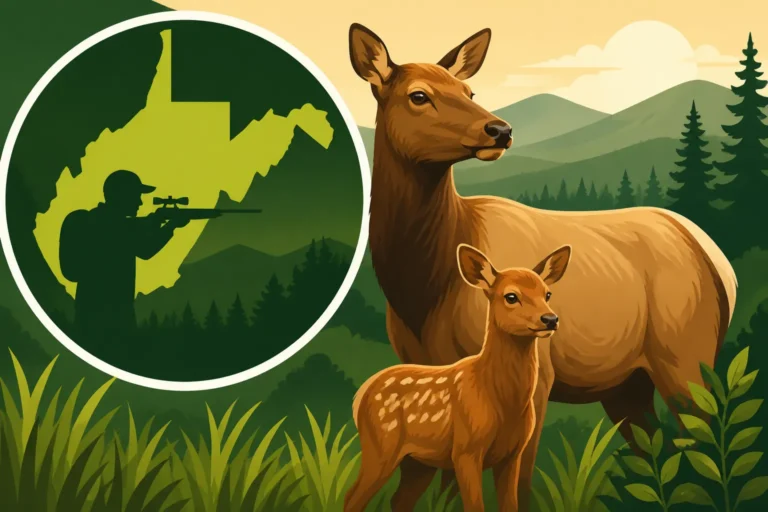
Yes, there is elk hunting in West Virginia, but it’s an extremely limited and highly coveted opportunity. The WVDNR manages elk hunting through a strict quota system to ensure the herd's health and growth continue unimpeded. This means a very small number of permits are issued each year through a lottery draw. If you're hoping to experience this once-in-a-lifetime hunt, you'll need to pay close attention to the West Virginia Quota Hunt Application Window and understand the incredibly competitive West Virginia Quota Hunt Draw Odds. It’s definitely not a hunt for the faint of heart or those who expect immediate success.
The quota hunt is designed to be a tool for managing the herd as it grows, not a free-for-all. Hunters drawn for a tag become part of a vital management strategy, helping to control herd numbers, maintain a healthy bull-to-cow ratio, and prevent overpopulation issues down the line. For those dreaming of a permit, researching past draw odds and unit information on platforms like GoHunt can be part of the annual ritual, helping you understand the landscape of the draw.
Preparing for an Elk Hunt in West Virginia
Should you be one of the fortunate few to draw a West Virginia elk tag, congratulations! Now the real work begins. An elk hunt in our mountains is a challenging endeavor, requiring physical stamina, solid scouting, and appropriate gear. You'll be navigating steep terrain, dense cover, and potentially unpredictable weather. Your preparation should include a thorough understanding of all the relevant regulations, including what type of West Virginia Hunting Licenses and What They Cost and any special elk-specific stamps or reporting requirements.
Physical conditioning is paramount; don't underestimate the demands of packing out an elk from rugged terrain. Scouting, either in person or through detailed map study, is crucial to understanding elk movement patterns within your assigned zone. Think about your rifle setup – reliable, accurate, and powerful enough for elk. Consider how you’ll handle the meat in the field, especially if conditions are warm. This is a big game hunt, and treating it with the respect it deserves means being fully prepared for every contingency, from shot placement to meat care. After the shot, be sure to follow all Reading a West Virginia Harvest Report guidelines for proper checking and reporting of your harvest.
Here's a quick overview of what makes Tomblin WMA special for elk:
| Feature | Description | Importance for Elk |
|---|---|---|
| Reclaimed Mine Lands | Expansive open grasslands, early successional forests. | Excellent forage, open areas for grazing, bedding cover. |
| Steep Topography | Rugged hills, deep hollows, varying elevations. | Thermal cover, escape routes, diverse microclimates. |
| Diverse Vegetation | Mix of grasses, forbs, brush, and hardwood timber. | Year-round food sources, breeding grounds, hiding cover. |
| Active Management | Food plots, controlled burns, timber management. | Enhances habitat quality, provides supplemental nutrition. |
| Seclusion | Large land area, limited public access in certain zones. | Reduces human disturbance, allows for natural behavior. |
Challenges and the Future of West Virginia Elk
While the story of the Tomblin WMA elk herd is overwhelmingly positive, it's not without its ongoing challenges. Managing a reintroduced species, especially one as large and wide-ranging as elk, requires constant vigilance and adaptive strategies.
Disease Management and Herd Health
Maintaining a healthy elk herd is a top priority, and disease management is a critical component of that. Like all cervids, elk are susceptible to various diseases, and constant monitoring is necessary to catch any outbreaks early. The WVDNR conducts regular health checks, tests for common wildlife diseases, and educates the public on how to report sick or deceased animals. While Chronic Wasting Disease (CWD) is a significant concern for deer in West Virginia, particularly in certain areas, preventing its spread to the elk herd is paramount. Elk are susceptible to CWD as well, and rigorous biosecurity protocols are in place to safeguard the population. This constant vigilance helps ensure the herd remains robust and thriving.
Beyond disease, overall herd health is impacted by nutrition, stress, and population density. Biologists work to ensure the habitat can support the growing numbers of elk, preventing overgrazing and ensuring adequate food resources. This proactive approach to health and disease management is fundamental to the long-term success of the elk restoration program.
Habitat Expansion and Conflicts
As the Tomblin elk herd continues to grow, so does its range. Elk are wanderers, and while the WMA provides a core home, they naturally explore beyond its boundaries. This expansion is a good sign for the health of the population, but it can also lead to new challenges. Elk moving onto private agricultural lands can cause crop damage, and encounters with vehicles on roadways are inevitable. Managing these potential conflicts requires ongoing communication with landowners, strategic planning for habitat corridors, and sometimes, the implementation of deterrents. It’s a delicate balance between allowing the herd to expand naturally and mitigating negative impacts on human communities.
The WVDNR is continually working on strategies to manage this expansion, from educational outreach to potentially creating new habitat initiatives in surrounding areas. The goal is to facilitate natural dispersal while minimizing friction, ensuring that West Virginia's residents and its elk herd can coexist peacefully.
Long-Term Outlook for the Elk Restoration Program
The future for West Virginia's elk looks incredibly bright, thanks in large part to the success at Tomblin WMA. The herd is growing, expanding, and becoming more established with each passing year. The ultimate goal is a self-sustaining population that provides both viewing and regulated hunting opportunities for generations to come. This ongoing commitment involves continued habitat work, scientific research, and adapting management strategies as the herd evolves. The story of our elk is a powerful example of what dedicated conservation efforts can achieve, reminding us all of the importance of restoring and protecting our state's incredible natural heritage. You can keep up with the broader efforts in West Virginia Elk Restoration Program Status. Whether you're looking to view elk or hoping to draw a tag, comprehensive planning tools, including those found on GoHunt, can make all the difference in understanding the terrain and regulations.
Disclaimer
This article is for general informational purposes only and does not constitute professional advice. Laws, prices and regulations vary by location and change over time. Consult a qualified professional for guidance on your specific situation.