When West Virginia Elk Bugle
There's nothing quite like the sound of a bull elk bugle cutting through the crisp mountain air. For many, it’s a truly primal experience, an audible link to the wild heart of West Virginia. But if you're like a lot of folks, you might be wondering exactly when you can expect to hear these magnificent calls in our beautiful mountains. It's not a year-round symphony, and timing is everything if you want to witness this natural spectacle. This guide will walk you through the prime bugling periods, what influences them, and how you can best experience the magic.
The Magic of the Elk Bugle
Hearing an elk bugle for the first time is an experience you won't soon forget. It’s a sound that resonates deep within you, a mix of power, vulnerability, and ancient instinct. For those of us who cherish our wild spaces, it’s a profound reminder of the successful reintroduction efforts that brought these majestic creatures back to the Mountain State.
What is a Bugle?
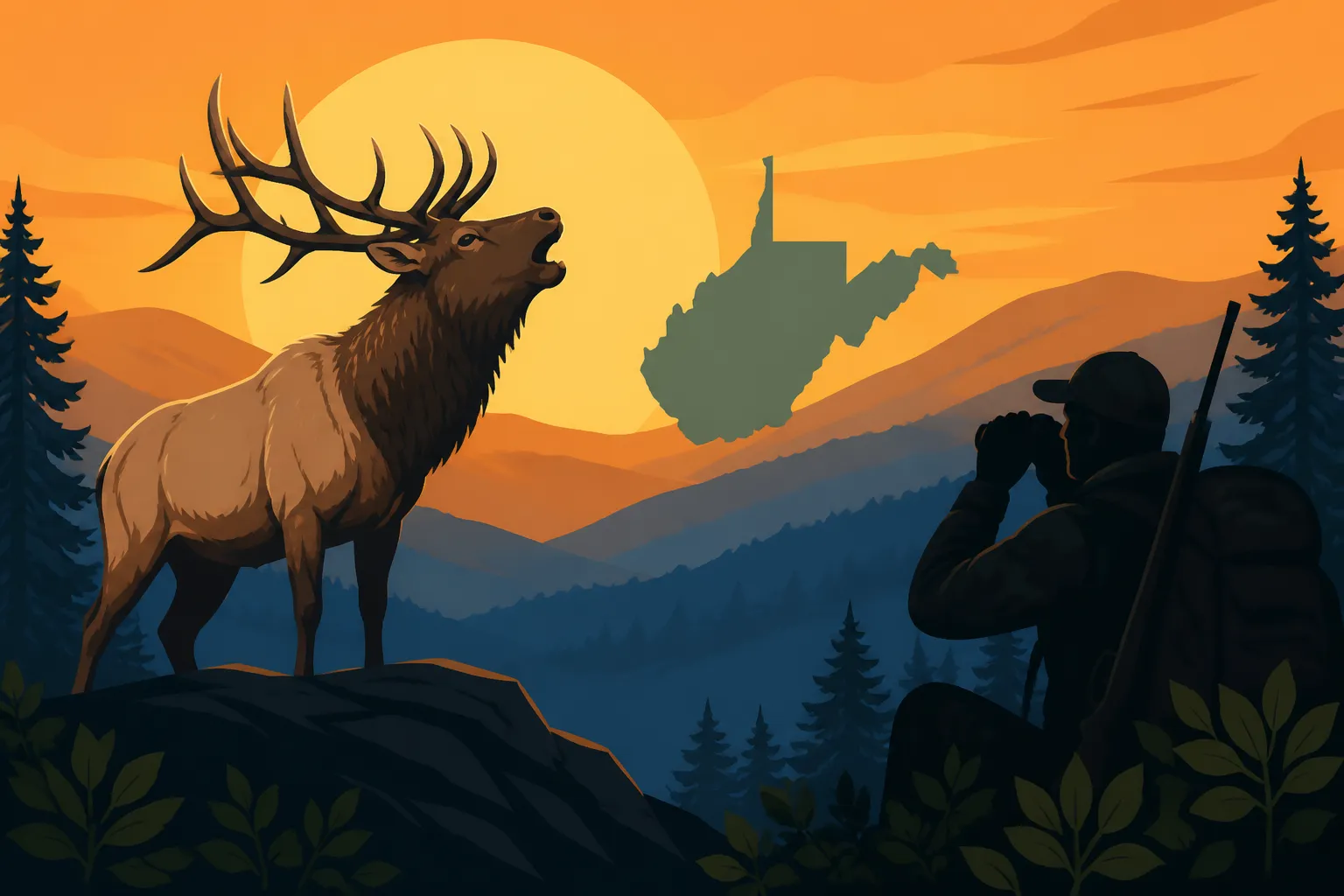
An elk bugle isn't just one sound; it's often a complex series of calls. It typically starts with a low-pitched roar, builds into a high-pitched whistle, and then descends into a series of grunts or chuckles. It’s truly remarkable how much emotion and information can be packed into a single vocalization. Bulls use their bugle for several key reasons, primarily during the breeding season, known as the rut. It's their way of announcing their presence, challenging rival bulls, and attracting cows. Think of it as a bull elk's megaphone, broadcast across the valleys and ridges, declaring his dominance and desire. Sometimes you'll hear a "chuckle" or "grunt" sequence at the end, which is often a closer-range communication, perhaps directed at a cow or a warning to a nearby competitor.
Why Elk Bugle in West Virginia
The fact that we can even discuss elk bugling in West Virginia is a testament to an incredible conservation success story. For over a century, elk were absent from our landscape. Thanks to dedicated efforts and strategic reintroductions, primarily in the southern coalfields, we now have a growing, thriving elk herd. These elk, just like their counterparts out West, are driven by their innate biological clocks. When the fall breeding season approaches, the bulls' testosterone levels surge, prompting them to begin bugling. It’s a vital part of their reproductive cycle and a clear sign that the herd is healthy and establishing itself. Understanding How Elk Returned to Southern West Virginia is crucial to appreciating these sounds.
The Prime Bugling Season in West Virginia
Knowing when the elk are most vocal is key to experiencing the bugle. While you might hear an occasional bugle outside of the main rut, the true symphony happens during a specific window, driven by their breeding cycle.
Early Signs and Pre-Rut Activity
Before the full-blown rut kicks in, you might catch glimpses of early bugling activity, typically starting in late August and becoming more consistent through the first week or two of September. During this "pre-rut" phase, bulls are starting to feel the hormonal shift. They’re still often in bachelor groups, but some will begin to test their vocal cords, perhaps an individual bull letting out a soft bugle as he separates from the group or challenges a younger bull. These early bugles are often less intense, more sporadic, and might lack the full range of grunts and chuckles you hear during the peak. They're essentially getting warmed up, establishing their dominance hierarchy, and gathering their harems of cows. This is a good time for scouting, as you can start to pinpoint where the bigger bulls are hanging out before the chaos truly erupts.
Peak Rut Activity and Intense Bugling
The absolute peak of elk bugling in West Virginia generally falls between mid-September and the first week of October. This is when the breeding season is in full swing, and bulls are at their most vocal and aggressive. During this period, you’ll hear constant bugling, often from multiple bulls simultaneously, especially at dawn and dusk. Mature bulls are actively rounding up cows, defending their harems, and engaging in intense vocal challenges – sometimes even physical altercations – with rival bulls. The air practically vibrates with their calls. If you're hoping to experience the full spectacle, this is the window you absolutely do not want to miss. It's a fantastic time to visit areas like the Tomblin Wildlife Management Area, where the soundscape can be truly deafening in the best possible way. The vigor of the West Virginia Elk Herd Growth Since Reintroduction means more bulls are participating in this grand display.
Post-Rut Decline and Sporadic Bugles
As October progresses, the intensity of the bugling begins to wane. The majority of cows have been bred, and the most dominant bulls are often exhausted from weeks of defending their harems, fighting, and constantly calling. You’ll still hear bugles, especially from younger bulls or those that might not have had a chance to breed earlier in the season. These "late rut" bugles can persist into late October and sometimes even early November, but they are far less frequent and intense than during the peak. The dynamics shift as bulls recover, rejoining smaller bachelor groups or foraging more actively. While it's still possible to hear a bugle, the prime window for that incredible, nonstop vocalization has passed.
Factors Influencing Bugling Activity
While the rut dictates the general timeframe for bugling, several other factors can significantly influence how much you hear on any given day. Elk are sensitive animals, and their vocalizations respond to their environment.
Weather Conditions
Believe it or not, the weather plays a huge role in how active elk are vocally. Cool, crisp mornings and evenings are often the best times to hear bugles. A sudden cold front can really get them fired up, making them more active and vocal. Conversely, hot, humid weather tends to suppress bugling activity. Elk are big animals, and they can overheat easily. On warmer days, they'll often bed down in shaded areas, conserving energy, and may only bugle sporadically. Rain, especially a light drizzle, can sometimes get them talking, but heavy downpours can quiet things down as well, as sounds don't travel as far and elk seek shelter. If you're planning a trip to hear the bugles, checking the forecast for those cooler temperatures is a smart move.
Time of Day
Like many big game species, elk are most active during the crepuscular hours – dawn and dusk. This is when bugling activity is at its absolute peak. As the sun rises and sets, the bulls are moving, foraging, and looking for cows. The cooler temperatures and lower light conditions make them feel more secure. While you can certainly hear bugles throughout the day, especially during the peak rut, the early morning and late evening hours offer the best chances for a full-on bugling chorus. Many seasoned observers recommend being in position well before first light, as the first bugles often start just as the sky begins to lighten, providing an unforgettable start to the day.
Hunting Pressure and Human Activity
Elk are wild animals, and they can be incredibly sensitive to human presence and hunting pressure. In areas with high human activity, such as heavy hiking traffic or hunting during archery or even the limited elk hunting season, elk can become much more wary and less vocal. They may move deeper into thick cover, become more nocturnal, or simply choose to communicate more subtly. If you're trying to listen for bugles, choosing areas and times with minimal human disturbance will greatly increase your chances. This is where using a mapping tool like GoHunt can be invaluable to identify less-traveled spots or public land fringes adjacent to private holdings where pressure might be lower. Understanding their behavior is key, whether you are simply observing or considering Hunting the Southern Coalfields.
Herd Dynamics and Bull Dominance
The social structure within an elk herd also dictates bugling patterns. A large, mature herd with several dominant bulls and many cows will typically be more vocal than a smaller, less established herd. The more competition there is among bulls for breeding rights, the more they will bugle to challenge each other and assert their dominance. You'll often hear a "pecking order" of bugles – the loudest, most intense bugles usually coming from the most dominant bulls, with younger, less confident bulls offering more tentative or sporadic calls. This hierarchy is fascinating to observe, and a good way to gauge the health and maturity of the local elk population.
Here's a quick look at typical bugling activity throughout the late summer and fall:
| Month | Activity Level | Notes |
|---|---|---|
| August | Very Low – Low | Occasional, sporadic bugles from individual bulls, usually soft or testing. Pre-rut beginnings. |
| September | Moderate – High | Early to mid-September sees increasing activity. Mid-September to early October is peak rut. Intense, frequent bugling. |
| October | Moderate – Low | Activity wanes after the first week. Sporadic bugles, mostly from younger bulls or those still seeking cows. Less intense. |
| November | Very Low | Extremely rare, usually isolated calls. Most breeding is over, bulls are recovering. |
Best Places and Ways to Experience the Bugle (Ethically)
Experiencing an elk bugle in person is a bucket-list item for many nature enthusiasts and hunters. With West Virginia's growing herd, it's more accessible than ever, but knowing where to go and how to behave is important.
Key Viewing Areas in West Virginia
Without a doubt, the prime location to experience the elk bugle in West Virginia is within and around the Tomblin Wildlife Management Area in Logan, Boone, and Wyoming counties. This is the heart of the elk reintroduction zone and where the most significant portion of the herd resides. The open reclaimed mine lands interspersed with dense timber create a mosaic of habitat that elk absolutely love, and it provides ample opportunity for both them to thrive and for us to observe. You can drive some of the roads, but getting out on foot (where permitted and safe) will dramatically increase your chances of hearing and potentially seeing elk. The WVDNR and partners have put a lot of effort into making this area accessible for Elk Viewing in West Virginia.
Tips for Listening and Locating Bugles
First and foremost, timing is critical. As mentioned, mid-September to early October, especially at dawn and dusk, is your best bet. Find a vantage point that offers a good acoustic window – perhaps a ridge overlooking a reclaimed field or a valley. Listen intently. Sometimes a bugle will travel a long distance, and it might take a moment to pinpoint its direction. Using a good set of binoculars, like those from a brand like GoHunt recommends, can help you scan distant openings for visual confirmation once you hear them. Be patient. Elk don't always bugle on command. Sometimes, a quiet morning can suddenly erupt into a cacophony of calls. Remember that elk can be surprisingly elusive, even when vocal. You might hear them frequently but struggle to get a visual.
For hunters lucky enough to draw an elk tag, these bugles are critical for locating animals during the West Virginia Quota Hunt Application Window. Using mapping tools or a GoHunt subscription to overlay property lines and topo maps can give you an edge in navigating these complex landscapes, helping you plan your approach to a bugling bull.
Ethical Wildlife Viewing and Respect
When attempting to hear or see elk, remember that these are wild animals, and their well-being is paramount. Maintain a respectful distance, especially if you encounter a bull with a harem of cows. Avoid making loud noises or sudden movements that could disturb them. Never approach elk too closely, and certainly, never try to "call" them in if you're not a permitted hunter during the legal season. Flash photography can also be disruptive, so be mindful of your equipment. It's not only about your safety but also about not stressing the animals, particularly during the intense rut period. These elk have made an incredible comeback, and it's our responsibility to ensure they continue to thrive. Respecting their space ensures that future generations can also enjoy the incredible experience of hearing When West Virginia Elk Bugle.
Disclaimer
This article is for general informational purposes only and does not constitute professional advice. Laws, prices and regulations vary by location and change over time. Consult a qualified professional for guidance on your specific situation.