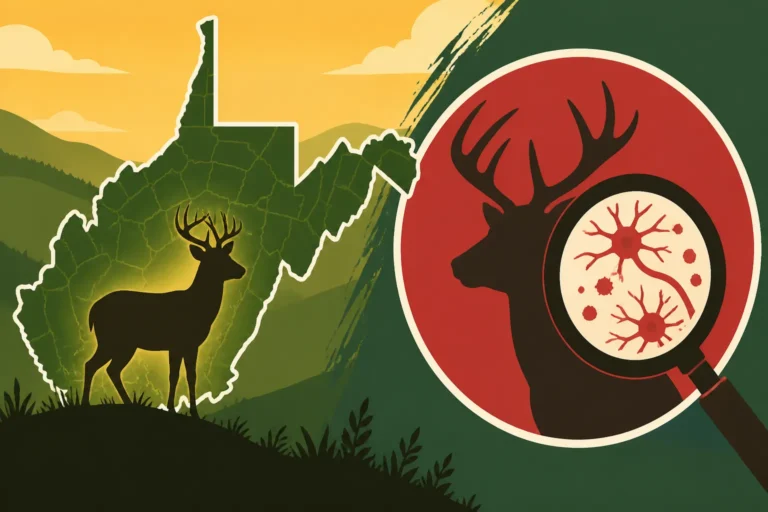
How Elk Returned to Southern West Virginia
For many years, the majestic sight of wild elk bugling through West Virginia's mountains was just a faded memory, a part of our state's natural heritage that had been lost to history. The thought of these magnificent animals roaming our southern forests once again felt like a distant dream, a complex challenge fraught with logistical hurdles and immense financial undertakings. This comprehensive guide will walk you through the incredible journey of how elk returned to southern West Virginia, detailing the vision, the efforts, the challenges, and the resounding success of this monumental conservation achievement.
A Historical Look Back: The Disappearance of West Virginia's Native Elk
It's hard to imagine, but once upon a time, elk were as much a part of the West Virginia landscape as black bears and white-tailed deer. These impressive animals roamed our ancient forests, their bugles echoing through the hollers and over the ridges. However, like many other large game species across North America, the native elk population in our state faced a precipitous decline, leading to their complete disappearance. Understanding this history is crucial to appreciating the incredible efforts that went into bringing them back.
Native Elk and Early Extirpation
Historically, elk – specifically the Eastern elk subspecies – were a vital component of the Appalachian ecosystem. They were grazers, shaping forest understories and creating openings that benefited a variety of other wildlife. Early European settlers reported abundant herds, but as settlements grew and resource extraction intensified, the pressure on these animals became immense. By the late 1800s, the writing was on the wall for West Virginia's native elk.
The last confirmed native elk in West Virginia was believed to have been killed in the late 19th century. This wasn't a sudden event, but rather a slow, relentless erosion of their numbers. Imagine the silence that fell over the mountains where once the deep, resonant call of a bull elk had announced the autumn rut. It was a loss that profoundly impacted the biodiversity and cultural heritage of our wild, wonderful state, leaving a void that would persist for over a century. The goal of the West Virginia Elk Restoration Program Status, which began much later, was to fill this ecological gap.
Reasons for Their Disappearance
Several factors contributed to the extirpation of West Virginia's native elk. Unregulated market hunting played a massive role; elk meat, hides, and antlers were valuable commodities. As populations dwindled, hunters pursued the remaining animals with even greater intensity, often without any thought for sustainable practices. This era was a stark contrast to today's regulated hunting seasons and conservation ethics, where every animal harvested is accounted for and managed.
Habitat destruction was another significant force. The vast, contiguous forests that elk needed for forage and cover were rapidly being cleared for agriculture, timber, and coal mining. As their habitat became fragmented and degraded, elk found it increasingly difficult to find refuge and sufficient food sources. The combination of intense hunting pressure and severe habitat loss proved to be an insurmountable challenge for the native herds, eventually leading to their complete disappearance from the state.
The Vision for Restoration: Bringing Back a Mountain Icon
Even after more than a century, the idea of elk returning to West Virginia never truly faded from the minds of dedicated conservationists and outdoor enthusiasts. It was a dream that simmered, waiting for the right confluence of resources, political will, and scientific understanding to make it a reality. The vision for restoration wasn't just about reintroducing an animal; it was about healing a historical wound and enriching the state's natural legacy.
Advocacy for Reintroduction
The push for elk reintroduction gained significant momentum in the early 21st century. Conservation organizations, individual sportsmen, and dedicated wildlife biologists began to seriously explore the feasibility of such a monumental undertaking. They looked at successful reintroduction programs in neighboring states like Kentucky, which had seen incredible results, proving that elk could indeed thrive once again in Appalachian habitats. These success stories provided a powerful blueprint and a much-needed shot of optimism.
Key advocates tirelessly championed the cause, highlighting the ecological and economic benefits elk could bring. They articulated how elk could enhance biodiversity, attract wildlife viewers, and eventually create new hunting opportunities, all while restoring a missing piece of the state's natural puzzle. It was a long game, requiring patience, persistent fundraising, and constant communication with various stakeholders to build a broad base of support. Many would consult resources like the GoHunt platform to stay informed on similar conservation efforts and potential impacts on hunting opportunities across different states.
Initial Feasibility Studies and Planning
Before any elk could set foot in West Virginia, extensive scientific studies were undertaken. Wildlife biologists meticulously assessed potential reintroduction sites, focusing on factors like habitat suitability, existing land use, potential for human-elk conflicts, and the availability of suitable forage and water. The southern coalfields region emerged as a prime candidate, offering expansive reclaimed mine lands with abundant herbaceous growth and scattered pockets of mature timber, providing both food and cover. This region also had relatively low human population density compared to other parts of the state.
Beyond habitat, planning involved complex logistical considerations. Where would the elk come from? How would they be safely transported? What veterinary protocols would be in place? And critically, how would the program be funded? Partnerships with state agencies, universities, and private organizations were forged, laying the groundwork for what would become one of West Virginia's most ambitious wildlife conservation projects. These studies helped address concerns about diseases, genetic diversity, and how to manage the growing herd once it was established. This meticulous planning is precisely Why Southern Coalfields Was Chosen for Elk.
The Reintroduction in Action: Elk Arrive in the Mountain State
With years of planning, fundraising, and advocacy behind them, the dream of elk restoration finally began to materialize. The actual process of bringing elk back was a carefully orchestrated effort, demanding precision, expertise, and a commitment to animal welfare. It was a thrilling time, marked by the arrival of the first animals and the careful steps taken to ensure their long-term success.
Source Herds and Selection Criteria
The initial elk for West Virginia's reintroduction program primarily came from Kentucky. Kentucky's herd, established through earlier reintroductions, had proven to be robust and healthy, making them an ideal source. The decision to source from a nearby, ecologically similar region helped minimize potential genetic or health issues that might arise from animals adapted to vastly different environments. It was a strategic choice to ensure the best possible start for West Virginia's nascent herd.
Strict selection criteria were applied to ensure that only healthy, prime-aged elk were chosen for translocation. Animals underwent rigorous health screenings to prevent the introduction of diseases that could harm the existing wildlife populations, especially deer. This careful vetting process was vital, demonstrating a deep commitment to the ecological integrity of West Virginia's wilderness. Each elk was a valuable investment in the future of the state's herd, and their health was paramount.
Transportation and Release Sites
Transporting large, wild animals is no small feat. The elk were captured in Kentucky, carefully sedated, and loaded into custom-built trailers designed to minimize stress during the journey. The logistical coordination involved multiple state agencies and volunteers, ensuring a smooth and safe passage across state lines. The excitement in the air was palpable each time a new cohort of elk arrived, signaling the tangible progress of the reintroduction.
The primary release site, chosen after extensive research, was located within the Tomblin Wildlife Management Area, or Tomblin WMA, in southern West Virginia. This area, largely comprised of reclaimed surface mine lands, provided expansive open areas for grazing, interspersed with pockets of dense cover. Releasing them into a protected environment like the Tomblin WMA offered the best chance for the elk to acclimate and establish themselves without immediate human pressure. The careful selection of this site was a testament to the detailed planning that went into every phase of the project.
Post-Release Monitoring and Care
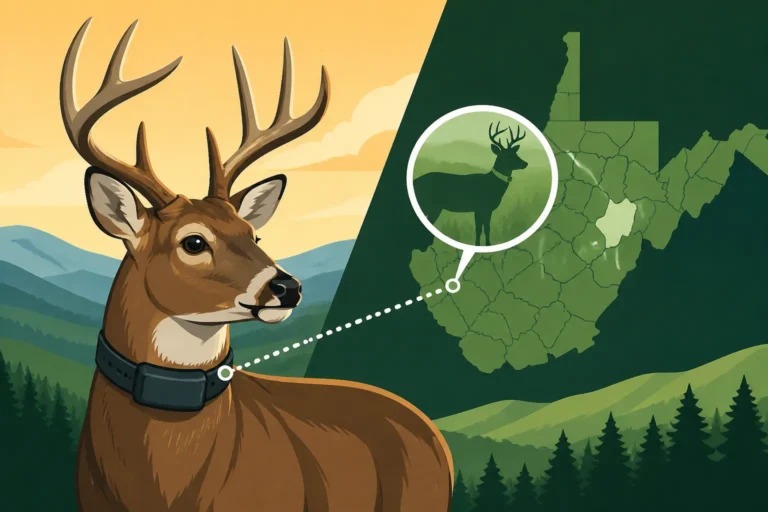
Once released, the work didn't stop. Each elk was fitted with a GPS collar, allowing wildlife biologists to track their movements, monitor their health, and observe their adaptation to the new environment. This intensive monitoring provided invaluable data on everything from herd dispersal patterns to calving rates and survival. It also allowed biologists to intervene if an animal faced immediate danger or health issues, ensuring rapid response to any problems.
Supplemental feeding stations were initially provided to help the elk settle in and supplement their natural diet as they learned the lay of the land. This careful post-release care was critical in establishing a strong foundation for the herd. The data collected from these early years continues to inform the ongoing management strategies, ensuring the long-term viability of the elk population. Understanding their movements and habitat use is key to effectively managing West Virginia's Restored Elk Herd, a mission that continues to this day.
Growth and Challenges: The Elk Herd Takes Root
The reintroduction wasn't without its growing pains. Establishing a wild population of any species comes with inherent challenges, from disease concerns to habitat adaptation and potential conflicts with human interests. However, through diligent management and the incredible resilience of the elk themselves, the program has largely been a resounding success.
Early Challenges and Adaptations
One of the initial concerns was the potential for disease transmission to West Virginia's native deer population, especially Chronic Wasting Disease (CWD). The rigorous health screenings in Kentucky significantly minimized this risk, and ongoing monitoring has continued to prioritize herd health. Another challenge was simply the elk adapting to their new home; while the habitat was suitable, it was still a new landscape they needed to learn, finding reliable water sources and optimal bedding areas.
Predation by coyotes and black bears, particularly on elk calves, was a natural hurdle. While a certain level of natural predation is expected and healthy for an ecosystem, biologists watched these dynamics closely. The elk, being a large prey species, developed natural defense mechanisms, and the herd's growing numbers helped absorb some of these losses. Their ability to adapt to the rugged Appalachian terrain, finding suitable food and cover, spoke volumes about their innate survival instincts.
Herd Growth and Expansion
Despite the challenges, the West Virginia elk herd has steadily grown since the initial releases. The robust breeding success of the cows and the high survival rate of calves, particularly in favorable conditions, have been key indicators of the program's success. The population has not only increased but has also begun to naturally expand beyond the initial release boundaries of the Tomblin WMA. This natural dispersal is a positive sign, indicating a healthy and self-sustaining population.
Biologists use various methods, including aerial surveys and trail cameras, to estimate How Many Elk Live in West Virginia Today. While the specific numbers fluctuate, the upward trend is undeniable. This growth is a testament to the suitability of the chosen habitat and the dedication of the wildlife management teams. Many hunters use apps from brands like GoHunt to scout areas and predict elk movement, which can sometimes provide valuable anecdotal evidence of herd expansion even before official surveys confirm it. This data helps us understand West Virginia Elk Herd Growth Since Reintroduction.
Impact on the Landscape and Local Communities
The return of elk has had a ripple effect beyond just population numbers. Ecologically, these large grazers contribute to habitat diversity, selectively browsing vegetation and creating openings that benefit smaller animals and plant species. Their presence is a powerful indicator of a healthy, functioning ecosystem, and they've become an iconic symbol of conservation success in the state. They've demonstrated the incredible potential for restored landscapes to support magnificent wildlife once more.
Economically, elk have breathed new life into the southern West Virginia communities. Wildlife viewing, particularly during the autumn When West Virginia Elk Bugle, attracts tourists eager to witness these magnificent animals. This influx of visitors supports local businesses, from restaurants and hotels to guide services. Eventually, the herd grew large enough to support limited hunting opportunities, adding another layer of economic benefit through license sales and hunter expenditures. Learning Where to Watch Elk Without a Tag, for example, has become a popular activity for many residents and tourists, further boosting local economies.
Managing the Future: Sustaining West Virginia's Elk Legacy
With the elk herd now firmly established and growing, the focus has shifted from reintroduction to long-term management and ensuring the sustainability of this incredible conservation success story. This involves careful monitoring, ongoing research, and strategic planning to balance the needs of the elk with the interests of the public.
Ongoing Monitoring and Research
The West Virginia Division of Natural Resources (WVDNR) continues its intensive monitoring efforts. GPS collars still provide critical data on elk movement patterns, habitat use, and inter-herd dynamics. This information is crucial for understanding how the elk are utilizing the landscape and for identifying any potential issues before they become widespread problems. Researchers also track reproductive success, calf survival rates, and overall herd health through various field studies. This constant stream of data is vital for adaptive management, allowing the WVDNR to respond effectively to changes in the herd or its environment.
Beyond physical tracking, genetic studies are conducted to ensure the herd maintains healthy diversity. This scientific approach is vital for making informed management decisions, such as potential future translocations or habitat improvement projects. The WVDNR also closely monitors for signs of disease, working proactively to protect the herd and other wildlife from potential threats, reinforcing its commitment to a healthy elk population for generations.
Management Goals and Public Opportunities
The primary management goal is to maintain a healthy, free-ranging elk population that can thrive in West Virginia. This involves balancing herd numbers with habitat carrying capacity and minimizing conflicts with landowners. As the population continues to expand, new considerations arise, such as how to manage elk in areas where they might interact more frequently with agricultural operations or residential properties. This careful balancing act is essential for the long-term success of the program.
For the public, the return of elk offers tremendous recreational opportunities. Elk Viewing in West Virginia, especially during the rut when bulls bugle, has become a major draw. The future may also include expanded hunting opportunities, managed through a quota system to ensure sustainability. Hunters keen on pursuing an elk in the Mountain State can find details on applying for permits like Getting a Tomblin WMA Elk Zone Permit, which offers a chance at this once-in-a-lifetime experience. The careful management of these opportunities ensures they benefit both the herd and the people of West Virginia.
Table: Key Milestones in West Virginia Elk Reintroduction
| Year | Event | Significance |
|---|---|---|
| Early 1900s | Extirpation of Native Elk | Last native elk believed to be gone from WV. |
| Early 2000s | Advocacy & Feasibility Studies | Conservation groups push for reintroduction; habitat deemed suitable. |
| 2016 | First Elk Translocation | Initial release of elk from Kentucky into Tomblin WMA. |
| 2017-Present | Ongoing Releases & Monitoring | Additional elk brought in; intensive tracking and research initiated. |
| 2020s | Herd Growth & Expansion | Population increases, natural dispersal begins, first hunting opportunities considered. |
| Ongoing | Habitat Management | Continuous efforts to improve habitat and manage herd health. |
The Broader Impact: More Than Just an Animal
The return of the elk to West Virginia is more than just a wildlife success story; it represents a triumph of conservation that has far-reaching benefits for the state's ecology, economy, and cultural identity. It demonstrates what is possible when dedicated individuals and organizations work together towards a common, ambitious goal.
Ecological Benefits and Habitat Changes
Elk are a keystone species in many ecosystems, meaning their presence significantly impacts other species and the environment. As large herbivores, their grazing patterns help to manage vegetation, creating a mosaic of habitats that can benefit a wide array of other wildlife, from songbirds to small mammals. They can help prevent certain plant species from dominating, fostering greater biodiversity. The reclaimed mine lands of the southern coalfields, once considered environmental scars, are now vibrant ecosystems supporting not just elk, but also a host of other animals and plants, showcasing the incredible transformation of these areas.
The health of the elk herd is also intertwined with the health of the broader ecosystem. Monitoring elk health, for example, can provide insights into environmental stressors or the prevalence of certain diseases that might affect other species. Their return signifies a step towards restoring a more complete and resilient Appalachian ecosystem, a true testament to the power of human intervention in repairing past ecological damages. It's a reminder that conservation isn't just about protecting what's left, but actively restoring what's been lost.
Economic and Recreational Opportunities
The elk program has injected new economic vitality into a region that historically relied heavily on coal. Wildlife tourism is a significant and growing industry, and the opportunity to see wild elk in their natural habitat draws visitors from across the country. These visitors spend money on lodging, food, gas, and supplies, creating jobs and supporting local businesses in areas surrounding the Tomblin Wildlife Management Area Elk Herd. This positive economic impact extends beyond direct elk viewing, spurring interest in other outdoor recreational activities within the region.
Looking ahead, the potential for regulated elk hunting creates another valuable economic stream. Hunters often spend substantial amounts on gear, licenses, and local services, further contributing to the state's economy. While the herd is still in its growth phase, the prospect of future hunting opportunities means that hunters might explore resources like GoHunt for specific tools related to researching hunt units or drawing odds. The reintroduction showcases how conservation efforts can align with economic development, creating a sustainable model that benefits both nature and people. It underscores that West Virginia's wild, wonderful outdoor heritage is not just something to be preserved, but also something that can be strategically enhanced for the benefit of all.
Disclaimer
This article is for general informational purposes only and does not constitute professional advice. Laws, prices and regulations vary by location and change over time. Consult a qualified professional for guidance on your specific situation.