When Woodcock Migrate Through West Virginia
Catching the elusive American woodcock migration in West Virginia can feel like trying to grab smoke – one day they're here, the next they've vanished. Hunters often struggle to time their trips, leading to missed opportunities or frustrating days in empty coverts. This guide will walk you through the subtle cues and predictable patterns of the timberdoodle's journey through our mountains and valleys, helping you pinpoint the best windows to hit the woods for these unique birds.
The Annual Journey: Understanding Woodcock Migration Patterns
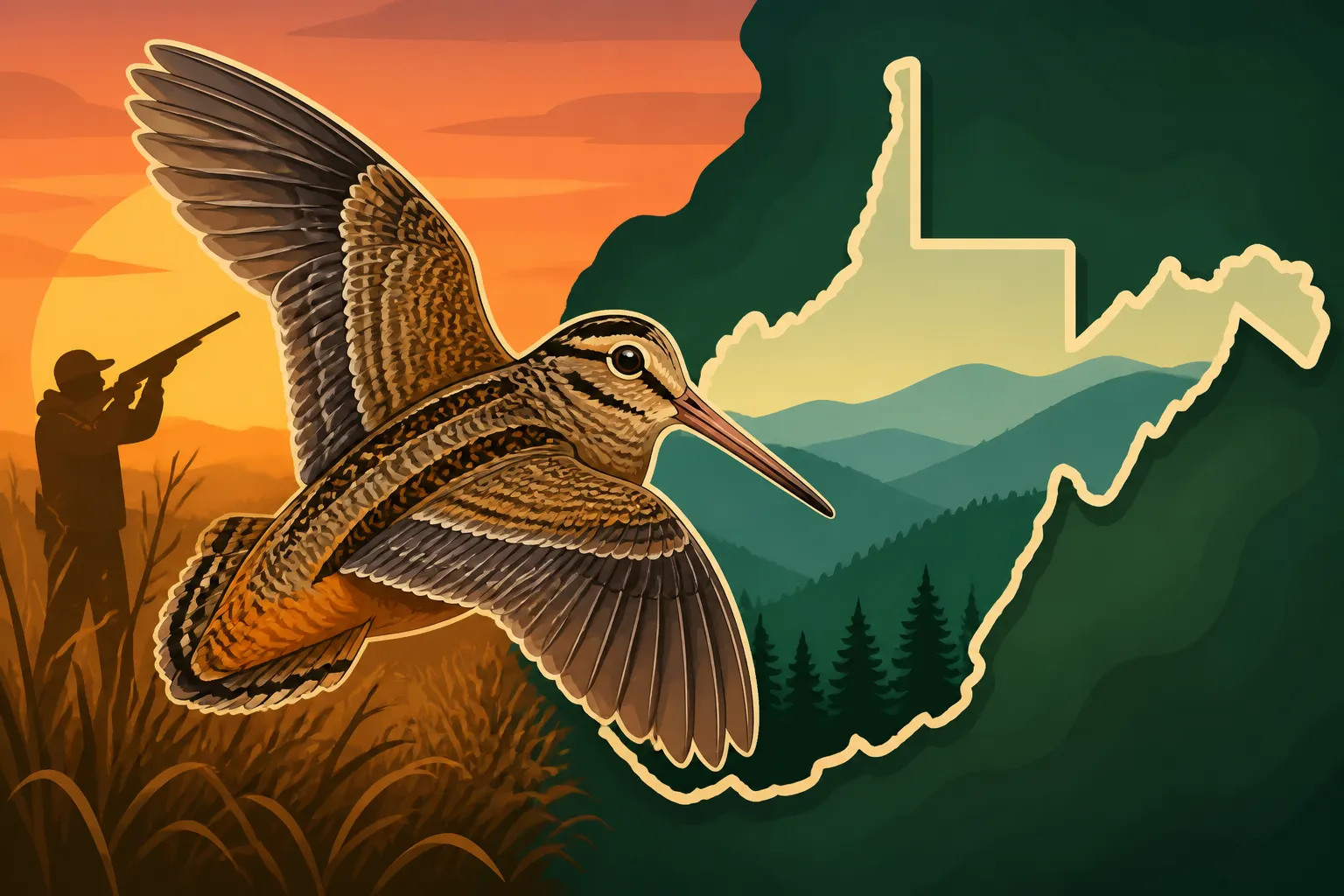
The woodcock, often affectionately called the "timberdoodle," is a truly fascinating migratory bird that presents a unique challenge for West Virginia hunters. Unlike resident game birds, their presence is fleeting, dictated by an ancient calendar and the whims of weather. They breed in the northern states and Canada, then embark on a southward journey to their wintering grounds, which stretch from the mid-Atlantic to the Gulf Coast. West Virginia sits squarely in their migratory path, making it a critical stopover point where they can refuel before continuing their long flight.
Their migration isn't a single, massive wave that sweeps through all at once. Instead, it's more like a series of smaller pushes, often tied directly to environmental factors. The first birds you might see are usually local breeders, but the true excitement begins when the northern birds start dropping in. This transient nature means that hunters need to be exceptionally tuned into the conditions, not just the calendar. It’s a delicate dance between their biological imperative to move south and the availability of food and suitable cover on their journey. Understanding this natural rhythm is the first step to consistently finding success in the grouse woods, even if you're actually after the woodcock. For those who also pursue other small game, understanding Squirrel and Small Game Hunting in West Virginia can offer insights into the overall ecology of these shared habitats.
What Triggers the Woodcock Movement?
Several key factors act as nature's alarm clock for woodcock migration. The most significant, hands down, is cold. As temperatures drop and the ground begins to freeze further north, their primary food source – earthworms – becomes inaccessible. A hard freeze in Pennsylvania or New York is almost guaranteed to push birds into our state. This isn't just about a single chilly night; it's about a sustained period of cold that impacts the soil. They aren't going to sit around starving if they can fly south to warmer ground where worms are still wriggling.
Another major indicator is the leaf drop. As the hardwoods shed their leaves, the cover in the woods changes dramatically. While woodcock do appreciate thick cover, too much open canopy makes them feel exposed to aerial predators. The thinning of the canopy, combined with cold, often signals it's time to move. You'll notice a distinct shift in bird activity as the leaves fall from the trees, especially in early November. Rain also plays a role, as wet, soft soil is ideal for probing, while dry, hard ground makes feeding difficult. A good, soaking rain followed by a temperature drop can really get things moving. Grouse and Woodcock Hunting in West Virginia often discusses these environmental factors in greater detail.
Pinpointing Peak Migration Periods in West Virginia
While nature's triggers give us clues, the real trick is to narrow down the general "migration season" into "peak migration windows" for West Virginia. These windows can vary slightly year to year, but there are definite patterns you can learn to recognize. Generally, the earliest migratory birds start showing up in mid-October, but the biggest influx usually occurs from late October through mid-November. This is when cold fronts really start to hit the northern states, sending waves of birds our way.
It’s an exciting time, because one day you might walk through a covert and find nothing, and the very next day, after a good cold snap, the place can be crawling with timberdoodles. This is why consistent scouting, even just quick walks through known spots, is so crucial. A good tool like GoHunt can help you mark these potential coverts and revisit them quickly. You're looking for that sweet spot where the ground is still soft enough for probing, but the northern lands are already starting to lock up.
Early Migration: October's First Wave
The earliest migratory woodcock often make their appearance in West Virginia around mid-October. These are typically the birds that have bred in areas just north of us, or those that are less sensitive to the initial cold snaps. They’re still finding plenty of food, but the days are shortening, and their biological clock is ticking. This first wave can be a bit scattered, with birds spread out across various suitable habitats. You might find a few here, a few there, but not the dense concentrations that mark the peak.
Hunting during this early period, which aligns with much of the state's small game season, requires a bit more legwork. You're not likely to stumble into a huge flight. Instead, focus on specific habitat features like the wetter edges of fields, alder thickets, and young timber stands adjacent to water sources. These early birds are less pressured and can offer some fantastic shooting opportunities if you're willing to cover ground. Remember, these are the vanguard, testing the waters, so to speak, before the main push. This early timing often overlaps with some of the more liberal West Virginia Small Game Season Rules.
Peak Migration: Late October to Mid-November
This is the golden window, the time most West Virginia woodcock hunters dream of. From roughly the last week of October through the second or third week of November, our state experiences the heaviest influx of migratory woodcock. This period coincides with increasingly strong cold fronts sweeping down from Canada and the northern U.S., often bringing sustained freezing temperatures to states like Pennsylvania and New York. When that happens, it’s like someone opened a floodgate, and the timberdoodles pour into West Virginia.
During this peak, you’ll find birds concentrated in prime habitats. Think bottomland swamps, alder and willow thickets along creeks, and dense young growth with soft, moist soil. I’ve seen coverts go from zero birds to twenty in a single day during this period. The leaf fall is usually well underway, making visibility a bit better, but the ground is often still soft enough for their feeding probes. This is the time to really commit to the woods, making multiple trips if possible. Pay close attention to weather forecasts for our northern neighbors; a deep freeze up there means it’s time to be in the West Virginia woods.
Late Migration: The December Push
As November draws to a close and December arrives, the woodcock migration typically tapers off, but don't count it out entirely! You can still find birds, especially in the southern half of the state, as they continue their journey to their wintering grounds. This late migration usually consists of the last stragglers from further north, or birds that lingered in West Virginia until the last possible moment. The challenge here is that the weather can become much harsher, and the ground can begin to freeze solid across larger areas, making feeding tough.
However, if we experience a mild December, especially one with consistent rain, you might be surprised by how many birds are still around. These late-season woodcock will be concentrated in the warmest, wettest pockets of cover they can find – often in dense stream bottoms or sheltered hollows where the ground remains unfrozen. Success during this period relies heavily on scouting and finding those microclimates that offer protection and food. It also often coincides with the Hunting the Late-Season December Lull for deer, so you might find yourself doing a bit of mixed-bag hunting.
Strategies for Hunting Migratory Woodcock
Knowing when the woodcock are migrating is only half the battle; the other half is knowing where to find them and how to hunt them effectively. These birds have specific habitat preferences that become even more pronounced during migration. They need thick cover for protection, and most importantly, soft, moist soil for foraging earthworms.
A good woodcock hunter in West Virginia is constantly evaluating two things: available cover and soil conditions. Without both, the birds simply won't be there in numbers. This means you need to learn to "read" the landscape, looking for those tell-tale signs of prime timberdoodle real estate. Using an app like GoHunt to scout aerial photos for likely habitat before you even step foot in the woods can save you countless hours of walking. Look for darker green patches along creeks, small swales, or old clear-cuts that have grown back into dense, young stands.
Identifying Prime Woodcock Habitat
When searching for woodcock in West Virginia, you're looking for specific habitat types that provide both cover and food. The absolute best places are usually found in moist, young woodlands. Alder and willow thickets along meandering creeks or in low-lying swampy areas are classic woodcock magnets. These areas tend to have soft, damp soil rich in earthworms, which are the woodcock's primary diet. The dense, vertical structure of these plants offers perfect camouflage against predators.
Another excellent habitat type is young, regenerating clear-cuts or old fields that have grown up into dense saplings, especially if they have some dogwoods, sumac, or other brushy cover mixed in. Look for areas with a thick understory, but still enough open ground underneath for the birds to walk around and probe. They don't typically like completely open woods, nor do they prefer areas with extremely dense, impenetrable briars where movement is difficult. Finding these specific spots on public land can be a challenge, but dedicated scouting, even during the off-season, can reveal hidden gems. You might even find good cover in similar areas where you'd be Grouse Hunting Highlands Aspen Cuts.
Best Hunting Tactics
Hunting migratory woodcock in West Virginia usually involves a slow, methodical approach. These birds hold tight, often flushing at your feet, so a fast-flushing dog is an incredible asset. If you don't have a dog, you'll need to walk very slowly, pausing frequently, and even stop-and-go walking to get them nervous enough to flush. They'll often sit so still that you could practically step on them before they burst into the air.
Walk in a zigzag pattern through the cover, trying to cover as much ground as possible. Shotguns in lighter gauges, like a 20 or even 28 gauge, are perfect for woodcock, often with open chokes (skeet or improved cylinder) as shots are typically close and quick. The challenge is getting a shot off in the dense cover they prefer. Be ready for sudden flushes and be prepared to swing through tight windows. Many hunters find that Woodcock Hunting West Virginia Alder Runs offers specific tactical challenges and rewards due to the density of the cover.
Using Weather and Scouting to Your Advantage
To truly capitalize on the woodcock migration, you need to become a bit of a meteorologist and a diligent scout. Keep a close eye on weather patterns to our north. A significant cold front pushing down through the Northeast is your cue to hit the West Virginia woods. Similarly, a string of mild, rainy days can extend the migration period, keeping birds in the state longer. Use online mapping tools, like those offered by GoHunt, to identify potential woodcock coverts before you ever leave home. Look for those dark green, low-lying areas near water.
Once in the field, look for "sign." Woodcock leave distinctive "splashes" (white droppings) and small probing holes in the soft soil where they've extracted earthworms. Finding fresh sign is a strong indicator that birds are actively feeding in the area. Don't be afraid to hunt the same coverts multiple times, especially during the peak migration period. Birds will often replenish these areas as new waves migrate through. Understanding the broader West Virginia Woodcock Singing Ground Surveys can also give you a general idea of local breeding populations, but for migration, it's all about those weather patterns.
Preparing for a West Virginia Woodcock Hunt
Getting ready for a woodcock hunt in West Virginia is a little different than preparing for other types of hunting. The gear is generally lighter, and the focus is on mobility and quick shots in thick cover. You won't typically need heavy optics or long-range rifles, but you will appreciate good footwear and appropriate clothing.
Essential Gear
For woodcock, less is often more. You'll be walking through dense, often wet, cover, so comfort and maneuverability are key.
| Item | Description | Why It's Important for Woodcock Hunting |
|---|---|---|
| Shotgun | 20 or 28 gauge, open chokes (Skeet/IC) | Fast-handling for close, quick shots in thick cover. |
| Ammunition | Light game loads (7.5 or 8 shot) | Sufficient for small birds, reduces recoil for quick follow-up shots. |
| Boots | Waterproof, comfortable, good ankle support | Essential for wet, uneven terrain in alder runs and creek bottoms. |
| Brush Pants/Chaps | Durable, briar-resistant | Protects legs from thorns and thick brush common in woodcock habitat. |
| Upland Vest | Lightweight, good game pouch, hydration compatible | Carries birds, shells, water, and often has a comfortable fit for walking. |
| Whistle (for dog) | For flushing dogs | Crucial for working with a bird dog in dense cover. |
| GPS/Map App | GoHunt, onX, or physical map/compass | Helps navigate thick cover, mark finds, and avoid trespassing. |
| Water | Hydration pack or bottles | Sustains you (and your dog) during active hunts in varied terrain. |
| First Aid Kit | Small, personal kit | For minor scrapes, cuts, or emergencies in remote areas. |
Don't forget blaze orange, too! Even though woodcock are small game, West Virginia Blaze Orange Requirements still apply, especially during overlapping seasons. A light blaze orange vest or hat can make you much more visible to other hunters, which is crucial in dense cover.
Staying Safe and Respectful in the Woods
Safety should always be your top priority. Given the dense nature of woodcock habitat, be acutely aware of your surroundings, other hunters, and especially your dog if you're hunting with one. Always know what's beyond your target, and never swing on a bird if you're unsure of your backdrop. Communicate clearly with hunting partners, especially if you're making a drive through a covert.
Respect for the land and landowners is also paramount. If you're hunting on private land, ensure you have explicit permission. Using tools like GoHunt can help you understand Finding West Virginia Property Lines and avoid accidental trespassing. Pack out everything you pack in, and leave no trace behind. West Virginia's natural beauty is a treasure, and we, as hunters, are stewards of that resource. Enjoy the unique experience of pursuing these migratory wonders, and cherish the wild places they call home, even if only for a brief stop on their long journey.
Disclaimer
This article is for general informational purposes only and does not constitute professional advice. Laws, prices and regulations vary by location and change over time. Consult a qualified professional for guidance on your specific situation.