Where to Watch Elk Without a Tag
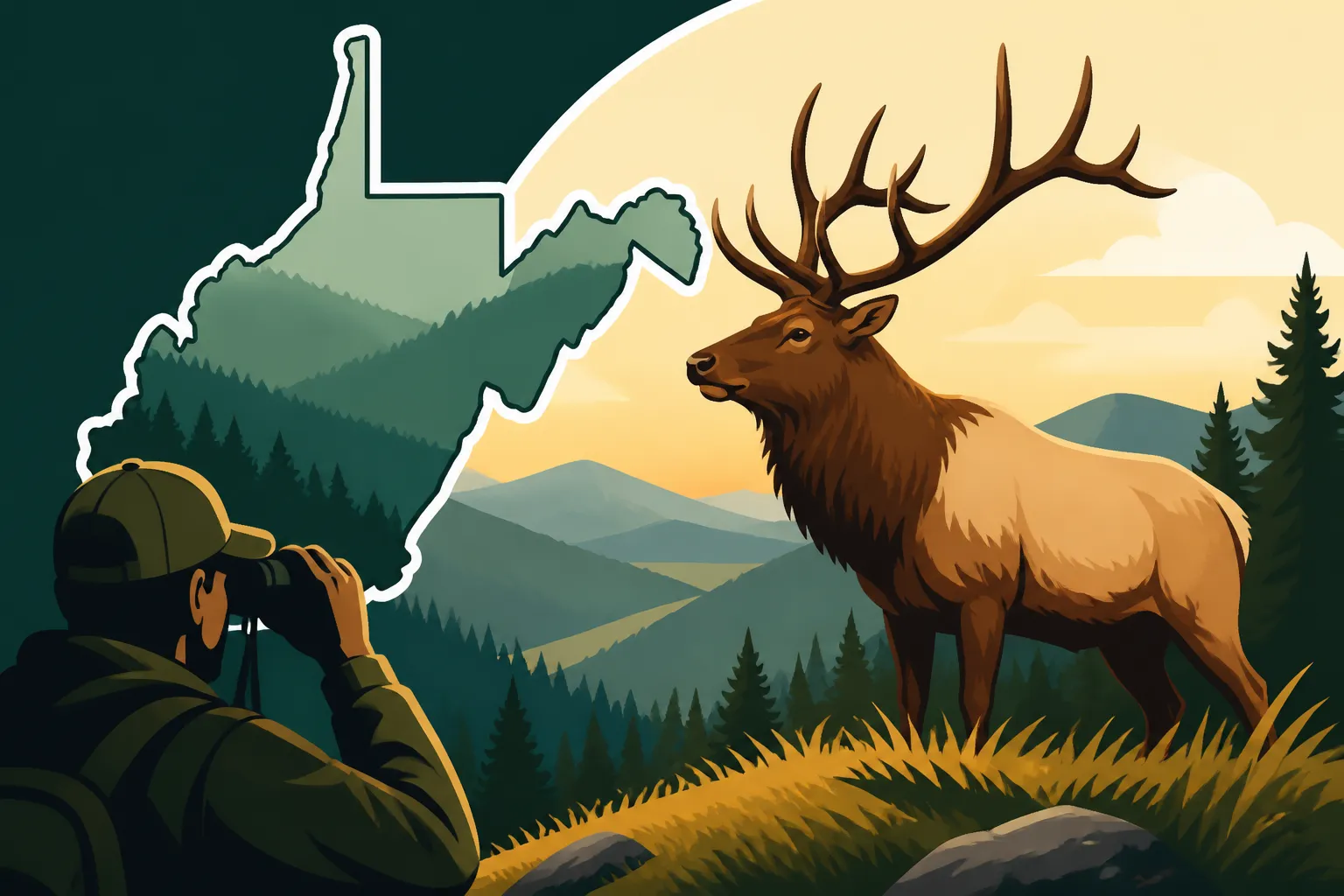
There's a unique thrill in spotting magnificent wildlife in its natural habitat, and for many West Virginians and visitors alike, the chance to witness our majestic elk herd is a bucket-list experience. You might not have a tag in your pocket, but that doesn't diminish the desire to see these incredible animals up close. This guide is all about helping you find those prime spots where you can respectfully observe West Virginia's thriving elk, soaking in the wild beauty without ever needing to pull a trigger.
The Remarkable Return of Elk to West Virginia
It’s truly a comeback story for the ages, and one that every West Virginian can be proud of. For a long time, elk were just a memory, a part of our state’s history, but definitely not a part of our current landscape. Many folks grew up hearing tales of massive elk that once roamed these mountains, but never imagined they’d see one here themselves. That sentiment is exactly what makes the current elk herd so special – it’s a living testament to dedicated conservation efforts and the resilience of nature.
A Brief History of Restoration Efforts
The journey to bring elk back to West Virginia has been a long one, filled with careful planning, tireless work, and passionate advocates. After disappearing from the state over a century ago due to unregulated hunting and habitat loss, the idea of reintroduction was always a dream for wildlife enthusiasts. It wasn't just a matter of releasing a few animals; it required securing a suitable habitat, managing potential conflicts, and ensuring genetic diversity for a healthy, self-sustaining population. You can dive deeper into this fascinating journey by reading How Elk Returned to Southern West Virginia, which really lays out the groundwork that made this incredible feat possible.
Initially, a small number of elk were brought from other states with established herds, carefully selected to ensure their health and adaptability to our rugged terrain. These animals were released into designated areas, primarily within the Southern Coalfields region, where habitat assessments showed the greatest potential for success. The early years involved extensive monitoring, tracking movements, assessing reproduction rates, and mitigating any issues that arose. It was a true labor of love, building the foundation for what we see today.
The success we've seen isn't just luck; it's a testament to the science and dedication behind wildlife management. From ensuring adequate forage to managing predator populations and addressing human-wildlife interactions, every step was critical. It’s an ongoing process, but the visible results – a growing, healthy elk herd – speak for themselves. This program has not only brought back an iconic species but has also contributed to the overall ecological health of the areas they now inhabit.
Understanding the Core Elk Habitat
When you're looking to spot elk, knowing their preferred habitat is half the battle. Our elk primarily call the Southern Coalfields home, particularly areas that have undergone significant reclamation after mining operations. These reclaimed lands, often characterized by expansive grasslands interspersed with young forest growth and scattered pockets of mature timber, provide an ideal mix of cover, forage, and water sources that elk need to thrive. They offer both open spaces for grazing and dense cover for bedding and security.
The topography of these areas is also key. While West Virginia is known for its steep hills, the reclaimed mine lands often feature benches, rolling hills, and wider valleys that provide easier movement and more accessible food for large animals like elk. These landscapes might look a bit different from the classic "mountain wilderness" many associate with West Virginia, but they are exactly what the elk herd has adapted to so successfully. You'll find them using these varied terrains for everything from feeding at dawn to bedding down in the midday heat.
Understanding this core habitat means you won't be looking for elk exclusively in dense, unbroken forests, though they will use those areas for cover. Instead, focus your efforts on the mosaic of open fields, brushy transitional zones, and timber edges that are characteristic of reclaimed lands. This unique blend of environments is precisely why the southern part of our state was chosen for the reintroduction program, providing everything these magnificent animals need to flourish. You can learn more about Why Southern Coalfields Was Chosen for Elk to understand the specific ecological advantages of this region.
Discovering West Virginia's Premier Elk Viewing Hotspots
While elk are expanding their range, there are definitely prime locations where your chances of spotting them are significantly higher. These areas are not just where the elk live, but also where thoughtful planning has made them more accessible for respectful viewing by the public. Knowing where to go and how to approach these spots is crucial for a successful and memorable outing.
Tomblin WMA: The Epicenter of Elk Viewing
Without a doubt, the Tomblin Wildlife Management Area (WMA) in Logan and Mingo counties is the crown jewel for elk viewing in West Virginia. This expansive WMA encompasses a large portion of the state's core elk herd. It’s a remarkable example of how reclaimed surface mine lands can be transformed into thriving wildlife habitat, specifically designed with elk in mind. The terrain here offers a mix of open meadows, rolling hills, and forested draws, creating perfect conditions for elk to feed, rest, and breed.
The beauty of Tomblin WMA for viewers is its accessibility and the sheer density of elk. While it's still wild country, there are established roads and designated viewing areas that allow you to cover ground and get into position without disturbing the animals. Many of these roads wind through vast open areas where elk frequently graze, especially during cooler parts of the day. Patience is key, but the payoff of seeing a herd of elk against a West Virginia sunset is simply unforgettable. The Tomblin Wildlife Management Area Elk Herd is a great resource if you're planning a trip there, offering insights into the herd's dynamics within the WMA.
When visiting Tomblin, it's a good idea to bring a good pair of binoculars or a spotting scope. While you can often see elk with the naked eye, these optics will allow you to observe their natural behaviors from a respectful distance without causing them stress. Remember, these are wild animals, and their well-being is paramount. Stay on designated roads and trails, and always keep a safe distance, especially during the rut when bulls can be aggressive or during calving season when cows are protective of their young. Utilizing mapping apps like GoHunt can be incredibly helpful for navigating the WMA, identifying public access points, and even noting topographical features that might attract elk.
Other Potential Elk Viewing Areas
While Tomblin WMA is the star, the elk herd is growing and expanding its footprint, meaning you might encounter them in other areas of the Southern Coalfields. Adjacent public lands, and even some private lands with permission, are starting to see spillover from the core herd. These areas often share similar characteristics to Tomblin – reclaimed mine lands or large tracts of mixed forest and open fields. However, viewing in these peripheral areas might require more scouting and a bit more luck.
Exploring areas around the immediate vicinity of Tomblin WMA, particularly in parts of Boone, Wyoming, and McDowell counties, could yield results. These areas are still developing their elk populations, so sightings might be less frequent, but the reward of finding them in a more secluded setting can be incredibly satisfying. Keep an eye out for fresh sign like tracks, droppings, and rubbed trees, which indicate elk activity. This kind of detective work is half the fun!
Remember that public land access is critical. Always verify land ownership using tools like GoHunt, which can show you property boundaries and public land overlays. Hunting the Southern Coalfields provides a broader overview of this entire region, and while it focuses on hunting, the insights into terrain and wildlife behavior are equally valuable for ethical viewing. Always ensure you are on legal access points and are not trespassing, as respecting private property is crucial for maintaining good relationships with landowners and ensuring future wildlife access.
Essential Tips for Respectful and Successful Elk Viewing
Seeing elk in the wild is a privilege, and approaching the experience with respect for the animals and their environment is paramount. These aren't zoo animals; they're wild creatures that deserve space and minimal disturbance. A little planning and ethical consideration can greatly enhance your chances of a successful and memorable viewing trip while ensuring the elk remain wild and healthy.
Maintaining a Safe and Ethical Distance
The golden rule of wildlife viewing, especially with large animals like elk, is to always keep a safe and respectful distance. This isn't just for your safety (though an agitated elk can be dangerous!), but more importantly, for the welfare of the animal. When an elk alters its natural behavior because of your presence – whether it stops feeding, looks up nervously, or moves away – you are too close. The goal is to observe them without them ever knowing you're there or, at the very least, without causing them any stress.
A good pair of binoculars or a spotting scope is your best friend here. These tools allow you to truly appreciate the intricate details of an elk's antlers, coat, and behavior from hundreds of yards away. This distance helps ensure that the elk continue their natural activities – grazing, resting, interacting with their herd – undisturbed. It's about being a silent observer, blending into the landscape as much as possible, rather than intruding upon their world.
Always avoid making loud noises, sudden movements, or approaching elk directly. If you happen to surprise an elk, calmly and slowly back away, giving it plenty of room to move off if it chooses. Never attempt to feed elk or any other wild animal. Feeding can habituate them to humans, leading to dangerous encounters and often compromising their natural foraging instincts. Our objective is to enjoy their wildness, not tame it.
Best Times of Day and Year for Elk Encounters
Timing is everything when it comes to wildlife viewing. Elk, like many large mammals, are most active during specific periods, and understanding these patterns will significantly increase your chances of a sighting. Focusing your efforts when elk are most likely to be out and about can make all the difference between an empty landscape and a breathtaking encounter.
| Time of Day | Season | Elk Activity | Viewing Tips |
|---|---|---|---|
| Dawn | All Seasons | Heavy grazing, moving from bedding to feeding areas. | Arrive early, be patient, listen for calls. |
| Dusk | All Seasons | Heavy grazing, moving from feeding to bedding areas. | Stay until legal sunset, look at open fields and edges. |
| Midday | All Seasons | Resting in cover, less active, especially on warm days. | Lower chances, focus on dense cover near water. |
| Fall | Rut Season | Increased activity, bugling, sparring, herd interactions. Peak viewing. | Listen for bugles! Focus on herd dynamics in open areas. When West Virginia Elk Bugle is a must-read for this time of year. |
| Winter | Cooler Months | Concentrated feeding to conserve energy, often in larger herds. | Look for elk in open fields or near food sources after snow. |
| Spring | Calving Season | Cows are secretive, bulls often separate. | Sensitive time, avoid disturbing cows with calves. Spotting scope helpful. |
| Summer | Warmer Months | Often more nocturnal, seeking shade during the day. | Dawn/dusk still best, focus on areas with water and shade. |
During the fall, specifically the rut season, is often considered the absolute prime time for elk viewing. The bulls are incredibly vocal, bugling to challenge rivals and attract cows. This natural spectacle is one of the most exciting wildlife events in West Virginia. You can literally hear them from a distance, which helps in locating their general area. However, it's also a time when bulls can be aggressive, so maintaining distance is even more crucial.
Beyond the rut, early mornings and late evenings are consistently the best times of day in any season. Elk are crepuscular, meaning they are most active around dawn and dusk. During these times, they move between their bedding areas (often in dense cover) and their feeding grounds (usually open fields or clearings). Winter can also be excellent, as elk often congregate in larger herds and may be more visible against a snowy backdrop, focusing on available food sources.
Tools and Preparations for Your Elk Expedition
A successful elk viewing trip goes beyond just knowing where and when; it also involves being properly equipped and prepared. Think of it like a mini-expedition into wild country, even if you’re staying close to a road. Being ready for the elements and having the right gear will make your experience more enjoyable and safer.
First and foremost, robust navigation is key. While many WMAs have decent roads, cell service can be spotty in remote parts of West Virginia. A downloaded map on your phone, preferably an app like GoHunt that shows public land boundaries and topography, is indispensable. Don't forget a physical map and compass as a backup – batteries die, and technology can fail. Understanding the terrain, especially in areas like Monongahela National Forest Hunting (if you venture into adjacent national forest lands that might harbor elk), is crucial for safety and successful navigation.
Secondly, as mentioned, quality optics are non-negotiable. A good pair of 10×42 binoculars is usually sufficient, but if you're serious about long-distance observation, a spotting scope on a tripod will allow you to pick out details and enjoy the animals without disturbing them. Dress in layers, as mountain weather can change quickly. Even on a seemingly warm day, mornings can be chilly, and you might be sitting still for extended periods. Comfortable, waterproof hiking boots are also a must, even if you plan to stay near your vehicle, as you might walk short distances for better viewpoints.
Finally, bring plenty of water, snacks, and a small first-aid kit. Inform someone of your plans, including where you're going and when you expect to return. While elk viewing is a peaceful pursuit, you are still in wild country, and basic safety precautions are always a good idea. Consider that Scouting West Virginia Public Land Before Season isn't just for hunters; these principles apply equally to wildlife watchers looking to understand the lay of the land and animal patterns.
Disclaimer
This article is for general informational purposes only and does not constitute professional advice. Laws, prices and regulations vary by location and change over time. Consult a qualified professional for guidance on your specific situation.