West Virginia Elk Calf Survival Rates
The journey to restore elk to West Virginia has been nothing short of inspiring, a true testament to dedicated conservation efforts. However, with any reintroduced population, especially one facing the challenges of a new environment and established predators, the success of the youngest generation—the elk calves—is absolutely critical. Many folks wonder what truly goes on in those hidden hollows and dense thickets, how these tiny, vulnerable creatures manage to survive their first year in the wild, and what impacts their chances. This guide will delve deep into the complex world of West Virginia elk calf survival rates, exploring the myriad factors that influence their delicate existence, from the moment they drop to their first full year.
The Delicate First Year: Factors Impacting West Virginia Elk Calf Survival
The survival of an elk calf during its first year is arguably the most critical period for the health and growth of the entire herd. These little guys are born into a world full of danger and depend entirely on their mothers and the environment to see them through. It’s a harsh reality, but understanding these early challenges helps us appreciate the resilience of the elk and the importance of ongoing conservation.
Predation Pressure on Young Elk
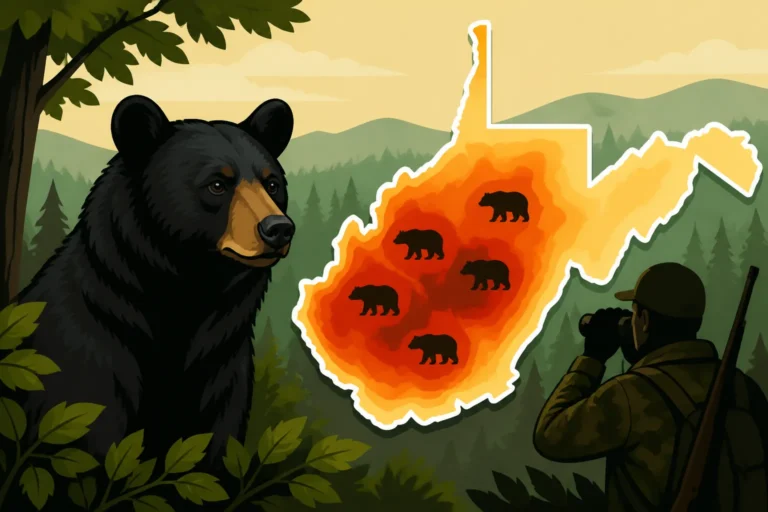
Let's be real, West Virginia's mountains and forests are teeming with predators, and a newborn elk calf, while surprisingly resilient, is undeniably vulnerable. Coyotes are ever-present, always on the lookout for an easy meal, and a small calf can be just that. Black bears, too, especially those just emerging from hibernation and looking to pack on pounds, are opportunistic hunters. They're excellent at sniffing out hidden fawns and calves.
A cow elk will do everything in her power to protect her calf, often hiding it in dense cover for its first few weeks, only visiting to nurse. But even the most vigilant mother can't be everywhere at once. The landscape plays a huge role here; areas with ample thickets, downed timber, and dense brush offer more places for calves to conceal themselves, effectively reducing the chances of a predator stumbling upon them. Conversely, open areas or patchy cover leave calves more exposed. It's a constant, high-stakes game of hide-and-seek, where the stakes are life and death for the future of the herd. Understanding Coyotes and Predators in West Virginia gives you a broader picture of the challenges young elk face.
Habitat Quality and Cover
Beyond just hiding from predators, the quality of the habitat is paramount for calf survival. Think about it: a strong, healthy cow gives birth to a strong, healthy calf, and that strength comes directly from the food she eats throughout her pregnancy and while nursing. If the habitat lacks nutrient-rich forage – lush grasses, succulent forbs, and browse – the cow's condition suffers, and by extension, so does her calf's. Calves need that early boost of nutrition through their mother’s milk to grow quickly and develop the stamina and agility needed to escape danger.
Dense cover isn't just for hiding, either; it's also a sanctuary from harsh weather. Early spring rains, unexpected cold snaps, or intense summer heat can quickly take a toll on a young calf. Thick stands of young timber, laurel thickets, or even just dense brush provide much-needed thermal cover. The areas around The Tomblin Wildlife Management Area Elk Herd are actively managed to provide these critical habitat features, showing just how important a diverse and rich environment is for fostering robust calf survival. Without these elements, even if a calf avoids predators, it might succumb to exposure or malnutrition.
Environmental Stressors and Disease
West Virginia weather can be unpredictable, and environmental stressors are a silent but deadly threat to elk calves. A prolonged, cold, and wet spring, for example, can lead to hypothermia in newborns, especially if they are born in less-than-ideal cover. Extreme heat and drought can reduce forage quality and availability, stressing both cow and calf, making them more susceptible to other issues. Calves that are weaker due to environmental stress are also more likely to be targeted by predators.
Disease is another looming threat, though often less visible. While elk are generally robust, any dense population carries the risk of disease transmission. Calves, with their developing immune systems, are particularly vulnerable. Respiratory illnesses, parasitic loads, or other pathogens could potentially impact survival rates, especially if a calf is already weakened by poor nutrition or environmental conditions. This is why agencies conduct West Virginia Wildlife Disease Monitoring, to stay ahead of potential outbreaks and understand their impact on vulnerable populations, including the youngest elk.
Monitoring and Management: The Role of the West Virginia Elk Restoration Program
The West Virginia Elk Restoration Program isn't just about bringing elk back; it's about ensuring they thrive. A huge part of that mission involves diligent monitoring and active management, especially when it comes to the success of each year's calf crop. It’s an ongoing, complex puzzle that requires both scientific rigor and a hands-on approach.
Tracking Calf Survival Through Research
How do we even know what the calf survival rates are? It's not like the elk check in at a register! Wildlife biologists employ a variety of sophisticated techniques to track these elusive young animals. One common method involves capturing newborn calves shortly after birth, typically within a few days, and fitting them with tiny, lightweight radio collars. These collars allow researchers to monitor their movements, understand their habitat use, and, critically, determine if and when a calf dies. When a mortality signal is detected, biologists can investigate the cause of death, whether it's predation, disease, or another factor.
This intense, boots-on-the-ground research gives us invaluable data. It helps pinpoint specific areas of high calf mortality, identify prevalent predators, and understand the timing of these events. Without this detailed tracking, we'd simply be guessing at the health and growth potential of the herd. It's truly incredible how much effort goes into following these little elk throughout their most fragile stage of life, providing essential insights that guide conservation decisions.
Habitat Enhancement Efforts
Knowing that habitat quality directly impacts calf survival, the West Virginia Elk Restoration Program actively engages in habitat enhancement. This isn't just wishful thinking; it's strategic land management. Biologists and land managers work to create and maintain ideal conditions for elk, particularly for calving and early calf rearing. This might involve selective timber harvesting to promote new, nutritious forage growth and dense cover patches, prescribed burns to regenerate grasslands and control invasive species, or planting specific forage types that benefit elk.
These efforts are often concentrated in and around known elk ranges, such as parts of Hunting the Southern Coalfields where the elk were initially reintroduced. The goal is to provide a mosaic of habitat types: open areas for foraging, dense thickets for hiding calves, and accessible water sources. By improving the landscape, we're not only providing better food for the cows but also offering those crucial hiding spots that give calves a fighting chance against predators, directly boosting their chances of making it through that critical first year.
Balancing Predator Populations
The relationship between elk and predators is a delicate ecological balance, and managing it for calf survival is a nuanced task. While no one wants to eliminate predators, sometimes their populations can reach levels that put undue pressure on vulnerable prey like elk calves. The West Virginia Elk Restoration Program considers the impact of predators, primarily coyotes and black bears, on calf survival as part of its broader management strategy.
This doesn't necessarily mean aggressive predator control; it often involves understanding predator dynamics, identifying areas where calves are most at risk, and considering strategies that support the elk herd's growth. For instance, in an area like Tomblin Wildlife Management Area, where elk are concentrated, understanding the bear population dynamics is important. It's about finding that sustainable sweet spot where both predator and prey populations can coexist, allowing the elk herd to establish and grow without being overly impacted during its most vulnerable phases.
Challenges and Triumphs in Building a Resilient Herd
Bringing elk back to West Virginia has been a monumental undertaking, fraught with challenges but also marked by significant triumphs. The journey to establish a resilient, self-sustaining herd, particularly one with strong calf survival rates, is a continuous process that reflects the dedication of countless individuals and organizations.
Overcoming Initial Hurdles of Reintroduction
The initial phase of elk reintroduction was a leap of faith, and it came with its own set of formidable hurdles. Sourcing healthy elk from other states, transporting them across long distances, and then releasing them into a completely new environment was just the beginning. These first few cohorts of elk had to adapt to new food sources, new predators, and new landscapes. Calves born to these pioneering cows faced an even steeper learning curve, relying on mothers who were themselves adjusting.
Early calf survival rates could be lower as the herd established itself and learned the ropes of its new home. It took time for cows to find the best calving grounds, to instinctively understand which cover offered the most protection, and to become fully acclimated to the local predator populations. The success we see today is a testament to overcoming these initial, significant challenges and the careful planning that went into How Elk Returned to Southern West Virginia. It wasn't an overnight success; it was a gradual, hard-won victory.
The Importance of Genetics and Herd Health
You know how some families just seem to produce stronger, healthier individuals? It's a bit like that with elk. The genetic makeup of the reintroduced elk plays a vital role in the overall health and vigor of the herd, and especially in the robustness of the calves. Healthy genetics contribute to better disease resistance, stronger physical development, and even better maternal instincts in the cows. When the cows are strong and in good condition, they are more likely to carry a pregnancy to term successfully, produce ample milk, and fiercely protect their young.
Maintaining a diverse and healthy gene pool within the West Virginia elk population is therefore a critical management objective. It helps prevent inbreeding and ensures that the herd has the resilience to withstand environmental changes and potential health threats. Every year, as new calves are born, they inherit these traits, contributing to the overall health and future viability of the herd. It’s an investment in the long-term success of the West Virginia's Restored Elk Herd.
The Future of West Virginia Elk and Sustainable Growth
Looking ahead, the future of West Virginia's elk herd hinges significantly on maintaining and improving calf survival rates. As the herd grows and potentially expands its range, understanding these survival dynamics becomes even more critical. Sustainable growth isn't just about having more elk; it's about having a healthy, resilient population that can thrive on its own. This means ensuring that enough calves are surviving to adulthood each year to replace older animals, withstand natural mortality factors, and allow for a carefully managed increase in overall numbers.
Ongoing research into calf survival will continue to inform management decisions, from habitat projects to potential hunting regulations, ensuring that the population remains robust. The goal is a truly self-sustaining herd that adds to the biodiversity and beauty of West Virginia for generations to come. It’s a vision built on the success of each precious calf that makes it through its first year.
How Enthusiasts Can Support West Virginia's Elk
For those of us who appreciate West Virginia's wild places and the magnificent creatures that call them home, there are many ways to support the continued success of the elk restoration program and, by extension, the survival of those vulnerable calves. It’s all about responsible engagement and understanding our role in their natural environment.
Respecting Elk Habitat and Wildlife
The most fundamental way to support elk calf survival is simply to respect their habitat and minimize disturbance, especially during critical periods. Calving season, typically late spring to early summer, is a particularly sensitive time. Cow elk hide their newborns, and any human presence could inadvertently cause a cow to abandon her calf or lead predators to its location. If you're out exploring areas known for elk, like those around the Tomblin WMA, be extra cautious. Give wildlife plenty of space, especially if you suspect there might be young animals present.
Staying on marked trails, keeping dogs leashed, and avoiding venturing into dense, remote thickets during these times can make a significant difference. Using reliable mapping tools, such as those provided by GoHunt, can help you identify sensitive areas and ensure you're recreating responsibly, avoiding prime calving grounds. Remember, a picture or a glimpse from a distance is worth far more than an encounter that puts a calf's life at risk. For tips on observing them, check out Elk Viewing in West Virginia.
Supporting Conservation Efforts
Another powerful way to contribute to healthy elk calf survival rates is through direct and indirect support for conservation. Purchasing hunting and fishing licenses and stamps, even if you don't hunt elk, provides vital funding for the West Virginia Division of Natural Resources (WVDNR) to continue its research, habitat management, and enforcement efforts. A portion of these funds directly supports the elk program and other wildlife initiatives.
Beyond licenses, consider donating to or volunteering with reputable conservation organizations that work on elk habitat improvement or research. These groups often fill critical gaps and can mobilize resources for specific projects that benefit elk and countless other species. Your financial contributions, no matter the size, directly translate into healthier habitats and more robust wildlife populations, which ultimately means more calves making it to adulthood. Understanding how the WVDNR uses these funds to perform Scouting West Virginia Public Land Before Season and other management is vital.
Educating Others and Responsible Engagement
Knowledge is power, and sharing accurate information about West Virginia's elk and the importance of calf survival is a huge service. Talk to friends, family, and fellow outdoor enthusiasts about the challenges elk calves face and the ways we can all help. Debunk myths, encourage ethical wildlife viewing practices, and promote responsible recreation in elk country. The more people who understand and appreciate the delicate balance required for a thriving elk herd, the better.
When engaging with elk, whether viewing or, if you're lucky enough to draw a tag, hunting, always prioritize ethical behavior. Learn about elk biology and behavior, like When West Virginia Elk Bugle, to enhance your experience without causing stress to the animals. Report any suspicious activity, like poaching or harassment, to the WVDNR. By being a responsible and informed advocate for West Virginia's elk, you contribute to a culture that values and protects these magnificent animals and ensures that their future generations continue to thrive. Online resources and mapping applications, like GoHunt, can be excellent tools for understanding elk range, habitat, and public land access, further enabling responsible engagement.
Summary of Key Factors Affecting Elk Calf Survival
| Factor | Description | Impact on Calf Survival | Management Focus |
|---|---|---|---|
| Predation | Coyotes, black bears, and other opportunistic predators. | High mortality risk in first weeks, especially in poor cover. | Habitat management for concealment, predator monitoring. |
| Habitat Quality | Availability of nutrient-rich forage for cows; dense cover for hiding. | Influences calf health, growth rate, and predator evasion. | Selective timber harvests, prescribed burns, forage planting. |
| Environmental Stress | Harsh weather (cold, wet, heat), drought, early spring conditions. | Hypothermia, malnutrition, increased susceptibility to disease. | Promoting diverse cover, ensuring water access. |
| Disease/Health | Pathogens, parasites, overall herd genetics and condition. | Weakens calves, increases mortality, can spread through herd. | Monitoring, genetic diversity, managing herd health. |
| Human Disturbance | Uncontrolled recreation, off-leash dogs, close encounters during calving. | Can lead to calf abandonment or increased predation risk. | Public education, responsible recreation, respecting space. |
Disclaimer
This article is for general informational purposes only and does not constitute professional advice. Laws, prices and regulations vary by location and change over time. Consult a qualified professional for guidance on your specific situation.