West Virginia Feral Swine Genetics and Origin
Dealing with feral hogs in West Virginia can feel like an uphill battle, a constant struggle against an elusive, destructive force that seems to pop up where you least expect it. These animals aren't just a nuisance; they're a genuine threat to our wild places, our farms, and our native wildlife. This comprehensive guide will peel back the layers on West Virginia's feral swine population, exploring their genetic makeup, tracing their convoluted origins, and discussing the serious impact they have on our beloved Mountain State.
The Feral Hog Phenomenon in West Virginia: A Growing Concern
For many West Virginia hunters and landowners, the presence of feral hogs is a relatively new and unwelcome development. While they might conjure images of deep southern swamps or Texas brush country, these tenacious animals have indeed made their way into our hills and hollows, bringing with them a host of environmental and economic challenges. It’s not just about a few rogue pigs; we're talking about an invasive species that can rapidly establish and devastate an area.
Why Feral Hogs Are a Problem
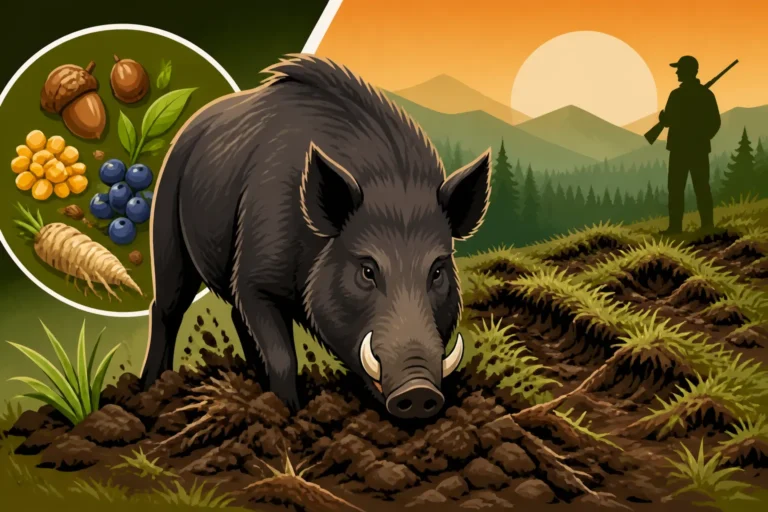
The problems associated with feral hogs are extensive and far-reaching, hitting everything from agricultural fields to pristine forest ecosystems. If you've ever seen a field after a sounder of hogs has moved through, you understand the immediate, visceral impact. They root up huge swaths of land, churning the soil as if a plow has been dragged through it, looking for tubers, roots, and invertebrates. This rooting doesn't just damage crops; it destroys native plant communities, disrupts soil structure, and leads to erosion, particularly on our steep West Virginia hillsides. Imagine a vibrant forest floor, rich with wildflowers and young saplings, completely upended and barren overnight. That's the power of feral swine. They consume vast amounts of acorns, nuts, and other mast, directly competing with deer, bear, turkey, and squirrel for crucial food sources, especially in lean years.
Beyond the visible destruction, feral hogs are notorious carriers of diseases and parasites. They can transmit serious illnesses like brucellosis, leptospirosis, and pseudo-rabies, not only to domestic livestock but also to our native wildlife, and even potentially to humans. For farmers with cattle or hog operations, the risk of disease transmission from wild pigs is a constant, terrifying threat that could decimate their herds and their livelihoods. These disease concerns also tie into broader discussions about West Virginia's Chronic Wasting Disease Counties and how wildlife diseases can spread.
A Historical Look at Swine in the Appalachians
While the explosion of feral hog populations is a modern issue, pigs aren't entirely new to the Appalachian landscape. Early European settlers brought domestic pigs with them centuries ago. These animals were often allowed to range freely in the woods, foraging for themselves, a practice known as "free-range husbandry." This was a common way to raise livestock in the rugged frontier, as it required less direct feeding and fencing. Over generations, some of these free-ranging domestic pigs became truly wild, developing characteristics that helped them survive in the wilderness, sometimes referred to as "razorbacks." They were tough, hardy, and self-sufficient, a far cry from the docile farm pigs we know today.
However, these historical populations were typically localized and didn't exhibit the same invasive tendencies or widespread destructive impact we see from today's feral swine. The real escalation of the problem in West Virginia and many other states is a more recent phenomenon, driven by factors beyond simple escapes from backyard pens. It's a complex blend of genetics and human activity that has allowed these animals to gain such a foothold.
Unraveling the Genetic Tapestry of West Virginia's Feral Swine
Understanding where West Virginia's feral hogs come from isn't just an academic exercise; it's crucial for effective management. Their genetic makeup tells a story of diverse origins, illustrating why these animals are so incredibly adaptable and difficult to eradicate. They're often not just one type of pig, but a mosaic of traits that grant them superior survival skills in the wild.
The Hybrid Vigor: Domestic Ancestry Meets Wild Resilience
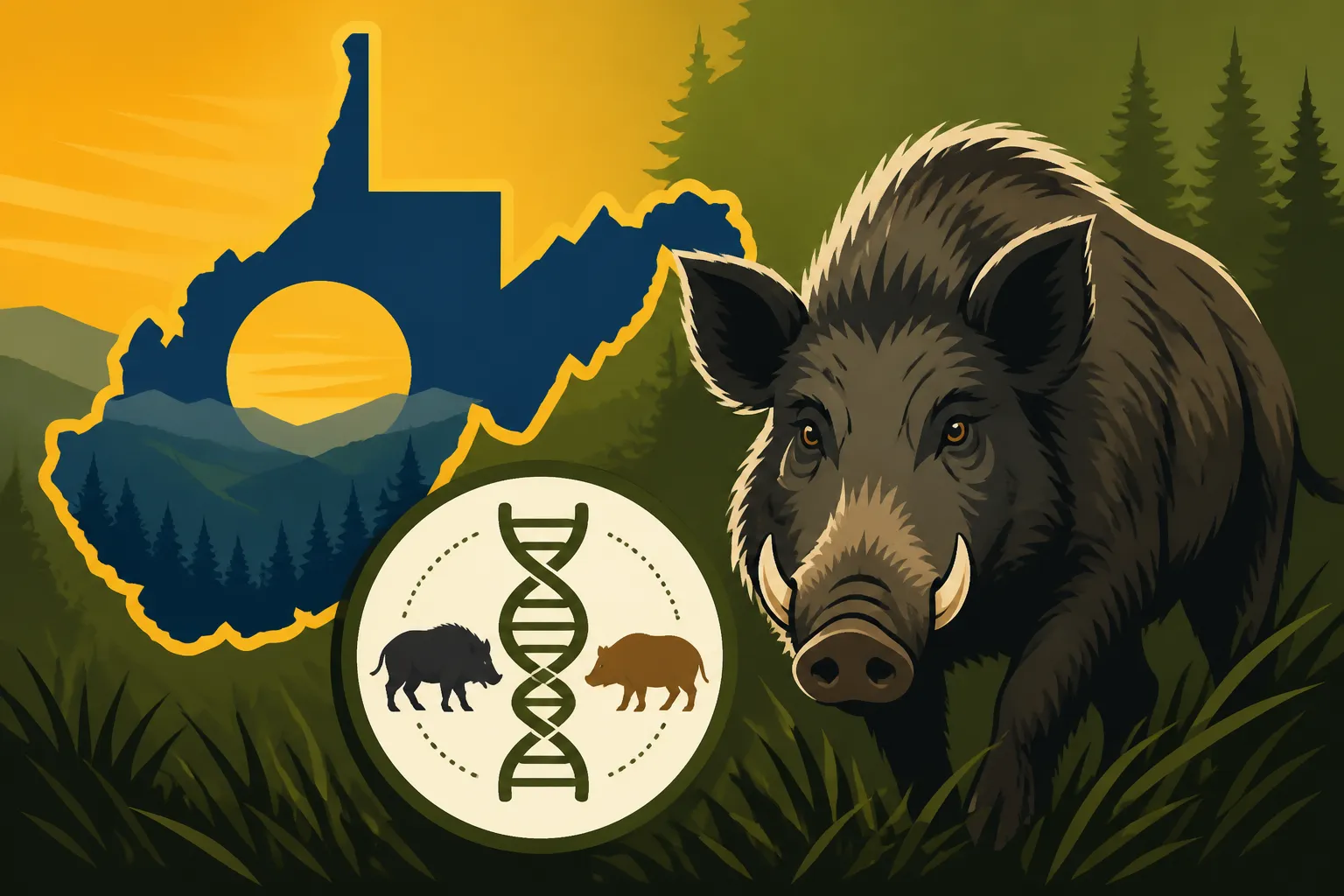
The feral swine found throughout West Virginia are rarely purebred domestic pigs that just happened to escape. Instead, they are often a complex hybrid of escaped domestic hogs, European wild boar, and various crosses between the two. This genetic mixing creates what's known as "hybrid vigor," meaning the offspring often exhibit enhanced traits from both parent lines, making them tougher, smarter, and more prolific. Domestic pigs contribute traits like rapid reproduction and larger litter sizes, while European wild boar influence characteristics such as leaner bodies, denser hair coats, longer snouts, and tusks – all crucial for survival in a challenging natural environment. This blend allows them to thrive in conditions that would quickly dispatch a typical farm pig. They can withstand colder temperatures better, forage more efficiently, and reproduce at an astonishing rate.
Imagine a pig that looks mostly like a domestic hog but has a dark, bristly coat, a more elongated snout for digging, and a short, straight tail instead of a curly one. These are common indicators of a wild boar influence. The exact mix varies by sounder and region, but the general trend is towards a resilient animal perfectly adapted for life off the farm.
Genetic Markers and Tracking Their Spread
Scientists use genetic markers to trace the lineage and movement of feral hog populations. By analyzing DNA samples from captured or harvested hogs, researchers can identify distinct genetic signatures that point to their likely origins and how different populations are connected. This information is invaluable for understanding how fast they're spreading, where new populations are emerging, and whether these new groups are the result of natural dispersal or new introductions. For instance, if hogs in one West Virginia county share significant genetic markers with a known population in a neighboring state, it suggests migration. If they show a unique genetic profile, it might indicate an independent introduction.
Tools like GPS mapping and wildlife tracking apps, such as GoHunt, can further complement this genetic data by visualizing potential travel corridors and areas of high activity. While GoHunt is primarily known for its mapping capabilities for various game, understanding the overall movement of wildlife, including invasives, can be crucial for hunters and managers alike. This combined approach allows wildlife agencies to develop more targeted control strategies, focusing resources where they're most needed to interrupt established pathways or prevent new incursions. Without this genetic sleuthing, we'd be largely guessing at how to tackle the problem effectively.
The Pathways to West Virginia: How Feral Swine Arrived and Proliferated
The presence of feral hogs in West Virginia isn't simply a natural migration story. It's a tale woven with both accidental occurrences and, unfortunately, deliberate human actions. Understanding these different pathways is essential to preventing future introductions and managing the existing populations.
Escapes from Agricultural Operations
One of the most common and historically consistent ways that domestic pigs become feral is through escapes from farms and smallholding operations. While commercial hog farms typically have robust fencing and biosecurity measures, smaller, hobby farms or individuals raising a few pigs might have less secure enclosures. A fallen tree, a broken gate, or even a determined pig can lead to an escape. Once a domestic pig is out and free, especially if it's pregnant or joins other escaped pigs, it can quickly revert to a wild state. This process of "feralization" can happen surprisingly fast, with subsequent generations becoming increasingly wild in appearance and behavior.
These escapes contribute to the genetic pool of feral swine, reinforcing their hybrid vigor. A domestic pig escaping into an area with established feral populations provides new genetic material, potentially enhancing traits like disease resistance or reproductive capacity in the wild sounder. This constant leakage from domestic stock makes the problem even harder to contain, as new genes are regularly introduced into the wild population.
Intentional Releases and Their Devastating Impact
Perhaps the most frustrating and damaging pathway for feral hog proliferation is intentional release. This often occurs when individuals illegally capture wild hogs from other states where populations are already established and transport them to new areas, typically for hunting purposes. The idea is to create a new hunting opportunity, but the reality is a destructive ecological nightmare. These releases are incredibly irresponsible and carry severe penalties, yet they sadly continue to happen. These "drop-offs" often involve hogs that are already highly adapted to survival in the wild and carry the genetic traits of aggressive reproduction and environmental damage.
Unlike accidental escapes, which are usually isolated incidents, intentional releases can introduce a viable breeding population directly into new, untouched habitats. This dramatically accelerates their spread and makes control efforts exponentially more difficult. The individuals responsible for such actions rarely consider the long-term ecological and economic consequences, which can plague a region for decades. It's an issue that directly impacts our West Virginia Feral Hog Regulations and underscores the importance of reporting suspicious activities.
Natural Migration from Neighboring States
West Virginia is bordered by several states that already have significant, well-established feral hog populations. Ohio, Kentucky, Virginia, and Pennsylvania have all dealt with these animals for some time. It's no surprise, then, that natural migration is another significant contributor to West Virginia's feral swine problem. As populations grow in these adjacent states, hogs will naturally expand their range, seeking new territories with less competition for food and space. Rivers and dense forest corridors often act as natural highways for their movement.
For instance, populations in the Ohio River Valley or along the Kentucky border can gradually move upstream or across tributaries, establishing beachheads in new West Virginia counties. This slow, steady creep is harder to detect in its early stages and can result in established sounders before land managers are fully aware. This type of spread is why understanding the broader regional picture of How Wild Hogs Spread Across West Virginia is so important. Agencies in West Virginia often collaborate with their counterparts in neighboring states to monitor these border areas and implement coordinated control efforts to slow or stop this natural spread.
The Impact on West Virginia's Ecosystem and Hunting Heritage
The presence of feral hogs isn't just an inconvenience; it represents a profound threat to the delicate balance of West Virginia's natural environment and the rich hunting heritage we all cherish. Their destructive habits ripple through the ecosystem, affecting everything from water quality to the populations of our treasured native game species.
Ecological Damage: From Rooting to Water Contamination
The most visible sign of feral hog presence is their incessant rooting. These animals use their powerful snouts to turn over soil, searching for roots, tubers, insects, and anything edible. This rooting behavior leads to extensive soil disturbance and erosion, especially on the steep slopes common throughout West Virginia. Imagine the impact of heavy rains on freshly rooted ground; tons of topsoil can wash into streams and rivers, degrading water quality, increasing sedimentation, and harming aquatic life. This directly impacts fish spawning beds and the overall health of our waterways. Beyond physical damage, their rooting destroys native plant communities, including rare and endangered species, and inhibits forest regeneration by consuming tree seedlings and acorns.
Feral hogs also wallow in muddy areas, contaminating water sources with their waste. This can introduce bacteria and parasites into streams, making them unsafe for other wildlife and potentially impacting human recreation like fishing and swimming. The cumulative effect of their rooting, foraging, and contamination creates a cascade of negative impacts that fundamentally alter the landscape, often rendering areas less suitable for native wildlife and increasing the risk of major erosion events.
Disease Vectors and Biosecurity Risks
As mentioned before, feral hogs are biological reservoirs for a host of diseases that pose a significant threat. They can carry and transmit at least 30 different diseases and 37 types of parasites. While many of these diseases impact other wild animals and livestock, some, like brucellosis and E. coli, are zoonotic, meaning they can spread to humans. For farmers, particularly those raising hogs or cattle, the risk of their domestic animals contracting diseases from feral swine is devastating. A single outbreak could lead to quarantines, culling of herds, and massive economic losses.
Consider the potential for disease spread within our native deer population. While feral hogs are not known carriers of Chronic Wasting Disease, their presence and behaviors introduce other disease pressures. The West Virginia DNR is constantly monitoring wildlife health, and the introduction of more disease vectors creates additional challenges. Effective management strategies for feral hogs must always consider the potential biosecurity risks they pose to both agriculture and native wildlife.
Competition with Native Wildlife and Hunters
Feral hogs are voracious omnivores with incredibly diverse diets. They eat everything from acorns and nuts to insects, reptiles, bird eggs, fawns, and even small rodents. This puts them in direct competition with nearly every native wildlife species for food resources. Deer, bears, turkeys, and squirrels all rely heavily on mast crops like acorns and beechnuts, especially during fall and winter. When large sounders of hogs move through an area, they can quickly decimate these critical food sources, leaving little for our native game. This competition can lead to declines in populations of our most cherished game animals.
Furthermore, hogs actively prey on the nests of ground-nesting birds, including wild turkeys and ruffed grouse, significantly impacting their reproductive success. They also have been known to prey on deer fawns. For hunters, this means fewer deer, fewer turkeys, and a degraded hunting experience. If you're out Hunting the West Virginia Rut in November or trying to call in a gobbler in spring, the signs of hog rooting and their presence can indicate a disturbed habitat and reduced opportunities. Maintaining healthy populations of game animals is a core principle of West Virginia hunting, and feral hogs directly undermine this effort.
Managing the Menace: Strategies for Control and Eradication
Controlling feral hogs is notoriously difficult, primarily due to their intelligence, adaptability, and incredible reproductive rates. A single sow can produce two litters of 4-8 piglets per year, meaning a population can double in just four months under ideal conditions. This rapid turnover makes eradication a continuous, intensive effort.
The Challenges of Feral Hog Control
Feral hogs are often described as "intelligent" and "elusive" for good reason. They learn quickly to avoid traps and hunters, becoming nocturnal and changing their patterns in response to pressure. Their dense hair and thick skin make them remarkably tough, able to shrug off minor injuries and navigate dense cover. The rugged terrain of West Virginia, with its steep hills, dense forests, and countless hollows, provides ideal cover for these animals, making them incredibly hard to locate and remove. Public lands, with their vastness and varying degrees of human activity, also pose unique challenges for systematic control efforts.
Another major hurdle is the sheer scale of the problem. Once established, feral hog populations can explode, requiring significant resources and sustained effort to make a dent. Individual efforts by hunters, while helpful, are often not enough to curb widespread populations. It demands a coordinated, multi-pronged approach across large landscapes.
Integrated Management Approaches
Given the challenges, effective feral hog control almost always involves an integrated management approach, combining multiple tactics for maximum impact. This typically includes:
- Trapping: Large, corral-style traps equipped with remote triggers and cameras are highly effective. These traps allow managers to catch entire sounders (groups of hogs) at once. The key is to pre-bait the trap for an extended period, allowing all hogs in a sounder to habitually enter before the trap is sprung.
- Targeted Shooting: While recreational hunting alone cannot eradicate populations, targeted shooting by trained professionals or landowners can be effective in conjunction with trapping, especially for smaller, isolated sounders or to remove trap-shy individuals.
- Snaring: Snares can be used in specific situations, particularly along fence lines or travel corridors, but require careful placement to avoid non-target animals.
- Aerial Operations: In suitable, open terrain (less common in West Virginia's dense forests), aerial gunning from helicopters can be highly effective for rapidly reducing populations over large areas. This is usually restricted to specific scenarios and conducted by professionals.
Agencies like the West Virginia DNR often collaborate with federal partners, like USDA Wildlife Services, to implement these labor-intensive and often costly control programs. It's a long-term commitment that requires persistence and adaptability.
The Hunter's Role in Mitigation
West Virginia hunters play a crucial role in managing feral hog populations, though it's important to understand that recreational hunting alone is unlikely to eradicate them. The state generally allows year-round hunting of feral hogs on private land with few restrictions, often with no bag limits, specifically to encourage their removal. Always check the current West Virginia's Year-Round Hog Rule on Private Land for the most up-to-date regulations.
Hunters can contribute by:
- Harvesting: If you encounter feral hogs while hunting other game, take the opportunity to remove them. Every hog removed is one less animal destroying habitat and reproducing.
- Reporting: Report sightings of feral hogs, especially in new areas, to the West Virginia DNR. This helps wildlife managers track their spread and plan control efforts.
- Responsible Practices: Never intentionally release hogs for hunting. This illegal act exacerbates the problem and has long-term negative consequences. Educate others on the dangers of releasing invasive species.
- Using Resources: Familiarize yourself with how to identify hog sign and movement. Using mapping tools like GoHunt can help you understand game movement in general, and perhaps even identify areas of hog activity if reported by others. For specific advice on methods, you might look into resources like Trapping West Virginia Feral Hogs or general information on Hunting West Virginia's Year-Round Feral Hogs.
Remember, while hunting helps, the goal is not just population control, but often local eradication to protect native ecosystems. It’s a collective effort to safeguard West Virginia’s wild places.
Understanding Feral Swine Traits
To further illustrate the unique characteristics of feral swine in West Virginia, and how they differ from their domestic and wild boar ancestors, here's a comparison:
| Trait | Domestic Pig (Typical Farm Pig) | European Wild Boar (Purebred) | West Virginia Feral Swine (Hybrid) |
|---|---|---|---|
| Coat Color | Varied (Pink, Black, Spotted) | Dark Brown/Black, Often Striped Piglets | Highly Varied, Often Darker/Bristly |
| Body Shape | Blocky, Heavy, Short Legs | Lean, Muscular, Longer Legs | Leaner than Domestic, Stockier than Pure Wild Boar |
| Snout | Shorter, Broader | Long, Tapered, Strong | Elongated, Strong, Adapted for Rooting |
| Tail | Curly | Straight, Tufts at Tip | Often Straight, Sometimes Slightly Curled |
| Tusks | Small or Absent | Prominent, Sharp | Present in Males, Can Be Significant |
| Reproduction Rate | High (10-12 piglets/litter, 2-3 litters/year) | Lower (4-6 piglets/litter, 1 litter/year) | High (6-10 piglets/litter, 2 litters/year) |
| Temperament | Docile | Aggressive, Elusive | Highly Cautious, Aggressive When Cornered |
| Diet | Feeds, Crops | Omnivorous (Roots, Nuts, Small Animals) | Broadly Omnivorous, Very Opportunistic |
| Habitat Preference | Confined Areas | Forests, Dense Cover | Highly Adaptable (Forest, Farmland, Swamp) |
This table highlights why West Virginia's feral swine are such a formidable challenge – they often inherit the highest reproductive rates of domestic pigs combined with the rugged survival traits of wild boar, making them perfectly suited to exploit and dominate new habitats.
Disclaimer
This article is for general informational purposes only and does not constitute professional advice. Laws, prices and regulations vary by location and change over time. Consult a qualified professional for guidance on your specific situation.