West Virginia Coyote Diet in Farm Country
It’s a common frustration for anyone living or hunting in West Virginia’s beautiful farm country: knowing that coyotes are out there, but not always understanding what exactly they’re eating. Are they solely focused on the deer fawn crop? Are they after livestock? Or are they just cleaning up roadkill? This guide is going to peel back the curtain on the diverse, often surprising, diet of West Virginia coyotes in agricultural settings, giving you a clearer picture of their habits and how they interact with the landscape you cherish.
The Opportunistic Hunter: What Defines a Coyote's Diet
Coyotes are survivors, plain and simple. They didn't spread across North America by being picky eaters. In West Virginia, where forests meet fields and human development often bumps right up against wild spaces, coyotes thrive because they can adapt their menu to whatever is most available and easiest to acquire. This flexibility is key to understanding why their diet shifts so much depending on the season, the local environment, and even specific agricultural practices.
Generalist Predators in a Changing Landscape
Unlike some highly specialized predators, coyotes are true generalists. This means they aren't tied to a single food source, which makes them incredibly resilient. In pure wilderness, their diet might lean heavily on wild game like rabbits, rodents, and even some deer. But once you introduce the mosaic of farm fields, pastures, and scattered homesteads, their options explode. They're not just looking for a meal; they're looking for the easiest meal. If that means digging up a rodent den in a hayfield one day and scavenging a deer carcass near a logging road the next, then that's what they'll do.
This adaptability can be both a blessing and a curse for humans. On one hand, they help control rodent populations that can damage crops. On the other, their willingness to exploit any food source means they can quickly learn to target vulnerable livestock or compete with hunters for game. It’s a dynamic relationship that's always in flux, driven by what’s on the menu each day.
Key Food Sources Beyond the Wilderness
While a coyote might happily chase down a rabbit in a remote forest, farm country presents a smorgasbord of opportunities that just don't exist in untouched wilderness. We're talking about fields teeming with mice and voles, cover that concentrates rabbits, and the ever-present possibility of livestock. But it’s not just live prey. Think about grain spills, forgotten garden plots, or even roadkill on rural routes – these are all calorie-rich, low-effort meals for a savvy coyote.
These additional food sources can drastically alter a coyote's foraging behavior and even their population density. Areas with consistent, easy food sources might support more coyotes or allow them to expend less energy hunting, which means they can dedicate more time to other activities, including breeding. This is why understanding the specific context of "farm country" is so crucial when discussing their diet; it's a completely different ballgame than their diet in, say, the deep woods of the Monongahela National Forest.
Farm Country Specifics: What Coyotes Are Eating Near You
When we talk about West Virginia farm country, we’re picturing everything from small family plots with a few chickens to sprawling cattle pastures and vast cornfields. Each of these environments offers a distinct set of dietary opportunities for coyotes, and they are incredibly adept at exploiting every single one.
Small Game and Rodents – The Staple Diet
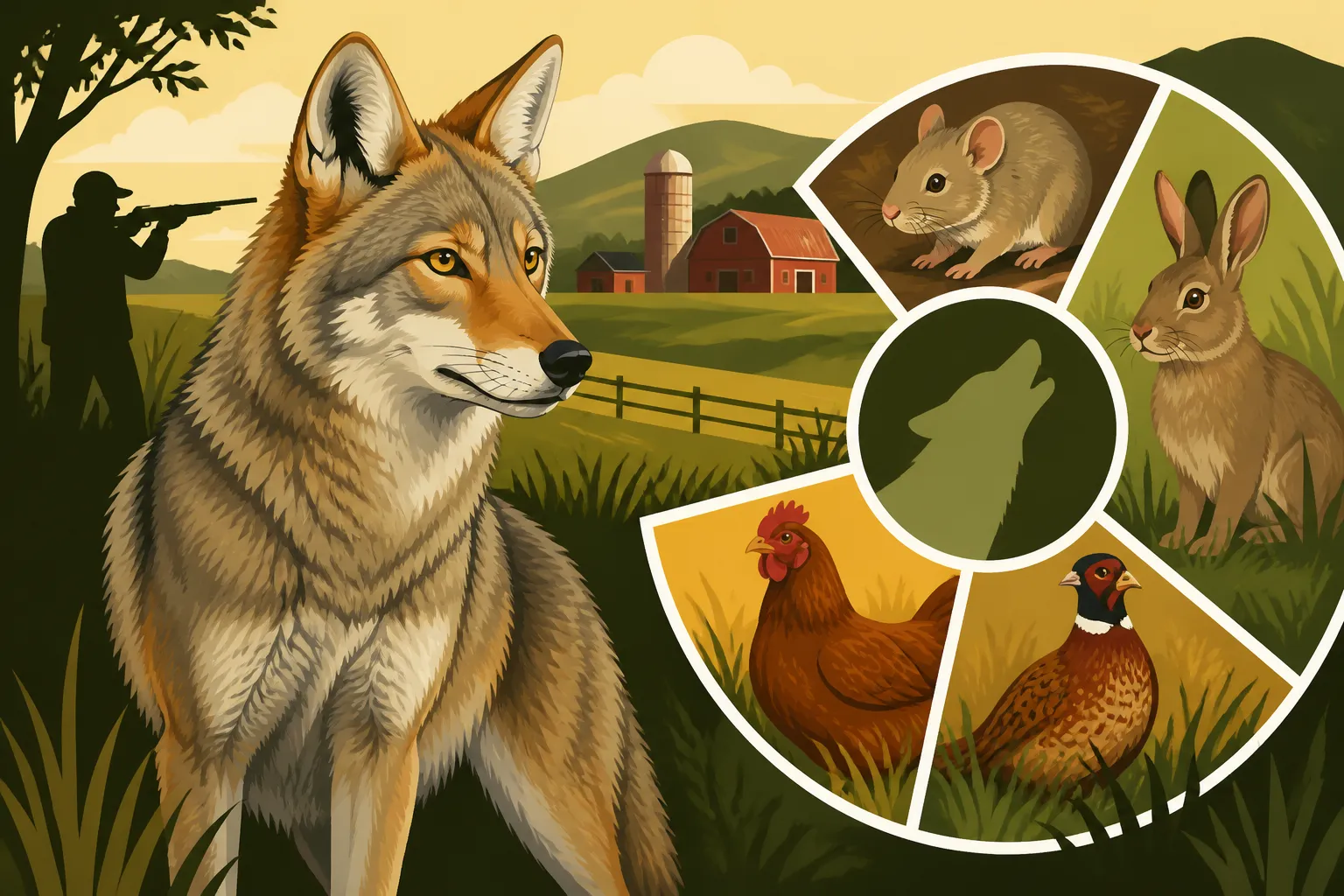
Even in farm country, small mammals remain the bread and butter of a coyote's diet. Think mice, voles, shrews, and rats, which absolutely thrive in and around agricultural lands. The tall grasses of hayfields, the dense cover along fence rows, and even the loose soil of tilled fields create perfect habitat for these critters. A coyote can spend hours mousing in a field, expending minimal energy for a consistent, if small, caloric return.
Beyond rodents, cottontail rabbits are a prime target, especially in areas where brushy fence rows, overgrown ditches, and field edges provide both cover and forage for rabbits. Coyotes are incredibly efficient at tracking and ambushing these small, fast-moving prey. You might be focused on Rabbit Hunting West Virginia Fencerows, but a coyote is often there first, taking advantage of the same excellent habitat. Squirrels too, especially those foraging on the ground near the woods edge bordering a field, can end up on the menu. A good tool like GoHunt can help you visualize these transitions from field to forest edge, which often define prime coyote hunting grounds as well.
Livestock and Poultry – A Farmer's Nightmare
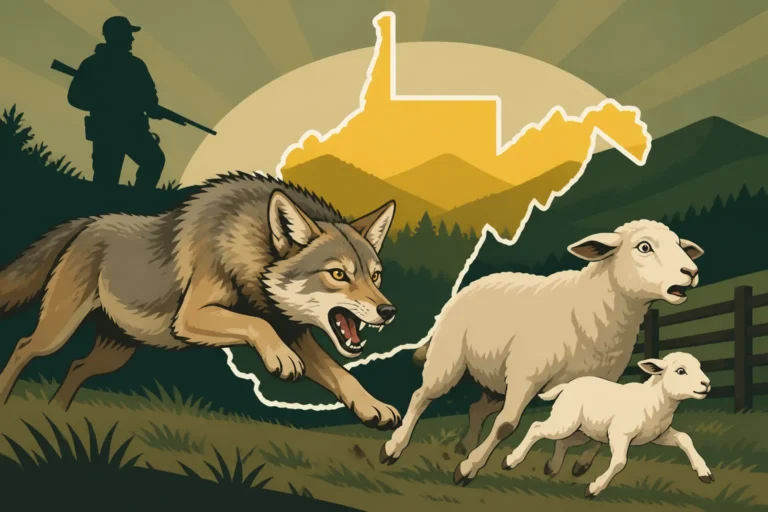
This is often the most contentious aspect of coyotes in farm country. While coyotes generally prefer wild prey, the opportunity for an easy meal from a farmer's flock or herd is often too tempting to pass up, especially when natural prey is scarce or difficult to catch. Young calves, lambs, and goats are particularly vulnerable, especially during their birthing seasons when they are less mobile and their mothers might be distracted.
Poultry, like chickens, ducks, and turkeys, are often even easier targets. A coyote can slip into an inadequately secured coop or simply snatch birds foraging in a yard. The economic impact on farmers can be devastating, leading to significant conflicts between wildlife and human interests. This is where predator management becomes not just about hunting, but about protecting livelihoods.
Deer – Especially Fawns and Carcasses
While adult, healthy deer are generally too fast and powerful for a lone coyote, fawns are a different story. The spring and early summer fawn drop represents a significant, albeit seasonal, food source for coyotes. Fawns are born relatively helpless, relying on camouflage and stillness to avoid detection. However, a keen-nosed coyote can often sniff them out, particularly during the first few weeks of their lives. This predation is a natural part of the ecosystem, but it's understandable why hunters keep an eye on West Virginia Fawn Survival Rates and how that impacts future deer populations.
Beyond live fawns, deer carcasses are an extremely important part of a coyote's diet, especially outside the fawning season. After hunting season concludes, there are often gut piles left in the woods, or deer that were wounded and not recovered. Road-killed deer are another major source of carrion. Coyotes are exceptional scavengers, and these free meals provide vital energy, especially during the lean winter months when other food sources are scarce. It's an often overlooked aspect of West Virginia Predator Impact on Fawn Recruitment, as year-round scavenging sustains populations that can then impact fawns.
Forage and Scavenging – The "Everything Else" Category
Coyotes are not strictly carnivores. Their diet is incredibly broad, incorporating a surprising amount of plant matter, especially fruits and berries when they are in season. Wild grapes, persimmons, apples, and various berries can provide essential nutrients and hydration. They'll also readily consume insects, especially larger ones like grasshoppers and beetles.
In areas closer to human habitation, coyotes become masters of scavenging. Pet food left outdoors, compost piles, poorly secured garbage cans, and even fallen fruit from orchard trees are all fair game. This is why you often see them patrolling the edges of suburban developments that border farm fields; it's a buffet of easily accessible calories with minimal risk. Understanding these diverse food sources helps explain their distribution and density, as noted by research into West Virginia Coyote Range and Density.
Understanding Seasonal Dietary Shifts and Local Influences
A coyote's menu isn't static; it's a dynamic reflection of what’s available throughout the year. Just like we change our grocery list with the seasons, coyotes adapt their hunting and foraging strategies to maximize energy intake.
Spring and Summer – Fawns and Young Prey
Spring is a time of abundance and vulnerability. With the birth of countless young animals, coyotes shift their focus to easy targets. Newborn fawns, as mentioned, are a major draw. But it's not just deer; ground-nesting birds, like wild turkeys and quail, are also at risk. West Virginia Wild Turkey Nesting Success can be heavily influenced by predator pressure, and coyotes are certainly a factor. Their eggs and newly hatched poults are a high-protein, easy-to-access meal.
Small mammal populations also boom in spring and summer, providing a steady supply of rodents and rabbits. A coyote might patrol field edges or wooded creek bottoms, listening for the rustle of voles or the sudden burst of a rabbit from thick cover. The longer daylight hours also mean more time to forage and hunt, allowing them to cover greater distances and exploit more opportunities.
Fall and Winter – Scavenging and Energy Conservation
As fall arrives, the landscape changes dramatically. Fawns are older and more elusive, and small mammal populations may begin to decline or seek deeper cover. This is when scavenging becomes even more critical. Acorns, persimmons, and wild apples, if available, offer concentrated pockets of energy. But the real game-changer is the onset of hunting seasons.
Deer hunting seasons, from archery through muzzleloader and buck gun, create an abundance of carrion. Gut piles are a powerful attractant, drawing coyotes (and other scavengers) to specific areas. Wounded deer that aren't recovered become vital food sources, especially as winter deepens and natural prey becomes harder to find. In severe winters, deer succumbing to harsh conditions also provide a necessary feast. Hunters can even use this knowledge, as understanding where deer are commonly harvested can lead to successful Predator Calling West Virginia Ridgelines if coyotes are drawn to the area for easy meals.
Impact of Agricultural Practices
The specific type of farming in an area profoundly impacts what coyotes eat. Consider a vast cornfield: during the growing season, it offers incredible cover and habitat for small game, attracting coyotes. After harvest, the remaining stalks provide some cover, but more importantly, spilled grain becomes a food source, directly for coyotes, but also for rodents and birds that coyotes prey on. Soybean fields offer similar opportunities.
Cattle or sheep pastures provide direct access to livestock, particularly during calving or lambing seasons. Hayfields, with their cycles of growth and cutting, periodically expose large numbers of rodents, creating a temporary buffet for coyotes. Even logging or timbering on farm properties can impact their diet, as it creates new thickets for small game or leaves behind deer browse that concentrates whitetails. Being observant of these land use patterns is key to understanding and predicting coyote behavior, and using a mapping application like GoHunt can provide invaluable aerial imagery to spot these shifts.
Implications for Hunters and Landowners
Understanding what coyotes eat isn’t just an academic exercise; it has real-world implications for hunters trying to manage game populations and for landowners striving to protect their livestock. Knowing their dietary habits allows for more effective strategies.
Managing Coyote Populations
If you're looking to manage coyote populations, whether to protect deer fawns or prevent livestock depredation, knowing their primary food sources is paramount. If they're primarily scavenging deer carcasses in winter, setting traps along known game trails or near gut pile locations can be effective. If they're targeting fawns in spring, focusing your efforts on den sites or travel corridors during that specific window might be more productive. This localized knowledge is crucial for successful Coyote Calling in West Virginia Farm Country.
Predator calling, for instance, works best when you mimic the distress calls of the animals coyotes are most likely to be hunting at that specific time of year. If they’re hammering rabbits, a dying rabbit call will be more effective than a fawn bleat if fawns aren't currently available. Also, understanding their movements around these food sources is key. Are they approaching a field edge from the thicket? Or are they crossing an open pasture after dark to get to a chicken coop? This knowledge informs your stand placement and calling sequences. For hunters who pursue coyotes, especially outside of regular daylight hours, it's critical to understand Night Hunting Rules for West Virginia Coyotes and what equipment is legal and effective.
Protecting Livestock and Game
For landowners, the diet of coyotes directly translates to strategies for protecting their animals. If coyotes are routinely taking chickens, the first line of defense is securing coops and runs with sturdy fencing and overhead netting. For larger livestock, understanding the most vulnerable times – such as calving season – allows farmers to implement proactive measures like bringing pregnant animals closer to the barn, using guard dogs, or increasing patrols. Removing attractants like spilled grain, pet food, or open compost can also reduce the allure of a farm for scavenging coyotes.
From a game management perspective, hunters can contribute by practicing responsible harvest. Ensuring proper shot placement to minimize wounded deer, and thoroughly tracking and recovering any animals shot, reduces the amount of carrion available to coyotes after the season. While coyotes are a natural part of the ecosystem, understanding their opportunistic dietary habits empowers both hunters and farmers to coexist more harmoniously and to protect their interests more effectively in West Virginia's diverse landscape.
Here's a quick overview of what coyotes are typically eating through the seasons in West Virginia farm country:
| Season | Primary Food Sources (Farm Country) | Secondary / Opportunistic Sources |
|---|---|---|
| Spring | Deer fawns, young rabbits, bird eggs/nestlings | Rodents, insects, carrion |
| Summer | Rodents, adult rabbits, poultry | Berries, insects, garden crops, pet food |
| Fall | Rodents, adult rabbits, carrion (post-hunt) | Fruits (apples, persimmons), grain spills |
| Winter | Carrion (deer, livestock), rodents | Small game (if abundant), some cached food |
Disclaimer
This article is for general informational purposes only and does not constitute professional advice. Laws, prices and regulations vary by location and change over time. Consult a qualified professional for guidance on your specific situation.