West Virginia Record Book Gobblers
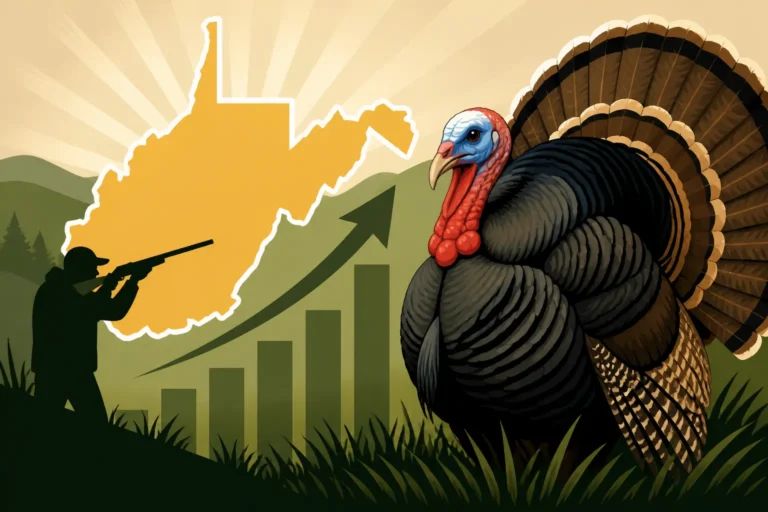
That moment when you hear a thunderous gobble echo through the West Virginia hollers, and you just know it's a mature tom — it's what every turkey hunter dreams of. But pulling the trigger on a true record book gobbler, one that earns a spot in the annals of hunting history, that's a whole different level of challenge and reward. This guide will walk you through what it takes to find, hunt, and officially record those truly exceptional wild turkeys in the Mountain State.
What Makes a West Virginia Gobbler a "Record Book" Bird?
Before you can even dream of calling in a record book gobbler, you need to understand what actually qualifies a bird for such an esteemed title. It's not just about how loud he gobbles or how much he makes your heart pound (though those are certainly good indicators!). There's a specific scoring system, primarily maintained by the National Wild Turkey Federation (NWTF), that turns your hunt into a verifiable trophy.
The National Wild Turkey Federation's Scoring System
The NWTF maintains the official records for wild turkeys, and their system is quite straightforward. It takes into account three main components: the bird's live weight, the length of its beard, and the length of its spurs. Each of these contributes to a total score that determines if your gobbler makes it into their record book.
- Live Weight: This is measured in pounds and ounces. For scoring, the weight is converted to a points value, typically by taking the exact weight and multiplying it by a specific factor. A heavier bird means more points, plain and simple. Imagine dragging a hefty tom out of a steep hollow – not only is it a workout, but that extra heft is putting points on the board!
- Beard Length: The beard is measured from the base of the skin to the tip of the longest strand, typically in sixteenths of an inch. A long, thick beard is a hallmark of an older, mature tom. Sometimes, an old bird might have a "rope" that looks incredible, but for the record book, it's about the pure measurement. It’s important to note that if a bird has multiple beards, only the longest one counts for the NWTF’s primary scoring system.
- Spur Length: Spurs are measured along their outside edge, from the point where they emerge from the scaly leg skin to the tip, also in sixteenths of an inch. Spurs are often the most reliable indicator of a tom's age and dominance. Long, sharp, and curved spurs are a clear sign of an old warrior. The lengths of both spurs are added together for the total score.
Understanding the Scoring Math
Let's break down how these components combine to give you a total score. The NWTF's basic formula for an Eastern wild turkey (which is what we have in West Virginia) is usually something like this:
(Weight in pounds * 1) + (Beard length in inches * 2) + (Sum of spur lengths in inches * 10)
For example, a 20-pound gobbler with a 10-inch beard and two 1-inch spurs (total 2 inches) would score:
(20 * 1) + (10 * 2) + (2 * 10) = 20 + 20 + 20 = 60 points.
To be considered for the NWTF record book, a typical Eastern gobbler needs to meet certain minimum scores. While these can vary slightly over time and by division (state, national, etc.), the general idea is that you're looking for birds with exceptional measurements across the board, not just one incredible feature. It takes a truly magnificent bird to make the cut, so always check the latest guidelines on the NWTF's website if you think you've got a contender.
Key Factors That Produce West Virginia's Trophy Gobblers
You might be thinking, "Great, so how do I actually find one of these giants?" It's not just luck; it's a combination of age, habitat, and some good old West Virginia grit. Our mountains and hollows are tough on turkeys, and only the strongest, smartest birds live long enough to reach trophy status.
The Role of Age and Genetics
Age is probably the single biggest factor in producing a record book gobbler. Those impressive spurs and long, sweeping beards don't appear overnight. It takes years for a tom to grow into that kind of trophy.
- Survival of the Fittest: In West Virginia, a gobbler has to survive at least two, often three or more, spring seasons to develop truly impressive characteristics. They navigate harsh winters, evade predators like coyotes and bobcats, and survive the hunting pressure that builds throughout the season. A bird with 1.25-inch spurs and an 11-inch beard isn't a young'un; he's seen a few springs come and go. This is why areas with lower hunting pressure or difficult terrain where birds can escape often produce bigger, older toms. You might find these older birds in places where human access is tough, like deep within the Monongahela National Forest Hunting boundaries or the more remote stretches of West Virginia's Wildlife Management Areas.
- Genetic Potential: While you can't control genetics, they definitely play a role. Some bloodlines simply have the propensity to grow longer spurs or denser beards. You might notice certain areas consistently produce bigger birds, and while habitat is key, the genetic pool of those local populations contributes as well. This is less something a hunter can influence and more a factor to appreciate when a truly remarkable bird is harvested.
Ideal Habitat for Big Birds
A gobbler can't get big and old without an abundance of quality habitat providing food, water, and cover. West Virginia's diverse landscape offers excellent turkey habitat, but certain areas are simply better than others for growing giants.
- Food-Rich Forests: Mature hardwood forests, especially those with consistent mast crops like oaks and beeches, are vital. These provide critical food sources for turkeys year-round, allowing them to put on weight and stay healthy. Areas with a good mix of mature timber and clearings or agricultural fields (like you might find in Hunting Eastern Panhandle Farmland Deer regions, which also hold great turkeys) offer a buffet for turkeys and help them reach their full potential. A strong, healthy diet contributes directly to body weight and overall health, which in turn influences beard and spur growth.
- Diverse Terrain and Cover: Turkeys need a mix of open areas for feeding and strutting, dense cover for roosting and escape, and reliable water sources. Our steep hollows and thick laurel patches provide excellent escape routes from predators and hunters alike, allowing older birds to avoid detection. Areas that aren't pounded by hunters every season give birds a better chance to age. Consider looking for untouched pockets within larger public land blocks, or seeking out areas known for West Virginia Turkey Roost Tree Preferences near secure cover.
- Lower Hunting Pressure: This ties directly into age. Areas that are harder to access, have rougher terrain, or simply see fewer hunters during the spring season are more likely to harbor older, wiser gobblers. These birds are less likely to respond to aggressive calling and are often masters of evasion. Finding these pockets can be a challenge, but services like GoHunt can provide invaluable insights into public land access and potential pressure points, helping you pinpoint those overlooked spots.
Hunting Strategies for West Virginia's Record Book Toms
So, you've done your research, you know what makes a record book bird, and you've got a good idea of where one might live. Now comes the hard part: actually hunting him. These old gobblers are notoriously difficult, but with the right approach, you can increase your odds.
Mastering the Art of Scouting
Effective scouting is your most potent weapon in the pursuit of a trophy gobbler. You can't just stumble into these birds; you have to put in the legwork.
- Pre-Season Reconnaissance: Long before opening day, hit the woods. Use binoculars and spotting scopes to observe fields, ridge lines, and known roosting areas. Look for strut zones, fresh tracks, and droppings. Listen for gobbling at first light and last light. Pay attention to how the birds use the terrain. A service like GoHunt can be incredibly helpful here, letting you overlay property boundaries, topo maps, and even historical harvest data to identify promising areas. Look for those hidden benches or remote pockets that might hold an unpressured bird.
- Understanding Movement Patterns: Record book gobblers are survivors because they're smart. They often have predictable routines, but they're also quick to adapt to pressure. You need to understand their travel routes from roost to feeding areas, where they like to strut, and where they go to escape danger. Scouting West Virginia Public Land Before Season is crucial; you want to know every dip, rise, and thicket in your chosen hunting area. Knowing where a gobbler prefers to set up for a morning strut can mean the difference between getting a shot and just hearing him off in the distance.
- Trail Cameras: While not always allowed in certain areas or seasons, trail cameras can provide invaluable intelligence if used legally and ethically where permitted. They can confirm the presence of large, mature gobblers, give you an idea of their preferred travel times, and even show you specific strutting locations. If allowed, deploying a camera near a dusting bowl or a heavily used logging road can reveal patterns you might otherwise miss.
Patience and Precision Calling
Hunting a record book gobbler often means throwing out the conventional playbook. These aren't your typical run-and-gun two-year-olds.
- Subtle and Strategic Calling: Forget aggressive cutts and loud yelps unless the situation absolutely demands it. Older gobblers have heard it all. Often, less is more. Soft tree yelps and clucks on the roost can pique their interest without spooking them. Once they hit the ground, a few soft yelps, clucks, and purrs might be all it takes. The goal is to sound like a lonesome hen, not a whole flock looking for a fight. Grunt Calls in Mature West Virginia Timber might be more for deer, but the principle of matching the intensity and realism of calls applies across species. Sometimes, no calling at all, just setting up in a known travel corridor, is the most effective approach for a cagey old bird.
- Setting the Stage: These birds rarely charge in blindly. You need to pick a setup location with good visibility, a clear shooting lane, and ample cover for yourself. Get against a wide tree or a thick brush pile. Think about the gobbler's likely approach and position yourself for a shot. Decoy placement is critical; sometimes a single hen, or no decoy at all, is best for pressured birds, rather than a full fan that might make an old tom wary. Refer to Decoy Placement for Pressured West Virginia Birds for more insights on this.
- Patience is a Virtue: You might sit for hours without hearing a peep, only to have a silent tom appear out of nowhere. Don't move, don't fidget, and definitely don't give up early. Many trophy gobblers are taken by hunters who simply out-waited the bird. These old boys are masters of making you think they've gone, only to circle around and come in from an unexpected direction. Remember, the West Virginia Spring Turkey Hunting Hours give you plenty of time, so use it.
Hunting Locations and Tactics
West Virginia offers a variety of terrain, and your approach will vary depending on where you're hunting.
- Public Land Giants: While public lands like the Monongahela National Forest see significant pressure, they also hold vast, remote areas where older birds can thrive. Focus on finding areas off the beaten path – ridgelines far from roads, deep hollows, or steep benches that most hunters won't tackle. You might need to cover serious ground, employing Run-and-Gun Turkey Tactics on Public Land to locate birds, but be prepared to sit tight and wait once you find a promising area. Using mapping tools from providers like GoHunt to identify remote access points and potential unpressured pockets can be a game-changer.
- Private Land Opportunities: If you're fortunate enough to gain access to private land, especially large tracts with diverse habitat and limited hunting pressure, your odds of encountering a trophy gobbler increase significantly. Farmers often know their land and the game on it best. Be respectful, build a good relationship, and you might find yourself hunting a prime location for big toms. Knocking on Doors in Eastern Panhandle Farm Country for deer permission can sometimes lead to turkey opportunities too.
- Late Season Advantage: As the spring season progresses, hunting pressure generally wanes, and many of the more aggressive, vocal gobblers have been harvested or have become incredibly call-shy. This can be an excellent time to target older, quieter birds that have survived. These birds are often less responsive to calling but might be more willing to move across fields or clearings as they seek out the last receptive hens. Understanding When West Virginia Gobblers Go Quiet in May and adjusting your tactics accordingly can lead to success.
Documenting and Submitting Your West Virginia Trophy Gobbler
You've done it! The shot was clean, the gobbler is down, and he looks like a true monster. Now, the final steps are critical to ensuring he gets the recognition he deserves in the record books. This isn't just about bragging rights; it's about preserving the memory of a truly exceptional hunt.
Official Measurements and Photography
Accurate measurement is paramount for record book consideration. Don't rush this part.
- Pre-Field Measurements: While the official measurements will need to be verified, you can take initial measurements yourself right after the harvest. Measure the beard and spurs carefully in sixteenths of an inch. Use a reliable scale for the weight. Note all these details down immediately. Take plenty of photos from different angles. Showcase the beard, the spurs, and the overall size of the bird. These photos aren't just for your memories; they can be important documentation.
- Witness and Verification: For NWTF submission, you'll need a witness to the measurements. Ideally, this should be another hunter, game warden, or an NWTF official. There are specific forms and procedures to follow, so make sure you understand them. It’s always best to have the bird officially weighed on a certified scale, if possible. You can find information on official scorers or measurement requirements through the NWTF website or by contacting the West Virginia DNR.
- Careful Handling: Treat your trophy with respect. Keep the beard and spurs intact. If you plan to get the bird mounted, communicate with your taxidermist immediately. Proper care ensures the integrity of the trophy for measurements and preservation.
Submitting Your Gobbler to the NWTF
Once you have all your documentation, it's time to submit your entry to the NWTF.
- NWTF Application Forms: The NWTF provides specific entry forms for their Wild Turkey Records Program. These forms require detailed information about the harvest, including the date, location (county and state), hunter information, and the verified measurements. You'll also typically need a signature from a certified NWTF scorer or a witness.
- Waiting Period: Often, there's a waiting period after the harvest (e.g., 60 days) before official measurements can be taken to allow for any natural shrinkage of the beard or spurs. Be sure to check the current NWTF guidelines for this.
- The Recognition: If your bird meets the minimum requirements, it will be officially entered into the NWTF Wild Turkey Records, a testament to your skill and persistence. You'll receive a certificate and your gobbler's stats will be immortalized in their database, placing your West Virginia bird among the best. This isn't just a personal achievement; it contributes to the broader understanding of wild turkey populations and trophy potential in our state.
Average West Virginia Gobbler vs. Record Book Gobbler
To give you a clearer picture of what a true record book gobbler entails, let's look at some general comparisons. Remember, these are averages and minimums can fluctuate, but it illustrates the difference between a great bird and an exceptional one.
| Characteristic | Average West Virginia Gobbler (Mature 2-3 yrs old) | Record Book Potential (NWTF Minimums for Eastern) | Truly Exceptional West Virginia Gobbler |
|---|---|---|---|
| Weight | 18-22 lbs | 20 lbs+ (often 22-25 lbs for high scores) | 23-26+ lbs |
| Beard Length | 8-10 inches (single beard) | 10 inches+ (often 11-12+ for high scores) | 11-13+ inches (single or rare multiple beards) |
| Spur Length | 0.75-1.25 inches (both combined: 1.5-2.5") | 1.25 inches+ (both combined: 2.5"+ for high scores) | 1.5-2.0+ inches (both combined: 3.0"+) |
| Total Score | 40-55 points | 60 points minimum (varies by division) | 70+ points |
| Age | 2-3 years old | 3-5+ years old | 4-7+ years old |
Note: NWTF minimums can vary by region and specific entry categories. Always consult the official NWTF Wild Turkey Records for the most current and precise requirements.
Hunting a record book gobbler in West Virginia is a journey of dedication, skill, and sometimes, a little bit of pure luck. But the Mountain State definitely holds the potential for these magnificent birds. Keep honing your skills, understanding the habitat, and you might just find yourself with a true trophy to add to the record books. Don't forget to leverage tools like GoHunt to scout effectively and increase your chances of finding that once-in-a-lifetime bird.
Disclaimer
This article is for general informational purposes only and does not constitute professional advice. Laws, prices and regulations vary by location and change over time. Consult a qualified professional for guidance on your specific situation.