Predator Hunting in West Virginia
For many deer and turkey hunters across West Virginia, there's a growing frustration: it feels like predator numbers are exploding, putting a real dent in our local game populations. This concern is valid, and understanding how to effectively manage these adaptable hunters is crucial for the health of our deer and turkey herds. This comprehensive guide will walk you through everything you need to know about predator hunting in West Virginia, from understanding the animals to mastering the techniques.
Understanding West Virginia's Predator Landscape
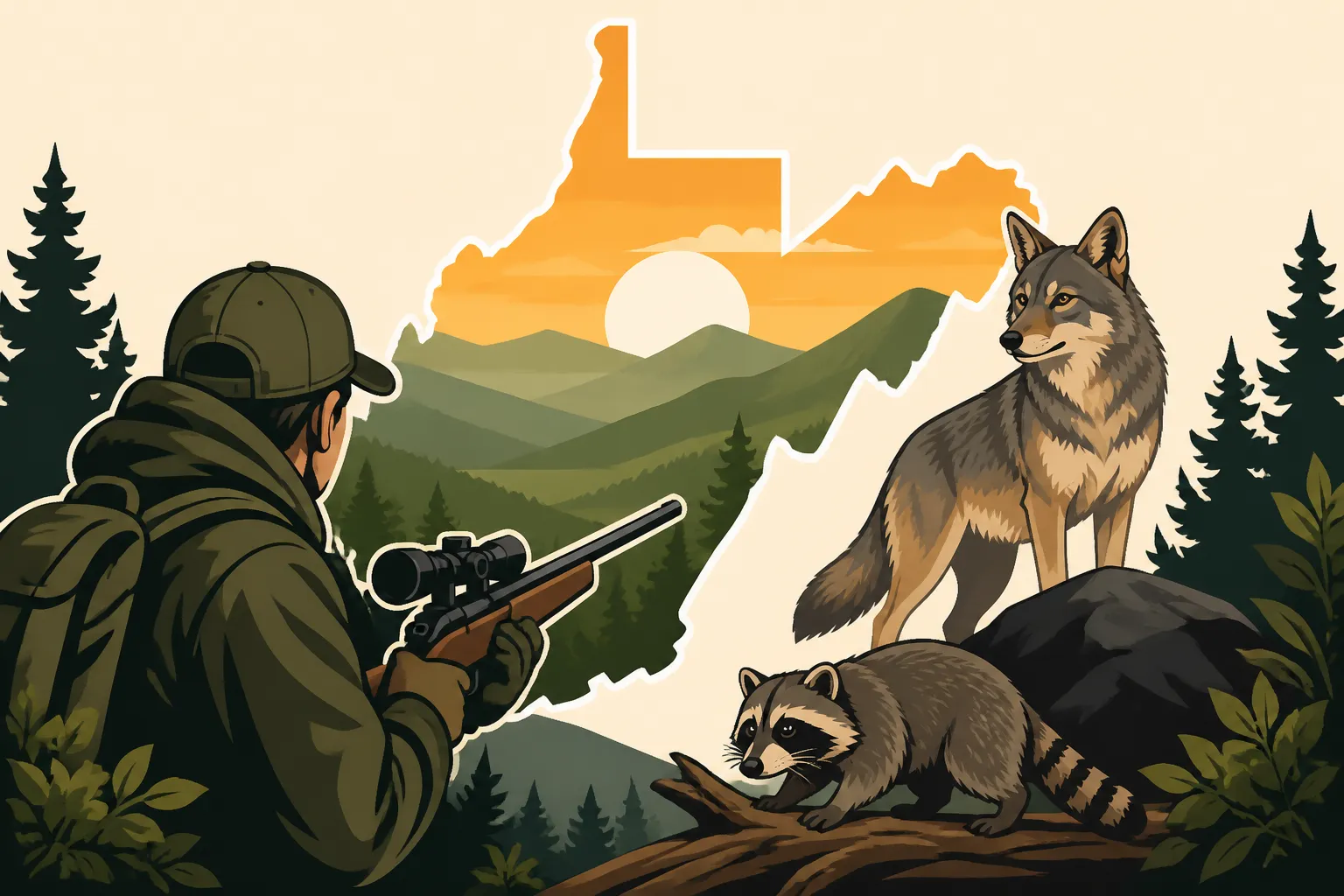
When we talk about predators in the Mountain State, we're primarily focusing on coyotes and foxes, with bobcats also playing a role, though they are much more elusive and have different regulatory statuses. These animals are incredibly adaptable, thriving in everything from dense Appalachian forests to the rolling farmlands of the Eastern Panhandle, and their presence can significantly impact other wildlife, especially during fawning and nesting seasons.
The Rise of the Coyote
Coyotes weren't always a fixture in West Virginia. Historically, wolves were the top canine predator here, but as human settlement expanded and landscapes changed, wolves were extirpated. Coyotes, originally a western species, began to fill that ecological void, migrating eastward through the mid-20th century. Today, they are firmly established in all 55 counties of West Virginia, and their numbers have only continued to grow. These opportunistic omnivores are highly intelligent and notoriously difficult to hunt consistently, making them a true challenge for any predator hunter. They prey on everything from small rodents and rabbits to fawns and even adult deer, especially during times of stress like deep snow or during the post-rut exhaustion for bucks. Their impact on deer populations, particularly fawn recruitment, is a constant concern for many hunters. You can learn more about their journey and presence in the state by checking out our deep dive into West Virginia Coyote Range and Density.
Red Foxes and Gray Foxes
West Virginia is home to both red foxes and gray foxes, and while they might seem like smaller threats compared to coyotes, their cumulative impact on small game and turkey poults can be substantial. Red foxes prefer more open habitats, often found around agricultural fields, pastures, and suburban edges. They're known for their cunning and often target rabbits, mice, and ground-nesting birds like turkeys. Gray foxes, on the other hand, are more at home in dense, brushy woodlands and can even climb trees, which gives them access to different prey items. Both species contribute to predation pressure, and while they might not take down an adult deer, they are certainly a factor in the survival rate of young turkeys and fawns. Hunting foxes requires a different approach than coyotes, often demanding quieter movements and more subtle calling.
The Elusive Bobcat
Bobcats are magnificent creatures and a native predator to West Virginia. While their population is healthy and stable, they are generally less numerous and far more elusive than coyotes or foxes. They prefer thick, rugged cover and primarily hunt rabbits, squirrels, and small rodents. Bobcats are regulated as furbearers in West Virginia, meaning they have specific trapping and hunting seasons, unlike coyotes which often have year-round hunting opportunities. Successfully calling in a bobcat is a pinnacle achievement for many predator hunters due to their wary nature and keen senses. Their contribution to overall predation on deer and turkeys is usually less significant than coyotes, but they are a vital part of the state's natural ecosystem.
Legalities and Regulations for Predator Hunting
Navigating the rules and regulations for predator hunting in West Virginia can sometimes feel like trying to untangle a stubborn fishing line, but it’s absolutely essential to understand before you head afield. The West Virginia Division of Natural Resources (WVDNR) sets the guidelines, and these can vary based on species, time of day, and even the type of land you're hunting. Always consult the current hunting regulations pamphlet or the WVDNR website before each season, as rules can change.
Season Dates and Weapon Restrictions
For coyotes, West Virginia has some of the most liberal hunting regulations you'll find. They can generally be hunted year-round, day or night, and with most legal hunting weapons. This open season reflects the WVDNR's recognition of coyotes as a widespread and adaptable species that often benefits from population management. This means you can use your rifle, shotgun, archery equipment, or even muzzleloaders. However, always double-check local ordinances, especially if you're hunting near populated areas or on private land where landowners might have specific preferences or restrictions on weapon types.
Foxes and bobcats, being furbearers, have specific hunting and trapping seasons. These seasons typically open in the fall and run through late winter, often coinciding with deer and small game seasons. While they can be hunted with similar equipment to coyotes, understanding their specific open dates is critical. You cannot just hunt a fox or bobcat any time of year like you can a coyote. Be particularly vigilant about distinguishing between species, especially when it's dark or when quick judgment is needed. Making sure you are within the legal framework for the specific furbearer you are targeting is paramount to avoid potential violations. For detailed information, it's always best to consult the official WVDNR regulations directly. Also, remember to review West Virginia Fox and Bobcat Trapping Season rules, as hunting and trapping seasons often align.
Night Hunting and Artificial Lights
Night hunting for coyotes is permitted in West Virginia, offering a unique and often highly effective way to target these nocturnal predators. However, there are crucial rules regarding the use of artificial lights. Hunters are generally allowed to use a handheld light, headlamp, or a light mounted to a firearm (such as a scope-mounted light) to aid in shooting coyotes at night. The use of thermal or night vision optics is also legal for coyote hunting. This is a significant advantage, as coyotes are often more active and less wary after dark.
However, the laws around artificial lights can be very specific, particularly concerning the use of spotlights from vehicles or specific types of baiting practices in conjunction with lights. It's important to understand that while using a light to illuminate your target is generally fine for coyotes, you must not use a vehicle's headlights to locate or pursue game. Always ensure your setup and methods comply with the letter of the law. Night hunting requires extra vigilance for safety, knowing your backstop, and being absolutely certain of your target before taking a shot. We've got a detailed breakdown on this topic in our article on Night Hunting Rules for West Virginia Coyotes.
Public Versus Private Land Considerations
Hunting regulations aren't just about species and seasons; where you hunt also dictates certain rules. On private land, you must always have permission from the landowner. This isn't just a courtesy; it's the law in West Virginia. Make sure to get clear, explicit permission, and ideally, have it in writing, especially if you plan to hunt at night or use specific methods. Landowners might also have their own rules regarding specific hours, access points, or types of weapons they prefer. Respecting these wishes builds good relationships and ensures future access.
For public lands, such as Wildlife Management Areas (WMAs) and the Monongahela National Forest, you generally have legal access during open seasons. However, these areas often have specific rules that can differ slightly from statewide regulations. For instance, some WMAs might have restrictions on vehicle access, camping, or specific types of equipment. It’s always smart to check the WVDNR's website or the local WMA kiosk for any specific rules pertaining to that area before you hunt. Knowing the boundaries and regulations for areas like the Monongahela National Forest hunting is critical. Additionally, some specific public lands might have different West Virginia Public Land Hunting Hours than general statewide rules. Always consult your maps, like those offered by GoHunt, to be certain of property lines and regulations.
Essential Gear for West Virginia Predator Hunters
Successful predator hunting in West Virginia isn't just about showing up; it's about being prepared with the right tools for the job. From calling them in to taking an ethical shot, your gear plays a crucial role in your success and safety. The rugged terrain, varied weather, and the intelligence of the animals themselves demand thoughtful equipment choices.
Firearms and Ammunition Choices
When it comes to firearms for coyotes, versatility is key. Many hunters opt for a .223 Remington or a .204 Ruger for their flat trajectories and minimal pelt damage, which can be important if you plan on fur harvesting. These calibers are excellent for shots out to a few hundred yards, which can certainly happen in open fields or clear-cuts. However, in the dense cover common in much of West Virginia, shots are often much closer. For those tighter encounters, a shotgun loaded with buckshot (like #4 buck or BB shot) or even heavy turkey loads can be incredibly effective, especially if you're trying to stop a charging coyote or make a quick shot in thick brush.
For foxes, smaller calibers like a .17 HMR or a .22 WMR can be ideal, as they offer less pelt damage while still providing ample stopping power for these smaller canids. If using a rifle, practice shooting from various positions, including off-hand or with shooting sticks, as you might not always have a perfect rest. Always ensure your ammunition is appropriate for the terrain and expected shot distances, and, most importantly, practice, practice, practice!
Optics for Low-Light and Long-Range
West Virginia's terrain is a mixed bag of deep, dark hollows and expansive, open ridges. Good optics are non-negotiable. A quality pair of binoculars, perhaps 8×42 or 10×42, will help you scan distant fields and pick apart dense cover for the tell-tale movement of a coyote or fox. Look for binoculars with good low-light performance, as predators are often most active during dawn, dusk, or under moonlight.
For your firearm, a variable power scope (e.g., 3-9x or 4-12x) offers flexibility. A lower magnification setting is great for quick, close-range shots in thick timber, while cranking up the power lets you make precise shots across longer distances on a ridge or powerline. If you're going to hunt at night, investing in a dedicated night vision or thermal scope will dramatically increase your effectiveness. These technologies have come a long way and can give you a distinct advantage in seeing predators that are otherwise invisible in the dark. A good quality rangefinder is also incredibly useful, allowing you to accurately gauge distances, which is vital for ethical shots, especially in varied terrain where distances can be deceiving. Our guide on Rifle Scopes for Low-Light Hollows might be particularly useful here.
Calls, Decoys, and Scent Control
This is where the artistry of predator hunting truly comes alive. Predator calls are your primary tool for bringing animals into range. You'll want a variety, including mouth calls (howlers, distress calls like rabbit, bird, or fawn distress) and electronic calls. Electronic calls offer a huge advantage, as you can place the speaker away from your position, drawing the predator's attention away from you. They also offer a vast library of sounds, from pup distress to coyote challenges, allowing you to adapt to various situations.
Decoys, especially a moving fur or feather decoy, can be highly effective. The visual stimulation can seal the deal for a wary predator that might be hanging up just out of range. Place your decoy so it's visible but also looks natural in the environment, perhaps 30-50 yards out from your shooting position.
Scent control is often overlooked in predator hunting, but it's just as important as in deer hunting. Coyotes and foxes have incredibly sensitive noses. Playing the wind is paramount, but using scent-eliminating sprays on your clothes, washing with scent-free detergents, and storing your hunting clothes appropriately can help minimize your human odor. Consider using an odor eliminator specific to game animals, like earth or pine scent, to blend in better with the West Virginia woods.
Effective Calling Strategies for Coyotes and Foxes
Calling predators effectively is an art form, not just a science. It's about understanding their behavior, their motivations, and knowing when to be aggressive and when to be subtle. West Virginia’s diverse landscape, from dense forests to open fields, demands a versatile approach to calling.
Understanding Predator Vocalizations and Distress Calls
The most common and often most effective calling strategy involves distress sounds. These mimic an injured or dying animal, such as a rabbit, fawn, or bird, which triggers a predator's instinct to investigate for an easy meal. Electronic calls shine here, as they can accurately replicate a wide range of distress sounds at varying volumes. When you're calling, start with a moderate volume and vary your cadence. Sometimes, a long, mournful cry is all it takes; other times, a frantic, shorter series of squalls is more effective.
Beyond distress calls, understanding other predator vocalizations is key. Coyote howls, barks, and yips can be used to locate animals, challenge their territory, or simulate a pack. A lone howl can sometimes draw in a curious coyote, while a series of barks and yips might bring in a whole family unit looking to defend their turf. If you're targeting foxes, higher-pitched mouse squeaks or bird distress calls are often more productive. It's truly a game of cat and mouse, or rather, hunter and canine, where experience and observation inform your choices. Our guide on Coyote Calling in West Virginia Farm Country explores this in more detail for open areas.
Setting Up for Success
Your setup is almost as important as your calling sequence. Always position yourself with the wind in your favor, as predators will often try to circle downwind to scent check the call location. This means you want the wind blowing from your position towards where you expect the predator to approach from, but not directly into their face. Use the terrain to your advantage: a rise, a thicket, or a rock outcrop can break up your silhouette and give you a good shooting rest.
Aim to set up in areas with good visibility for shooting lanes, but also with enough cover to conceal your presence. Consider putting your back to a dense brush pile or a large tree to hide your outline. If using an electronic call, place it 30-50 yards in front of your position, slightly off to one side. This draws the predator's focus away from you and gives you an opportunity to make a move or take a shot as they approach the sound source. Always have your rifle or shotgun ready, as predators can come in fast and silently. For hunting in more rugged areas, Predator Calling West Virginia Ridgelines offers specific setup advice. A great tool like the GoHunt app can help you analyze wind direction and terrain features for optimal stand placement even before you leave the house.
Patience and Adaptability in Calling Sequences
Patience is a virtue in predator hunting. Many experienced hunters advocate for long calling stands, sometimes 20-30 minutes or even longer, especially for wary coyotes. Don't call constantly; incorporate silent periods where you're just watching and listening. A common sequence might involve 1-2 minutes of calling, followed by 3-5 minutes of silence, then repeating. The silence often brings out curious predators who are trying to pinpoint the source of the sound.
Be prepared to adapt. If you're getting no response after a few minutes of distress calls, try a different sound. If you hear a coyote howl in response, consider switching to a challenge howl to draw them in. Sometimes, subtle lip squeaks or soft mouse calls are all it takes to bring in a cautious fox that has been hanging up. Pay attention to how the animals respond (or don't respond) and adjust your strategy accordingly. The key is to stay alert and ready, because when they do show up, it's often sudden and unexpected.
Hunting Techniques for Different West Virginia Terrains
West Virginia is a state of incredible topographical diversity, and what works in the flat river bottoms of the Ohio Valley might be utterly useless on the steep ridges of the Allegheny Mountains. Adapting your hunting techniques to the specific terrain is fundamental to consistent success when chasing predators.
Mountain and Ridge Hunting Tactics
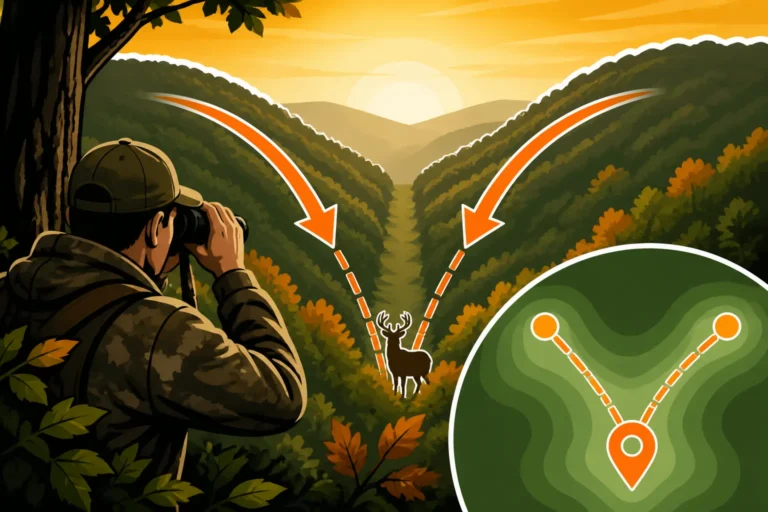
Hunting predators in West Virginia’s mountains and ridges presents unique challenges and opportunities. The sheer elevation changes mean you need to pay close attention to thermals. In the mornings, air currents typically flow downhill, while in the evenings, they rise. Coyotes and foxes use these air currents to their advantage, often traveling along benches and saddles. When setting up, try to position yourself so your scent is carried away from typical travel corridors and bedding areas. Understanding Wind and Thermals on a Steep Ridge is absolutely critical here.
Focus your efforts on saddles, draws, logging roads, and old clear-cuts. These are natural funnels where predators are likely to travel. When calling, project your sound across hollows or down ridges, allowing the sound to carry. Be prepared for longer shots, as visibility can extend quite a distance across opposing slopes. Hiking into these remote areas often means less pressure, but also requires physical fitness and a lightweight setup. Scouting for tracks, scat, and even old deer carcasses can reveal prime locations. Our article on Hunting Steep Allegheny Ridges offers more general advice that applies well to predator hunting in this demanding environment.
Farmland and Field Edge Strategies
The rolling farmlands of the Eastern Panhandle, and other agricultural areas across the state, offer a completely different dynamic for predator hunting. Here, coyotes and foxes often relate heavily to field edges, fencerows, and small woodlots. These areas provide abundant food sources (rodents, rabbits) and cover for both the predators and their prey.
When hunting farmland, focus on identifying pinch points where animals are forced to travel, such as a narrow neck of woods between two large fields or a brushy creek bottom that borders a cornfield. Setting up along a field edge, with a clear view of the field but good cover at your back, is a classic strategy. Use electronic calls to project sounds across open fields, and utilize a visual decoy to draw attention. Be mindful of property lines and ensure you have explicit permission to hunt the land. Consider using a ground blind that's brushed in for maximum concealment, especially if you're targeting educated predators. You can find useful tips in our post about Hunting Eastern Panhandle Farmland Deer, which offers insights into deer movement in these areas, often intertwined with predator activity.
River Bottoms and Thick Cover
West Virginia's river valleys, like those along the Ohio or Kanawha Rivers, often feature rich bottomlands with a mix of agricultural fields, dense woods, and thick, almost impenetrable cover. This environment is a haven for small game and, consequently, for predators. Hunting here requires patience and often closer-range tactics.
Look for areas where dense cover transitions into more open woods or fields. Creek bottoms, thick stands of river cane, or overgrown clear-cuts are prime locations. Predators will use these thickets for bedding and as travel routes. Calling in these areas often requires more volume to penetrate the dense vegetation. Consider using shorter, more aggressive calling sequences, as coyotes and foxes might be more inclined to come in quickly from a secure bedding area. Due to the limited visibility, shotgun setups can be very effective in this terrain. Using a ground blind can be helpful here for concealment, as discussed in Using a Ground Blind on West Virginia Public Land. Always be aware of your surroundings and any potential obstacles that might impede your shot.
Year-Round Predator Management Beyond Calling
While calling is an exciting and effective way to harvest predators, truly effective predator management often involves a broader, year-round approach. Understanding predator behavior, their impact, and utilizing multiple tools can lead to more consistent success and contribute to healthier game populations.
Scouting and Trail Camera Intelligence
Just like deer hunting, scouting is paramount for predator hunting. This isn't just a pre-season activity; it's something you should be doing whenever you're in the woods. Look for tracks in mud or snow, scat along logging roads, and areas where coyotes or foxes might be actively hunting or traveling. Fresh sign around deer bedding areas, fawn birthing areas, or turkey nesting grounds can indicate high predator activity.
Trail cameras, often used for deer, are incredibly valuable for predator scouting. Place them on well-used trails, near known kills, or along the edges of fields. Cameras can help you identify specific individuals, track their movement patterns, and even pinpoint times of increased activity. This intelligence allows you to choose your calling locations and times more strategically, increasing your odds of success. Many hunters use mapping systems like GoHunt or the WVDNR's online maps to pinpoint potential ambush sites, plan entry and exit routes, and analyze terrain features from afar. This technological edge can save you countless hours of unproductive scouting. For general scouting tips, check out our guide on Scouting West Virginia Public Land Before Season.
Understanding Prey Species and Habitat
Predator populations are intrinsically linked to their prey base. A robust deer population means more fawns, which in turn provides a food source for coyotes. A healthy turkey population means more poults, attracting foxes and coyotes. By understanding the seasonal movements and behaviors of deer, turkeys, rabbits, and other small game, you can better predict where predators will be. For example, during deer fawning season (typically late May to early June in West Virginia), focusing your efforts around known fawning grounds can be highly productive. Similarly, during the fall and winter, when deer are concentrated on specific food sources, predators will often be nearby.
Habitat also plays a critical role. Areas with diverse habitat, offering thick cover for bedding and travel, along with open areas for hunting, are often predator magnets. Clear-cuts, for instance, provide excellent cover for coyotes and a rich environment for small game. Learning to "read" the landscape for signs of both prey and predator activity will make you a much more efficient hunter.
Trapping as a Management Tool
While this guide focuses on hunting, it's important to acknowledge trapping as a highly effective and often more consistent method for predator management, especially for foxes and coyotes. Trapping allows for sustained pressure on predator populations and can be particularly useful in areas where hunting access is limited or calling conditions are difficult.
In West Virginia, trapping is a regulated activity, requiring specific licenses and adherence to season dates and trap types. If you're serious about long-term predator management, especially on private land or specific areas, learning responsible trapping techniques can be a game-changer. It's a skill that requires knowledge, patience, and ethical practices, but it's an invaluable tool in the predator management toolbox. Even if you don't trap yourself, understanding how trappers operate can give you insights into predator movement and behavior. Check out our resource on Running a Trapline in Rural West Virginia if you're interested in learning more about this method.
Safety First: Important Considerations Afield
Predator hunting, like all hunting, carries inherent risks. Being in the woods, often in challenging terrain, at odd hours, and potentially dealing with excited animals, means safety must always be your top priority. A responsible hunter ensures not only their own safety but also the safety of others and the ethical treatment of the animals.
Public Land Etiquette and Awareness
When hunting on public land, remember that you're sharing the space with other hunters, hikers, birdwatchers, and various outdoor enthusiasts. Your actions directly impact everyone else's experience. Always display blaze orange (or pink) during firearms deer season, even when predator hunting, as required by West Virginia law. This makes you visible to other hunters and can prevent dangerous accidents. Even outside of deer season, consider wearing some orange, especially if you anticipate other people being in the woods.
Be mindful of your calling volume, especially in popular areas. While you want your calls to carry, remember that an overly loud electronic call might disturb others. Know your surroundings and identify any nearby roads, trails, or residential areas to ensure your shots are always directed into a safe backstop. Being a good steward of public land means leaving no trace, respecting boundaries, and being courteous to everyone you encounter. It's also vital to understand Opening Weekend Crowds on West Virginia Public Land and plan accordingly, especially if hunting near popular deer hunting areas during firearms season.
Identifying Safe Backstops and Shot Angles
This cannot be stressed enough: always be certain of your target and what lies beyond it. This is especially critical in West Virginia's hilly and mountainous terrain. A small hill might seem like a sufficient backstop, but a bullet can easily travel over it or ricochet. When taking a shot, aim for a clear backstop like a solid bank of earth, a thick clump of trees, or the base of a large hill. Avoid shooting towards skylines, open water, or areas where you know people might be present.
When hunting at night, the challenge of identifying a safe backstop is even greater. This is where quality night vision or thermal optics, coupled with a powerful spotlight, become crucial. You must be able to clearly identify your target as a predator and have absolute certainty of your shooting lane and backstop. Never take a hurried or questionable shot. If you're unsure, let the animal walk away. An ethical shot means a clean kill, and a safe shot means no risk to others.
Weather Preparedness and Emergency Plans
West Virginia weather can be notoriously unpredictable, especially in the mountains. A sunny morning can quickly turn into a cold rain or even snow. When heading out for a predator hunt, always check the forecast, but be prepared for the unexpected. Dress in layers, opting for wool or synthetic materials that wick away moisture and insulate even when wet. Carry quality rain gear.
Beyond clothing, pack essential emergency supplies: a first-aid kit, a headlamp with extra batteries, a map and compass (or a fully charged phone with a mapping app like GoHunt and a backup battery), a whistle, and some high-energy snacks and water. Let someone know where you're going and when you expect to return. If you're hunting in remote areas, cell service can be spotty, so don't rely solely on your phone for navigation or communication. Knowing how to deal with unexpected cold, a sudden injury, or getting disoriented can literally save your life. The ruggedness of the terrain in areas like Cranberry WMA means you need to be especially prepared for Recovering a Deer From a Steep Hollow, a skill set that applies equally to retrieving predators.
Disclaimer
The information provided in this guide is for general educational and informational purposes only, and does not constitute legal or professional advice. Hunting regulations in West Virginia can change frequently. Always consult the most current West Virginia Division of Natural Resources (WVDNR) regulations and local ordinances before engaging in any hunting activities. The author and publisher are not responsible for any actions taken based on the information presented herein. Hunt safely, ethically, and legally.