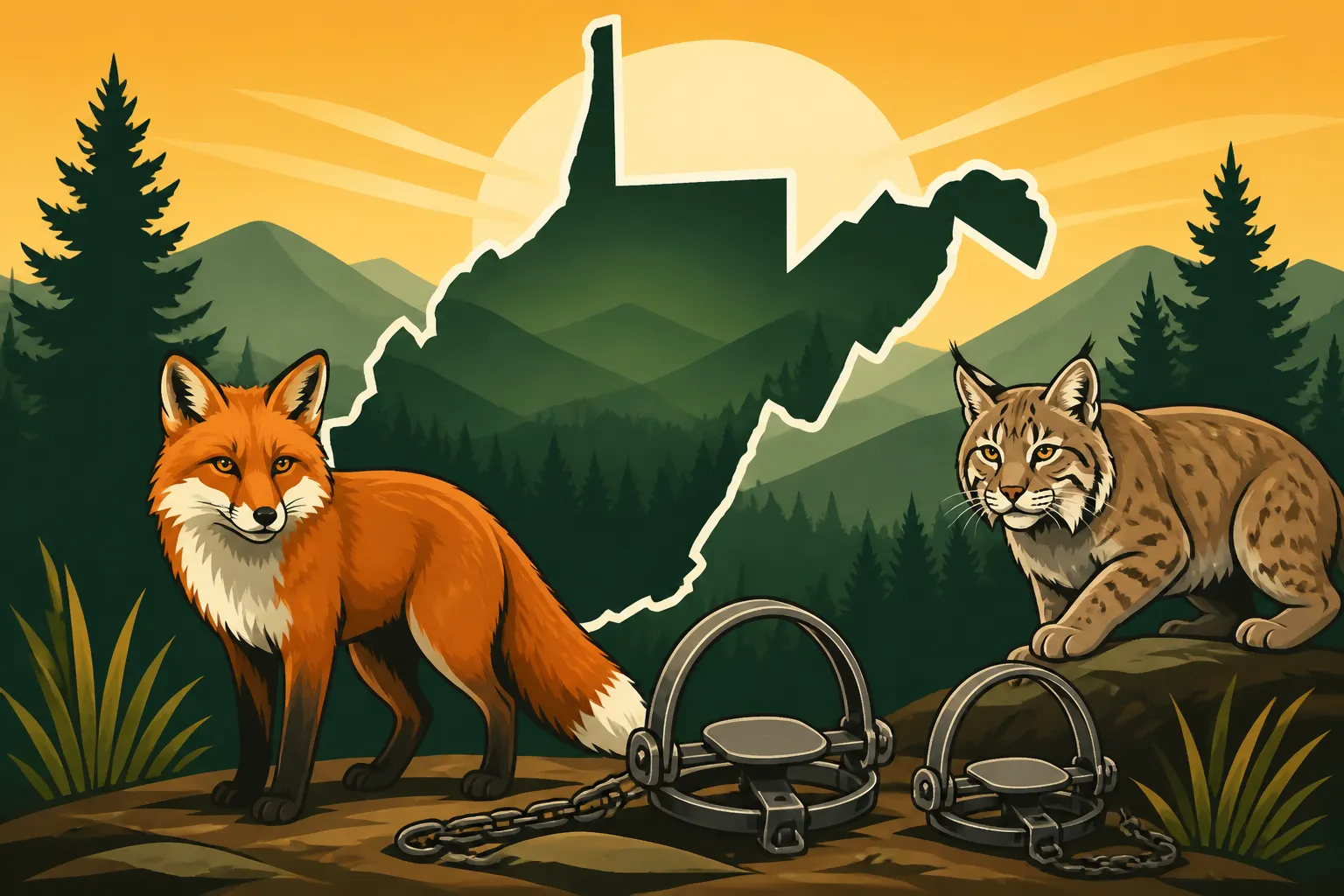
West Virginia Fox and Bobcat Trapping Season
For many folks passionate about the outdoors in West Virginia, understanding the specific rules and seasons for trapping can feel like navigating a dense thicket, especially when it comes to elusive furbearers like fox and bobcat. It's not always as straightforward as deer season, with unique regulations that can trip up even experienced trappers. This comprehensive guide aims to untangle those complexities, offering a clear, detailed look at the West Virginia fox and bobcat trapping season, equipping you with the knowledge to trap ethically, legally, and successfully.
Understanding West Virginia's Furbearer Regulations
Trapping in West Virginia, like all wildlife pursuits, operates under a specific framework established by the West Virginia Division of Natural Resources (WVDNR). These regulations are designed to manage furbearer populations sustainably, ensuring that these valuable resources remain healthy for generations to come. It’s not just about setting traps; it’s about understanding the ecological balance and respecting the wildlife. The WVDNR's furbearer program monitors populations of species like red fox, gray fox, and bobcat, adjusting seasons and rules as needed to reflect current conditions. Staying informed with the official WVDNR Hunting and Trapping Regulations summary is paramount, as rules can occasionally see minor adjustments.
Key Dates for Fox and Bobcat Trapping
The trapping season for fox (both red and gray) and bobcat in West Virginia typically opens around the beginning of November and extends into late February or early March. While the exact dates can shift slightly from year to year, this timeframe generally holds true. For instance, in a recent season, trappers could pursue fox and bobcat from the first Saturday in November right through to the last day of February. This extended season provides ample opportunity to target these animals, especially as their pelts become prime with the onset of colder weather. It’s a good idea to check the current year’s West Virginia Small Game Season Rules booklet from the WVDNR, often available online, to confirm these precise dates before you even think about putting steel in the ground.
These season dates are usually statewide, meaning there aren't specific county-by-county variations for fox and bobcat, which simplifies planning compared to some other game species. However, it's always wise to double-check, especially if you're trapping near municipal boundaries or on properties with unique local ordinances. Some areas might have specific rules for West Virginia Public Land Hunting Hours or restricted access, so always be aware of your location.
General Furbearer Season Overlap
It’s important to note that the fox and bobcat trapping season often overlaps with other furbearer seasons, such as for raccoons, skunks, and opossums, as well as with various small game hunting seasons. For example, West Virginia Raccoon Season Dates might align closely, meaning trappers could potentially catch other species depending on their sets. This overlap can be a benefit if you’re looking to harvest multiple species, but it also necessitates careful consideration of your trap placement and target species.
This also means that during these overlapping periods, you might encounter other hunters or trappers in the field. Awareness of shared spaces and common courtesy is essential. For instance, if you're setting traps on public lands, being mindful of walking trails or areas frequented by deer hunters during West Virginia's Buck Gun Season or Bowhunting West Virginia's Long Archery Season is crucial. A mapping tool like GoHunt can be incredibly useful here, allowing you to layer public land boundaries, trails, and even topographical features to scout prime trapping locations that might see less foot traffic from others, while also identifying those areas where others might be present.
Essential Trapping Methods and Legalities for Fox and Bobcat
Trapping isn't just a tradition; it's a highly regulated activity designed to ensure humane and responsible practices. West Virginia has specific rules regarding the types of traps you can use, how you set them, and what constitutes legal bait. Ignoring these regulations can lead to fines, loss of privileges, and even criminal charges, so understanding the legalities is just as important as knowing where to find your quarry. Before you even head out, ensure you've met West Virginia Trapping License Requirements and, if applicable, West Virginia Hunter Education Requirements.
Legal Trap Types and Setting Requirements
West Virginia permits a variety of traps for furbearers, including foot-encapsulating traps, foothold traps, and body-gripping traps (like Conibear-style traps). Each type comes with its own set of rules regarding size, placement, and use.
- Foothold Traps: These are commonly used for fox and bobcat. West Virginia regulations typically specify maximum jaw spreads. For example, a common rule might be that foothold traps on land cannot have a jaw spread exceeding 6.5 inches. Padded-jaw traps, which minimize injury, are often preferred and sometimes mandated in certain situations or for specific species. All foothold traps must be anchored securely to prevent an animal from escaping or dragging the trap. You'll often find these set in dirt holes, flat sets, or as trail sets, strategically placed where foxes or bobcats are likely to travel.
- Body-Gripping Traps (Conibear-style): These traps kill an animal quickly and humanely. However, their use on land is often highly restricted to prevent accidental catches of non-target animals or pets. In many areas, they are limited to water sets or specific elevated sets where only target furbearers can access them. For land sets, the maximum jaw spread for body-gripping traps is usually much smaller (e.g., 5 inches or less), and they often require a larger area of open space around them or specific guarding to protect non-target species.
- Box Traps and Cage Traps: These live-catch traps are also legal and can be excellent for urban or suburban settings where you want to avoid harm to pets or simply relocate an animal. While often less effective for wary foxes and bobcats compared to well-disguised foothold sets, they are a humane option to consider.
Regardless of the trap type, all traps must be tagged with the trapper’s name and address or their WVDNR Customer ID number. This ensures accountability and helps wildlife officials track trap lines if issues arise. Moreover, it's crucial to position your traps away from public roads, trails, and occupied dwellings, often with specific setback distances outlined in the regulations, to avoid conflicts and ensure public safety.
Bait, Lure, and Attractant Rules
The use of bait and lures is a critical component of successful trapping, but again, West Virginia has specific rules. Generally, natural baits are allowed. This includes natural meats, glands, and commercial lures designed for furbearers. However, there are prohibitions against using exposed bait or certain types of meat that could attract domestic animals or create a nuisance. For instance, placing bait that is visible from above, which could attract raptors or other birds of prey, is typically illegal. Also, specific rules may apply to exposed or unsecured meat as bait, especially if it could be consumed by a non-target animal before reaching the trap.
Trapper-grade lures, which mimic the scent of prey, other furbearers, or curiosity scents, are widely used and perfectly legal. When using bait or lure, consider the placement carefully. A "dirt hole set" often involves digging a small hole, placing bait and lure inside, and then carefully setting a foothold trap nearby, covering it with dirt and natural materials to blend in. This technique makes the set look like an animal has been digging, enticing curious foxes and bobcats. Always ensure any bait is deeply buried or well-protected to target only the intended animal.
Checking and Reporting Requirements
Trappers in West Virginia are legally obligated to check their traps at least once every 24 hours. This rule is in place for ethical reasons, ensuring that any captured animal is either harvested quickly and humanely or released. Regular trap checks also help to prevent spoilage of pelts and reduce the chance of non-target catches remaining in traps for extended periods.
For bobcats, there’s an additional requirement: if you harvest a bobcat, you are required to report it to the WVDNR and obtain a tag. This is similar in concept to West Virginia Deer Reporting Requirements or West Virginia Turkey Checking Requirements, which help the WVDNR monitor harvest numbers and manage populations. The tag must be securely affixed to the bobcat immediately after harvest and remain with the pelt until it is sold or processed. Information on where and how to obtain these tags, often through designated checking stations or regional WVDNR offices, is provided in the annual regulations. Fox, typically, do not require a physical tag, but accurate personal records of your harvest are always good practice.
Best Practices for Ethical and Successful Fox and Bobcat Trapping
Trapping is an art form that blends science, patience, and a deep understanding of animal behavior. Beyond simply knowing the rules, ethical and successful trapping involves responsible practices that minimize stress to animals and maximize the quality of the harvested pelt. This means choosing the right locations, employing smart techniques to reduce non-target catches, and properly preparing your harvest.
Locating Prime Fox and Bobcat Habitat
Both fox and bobcat are predators that thrive in diverse landscapes, but they have preferred habitats. Understanding these preferences is key to setting effective trap lines.
- Fox (Red and Gray): Red foxes often prefer open farmlands, brushy fields, and woodland edges, where they can hunt small rodents and rabbits. Gray foxes, on the other hand, are more at home in dense woodlands and brushy cover, often climbing trees to escape predators or to hunt. Look for areas where different habitat types meet—these "edge" environments are often natural travel corridors. Creek bottoms, old logging roads, fencerows, and the edges of clear-cuts are all prime spots. You might see tracks, scat, or den sites. Using a tool like GoHunt can really shine here. Its detailed satellite imagery and topographical maps allow you to identify these habitat transitions, pinch points, and potential travel routes from the comfort of your home, saving you countless hours of scouting in the field.
- Bobcat: Bobcats are far more secretive and typically favor dense, remote forests, rocky outcrops, and thick brush. Areas with plenty of cover, like laurel thickets, rhododendron patches, and mature timber stands, are excellent places to find them. They are ambush predators and will often use natural funnels or constricted areas to their advantage. Look for tracks along stream banks, under rock ledges, or near downed timber. Hunting Steep Allegheny Ridges or areas near Treestand Setups in Monongahela National Forest can offer good bobcat trapping opportunities if the habitat is right, as these areas often provide the rugged, secluded terrain bobcats prefer. A smart trapper studies the terrain and animal sign before placing any sets.
Minimizing Non-Target Catches
One of the most important aspects of ethical trapping is minimizing the capture of non-target animals, whether it's a domestic dog, a deer, or another furbearer you're not trying to catch, such as during West Virginia Coyote Hunting Season Status. This comes down to careful trap selection, placement, and set construction.
- Trap Selection: Using species-specific traps can greatly reduce non-target catches. For example, a foot-encapsulating trap (often called a "dog-proof" trap) is designed primarily for raccoons and is very difficult for other animals to trip. While not ideal for fox or bobcat, understanding different trap designs helps. For fox and bobcat, using smaller foothold traps with limited jaw spreads, as permitted by regulations, can reduce the chance of catching larger animals like deer.
- Strategic Placement: Avoid setting traps on popular game trails or near known domestic animal travel routes. Instead, focus on areas where fox or bobcat sign is abundant but human or pet activity is low. Elevated sets for body-grip traps (if legal in your area for your target species) can prevent ground-dwelling non-targets. Constructing sets in natural pockets, under brush piles, or inside culverts can help funnel the target animal while making it harder for others to accidentally stumble into the trap.
- Modifications and Set Design: Consider "off-set" traps, where the trap is placed slightly to the side of the bait, requiring the animal to investigate thoroughly before stepping on the pan. Traps can also be dyed and waxed to protect them from the elements and minimize scent, which can reduce suspicion. Regularly checking traps, as mandated by the 24-hour rule, is the ultimate way to quickly release any non-target animals unharmed. Knowing how to safely handle and release these animals is a crucial skill for any responsible trapper.
Skinning, Casing, and Marketing Furbearers
Once you've successfully trapped a fox or bobcat, the work isn't over. Proper handling, skinning, and casing of the pelt are crucial for maximizing its value and honoring the animal. A well-prepared pelt can command a significantly higher price than a poorly handled one.
- Handling the Carcass: After harvest, cool the carcass quickly, especially in warmer weather, to prevent hair slippage and spoilage. A clean, fresh pelt is the goal.
- Skinning: Both foxes and bobcats are typically "cased skinned." This means making an incision from the heel of one hind leg, across the vent, to the heel of the other hind leg, and then skinning the animal inside-out, much like pulling off a sweater. Care must be taken around the eyes, ears, nose, and lips to avoid damage. Leave the feet and tail bone in, as some buyers prefer this, or remove them according to buyer specifications.
- Fleshing: After skinning, the pelt will have subcutaneous fat and muscle tissue attached to the leather side. This "flesh" must be carefully scraped off using a fleshing knife and beam. Fleshing cleans the hide, helps it dry properly, and prevents spoilage.
- Casing and Drying: The fleshed pelt is then stretched over a wooden or wire stretching board, fur side in (for fox) or fur side out (for bobcat, typically). It's crucial to stretch it evenly, avoiding overstretching that makes the pelt appear thin. The pelt should then be allowed to dry in a cool, well-ventilated area, away from direct sunlight or heat. Proper drying prevents rot and ensures the pelt maintains its quality for sale.
- Marketing: Once dried, pelts can be sold to fur buyers, often at local fur sales or through larger dealers. Prices fluctuate based on market demand, fur quality, size, and current fashion trends. Being part of a local trapping association or online forums can connect you with buyers and give you insight into current market conditions. The effort put into learning the West Virginia Small Game and Furbearers market for pelts can significantly impact your returns.
Trapping Season Comparison Table
To give you a clearer picture of some common furbearer trapping seasons in West Virginia, here's a general overview. Always double-check the current WVDNR regulations for exact dates, as they can change annually.
| Furbearer Species | Typical Season Start | Typical Season End | Notes |
|---|---|---|---|
| Red Fox | Early November | Late February | Statewide; no bag limits. |
| Gray Fox | Early November | Late February | Statewide; no bag limits. |
| Bobcat | Early November | Late February | Statewide; generally requires a tag to be affixed after harvest and reported. |
| Raccoon | Early November | Early March | Often a longer season; higher population density. |
| Opossum | Early November | Early March | Often a longer season; common target for new trappers. |
| Coyote | Year-Round | Year-Round | No closed season; often targeted by hunters and trappers. Check West Virginia Coyote Hunting Season Status for details. |
| Skunk | Early November | Early March | Statewide; often incidental catch for other furbearers. |
| Muskrat | Early November | Early March | Primarily water sets; check West Virginia Trapping Muskrat and Beaver for specific water trapping rules. |
Please note: These dates are generalized and intended for informational purposes. Always consult the most current West Virginia Hunting and Trapping Regulations for precise, up-to-date information before engaging in any trapping activities.
Disclaimer
The information provided in this guide is for general informational purposes only and is based on typical West Virginia hunting and trapping regulations. Regulations can change annually. It is the sole responsibility of the individual hunter or trapper to consult the most current official West Virginia Division of Natural Resources (WVDNR) hunting and trapping regulations before participating in any hunting or trapping activities. Failure to do so may result in fines or other penalties.