How West Virginia’s CWD Containment Area Works
Hunting in West Virginia is a cherished tradition, but the presence of Chronic Wasting Disease (CWD) has added a new layer of complexity and concern for many of us. Navigating the regulations, understanding the risks, and knowing how to comply with specific rules within designated CWD Containment Areas can feel overwhelming. This guide will meticulously break down how West Virginia's CWD Containment Area works, helping you hunt responsibly and confidently.
Understanding Chronic Wasting Disease Itself
When we talk about CWD, it's natural for a lot of questions, and frankly, a lot of worry, to come up. This isn't just another deer disease; it's a serious issue that impacts our deer herds and, by extension, our hunting future. Understanding the basics is the first step in comprehending why these containment zones are so critical.
What is CWD and Why is it a Concern?
Chronic Wasting Disease is a neurological disease affecting cervids – that’s deer, elk, and moose. It's caused by abnormal proteins called prions, which slowly destroy the brain and nervous system of infected animals. Think of it like a slow-motion degenerative condition, similar in some ways to mad cow disease or Creutzfeldt-Jakob disease in humans, though there's currently no evidence of CWD transmitting to humans. The frustrating part? It's always fatal for the infected animal, and there's no known cure or vaccine. You often see deer that are emaciated, stumbling, showing a blank stare, or excessively drooling, earning it the heartbreaking moniker of "zombie deer disease."
For hunters, the concern goes deep. We care about the health of the herd, and seeing animals suffer or knowing that a disease could decimate local populations is truly disheartening. Beyond the ethical considerations, there’s the practical impact: a CWD-infected area can mean fewer deer, potentially smaller bucks if the disease disproportionately impacts older age classes, and the ongoing stress of knowing your venison might need testing. It changes the very nature of hunting from a simple pursuit to one laden with additional responsibilities and anxieties. Many hunters feel a sense of helplessness when confronted with a disease that seems so pervasive and unstoppable, and it’s a valid feeling.
How CWD Spreads Among Deer
One of the most insidious aspects of CWD is how effectively it spreads. The prions are shed by infected animals through saliva, urine, and feces. Imagine a deer drinking from a common water source, rubbing on a tree, or simply walking through a field – these seemingly innocent acts can leave behind infectious prions. Other deer then come into contact with these prions, ingest them, and the cycle continues. It’s a silent, invisible transmission that makes containment incredibly challenging.
What makes it even tougher is the environmental persistence of these prions. They can remain viable in the soil for years, even decades, resisting traditional disinfection methods. This means an area where an infected deer once roamed can remain a source of infection long after the animal is gone. This persistence also underscores why practices that concentrate deer, like baiting or supplemental feeding, are so concerning in CWD zones. When deer gather in large numbers around a food source, the likelihood of shedding and ingesting prions skyrockets, essentially creating a hot spot for disease transmission. It’s a hard pill to swallow for hunters who've traditionally relied on these methods, but the science behind the spread is clear.
West Virginia's CWD Containment Area Designation
The establishment of CWD Containment Areas isn't a random decision; it's a direct response to confirmed cases and a strategic effort by the West Virginia Division of Natural Resources (WVDNR) to protect our deer herd and hunting heritage. These zones represent the front lines in the battle against this relentless disease.
The Initial Discovery and Expansion of the Zone
West Virginia’s journey with CWD began in 2016 when the first case was confirmed in a white-tailed deer harvested in Hampshire County. It was a somber day for the state's hunting community, signaling that what had been a distant threat was now on our doorstep. From that initial detection, the WVDNR immediately implemented response plans, including the establishment of a CWD Containment Area. Initially centered around the immediate vicinity of the positive case, the area has, unfortunately, expanded over time as more cases were detected.
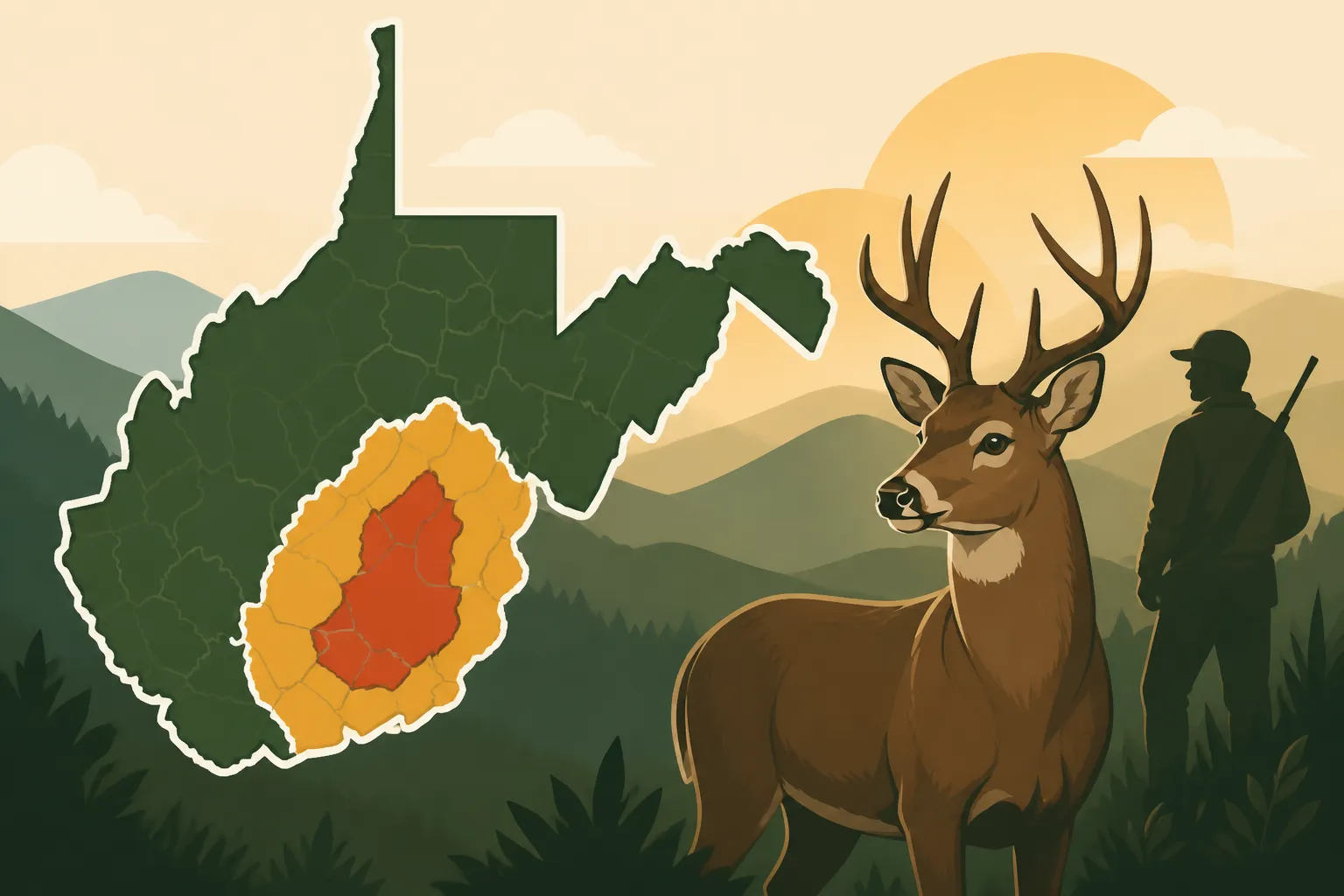
Today, the CWD Containment Area includes all of Hampshire, Berkeley, and Morgan counties, along with portions of Hardy and Mineral counties. This expansion isn't a sign of failure but a reflection of the disease's insidious spread and the WVDNR's ongoing monitoring efforts. Just recently, Grant County also joined the CWD list, which further highlights the need for vigilance. For hunters who live or primarily hunt outside these zones, it can feel like a distant problem, but for those within, it means adapting to a new reality. The feeling of a "moving target" can be incredibly frustrating, with regulations seemingly changing or expanding as the disease itself creeps into new territories, adding uncertainty to what should be a straightforward hunting experience.
Criteria for Designating a CWD Containment Area
The WVDNR doesn't just draw lines on a map arbitrarily. Their process for designating and expanding CWD Containment Areas is based on scientific data and established protocols. It typically begins with the confirmation of CWD in a wild cervid, often through mandatory or voluntary hunter-harvested deer testing. Once a positive case is found, the WVDNR utilizes various tools, including geographical information systems (GIS), deer movement studies (like those conducted with collared deer), and epidemiological models, to assess the risk of spread.
The primary goal behind these designations is two-fold: to prevent the further spread of CWD beyond the known affected areas and to monitor the prevalence and impact of the disease within the containment zone. This involves looking at factors like deer density, natural barriers, and the proximity of other confirmed cases. The decision to expand, as seen with counties like Grant, often comes after extensive surveillance confirms the presence of CWD within a new area, requiring the agency to broaden its protective measures. It's a data-driven approach designed to mitigate a complex biological problem, ensuring that as much as possible, our state's wild cervid populations are protected from a disease that has no known cure.
Specific Regulations Within the CWD Containment Area
Hunting in a CWD Containment Area isn't just about knowing the disease exists; it’s about actively changing how we hunt, process game, and handle carcasses. These regulations are designed to minimize the risk of spreading CWD, and while they can be inconvenient, they are absolutely crucial for the health of our deer herd.
Mandatory Carcass Movement Restrictions
Perhaps the most impactful regulation for hunters in a CWD Containment Area is the restriction on carcass movement. This rule is in place because high-risk parts of a deer, such as the brain, spinal cord, eyes, spleen, and lymph nodes, are where CWD prions are most concentrated. Moving these parts out of a CWD zone could inadvertently introduce the disease to new, unaffected areas. Therefore, hunters are prohibited from transporting whole deer carcasses, or specific high-risk parts, outside the designated Containment Area.
So, what can you take out? Generally, hunters are allowed to transport:
- Deboned meat
- Clean skull plates (antlers attached) from which all brain tissue has been removed
- Clean hides without any nervous tissue attached
- Finished taxidermy mounts
This means if you harvest a deer in one of the CWD-affected counties like Hampshire or Berkeley, and you live outside that zone, you'll need to do some processing before you leave. This might involve field dressing your deer thoroughly and deboning it at camp, or taking it to a WVDNR-approved processor within the Containment Area. This can feel like a significant added burden, especially for hunters traveling from afar or those who traditionally take their whole deer home to process. It’s a frustrating logistical challenge, but one that is essential for preventing further spread of the disease. Details on West Virginia Carcass Movement Restrictions are readily available and important to review before you head out.
Mandatory Deer Testing and Sampling Requirements
Another critical component of CWD management in West Virginia's Containment Area is mandatory testing. During specific periods, typically during the opening weekends of rifle season or certain designated days, all deer harvested within the CWD zone must be brought to an official WVDNR sampling station. This isn't just a suggestion; it’s a requirement designed to help the WVDNR monitor the prevalence and geographical spread of the disease.
When you bring your deer to a sampling station, WVDNR staff or trained volunteers will collect tissue samples, usually from the lymph nodes in the neck. They'll also record information about your harvest, like the location and date. Hunters are then typically provided with information on how to check the test results online. While you can often take your processed meat home even before results are back (due to the low risk of human transmission, though many hunters choose to wait), knowing that your hard-earned venison could be CWD positive can be a source of significant anxiety. The time commitment and logistical detour to get a deer sampled can feel like an extra hassle after a successful hunt, making it a common point of frustration for many hunters. However, this data is invaluable for the WVDNR’s ongoing CWD management strategy, helping them understand where the disease is most prevalent and how it's evolving. You can find more information about Mandatory Testing Inside the CWD Containment Area and Finding a West Virginia CWD Sampling Station on the WVDNR website.
Carcass Part Allowed to Leave CWD Containment Area Notes
Permitted parts only
: ## Why Your West Virginia Farm Needs the Right Fence: A Comprehensive Guide to Building and Maintaining Your Property's Best Defense
Hey there, fellow West Virginia landowner! If you’ve got a piece of this beautiful Mountain State – especially one with livestock, crops, or simply a desire for privacy and security – you know the importance of a good fence. It's more than just a boundary line; it's an investment in your peace of mind, your livelihood, and the safety of your animals. But let's be real, putting up and keeping a fence in good shape isn't always as simple as it sounds. From navigating our steep, rocky terrain to warding off hungry coyotes or keeping curious cattle contained, there are real challenges we face here in West Virginia.
This comprehensive guide is here to walk you through everything you need to know about West Virginia farm fencing. We'll cover everything from choosing the right materials to proper installation techniques, and even how to maintain your fences against the wear and tear of our unpredictable weather and persistent wildlife. Let's make sure your fence stands strong, protecting what matters most on your land.
Understanding Your Fencing Needs and West Virginia's Terrain
Before you even think about buying posts or rolling out wire, the absolute first step is to sit down and truly consider what your fence needs to accomplish. Our West Virginia landscape isn't like flat farmland out West; it presents its own unique set of challenges that need to be addressed right from the start.
Defining Your Fence's Purpose
Every fence serves a purpose, and often, it’s more than one. Are you looking to keep your prized cattle from wandering into the neighbor's cornfield or, worse, onto a busy road? Perhaps you’re trying to protect a new garden from deer or keep your chickens safe from opportunistic foxes and coyotes. Maybe you need to delineate property lines more clearly, especially if you’ve recently acquired new acreage or have neighbors who aren't quite sure where their land ends and yours begins. Or, you might simply want to create a safe enclosure for horses or define pastures for rotational grazing.
Each of these purposes dictates a different type of fence. A simple boundary fence for an aesthetic appeal might be less robust than a high-tensile electric fence designed to contain powerful livestock like bulls. If you're dealing with predators like coyotes or even black bears (which are making a huge comeback across the state), your fencing needs will require additional measures to prevent them from digging under or climbing over. Thinking through these "whys" is crucial. It’s easy to jump straight to the "how," but without a clear purpose, you might end up with a fence that doesn't quite do the job, leading to frustration and wasted resources down the line.
Navigating West Virginia's Unique Landscape Challenges
If you've spent any time working land in West Virginia, you know our terrain can be a real character-builder. We're talking steep hillsides, rocky outcrops, dense woodland, and unpredictable creek bottoms. These aren't just scenic backdrops; they're major considerations when planning a fence. Trying to dig a post hole on a 30-degree slope, only to hit solid rock a foot down, is a common and infuriating experience. This kind of terrain demands specific techniques and sometimes, specialized equipment.
Furthermore, our soil conditions vary wildly. One section might be soft, loamy topsoil, while another could be dense clay or a shale bed that makes digging a nightmare. This affects the type of posts you can use and how deeply they need to be set to remain stable. The dense vegetation and timber in many areas also mean clearing fence lines can be a significant undertaking, requiring chainsaws, brush cutters, and a good bit of sweat equity. Ignoring these challenges upfront will only lead to headaches and potential fence failures. Planning for our unique landscape means considering the extra effort and specialized tools that might be necessary, ensuring your fence stands strong against gravity, erosion, and time.
Choosing the Right Fencing Materials
Once you've nailed down the purpose and considered the landscape, it's time to delve into the actual materials. This is where quality really matters, especially when dealing with the varied demands of West Virginia weather and wildlife. There are numerous options, each with its own pros, cons, and ideal applications.
Understanding Different Fence Types and Their Best Uses
Choosing the right type of fence is like picking the right tool for the job – you wouldn't use a screwdriver to hammer a nail, and you wouldn't put up a decorative fence to hold a herd of cattle. Let's break down the most common types and where they shine here in West Virginia:
-
Woven Wire Fences (Field Fence, Sheep & Goat Netting): This is a classic choice for livestock, especially for smaller animals or those that are prone to pushing through single strands. Field fence, with its graduated spacing (tighter at the bottom, wider at the top), is excellent for cattle, hogs, and general property boundaries. Sheep and goat netting has even tighter squares, perfect for preventing smaller stock from getting tangled or escaping. The initial cost can be higher than plain wire, but its durability and effectiveness make it a sound long-term investment. It's particularly useful on properties where containing various types of animals is a priority, or where wild dogs and coyotes might be a concern, as it creates a physical barrier that's harder to breach.
-
Barbed Wire Fences: Often seen as the quintessential farm fence, barbed wire is relatively inexpensive and effective for deterring large livestock like cattle. The sharp barbs provide a psychological and physical deterrent, making animals think twice about leaning on or pushing through the fence. However, it's generally not recommended for horses due to the risk of severe injury, and it's less effective for smaller animals like goats or sheep that can slip between strands. Installation requires careful handling due to the barbs, but it's a workhorse for perimeter fencing and internal pasture divisions across many West Virginia farms.
-
High-Tensile Electric Fences: This is a powerhouse option gaining popularity, especially for larger pastures and serious livestock containment. High-tensile wire, typically 12.5 gauge, is stretched tight and energized by a powerful fence charger. It provides a significant psychological barrier – animals learn quickly not to touch it. Installation can be more involved, requiring good insulators, solid corner posts, and a reliable charger, but the material cost per foot is often lower than woven wire. It’s incredibly effective for rotational grazing, protecting crops from deer, or creating a serious deterrent against predators. Brands like Gallagher and PowerFlex offer excellent high-tensile systems. This type of fence can be a game-changer for Hunting Eastern Panhandle Farmland Deer by keeping them out of your fields.
-
Smooth Wire Electric Fences: Similar to high-tensile, but using smooth wire. It's less prone to causing injury than barbed wire but still delivers a memorable shock. It's often used for horses, with multiple strands to create a visible and effective barrier.
-
Wood Fences (Board Fence, Post and Rail): While often chosen for aesthetics, especially for horses, wood fences are also very functional. Board fences (typically two, three, or four horizontal boards) are safe for horses and visually appealing. Post and rail fences are rugged and blend well with our natural landscape, though they might not contain smaller animals without additional wire. Wood fences are durable but require more maintenance (painting, staining, replacing rotting sections) and are generally the most expensive option in terms of materials and installation. They offer a classic look that many West Virginia homesteaders love.
-
Chain Link or Welded Wire: While not traditional farm fencing, these can be excellent for specific applications like dog kennels, small garden enclosures, or around a homestead where a robust, secure barrier is needed. They are generally more expensive and harder to install over large areas but provide superior security.
Considering Posts, Wire, and Chargers
A fence is only as strong as its weakest link, and that often comes down to the quality of your components. Don't skimp here, especially with West Virginia's challenging conditions.
For posts, you'll primarily choose between wood, steel T-posts, or fiberglass posts:
- Wooden Posts: Treated pine, cedar, or locust are common. Locust posts, if you can find them locally, are incredibly durable and resist rot, making them a fantastic choice for our wet climate. Corner and brace posts must be sturdy wooden posts, set deep and properly braced, especially for any tensioned wire fence. On a steep Allegheny ridge, a properly set wood post is vital for stability.
- Steel T-Posts: These are a go-to for line posts due to their ease of installation (you can drive them in with a pounder) and durability. They work well for both woven wire and electric fences.
- Fiberglass Posts: Lightweight and excellent insulators for electric fences, fiberglass posts are durable and rot-proof. They are often used for temporary fencing or where flexibility is needed.
Wire types largely correspond to the fence types discussed above. For permanent high-tensile electric fences, 12.5 gauge high-tensile wire is the standard. For woven wire, you'll choose between different heights and mesh patterns (e.g., 6-inch stay wires for cattle, smaller for sheep/goats). Barbed wire comes in various gauges and barb spacing, with 12.5 gauge being common.
The electric fence charger is the heart of any electric system. You need to match the charger's power (measured in joules) to the length of your fence and the type of animal you’re containing. Don't underestimate this! A weak charger on a long, brushy fence line will be ineffective. You'll also choose between plug-in (AC), battery (DC), or solar chargers. Solar chargers are perfect for remote West Virginia pastures where running power is impractical. Remember, a good ground rod system is just as important as the charger itself for an effective electric fence. Investing in a quality charger from a reputable brand ensures consistent shocking power and peace of mind.
It’s worth noting that some local outfitters, like those near Elkins or Lewisburg, can offer specific advice on what materials hold up best against the particular soil and weather conditions in your area, and might even stock harder-to-find items like local locust posts. Many hunters and landowners also use tools like GoHunt or other mapping apps to plan their fence lines, considering contours and access points before purchasing materials.
Proper Fence Installation Techniques for West Virginia
Now we're getting into the nitty-gritty – actually putting the fence in the ground. This is where good planning meets hard work, and doing it right from the beginning will save you countless headaches down the road.
Laying Out Your Fence Line Accurately
Before you start digging or pounding, you absolutely need to lay out your fence line with precision. This isn't just about straight lines; it's about making sure your fence follows property boundaries, accommodates terrain, and serves its intended purpose. Start by clearly marking your corner posts. Use stakes, flags, or even spray paint. Then, run a string line between these corners. This will give you a visual reference for your line posts and help you identify any obstacles or major elevation changes.
For long stretches, especially on uneven ground, don't rely solely on visual estimation. Use surveying equipment, even simple tools like a transit level or a good quality laser level, to ensure your fence line stays consistent in elevation where needed, or smoothly follows the contours of the land. If you’re dealing with property lines, double-check your survey markers and be considerate of any existing easements or rights-of-way. In West Virginia’s often dense undergrowth, it's common to have to clear a path before you can even run your string line, so factor in that extra time and effort. A well-marked, accurately laid-out fence line is the foundation for a strong, long-lasting fence.
Installing Posts and Bracing Effectively
This is arguably the most critical step for fence longevity. Weak posts or poor bracing will lead to a sagging, ineffective fence in no time.
-
Corner and Brace Posts: These are the anchors of your fence and require the most attention. They should be larger in diameter than line posts (e.g., 6-8 inches) and set deep – typically 3 to 4 feet, depending on soil conditions and frost line. For maximum stability, they should be "set" in concrete, or, at the very least, tamped vigorously with alternating layers of rock and soil. The method of bracing is crucial, especially for tensioned fences. H-braces or N-braces are common, using horizontal and diagonal tension wires to distribute the load. Make sure your braces are tight and secure; if your corner post moves, your entire fence line will suffer.
-
Line Posts: These support the wire between the brace sections. Spacing depends on the fence type, terrain, and livestock pressure. For high-tensile, posts can be spaced further apart (e.g., 30-50 feet) with droppers in between. Woven wire usually requires closer spacing (e.g., 10-15 feet) to prevent sagging. When driving T-posts, ensure they are plumb and driven deep enough for stability. If you're using wooden line posts, you'll need a post-hole digger (manual or hydraulic auger) and the patience to deal with West Virginia's rocky soil. Sometimes, you'll hit a rock that just won't budge, requiring you to move the post slightly or use a rock bar to break up the obstruction. This is a common frustration, so be prepared for it. Remember, consistency in post depth and alignment contributes significantly to the fence's overall strength and appearance.
Attaching Wire and Tensioning Correctly
Once your posts are in, it’s time for the wire. For barbed wire or smooth wire electric fences, stringing multiple strands evenly is key. Use good quality insulators for electric fences, ensuring no wire touches a post to avoid shorting out the system. For woven wire, you'll unroll the fence along the line and attach it to the posts.
Tensioning is where many DIY fences go wrong.
- High-tensile and woven wire fences require significant tension to be effective and last. Special tools like wire stretchers (come-alongs) or wire strainers are essential. You want the wire to be taut, but not so tight that it snaps or pulls your corner posts out of the ground. Proper tension ensures the fence stands straight, resists sagging, and effectively contains animals. The specific tension (e.g., 200-250 lbs for high-tensile) can be measured with a spring tension meter.
- Barbed wire doesn't require as much tension as high-tensile, but it still needs to be pulled reasonably taut to prevent excessive sag. Using proper clips or staples to attach the wire to posts is important; don't over-drive staples into wood posts, as this can crimp the wire and cause it to break under tension or temperature changes.
It's a balance – too loose, and your fence sags; too tight, and it risks snapping or pulling posts. This process can be labor-intensive, especially on long fence lines or hilly terrain, but it’s critical for creating a truly effective barrier. Using durable, UV-resistant wire and insulators is particularly important in our climate, where sun exposure and temperature fluctuations can degrade lesser materials quickly. The WVDNR provides resources on West Virginia Landowner Deer Permit Rules which sometimes includes guidance for fencing related to agricultural damage, making their resources a good reference point for best practices.
Maintaining Your West Virginia Farm Fencing
Putting up a fence is a big job, but it's not a one-and-done deal, especially not here in West Virginia. Our weather, vegetation, and wildlife are constantly putting your fences to the test. Regular maintenance isn't just about aesthetics; it's about protecting your initial investment and ensuring your fence remains effective for years to come.
Regular Inspection and Repair
The key to effective fence maintenance is a proactive approach. Don't wait until you've got cattle in the road or a coyote in the chicken coop to check your fence. Make regular inspections a routine, at least seasonally, and definitely after any major weather event like a heavy snowfall, ice storm, or strong wind storm.
During your inspection, look for:
- Loose or broken wires: These are often the first points of failure. Re-tension loose wires with a wire stretcher or splice broken ones using appropriate wire connectors. Don't just twist wires together; a proper splice maintains strength and conductivity.
- Damaged posts: Look for rotting wooden posts, bent T-posts, or cracked insulators on electric fences. Replace damaged posts promptly. If a wooden post is rotting at the ground line, you might be able to brace it temporarily, but a full replacement is usually the best long-term solution.
- Loose staples or clips: Wires can pull free from posts over time, especially on tensioned fences. Re-secure them, but again, don't drive staples too deep into wood.
- Compromised bracing: Check your corner braces. If they're sagging or loose, re-tension the brace wires or reinforce the posts. A failing brace means your entire fence section is under stress.
- Electric fence issues: For electric fences, carry a fence tester and check the voltage regularly. Look for shorts caused by vegetation touching the wire, broken insulators, or a faulty ground system. Many times, a "dead" electric fence is due to a simple ground problem or vegetation.
Addressing small problems quickly prevents them from becoming major, costly repairs. It’s far easier to re-staple a section of wire than to replace a whole fence line because it collapsed after a winter storm. For critical areas, consider using an app like GoHunt to mark problem spots on your digital map as you ride or walk your fence line, making it easier to return and fix them later.
Vegetation Control Around Fence Lines
West Virginia is lush, and while that's beautiful, it's also a constant battle for fence lines. Vegetation, especially on an electric fence, can "short out" the system by allowing current to leak to the ground, significantly reducing its effectiveness. Even on non-electric fences, dense brush can push wires down, create weak spots, or provide cover for predators.
Methods for vegetation control include:
- Mowing: For relatively flat, open areas, regular mowing under and around the fence line is effective.
- Weed Eaters/Brush Cutters: For tougher brush and uneven terrain, these are indispensable tools. Just be careful not to damage the fence wires or insulators.
- Herbicides: Selective herbicides can be used to create a "bare ground" strip along the fence line. Always follow product instructions carefully and consider environmental impacts, especially near water sources or areas grazed by livestock.
- Grazing: Controlled grazing by sheep or goats along fence lines can help keep vegetation down naturally, though this requires careful management to ensure they don't damage the fence itself.
Keeping the fence line clear not only ensures your electric fence is working optimally but also makes inspections easier and extends the life of all fence types by reducing moisture contact with posts and wires. It's a never-ending task, but a necessary one for effective fencing in our state.
Preventing and Addressing Wildlife Damage
Our wild neighbors, while a cherished part of the West Virginia landscape, can also be quite destructive to fences. Deer, bears, coyotes, and even smaller critters can cause significant damage.
- Deer: Deer are notorious for jumping fences, but they'll also try to push through or crawl under. For gardens or small food plots, a taller fence (8 feet or more) or a double electric fence system can be necessary. An internal link like Hunting the Eastern Panhandle Farmland Deer highlights how deer interact with agricultural boundaries.
- Bears: Black bears are incredibly strong and persistent. They will tear down fences to get to food sources, especially if you have beehives, fruit trees, or livestock feed in a fenced area. High-tensile electric fences with multiple strands, powered by a robust charger, are often the only effective deterrent. Make sure the bottom wire is close to the ground to prevent them from crawling under.
- Coyotes and Wild Dogs: These predators will dig under fences or try to squeeze through gaps. Burying the bottom of woven wire fences, or adding an electric "hot wire" close to the ground, can deter them. Regular checks for dug-out spots are essential. Consider methods discussed in Predator Calling West Virginia Ridgelines for managing populations.
- Rodents and Beavers: Beavers, if present near water features, can gnaw through wooden posts. Protecting posts with wire mesh or choosing non-wood posts in those areas can help.
Addressing wildlife damage means understanding the animal's behavior and fortifying your fence accordingly. Sometimes, it's about making the fence too tall to jump, too shocking to push, or too difficult to dig under. It’s an ongoing battle of wits with nature, but with the right tactics, your fence can be a formidable defense.
The Role of Technology in Modern West Virginia Fencing
Gone are the days when fence planning was just a tape measure and a guessing game. Modern technology, especially mapping applications, can significantly streamline the planning, installation, and maintenance of your fences, making the process more efficient and accurate.
Utilizing GPS and Mapping Apps for Planning
For West Virginia landowners, GPS and mapping applications have become invaluable tools for fencing projects. The rugged and often heavily wooded terrain can make traditional surveying difficult and time-consuming. Apps like GoHunt, onX Hunt, and Google Earth allow you to:
- Precisely map out fence lines: You can draw your intended fence lines directly onto satellite imagery, taking into account terrain features like ridges, hollows, and water crossings. This helps visualize the project before you even step foot on the ground with tools in hand.
- Identify property boundaries: Many mapping apps have layers that show property lines, making it easier to ensure your fence is on your land and to avoid disputes with neighbors.
- Calculate materials needed: Once your fence line is mapped, these apps can help you estimate linear footage, allowing you to accurately calculate the amount of wire, posts, and other materials you’ll need. This prevents over-ordering or running short halfway through the project.
- Mark challenging terrain: You can pinpoint areas with steep slopes, rocky ground, or dense vegetation, allowing you to anticipate extra effort or specialized equipment for those sections. For example, knowing where you expect to hit shale beds will help you plan for additional time or specific post-hole digging attachments.
Using these tools provides a level of precision and foresight that was previously unavailable, saving time, money, and frustration. It's especially useful when planning larger projects or trying to optimize pasture divisions for rotational grazing on West Virginia farmland or similar practices.
Monitoring Electric Fences Remotely
For those with extensive electric fence systems, especially in remote West Virginia pastures, monitoring technology can provide immense peace of mind. Modern electric fence energizers can often be integrated with smart technology, allowing you to:
- Receive real-time alerts: If your fence drops below a critical voltage due to a short or a break, you can receive instant notifications on your phone or computer. This means you can address issues immediately, preventing livestock escapes or property damage.
- Check fence voltage remotely: No need to drive miles out to a remote pasture just to check the fence. You can often see the current voltage reading from anywhere with an internet connection.
- Turn the fence on/off: Some systems allow you to control the energizer remotely, which can be incredibly convenient for maintenance or managing livestock movement.
Brands like Patriot and Stafix offer systems with remote monitoring capabilities. While these systems represent a higher initial investment, the ability to quickly detect and resolve fence issues can save significant time, labor, and potential losses from escaped animals. It transforms fence maintenance from a constant worry into a manageable, data-driven task, making your West Virginia farming life a little bit easier.
Future-Proofing Your Fencing Investment
Building a good fence is a significant undertaking, both in terms of labor and financial investment. But thinking long-term can save you a lot of grief (and money) down the road. Consider how you can make choices today that will benefit you years from now.
Planning for Longevity and Durability
When you're building a fence in West Virginia, you're not just putting up a temporary barrier; you're creating a long-term asset for your property. Therefore, making choices that prioritize longevity and durability is paramount.
- Material Quality: This cannot be overstated. Opt for high-quality, UV-stabilized wire, treated lumber for wooden posts (or naturally rot-resistant species like black locust), and robust insulators. Cheaper materials might save a few dollars upfront, but they will degrade faster under West Virginia's sun, rain, and snow, leading to premature failure and costly replacements.
- Installation Standards: Adhere to best practices for post depth, bracing, and wire tensioning. Overbuild your corners and braces slightly. Use enough line posts and droppers to prevent sagging. Skimping on these steps will reduce the overall lifespan of your fence significantly. A properly installed fence can last decades, while a shoddy one might only last a few seasons.
- Consider Future Needs: While you might only have a few cows now, could you expand your herd or add sheep in five years? Will you need to rotate pastures differently? Building a fence that can adapt to changing agricultural practices or an increase in livestock numbers is a smart move. For example, a multi-strand electric fence can be easily modified to add more strands or adjust heights if your needs change.
Thinking ahead about how your fence will stand up to the test of time, and the potential evolution of your farm, means making a more resilient and sustainable investment. It's about building a legacy, not just a barrier.
Adapting to Changing Regulations and Wildlife Patterns
West Virginia's landscape and regulatory environment are not static. Wildlife populations fluctuate, and regulations concerning land use, hunting, and animal containment can evolve. Future-proofing your fence means building in a degree of adaptability.
- Wildlife Changes: As discussed in topics like West Virginia's Black Bear Comeback and Why Bears Now Live in All Fifty-Five Counties, bear populations are booming. What might have been an adequate fence against deer years ago might not be enough to deter a determined bear today. Consider how to reinforce vulnerable sections with electric wires if wildlife pressure increases. Similarly, the spread of Feral Hogs Across West Virginia might necessitate stronger, more aggressive fencing near areas where they are prevalent, as these animals are incredibly destructive.
- Regulatory Shifts: While specific fence regulations are usually fairly stable, broader changes in agricultural policy, environmental protection, or even local ordinances could indirectly impact your fencing. Staying informed about WVDNR updates and local community guidelines is always a good practice.
- Flexibility in Design: If possible, build fences that allow for some modification. For instance, using step-in posts for internal electric pasture divisions provides immense flexibility for rotational grazing. Even permanent fences can be designed with gates or access points that allow for future changes in land use or livestock management.
Ultimately, a fence is a living part of your farm. It needs attention, care, and the ability to evolve with the land and the needs of its inhabitants. By investing in quality, proper installation, and a mindset of continuous maintenance and adaptation, your West Virginia farm fence will serve you well for generations.
Disclaimer
Please note that the information provided in this guide is for general informational purposes only and does not constitute legal advice or a substitute for professional agricultural consultation. West Virginia hunting and land management regulations can change, and specific situations may require expert advice tailored to your property. Always consult the latest regulations from the West Virginia Division of Natural Resources (WVDNR) and consider speaking with local experts, fencing contractors, or agricultural extension agents for specific guidance on your fencing project.