West Virginia Falconry License Requirements
Thinking about getting into falconry in West Virginia can feel like stepping into a really dense fog. You hear about the incredible bond, the ancient art, and the thrill of hunting with a raptor, but then you hit the wall of regulations, permits, and the sheer mystery of how to even begin. Trust me, you're not alone in feeling overwhelmed. This guide is here to cut through that fog, lay out the West Virginia falconry license requirements, and help you understand the journey ahead, step by challenging but ultimately rewarding step.
Understanding Falconry in West Virginia: More Than Just a Permit
When you say "falconry," many folks immediately picture someone with a hawk on their fist, maybe flying it around for show. But here in West Virginia, and everywhere else really, falconry is a deeply respected, ancient hunting tradition. It’s not about pet ownership; it's about a partnership with a wild-caught raptor, trained to hunt game animals. This isn't a casual hobby you pick up on a whim, and the strict West Virginia Falconry License Requirements reflect that dedication.
What Even Is Falconry, Really?
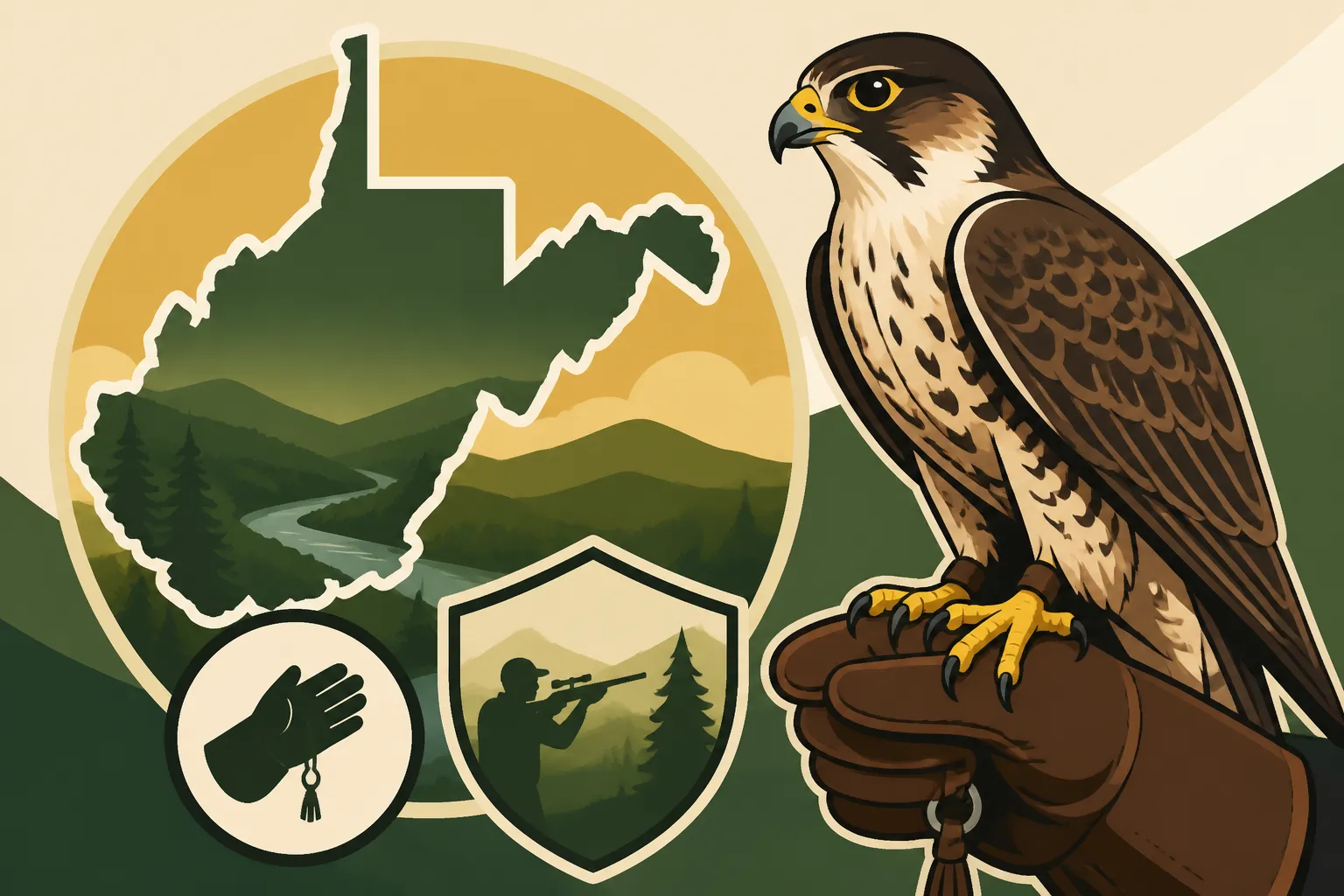
At its heart, falconry is the art of hunting wild quarry in its natural state and habitat by means of a trained bird of prey. It’s a pursuit that demands an incredible amount of time, patience, and commitment. We're talking about forming an unbreakable bond with an animal that is, by its very nature, wild. You become the bird’s primary food source and trainer, guiding it to hunt effectively. This means understanding raptor biology, behavior, nutrition, husbandry, and the nuances of hunting with a bird, from flight mechanics to quarry pursuit. It's a delicate balance of providing for the bird's welfare while respecting its instinctual drive to hunt. For many, it's a way of connecting with nature on a profoundly intimate level, experiencing the wild through the eyes of a hawk or falcon. It's also often a solitary pursuit, requiring long hours in the field, sometimes far from easy access, especially if you're looking for Finding Ground That Sees Fewer Hunters.
Why West Virginia Has Specific Regulations
It might seem like a lot of hoops to jump through, but the reason West Virginia has such specific falconry regulations is because the activity is dual-regulated: by the U.S. Fish and Wildlife Service (USFWS) at the federal level and by the West Virginia Division of Natural Resources (WVDNR) at the state level. This partnership ensures the welfare of the raptors, the conservation of wild bird populations, and promotes ethical hunting practices. The rules aren't there to make it hard; they're there to protect these magnificent birds and prevent people from simply collecting them as pets, which is illegal. These regulations cover everything from how you acquire a bird to how you house it, what species you can possess, and the exact process for obtaining your license. It’s all designed to ensure that only serious, knowledgeable individuals undertake this responsibility. Understanding these interwoven federal and state rules is a critical first step on your journey, much like understanding the ins and outs of West Virginia Deer Season Structure Explained for rifle hunters.
The Apprentice Path: Your First Steps to Becoming a Falconer
Okay, let's talk brass tacks. The most common entry point into falconry in West Virginia, like most states, is through the Apprentice class. This isn't just a title; it's a rigorous training period designed to mold you into a responsible, capable falconer under the watchful eye of an experienced mentor. The process is lengthy and challenging, but absolutely essential for anyone serious about the sport.
Finding a Sponsor: The Toughest Hurdle
I'm not going to sugarcoat it: finding a sponsor is often the single most difficult part of becoming an apprentice falconer. You can have all the enthusiasm in the world, read every book, and build the most perfect mews, but without a sponsor, you can't move forward. A sponsor is a General or Master Falconer who agrees to guide you through your first two years. This isn't a casual agreement; it's a huge commitment on their part. They are responsible for your education, making sure you learn proper bird handling, husbandry, training, and ethical hunting techniques. They will literally put their own license on the line for you.
So, how do you find one?
- Networking is Key: Forget cold calls. Most sponsors want to know you, see your dedication, and understand your commitment before they even consider taking you on. Attend local falconry club meetings – the West Virginia Falconry Association (WVFA) is a great place to start. Go to field meets, even if you don't have a bird yet. Just show up, listen, ask intelligent questions, and be present.
- Demonstrate Your Commitment: Read up! Learn as much as you can about raptor biology, health, and training. Show that you're serious. Your sponsor isn't looking for someone they have to drag through the process; they're looking for someone eager to learn and put in the work.
- Be Patient and Persistent: It can take months, or even years, to find a sponsor. Don't get discouraged. This patience is a test in itself, a small taste of the patience required in falconry. While platforms like "GoHunt" are fantastic for finding general hunting information or even specific West Virginia WMA Permit Requirement details, they aren't typically a matchmaking service for falconry sponsors. You need that personal connection.
Applying for Your State and Federal Permits
Once you've secured that elusive sponsor, the real paperwork begins. You'll need to apply for both a federal falconry permit through the USFWS and a state falconry license through the WVDNR.
Here’s a general rundown of what to expect:
- Written Examination: You'll need to pass a comprehensive written examination covering raptor biology, care, diseases, training, and relevant laws and regulations. This is a federal exam, and it’s no joke. Study hard! Resources for this exam are often found through the USFWS and falconry associations.
- Application Forms: Both federal and state applications will require detailed personal information, a signed statement from your sponsor, and an inventory of your facilities (more on that below).
- Background Checks: Expect federal and state background checks to ensure you're a suitable candidate for handling protected wildlife.
- Fees: There are fees associated with both the federal permit and the state license. These can vary, so always check the most current WVDNR and USFWS websites for updated costs. Just like West Virginia Hunting Licenses and What They Cost for other types of hunting, these permits come with a price tag.
- Inspection: Before your permit is issued, a WVDNR representative will inspect your proposed facilities to ensure they meet all legal requirements for housing a raptor.
Facility Requirements: The Mews and Perches
This is where the rubber meets the road, or rather, where your bird meets its home. You can't just keep a hawk in a dog kennel or a spare room. Falconry birds require specialized housing, commonly known as a "mews" (an indoor enclosure) and a "weathering area" (an outdoor enclosure). These facilities must meet strict specifications to ensure the bird's safety, health, and well-being.
Here are some key requirements:
- The Mews:
- Size: Must be large enough for the bird to stand erect without touching the ceiling and to spread its wings fully without touching the sides or other obstacles. For an apprentice, usually one bird, but the mews must be spacious.
- Construction: Typically made of solid, predator-proof materials. Walls need to be smooth to prevent feather damage, and the floor should be easily cleanable. Ventilation is crucial.
- Perches: Must provide a comfortable grip and be appropriately sized for the bird's feet. Different types of perches (bow, block, platform) may be used, and they must be secured to prevent injury.
- Lighting: Adequate natural light is important, but direct sunlight should be avoidable to prevent overheating.
- Security: Must be securely locked to prevent theft or escape.
- The Weathering Area:
- Outdoor Protection: A protected outdoor area where the bird can get fresh air and sunshine but is shielded from wind, rain, and extreme temperatures.
- Predator Proof: Absolutely critical to protect your raptor from raccoons, foxes, loose dogs, and other predators. Heavy-gauge wire mesh (like chain link) is often used for sides and top.
- Perches and Water: Similar to the mews, appropriate perches and a constant supply of fresh, clean water for bathing and drinking are essential.
- Drainage: Good drainage is important to prevent standing water and maintain hygiene.
The WVDNR will inspect these facilities thoroughly. It’s an investment of time, money, and careful planning. You'll need to research these requirements in detail through WVDNR guidelines and often consult with your sponsor, who will have invaluable experience in building and maintaining proper housing.
Advancing Your Falconry Journey: General and Master Classes
Becoming an apprentice is just the beginning. Falconry is a lifelong learning process, and the federal and state regulations recognize this progression through two higher permit classes: General Falconer and Master Falconer. Each class brings increased privileges, but also demands greater experience and responsibility.
General Falconer: Earning Your Stripes
After successfully completing your two-year apprenticeship, and with a minimum of two years of continuous falconry experience overall, you can apply to become a General Falconer. This is a significant milestone, signifying that you've demonstrated competence and responsible raptor management.
The requirements typically include:
- Minimum Experience: You must have practiced falconry with your own bird(s) for at least two years as an apprentice. Your sponsor will certify this experience.
- Application: You'll submit an application to the WVDNR and USFWS, detailing your experience and continued commitment.
- Increased Privileges: As a General Falconer, you'll be authorized to possess a broader range of raptor species. While apprentices are often limited to specific, commonly available species like the American Kestrel or Red-tailed Hawk, General Falconers can usually possess two or three raptors of any legal species. This means access to more specialized birds like Cooper's Hawks, Goshawks (where permitted), or even certain falcons, depending on federal and state lists. You'll also have expanded options for taking birds from the wild (within strict limits) and potentially greater flexibility in hunting certain types of game.
This stage is about applying all the knowledge your sponsor imparted, and continuing to refine your skills independently. It’s still about active hunting, and understanding your quarry, whether it’s learning more about Squirrel and Small Game Hunting in West Virginia or focusing on specific rabbit habitat.
Master Falconer: The Pinnacle of the Sport
The Master Falconer class is the highest level attainable in falconry, representing a profound level of expertise, dedication, and commitment to the art. Achieving this level is a testament to years, often decades, of responsible raptor care and successful hunting.
To qualify for Master Falconer:
- Extensive Experience: You must have practiced falconry as a General Falconer for at least five years. This means a minimum of seven years of continuous falconry experience overall (two as an Apprentice, five as a General).
- Application: A comprehensive application will be required, demonstrating your extensive experience, knowledge, and ethical practices.
- Maximum Privileges: Master Falconers typically have the greatest flexibility in terms of species possessed (usually three to five birds at a time) and may even be eligible to possess rare or endangered species, such as Golden Eagles, through highly specialized permits. They also have the broadest permissions for taking wild raptors and often serve as mentors for new apprentices, passing on their vast knowledge.
Becoming a Master Falconer isn't just about the increased privileges; it's about the deep satisfaction of having mastered a complex, challenging, and ancient art. It's a commitment that shapes a significant part of your life, much like someone who dedicates their life to understanding the nuances of West Virginia's Black Bear Comeback or the conservation of our wild turkey populations.
Here's a quick comparison of the different falconry permit classes in West Virginia:
| Permit Class | Minimum Age | Sponsor Required | Minimum Years of Experience | Bird Types Allowed | Number of Birds Allowed |
|---|---|---|---|---|---|
| Apprentice | 12 | Yes | N/A (starting point) | Limited (e.g., Kestrel, Red-tail) | 1 |
| General | 16 | No (post-apprentice) | 2 years as Apprentice | Expanded range of species | 2-3 |
| Master | 18 | No | 5 years as General | Broadest range, incl. Eagles (special permit) | 3-5 (often more for specific species) |
| Note: Specific age, bird limits, and species lists can vary slightly by state and federal regulations. Always confirm current rules with WVDNR and USFWS. |
Keeping Up with the Rules: Renewals, Reporting, and Responsible Ownership
Getting your license is a huge accomplishment, but it’s not a "set it and forget it" situation. Falconry in West Virginia, like all wildlife-related activities, comes with ongoing responsibilities designed to ensure ethical practice, conservation, and the well-being of the birds. Ignoring these can jeopardize your license and, more importantly, the welfare of your raptor.
Annual Reporting and Permit Renewals
Just like you need to keep track of when West Virginia's Archery Season Opens or the dates for West Virginia's Buck Gun Season, you'll need to be hyper-aware of your falconry permit’s expiration date. Falconry permits are typically issued for a specific period (often three years for federal permits, and state permits usually align or are renewed annually). It's crucial to renew your permits before they expire to avoid any lapse in your legal authorization.
Beyond renewals, there’s an important annual reporting requirement. This involves submitting detailed information to both the USFWS and the WVDNR about your falconry activities over the past year. This report typically includes:
- Bird Inventory: Listing all raptors you currently possess, including their band numbers and acquisition dates.
- Take/Transfer/Loss Information: Reporting any birds you’ve captured from the wild, transferred to another falconer, or lost (e.g., escaped, died). This is critical for population monitoring.
- Hunting Success: Often, you'll need to report the number and type of quarry taken by your bird. This data helps wildlife agencies monitor local game populations and the impact of falconry.
Platforms like "GoHunt" might offer general reminders for hunting seasons or license renewals, but for the specifics of falconry, you'll want to rely directly on the WVDNR website and the USFWS online permitting system for the most accurate and up-to-date forms and submission procedures. Missing these reports or renewals can lead to fines, suspension, or even revocation of your falconry license.
Legal Take and Species Restrictions
One of the most exciting aspects of falconry is the opportunity to legally trap and possess a wild-caught raptor. However, this isn't a free-for-all. The "legal take" of raptors from the wild is highly regulated, ensuring that only a sustainable number of birds are captured and that vulnerable populations are protected.
Here's what you need to know:
- Apprentice Restrictions: As an apprentice, you are typically limited to taking only certain species that are abundant and generally easier for beginners to train. Common apprentice birds in West Virginia include the American Kestrel (a small falcon) and the Red-tailed Hawk (a common and hardy raptor). This limitation helps ensure your first experience is with a species known for its resilience and adaptability, increasing your chances of success and minimizing risk to the bird.
- General and Master Privileges: As you advance through the ranks to General and then Master Falconer, the list of species you are permitted to take and possess expands significantly. This progression reflects your growing knowledge and proven ability to handle more challenging or sensitive species.
- Seasonal and Area Restrictions: The take of wild raptors is also restricted to specific seasons and often by location. You cannot simply go out and trap a bird whenever you wish. These seasons are designed to coincide with times when young birds are most likely to be available and to minimize impact on breeding populations.
- Permit Requirements: Each time you take a bird from the wild, you must report it to the WVDNR and USFWS, and the bird must be banded with a federal marker. There are strict rules on the methods you can use for trapping, ensuring the bird's safety during capture.
- Hunting Seasons: While you use your raptor to hunt, the actual hunting seasons for the quarry you pursue (like squirrels, rabbits, or pheasants) still apply. You can't just hunt game out of season with your hawk. You'll need to be aware of the West Virginia Small Game Season Rules and other specific dates, just like any other hunter. Your bird is a tool for hunting, not an exemption from game laws.
Understanding and meticulously following these rules is paramount to being a responsible falconer and contributing to the conservation efforts that keep this ancient sport alive and thriving in the Mountain State. It's a journey filled with incredible moments and deep responsibility, and one that connects you intimately with West Virginia's wild heart.
Disclaimer
Please remember that hunting regulations, including those for falconry, can change. Always consult the official West Virginia Division of Natural Resources (WVDNR) and U.S. Fish and Wildlife Service (USFWS) websites or contact their offices directly for the most current and accurate information before engaging in any falconry activities. This guide is for informational purposes only and should not be considered legal advice.