West Virginia’s Buck Gun Season
For many hunters in the Mountain State, the thought of West Virginia's buck gun season conjures images of crisp autumn air, rattling antlers, and the satisfying thud of a well-placed shot. However, the reality can often be a mix of intense anticipation and frustrating challenges, from navigating crowded public lands to deciphering ever-evolving regulations. This comprehensive guide is here to unravel the complexities, equip you with proven strategies, and help you make the most of your West Virginia buck gun season experience.
Understanding West Virginia's Buck Gun Season Structure
West Virginia's buck gun season isn't just a free-for-all; it's a carefully managed period designed to control deer populations while offering hunters a prime opportunity. Knowing the ins and outs of this structure is foundational to a successful hunt, helping you understand where and when you can pursue a buck with a firearm. It can feel like a maze sometimes, with different rules depending on your county, but with a bit of insight, it becomes much clearer.
General Season Dates and Antler Point Restrictions
The buck gun season typically kicks off in late November, usually the Monday before Thanksgiving, running for about two weeks, sometimes a bit longer in certain areas. This timing is strategic, often coinciding with the tail end of the rut in many parts of the state, making it a particularly exciting time to be in the woods. While the specific dates can shift slightly each year, it's generally a consistent window. For the most up-to-date information, always double-check the West Virginia Division of Natural Resources (WVDNR) hunting regulations summary, which is your absolute bible for the season. Remember, understanding the annual West Virginia Buck Gun Season Dates is crucial for planning your hunting excursions.
Beyond the dates, one of the most significant aspects of the buck gun season is the antler point restriction (APR) that applies in many counties. While some counties allow you to harvest any antlered deer, a significant portion of the state enforces a rule requiring bucks to have at least one antler with three or more points (1-inch or longer) to be legal. This regulation is designed to improve buck age structure and allow younger bucks to mature, ideally leading to older, larger-antlered deer in the population. It's vital to know if the county you're hunting has an APR, as harvesting an illegal buck can lead to serious penalties.
County-Specific Rules and Exceptions
Navigating West Virginia's hunting regulations often means understanding that the rules aren't always uniform statewide. While there's a general framework, specific counties, particularly in the southern part of the state, operate under unique provisions that significantly alter the hunting landscape. These exceptions are put in place for various reasons, including deer management goals, population densities, and even historical hunting traditions.
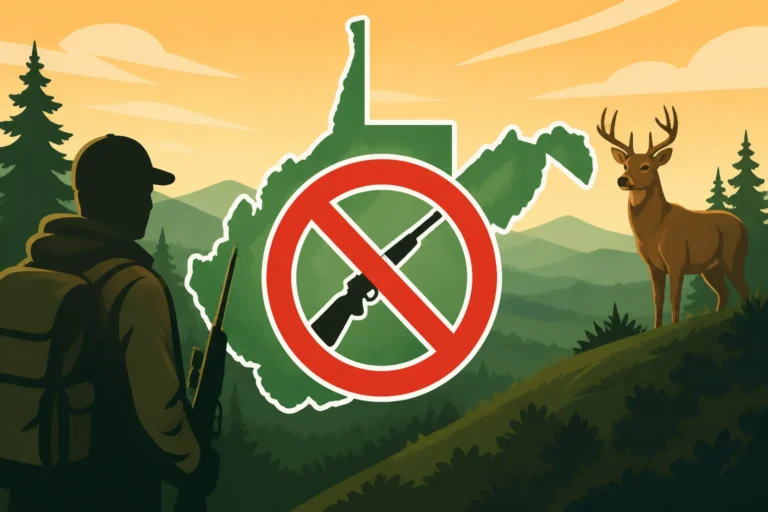
Perhaps the most notable exceptions are the four southern counties – Logan, McDowell, Mingo, and Wyoming – where firearms for deer hunting are entirely prohibited. These areas are designated as "archery-only" zones, meaning that even during the statewide buck gun season, only archery equipment (bows and crossbows) can be used to harvest deer. This rule is a major consideration for hunters who typically use rifles, requiring them to either adjust their equipment or seek hunting opportunities in other counties. It's a prime example of how the WVDNR customizes regulations to meet local management needs and respond to historical landowner preferences. Always confirm the specific rules for your chosen hunting grounds, as some areas might also have special antlerless seasons or quotas that run concurrently or consecutively with the buck gun season.
Key Dates and Regulations for Buck Gun Hunting
Getting ready for West Virginia's buck gun season means more than just sighting in your rifle; it's about being acutely aware of the calendar and the rulebook. Missing a crucial date or overlooking a regulation can turn an anticipated hunt into a disappointing, or even illegal, situation. Let's dig into the specifics that truly matter.
Opening Day Strategies and Crowds
Opening day of buck gun season in West Virginia is practically a holiday for many hunters. The excitement is palpable, but so is the potential for increased hunting pressure, especially on popular public lands. This means your strategy for the first few days needs to be different from later in the season. Many hunters will swarm easily accessible areas, driving deer deeper into cover. If you're on public land, expect company, particularly in spots close to roads or parking areas. For those willing to put in the extra effort, hiking deeper into national forests like Monongahela National Forest can often lead to less pressured animals. Consider scouting with apps like GoHunt that layer public land boundaries and topography, helping you identify those hard-to-reach pockets before opening day.
On opening weekend, deer are often on high alert. They’ve encountered increased human activity during archery season, and the sudden influx of gun hunters sends many seeking refuge. This is why aggressive tactics like small deer drives can be effective in certain areas, particularly on larger tracts of public land. However, if you prefer to sit still, consider areas with dense thermal cover, thick laurel thickets, or steep hollows where deer will often retreat. Often, the deer move primarily at dawn and dusk on opening day, but also throughout the mid-day as they are pushed by other hunters. Understanding Opening Weekend Tactics for Buck Gun Season can significantly improve your chances.
Hunter Orange Requirements and Safety
Safety is paramount during any hunting season, but especially during buck gun season when firearm use is widespread and hunter numbers are high. West Virginia has clear regulations regarding hunter orange, or "blaze orange," which is absolutely non-negotiable for anyone hunting deer with a firearm. Hunters are required to wear at least 400 square inches of blaze orange, visible from all sides, on their outermost garment. This typically means a blaze orange vest or jacket, and many hunters also opt for a blaze orange hat.
The purpose of this requirement is simple: visibility. In dense woods, especially during the often overcast and dreary days of late November, it’s crucial to be easily seen by other hunters to prevent accidental shootings. This isn't just about protecting yourself; it's about protecting everyone else in the woods too. Beyond the blaze orange, always practice fundamental firearm safety: treat every firearm as if it's loaded, never point a firearm at anything you don't intend to shoot, keep your finger off the trigger until you're ready to fire, and be sure of your target and what's beyond it. Given the prevalence of West Virginia Blaze Orange Requirements, it’s a good idea to refresh yourself on the specifics before heading afield.
| Regulation Aspect | General Rule | Notes/Exceptions |
|---|---|---|
| Season Dates | Late November – Early December (approx. 2 weeks) | Check WVDNR summary for exact annual dates. |
| Antler Point Restriction (APR) | 3 points (1-inch+) on one side in many counties | Specific counties may allow any antlered deer. Always confirm county rules. |
| Archery-Only Counties | Logan, McDowell, Mingo, Wyoming | No firearms allowed for deer hunting in these four southern counties. |
| Hunter Orange | 400 square inches visible from all sides | Mandatory for firearm deer hunters. Headwear often included. |
| Legal Firearms | Rifles, shotguns, muzzleloaders, handguns | Specific caliber/gauge restrictions apply. See WVDNR for details. |
| Tagging & Reporting | Tag deer immediately, report within 24 hours | Use Go Wild WV website or mobile app. |
| Bag Limit | 1 antlered deer during buck gun season | May vary with bonus antlerless tags or specific county rules. |
Checking Deer and Ethical Practices
Once you've successfully harvested a buck during West Virginia's gun season, your responsibilities don't end there. Proper post-harvest procedures are critical for both legal compliance and ethical hunting. The first step, immediately after making the kill, is to attach your field tag to the deer. This tag, which comes with your hunting license, must be filled out completely and securely affixed to the carcass before you move the animal. This is a non-negotiable step and helps wildlife officials track harvests and enforce regulations.
Following the tagging, you are required to check your deer within 24 hours of harvest. West Virginia utilizes an electronic checking system, which is incredibly convenient. You can report your harvest online via the WVDNR's Go Wild West Virginia website or through their mobile app. This system requires you to input information such as the county of kill, the date, and the type of deer (antlered or antlerless). This data is vital for wildlife biologists who use it to monitor deer populations, assess herd health, and make informed management decisions for future seasons. Beyond the legalities, ethical practices include quick and humane dispatch of the animal, efficient field dressing, and respectful handling of the carcass to preserve the meat. Knowing the West Virginia Deer Reporting Requirements is essential for every responsible hunter.
Essential Scouting and Pre-Season Preparations
Successful buck gun hunting in West Virginia doesn't just happen; it's the culmination of dedicated pre-season effort. Without proper scouting and preparation, you're essentially walking into the woods blind, hoping for luck to strike. The rugged terrain and dense cover of West Virginia demand a proactive approach, long before opening day arrives.
Identifying Key Deer Sign and Travel Corridors
Scouting is your secret weapon, and it starts long before firearms season. Even during the summer and early fall, you should be looking for crucial deer sign that reveals their patterns. Think about food sources: where are the acorns dropping, what agricultural fields are nearby, or what soft mast trees are producing? Deer will gravitate to these areas. Look for well-worn trails, which indicate consistent travel. Pay attention to how these trails connect bedding areas (thick cover, often on ridges or in deep hollows) to feeding areas. Funnels, like saddles between ridges, narrow strips of timber between fields, or pinch points along a creek, are absolute gold. Deer, especially mature bucks, prefer to use these natural travel corridors as they offer security and efficiency.
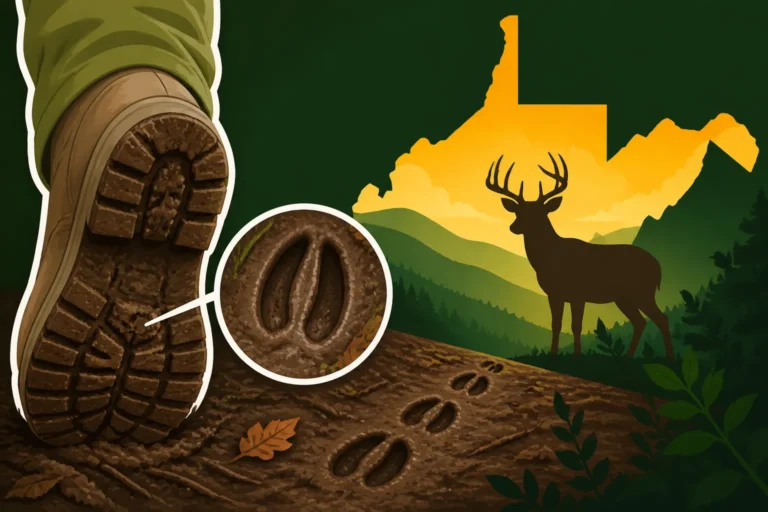
Rub lines and scrape lines are also invaluable indicators of buck activity, particularly as the rut approaches. Rubs are where bucks rub their antlers on small trees, marking territory and shedding velvet. Scrapes are spots on the ground where bucks paw away leaves, urinate, and deposit scent from glands, signaling their presence to does. Finding fresh, active rub and scrape lines can give you a direct insight into a buck's routine. Using mapping tools like those offered by GoHunt, you can mark these locations, helping you build a comprehensive picture of deer movement on your chosen hunting ground. Don't forget to consider how Reading West Virginia Mud for Fresh Deer Movement can tell you a lot about current activity.
Understanding Topography and Thermal Dynamics
West Virginia's mountainous terrain means that understanding topography isn't just helpful, it's essential. Deer use the landscape to their advantage, particularly when it comes to bedding and travel. Bucks often prefer to bed on ridge points or benches that offer a commanding view of the downwind side, allowing them to see or smell danger approaching from below. They also utilize saddles, draws, and benches as travel routes that conserve energy. Identifying these features on a topographic map or aerial imagery, easily accessible through various hunting apps, can reveal prime ambush locations.
Thermals, the invisible currents of rising and falling air, are another critical factor often overlooked by less experienced hunters. In the morning, as the sun heats the ground, air rises, creating an "updraft." In the evening, as the air cools, it sinks, creating a "downdraft." Deer know this and will often adjust their travel to stay downwind of potential threats. Hunting a ridge top in the morning might mean your scent is carried up and over the deer in the hollows, but in the evening, that same spot could send your scent straight down to them. Learning to read the wind and predict thermal movement based on the sun's position and the terrain is a skill that takes practice but pays huge dividends in the steep country. Mastering Wind and Thermals on a Steep Ridge is a game-changer.
Effective Hunting Tactics for West Virginia Buck Gun Season
Once you've done your homework and the season has arrived, it's time to put those plans into action. West Virginia's buck gun season, with its varied terrain and potential for hunter pressure, demands adaptable tactics. What works on flat farmland won't necessarily work on a steep mountain ridge, and understanding the nuances is key.
Stand Hunting and Ambush Techniques
Stand hunting remains one of the most popular and effective methods during West Virginia's buck gun season. Whether you're in a treestand overlooking an acorn flat, a ground blind tucked into a fencerow, or sitting patiently on a strategic ridge point, the goal is the same: ambush a buck traveling through its natural routine. The key to successful stand hunting lies in placement. You want to be located where deer are naturally moving between bedding and feeding areas, or along escape routes when pressured. Funnels, saddles, and creek bottoms that serve as natural travel corridors are prime spots.
When selecting a stand location, consider the prevailing wind direction for that time of year, your entry and exit routes to avoid spooking deer, and the sun's position to avoid being silhouetted or having the sun in your eyes. Think about the range of your shots – in thick West Virginia timber, long shots are rare, so focus on areas where a 50-150 yard shot is most likely. Using climbing sticks and a portable treestand for public land is often ideal, as it allows for flexibility. You can also utilize natural ground blinds by brushing in against a large tree or rock formation, especially effective if you’re hunting areas where trees aren't suitable for stands. For deep dives into setup, explore Treestand Setups in Monongahela National Forest.
Still Hunting and Tracking Strategies
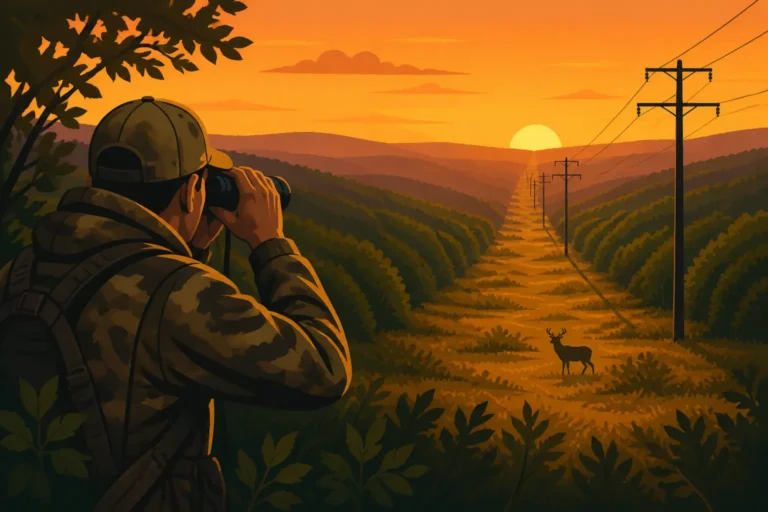
For hunters who prefer a more active approach, still-hunting offers a rewarding challenge, especially in the rugged landscape of West Virginia. Still-hunting isn't about aimlessly wandering; it's a slow, deliberate movement through the woods, stopping frequently to observe, listen, and scan for deer. The pace should be excruciatingly slow – taking a single step, then pausing for several minutes, scanning every shadow and subtle movement. Use your binoculars constantly to pick apart dense cover. Look for horizontal lines, patches of brown that don't quite fit, or the flick of an ear.
This method is particularly effective in areas with varied terrain, dense cover, or where deer might be bedded down and expecting to be safe. It also allows you to adapt to changing conditions and follow fresh sign. When tracking, look for tracks, droppings, and fresh rubs. Pay attention to the deer's gait; a buck on high alert will have a different track pattern than one leisurely feeding. If you jump a deer, note its direction of travel and circle wide to try and intercept it, rather than pushing it further. Still-hunting requires immense patience, keen observation skills, and a deep understanding of deer behavior, but it can be incredibly productive, especially when used to hunt thicker cover like that found on Still-Hunting Cranberry WMA Ridges.
Calling and Decoy Tactics
While often associated with archery season, calling and decoy tactics can absolutely play a role in West Virginia's buck gun season, especially during the peak or late rut phases that often overlap with the season's opening. Grunt calls, doe bleats, and even rattling antlers can pique a buck's curiosity or challenge its dominance, potentially drawing it into range. During the first week of gun season, if the rut is still strong, a series of aggressive grunts or a rattling sequence imitating two bucks fighting can be highly effective. The key is to match your calling to the current mood of the deer. If you're seeing bucks chasing does, aggressive calls might work. If things are quiet, more subtle doe bleats could be better.
Decoys, particularly a realistic buck or doe decoy, can also be used to draw in a wary buck. They work by providing a visual stimulus that complements your calls, giving a real buck something tangible to focus on rather than pinpointing your exact location. Placement is crucial: position the decoy so the approaching buck will naturally offer a good shot opportunity. Always consider the wind and set your decoy slightly downwind of your position so the buck approaches into the wind, towards the decoy, and presents a broadside shot. Ensure you understand the nuances of Rattling and Grunting in West Virginia for optimal results.
Navigating Public and Private Lands During Gun Season
Hunting in West Virginia presents a unique mosaic of public and private land opportunities, each with its own set of challenges and rewards during buck gun season. Knowing how to navigate these different landscapes is critical for a safe, successful, and legal hunt.
Hunting West Virginia Public Lands
West Virginia boasts millions of acres of public land, including the vast Monongahela National Forest and numerous Wildlife Management Areas (WMAs), providing incredible opportunities for hunters. However, public land during buck gun season often comes with significant hunting pressure, especially on opening day and weekends. To succeed, you need to think differently. Often, the best strategy is to put in the extra miles. Most hunters won't venture more than a mile or two from a road or parking area. If you're willing to hike deeper, climbing those steep Allegheny ridges or dropping into remote hollows, you significantly increase your chances of finding less pressured deer. Apps like GoHunt, which show public land boundaries and topography, are invaluable for this, helping you identify hidden pockets and strategic access points.
Another public land strategy involves understanding how deer react to pressure. When bombarded, deer will often seek refuge in the thickest, nastiest cover available, sometimes moving onto adjacent private land. Conversely, if you hunt next to private land that receives less pressure, deer might push onto public ground to escape. Being aware of Opening Weekend Crowds on West Virginia Public Land is key to modifying your strategy. Always respect fellow hunters, practice ethical shot selection, and be aware of designated safety zones if applicable. You also need to know the specific rules for public land, such as prohibitions on baiting or permanent stands, which are common on WMAs and National Forest land.
Securing Private Land Access
Hunting private land often offers a more controlled and potentially less pressured experience, but securing access requires effort and good etiquette. The first step is always to ask for permission, well in advance of the season. Cold-calling landowners can be daunting, but a polite, respectful approach often yields results. Start with landowners you know, or neighbors of friends and family. When asking, be clear about what you want to hunt, when, and how you will respect their property. Offering to help with chores around the farm, offering a share of your harvest, or providing services can go a long way in building goodwill.
Once you gain permission, uphold your end of the bargain. Respect property lines, close gates, don't litter, and drive slowly on private roads. Leaving the land better than you found it ensures you'll be welcomed back. Always carry written permission if possible, especially on larger tracts, and be mindful of "posted" signs or areas where hunting is specifically prohibited. Some landowners might allow only archery hunting or have specific rules about where you can park or access the property. Building a long-term relationship with a landowner is invaluable, as it can secure hunting access for years to come. For more on this, check out Knocking on Doors in Eastern Panhandle Farm Country.
Gear and Equipment for West Virginia Buck Gun Hunters
The rugged and diverse landscape of West Virginia demands that hunters equip themselves appropriately for buck gun season. From the firearm in your hands to the layers on your back, having the right gear can make the difference between a successful, comfortable hunt and a frustrating, chilly experience.
Choosing the Right Rifle and Caliber
For West Virginia's buck gun season, your rifle is arguably your most important piece of equipment. The terrain dictates that shots can vary greatly, from tight timber to longer across-hollow engagements. Most popular deer calibers are suitable, with the .30-06, .308, .270, and 6.5 Creedmoor being perennial favorites for their versatility and stopping power on whitetails. These calibers offer a good balance of accuracy, bullet energy, and manageable recoil. However, specific areas, particularly some southern counties, might restrict rifle use or specify straight-wall cartridges. Always consult the WVDNR regulations for any county-specific firearm restrictions.
When selecting a rifle, consider its weight, balance, and how well it handles in dense brush or climbing steep terrain. A lighter rifle is often preferred for long treks into the backcountry. As for optics, a variable power scope (e.g., 3-9×40 or 4-12×40) is ideal, offering lower magnification for close-quarters shooting and higher power for longer distances. Ensure your rifle is zeroed correctly for your expected ranges, typically 100 or 200 yards, and practice shooting from various positions you might encounter in the field, such as off-hand or using a rest on a backpack. For a deeper dive into firearm choices, consult Rifle Setups for West Virginia Deer Hunting.
Essential Optics and Navigation Tools
Beyond your rifle scope, a good pair of binoculars is an indispensable tool for West Virginia buck gun hunting. In dense woods and across vast hollows, binoculars allow you to pick apart cover, identify deer, and scout for movement without raising your rifle, minimizing unnecessary movement that could spook game. An 8x or 10x magnification is usually perfect, offering a wide field of view and sufficient detail. Look for models with good low-light performance, as deer are most active during dawn and dusk. A rangefinder is another highly recommended optic, especially if you anticipate shots at varying distances. It eliminates guesswork and allows for precise shot placement, crucial in the varying terrain.
For navigation, a GPS unit or a reliable hunting app on your smartphone (like GoHunt, which offers offline map capabilities) is essential. West Virginia's public lands, particularly the Monongahela National Forest, can be vast and disorienting, with numerous logging roads and trails. These tools allow you to pinpoint your location, mark stand sites, track deer, and safely navigate back to your vehicle, even in the dark. Always carry a physical map and compass as a backup, and know how to use them, as electronic devices can fail or lose battery power in remote areas. Ensuring you have a way to know your exact location can be critical when Dragging a Deer Off a Steep Ridge.
Clothing and Comfort for Mountain Hunting
West Virginia weather in late November and early December can be notoriously unpredictable, ranging from mild, rainy days to freezing temperatures with snow. Dressing in layers is the golden rule for staying comfortable and focused. Start with a moisture-wicking base layer to manage sweat, followed by insulating mid-layers like fleece or wool to retain warmth. Your outer layer should be windproof and waterproof, critical for protection against rain and snow. Given the blaze orange requirements, your outer layer will likely be a blaze orange jacket or vest.
Don't forget quality boots that are waterproof, insulated, and offer excellent ankle support for navigating steep, uneven terrain. Many hunters prefer rubber boots to keep scent down, especially when crossing wet areas. Gloves, a warm hat, and hand warmers are also crucial for maintaining dexterity and overall comfort during long, cold sits. A well-fitting backpack to carry snacks, water, calls, a first-aid kit, and extra layers completes your personal gear setup, ensuring you're prepared for whatever the Mountain State throws at you. For more on layering, check out Cold-Weather Sitting Strategy in the Mountains.
Dealing with Hunting Pressure and Weather Challenges
The buck gun season in West Virginia is a prime hunting window, but it also brings unique challenges: increased hunter pressure and unpredictable mountain weather. Successfully navigating these elements is often what separates a successful hunt from a frustrating one.
Adapting to Hunter Pressure
The influx of hunters during gun season, especially on public lands, means deer behavior changes significantly. Deer become warier, often shifting to nocturnal patterns or seeking refuge in the thickest, most remote cover they can find. If you're encountering significant pressure, don't fight it; adapt to it. Instead of hunting easily accessible areas, be willing to walk further and deeper into the backcountry. Look for areas that are difficult to reach or have challenging topography that deters other hunters. These often become sanctuaries where deer feel safe.
Another effective strategy is to hunt during weekdays when pressure tends to be lower than on opening weekend or holidays. Consider still-hunting or mini-drives (with a small, trusted group) to move deer out of thick cover where they've bedded down. Pay close attention to subtle changes in deer movement throughout the season; early season pressure might push deer into certain areas, and later in the season, they might shift again as food sources change or as hunter activity wanes. Learning to read the subtle signs of deer movement from pressure is a skill developed over seasons.
Hunting in Inclement Weather Conditions
West Virginia's late autumn and early winter weather can be a game-changer. Cold fronts, snow, and rain can either shut deer down or kick them into high gear. Generally, a significant cold front following a period of mild weather can ignite deer activity, particularly leading into the rut. Deer, needing to fuel up to withstand the cold, will often be more active during daylight hours, especially around primary food sources like acorn flats or agricultural fields.
Snowfall can also be a blessing, as it quiets the woods, making it easier to move silently while still-hunting, and it reveals fresh tracks, allowing you to follow a buck's movements directly. However, extreme cold or heavy snow can also reduce deer movement, prompting them to bed down and conserve energy. Rain can make for miserable hunting, but a light drizzle can also quiet your approach and encourage deer movement, especially if it breaks a period of dry weather. The key is to be prepared for all conditions with appropriate layered clothing and waterproof gear, and to adjust your tactics based on the weather's impact on deer behavior. Understanding Hunting Deer After a Cold Front can give you a significant advantage.
Post-Harvest Care and Reporting Requirements
Successfully harvesting a buck is a rewarding experience, but the work isn't done until the animal is properly cared for and legally reported. Neglecting these crucial steps can compromise your meat or lead to legal issues.
Field Dressing and Meat Care
Proper field dressing is critical to preserving the quality of your venison, especially in West Virginia's unpredictable temperatures. Immediately after harvesting your buck, tag it according to WVDNR regulations, and then begin the field dressing process. The goal is to remove the internal organs as quickly and cleanly as possible to allow the carcass to cool down rapidly. This prevents bacterial growth and off-flavors. Make clean cuts, avoid puncturing the intestines, and once the organs are removed, wipe out the cavity with clean cloths or paper towels to remove any remaining blood or debris. If water is available, a quick rinse can be beneficial, but make sure to dry the cavity thoroughly.
After field dressing, the priority is continued cooling. If temperatures are mild, getting the deer to a cooler or processing facility as soon as possible is paramount. In colder weather, hanging the deer in a shaded, well-ventilated area can allow for proper aging, which can improve the tenderness and flavor of the meat. Protect the carcass from insects and scavengers with a game bag. When temperatures are above 40 degrees Fahrenheit, ice in the cavity can help cool the meat down faster. Knowing how to efficiently field dress a deer is a skill every hunter should master. For further reading, check out Field Dressing a Deer in Cold Weather.
Transporting and Checking Your Harvest
Once field dressed, you need to transport your buck legally and efficiently. The immediate tagging of your deer is the first legal step. Before moving the deer from the kill site, ensure your field tag is securely attached and filled out completely. When transporting, especially on public roads, it's generally best to cover the carcass to show respect for non-hunters and prevent any parts from falling off. Check local regulations regarding open display of game.
The final legal step is checking your deer with the WVDNR within 24 hours of harvest. West Virginia uses an electronic check-in system that is both simple and mandatory. You can use the Go Wild West Virginia website or their mobile app to report your harvest. You'll need your hunting license number, the county and date of kill, and the type of animal harvested. This data is critical for wildlife management, helping biologists track harvest rates, monitor population trends, and make informed decisions about future hunting seasons. Do not skip this step, as it is a legal requirement for all successful deer hunters in West Virginia.
Navigating Specific Hunting Challenges
West Virginia's hunting landscape is beautiful but can be unforgiving. Beyond the general considerations, certain specific challenges can make or break a hunting trip during buck gun season. Being prepared for these can significantly increase your odds of success.
Steep Terrain and Physical Demands
The "Mountain State" lives up to its name, and hunting West Virginia's buck gun season often means confronting steep, rugged terrain. Hauling gear up and down hills, navigating treacherous footing, and especially recovering a harvested animal from a deep hollow can be incredibly physically demanding. Hunters should prepare by focusing on cardiovascular fitness and lower body strength in the off-season. Investing in quality hiking boots with excellent ankle support and traction is non-negotiable. Trekking poles can also be a lifesaver for stability, especially on steep ascents and descents with a pack.
When planning your hunt, consider your physical limits. It’s often better to make multiple, shorter trips into moderately steep areas than to overexert yourself on an overly ambitious climb that leaves you exhausted and unable to safely retrieve your deer. If you do harvest a buck in a particularly steep or remote location, consider methods like boning out the meat to reduce weight for transport, or using a game cart designed for rough terrain if the path allows. Sometimes, the physical challenge is the most significant hurdle. For more insights, refer to Hunting Steep Allegheny Ridges.
Dealing with CWD and Carcass Movement Restrictions
Chronic Wasting Disease (CWD) is a serious concern for West Virginia's deer herd, particularly in the Eastern Panhandle counties. This neurological disease is always fatal to deer and elk, and it's imperative that hunters understand and adhere to the regulations designed to prevent its spread. The WVDNR has established a CWD Containment Area in affected counties, where specific rules apply. These rules primarily focus on carcass movement restrictions, meaning that hunters harvesting a deer within the containment area may not move certain parts of the carcass (like the brain, spinal cord, or lymph nodes) out of the area to prevent inadvertently spreading the disease.
Hunters in CWD-affected counties may be required to submit samples for CWD testing, particularly during the early days of buck gun season. The WVDNR provides specific drop-off locations and instructions for submitting samples. It's crucial to understand these regulations before you hunt, as non-compliance can have severe consequences for the deer herd and result in penalties for the hunter. Always check the latest WVDNR CWD regulations for updates, as the containment area and testing requirements can change. Learning about West Virginia's Chronic Wasting Disease Counties will provide essential context.
Disclaimer
Please remember that hunting regulations, seasons, and licensing requirements can change. While every effort has been made to provide accurate and up-to-date information, this guide is for informational purposes only. Always consult the official West Virginia Division of Natural Resources (WVDNR) hunting regulations summary, available on their website or at license vendors, before planning and undertaking any hunting activity. It is your responsibility to know and follow all applicable laws.