Bowhunting West Virginia’s Long Archery Season
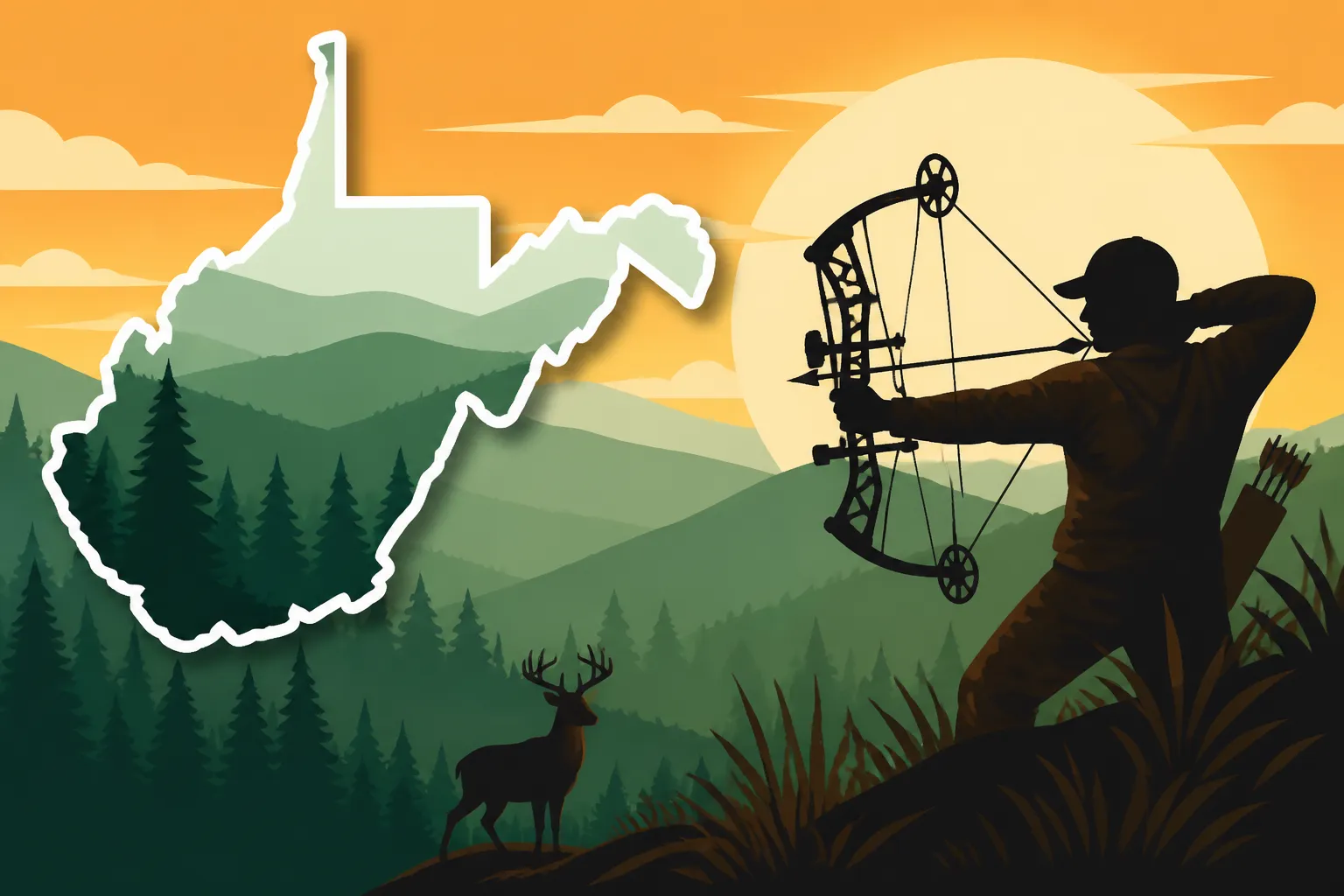
The incredibly long archery season in West Virginia is both a blessing and a curse. While it offers months of opportunity, knowing when and where to focus your efforts as the woods transform from lush green to stark winter can feel like trying to hit a moving target in the dark. This comprehensive guide is here to untangle the complexities, offering time-tested strategies and practical advice to help you arrow a Mountain State whitetail, no matter the conditions or time of year.
Understanding West Virginia's Archery Season Structure
West Virginia's archery season is famously long, stretching from late September well into the close of the year. This extended period provides ample opportunity but also demands a nuanced approach, as deer behavior, food sources, and hunting pressure shift dramatically over these months. Understanding the regulatory framework is your first step toward success.
Key Dates and Season Segments
The West Virginia archery season typically kicks off in the last weekend of September, a time when the leaves are just beginning to turn and temperatures can still be quite warm. This early segment lasts through October, often referred to as the "early season" or "pre-rut." Then, as November rolls around, the energy in the woods explodes with the breeding season, known as the rut. This period usually peaks in mid-November and continues through the Thanksgiving holiday. Finally, the late season arrives in December, after the gun season has concluded, offering a final push before the year ends. Each of these segments presents unique challenges and opportunities for the dedicated bowhunter. You can find the exact opening and closing dates by checking the annual regulations or online for West Virginia Archery and Crossbow Season Dates.
The sheer length of the season means you're not just hunting for a few weeks; you're playing a long game, observing and adapting. Early in the season, you might be focused on consistent food patterns, while come December, the focus shifts dramatically to survival food and thermal cover. This adaptability is what separates consistently successful bowhunters from those who only see action during the rut. Don't fall into the trap of thinking one strategy works for all three months; the Mountain State's deer change their habits as drastically as the seasons themselves.
Beyond the general statewide season, it’s crucial to be aware of any specific nuances. For instance, some areas may have antler point restrictions or other local rules that could impact your hunting strategy or target animal. Always double-check the current year's regulations for the specific county or Wildlife Management Area you plan to hunt. Ignoring these local variations can lead to frustration or, worse, unintended violations.
Archery-Only Counties and Special Regulations
A unique feature of West Virginia hunting is the presence of several "archery-only" counties in the southern part of the state. These include Logan, McDowell, Mingo, and Wyoming counties. In these specific areas, gun hunting for deer is entirely prohibited, which significantly alters the hunting dynamics. For bowhunters, this can be a tremendous advantage, as deer in these regions generally experience less pressure than those in counties with long firearm seasons. If you're looking for an experience where deer patterns are less disrupted by the sudden shock of gun season, these counties offer a compelling alternative. You can learn more about West Virginia's Archery-Only Southern Counties and what makes them unique.
Hunting in these archery-only counties often means deer maintain more consistent daytime patterns later into the fall, as they don't face the same level of disturbance from firearms. This can translate into better opportunities for bowhunters, especially during the mid-season and even early rut phases when deer in other counties might be pushed into more nocturnal behavior. The terrain in these southern counties is also notoriously rugged and steep, which naturally funnels deer movement and can provide strategic advantages for stand placement if you know how to read the topography.
However, "archery-only" doesn't mean "easy." The mountainous terrain and dense cover still demand hard work, extensive scouting, and proper physical conditioning. But for those willing to put in the effort, the potential reward of encountering less-pressured deer throughout a substantial portion of the season is a major draw. It's a true test of a bowhunter's skill, offering a glimpse into what hunting might be like if firearms weren't part of the equation, as explored further in Hunting Where Gun Deer Season Is Banned Entirely.
Crossbow Rules and Equipment Requirements
Many hunters wonder about the legality and regulations surrounding crossbows during West Virginia's archery season. The good news for those who prefer or need to use a crossbow is that they are generally permitted for the entire statewide archery deer season. This means if you're comfortable with a crossbow, you have the same extensive window of opportunity as traditional bowhunters. This inclusive approach makes bowhunting accessible to a broader range of individuals, including those with physical limitations or those simply preferring the different shooting dynamics a crossbow offers.
While crossbows are legal, there are still specific regulations to adhere to. For instance, there might be minimum draw weight requirements or restrictions on certain types of scopes or illuminated reticles, though West Virginia regulations typically focus more on the general legality rather than overly prescriptive equipment rules for crossbows themselves. It's always best practice to review the current year's regulations thoroughly to ensure your equipment is compliant. Ignorance of the law is never an excuse, and a quick check can save you a lot of headache. More detailed information can be found on Crossbow Rules During West Virginia Archery Season.
The allowance of crossbows offers a significant advantage for hunters looking for a slightly different challenge or needing an easier-to-manage weapon. The accuracy at typical bowhunting ranges can be exceptional, and the ability to hold at full draw indefinitely can be a game-changer when a deer hangs up just out of reach. However, a crossbow is still a bow, and ethical hunting practices like understanding shot angles, deer anatomy, and limitations of your equipment remain paramount for clean, humane harvests.
Early Season Strategies: Capitalizing on Summer Patterns
The early archery season in West Virginia, typically late September through mid-October, is a unique time. Deer are still largely operating on their summer patterns, influenced heavily by food sources and routine. This period requires a different mindset than the frantic rut or the survival game of late season.
Scouting Summer Food Sources and Bedding Areas
Before the season even opens, your success in the early season hinges on diligent scouting. Deer in late summer and early fall are creatures of habit, often moving between consistent food sources and nearby bedding areas. Your job is to identify these patterns before hunting pressure scatters them. Focus on high-energy foods that are abundant at this time. This often includes agricultural fields like standing soybeans or corn, where deer will gorge themselves. Areas with early dropping soft mast, such as persimmons or even early-producing oak trees, can be hotbeds of activity. Don't overlook water sources either, especially during warm spells; deer need to drink regularly, and these can be natural funnels.
Using trail cameras extensively during the summer months is absolutely critical. Position them on trails leading to and from these identified food sources, near water, or along pinch points. What you're looking for are consistent daytime movements, particular bucks, and a general understanding of the deer traffic. This intel will guide your initial stand placements. Pay attention to not just what deer are eating, but when they are eating it and where they are coming from. This attention to detail in your pre-season homework, as detailed in Scouting West Virginia Public Land Before Season, is what will give you the edge.
As the season progresses, these early food sources might change. For example, if you're hunting standing soybeans, once they are harvested, that food source is gone. Always have backup plans and be ready to adapt as the landscape shifts. Continue to scout new areas, even after the season opens, looking for fresh sign or changes in deer behavior. Don't get stuck on one spot if the deer have moved on; persistence and adaptability are key.
Stand Placement for Mornings and Evenings
Effective stand placement in the early season is all about intercepting deer moving between bedding and feeding, particularly during the golden hours of dawn and dusk. For morning hunts, your focus should be on routes deer use to return to their bedding areas after a night of feeding. This means setting up closer to bedding, but with a clear understanding of your entry and exit routes to avoid spooking deer as you walk in. Think about subtle ridges, draws, or creek bottoms that act as natural travel corridors.
Evening hunts, conversely, often involve setting up closer to known food sources, anticipating deer moving from their beds to feed. Here, the challenge is often getting into your stand undetected. Consider the wind direction meticulously, as thermals in West Virginia's mountainous terrain can be tricky. In the mornings, cold air sinks, pulling your scent down into hollows. In the evenings, rising warm air can carry your scent uphill. Always play the wind, and have multiple stand locations to capitalize on different wind directions. For instance, Setting Up on a Potomac Valley Field Edge requires careful consideration of prevailing winds and deer entry points.
A critical aspect often overlooked is the access route to your stand. Even the best-placed stand is useless if you spook deer on your way in or out. Plan your approach to be as quiet and scent-free as possible, perhaps using natural cover, ditches, or even walking in a creek bed if feasible. The goal is to be a ghost in the woods, leaving no trace of your presence. Have a plan for both morning and evening entries and exits, ensuring you're not disturbing the very deer you hope to encounter.
Dealing with Warm Weather and Meat Care
One of the biggest challenges of early West Virginia archery season is the unpredictable warm weather. September and early October can still see daytime temperatures soaring into the 70s or even 80s, which presents immediate concerns for meat care once you've harvested a deer. A deer left in warm temperatures for too long will spoil quickly, negating all your hard work. This means having a rapid recovery plan in place is paramount.
Upon making a successful shot, it's often advisable to wait a bit to ensure the deer has expired, but in warm weather, that wait should be minimized, especially if you have a good idea of shot placement. Once the deer is recovered, field dressing it immediately is non-negotiable. This helps the carcass begin to cool internally. If you're deep in the woods, consider quartering the animal and packing it out quickly, using game bags to keep it clean. Speed is of the essence.
Back at the vehicle or camp, having large coolers filled with ice is essential. Pack the cavity with ice, and if quartering, place the meat directly on ice. This rapid cooling process is vital for preserving the quality of the venison. Don't rely on ambient air to cool the deer sufficiently in warm weather. Thinking ahead about your meat care strategy, including having proper Coolers and Game Bags for Early Archery, is just as important as your shot placement in these early, warmer days of the season.
Mid-Season Adjustments: Adapting to Changing Conditions
As October progresses, West Virginia's archery season transitions, bringing cooler temperatures, changing foliage, and evolving deer patterns. This "mid-season" demands adaptability as the initial summer routines fade and pre-rut activity slowly begins to stir.
The October Lull and Hunting Pressure
Many bowhunters experience what's commonly known as the "October Lull," a period in mid-to-late October when deer activity, especially during daylight hours, seems to dramatically decrease. This can be incredibly frustrating after an active early season. Several factors contribute to this: declining food sources as early mast is consumed, shifting bedding areas as leaves fall and cover changes, and increasing hunting pressure from early firearms seasons (like youth deer weekend) or just more archers in the woods. Deer become more wary and nocturnal, making them much harder to intercept during legal shooting light.
During the lull, it's often productive to shift your focus from wide-open food sources to deeper, less-pressured areas. Deer will seek out thick cover for security, often in remote hollows, dense laurel thickets, or even steep, overlooked benches. This means you might need to scout new areas or venture further into public lands than you did in early season. Instead of relying on visible fields, concentrate on pinch points, saddles, or benches that connect these deep bedding areas to remaining food sources, however subtle they may be.
The key to overcoming the October Lull is persistence and adapting your strategy. Don't hunt the same stands the same way. Instead, try still-hunting through thick cover, focusing on fresh sign, or setting up ambush points along bedding area edges. This period is also an excellent time to find Finding Ground That Sees Fewer Hunters by utilizing aerial maps and topographic features to identify spots other hunters might overlook or deem too difficult to access.
Focusing on Hard Mast and Funnels
As fall deepens, the primary food source for West Virginia's deer shifts from early soft mast and agricultural crops to hard mast, primarily acorns. Oak ridges become prime real estate, and deer will often concentrate heavily where the acorns are dropping. However, not all oak trees produce equally every year, so fresh scouting is essential. Look for actively dropping acorns and fresh deer sign—tracks, droppings, and fresh cuttings—beneath white oak and red oak trees. Deer will often prioritize white oak acorns first due to their lower tannin content.
Once you locate these active mast crops, your next step is to identify the funnels that deer use to travel to and from them. Funnels are natural or man-made features that constrict deer movement, making them predictable. This could be a narrow saddle between two ridge tops, a thicket that forces deer to walk a specific path, or a creek bottom that provides easy travel through dense woods. Setting up on these funnels between a bedding area and an active acorn flat is a highly effective mid-season tactic. A well-placed stand in Hunting a Funnel Between Two Hollows can intercept multiple deer throughout the day as they move through these constricted corridors.
Remember that deer will often move to a new mast crop once the current one is depleted. This means you need to stay on top of scouting. A week after you find a hot white oak ridge, the deer might have moved on to a red oak stand or a different area entirely. Mobility is key; be prepared to move your stand as the deer shift their feeding preferences and locations.
Weather Fronts and Cold Snaps
The mid-season in West Virginia often brings significant weather changes, including dramatic cold fronts and the first real cold snaps of the year. These meteorological events can be a bowhunter's best friend, as they often trigger increased deer activity. Deer are highly attuned to barometric pressure changes and temperature drops. Before a major cold front arrives, deer will often feed heavily, sensing the impending change. This can present a fantastic opportunity for an evening hunt.
After a cold front passes, especially one that brings a significant temperature drop, deer activity often surges. The sudden chill invigorates them, and they need to feed to maintain their body temperature. This is a prime time to be in the stand, particularly in the mornings following a cold night. Focus your efforts on primary food sources, whether it's an active acorn flat or a green field that's still holding nutrition. The colder it gets, the more they need to eat, and the more likely they are to move during daylight hours.
However, hunting during these cold snaps requires proper preparation. Layer your clothing effectively to stay warm and comfortable for extended periods. Your hands and feet are critical areas to protect from the cold. A comfortable hunter is a patient hunter, and patience is often rewarded during these post-front feeding frenzies. Understanding how to capitalize on these shifts, as detailed in Hunting Deer After a Cold Front, can dramatically increase your mid-season success.
Hunting the Rut: Peak Activity and Aggressive Tactics
The rut in West Virginia is the period every bowhunter dreams about. It’s a time of increased deer movement, bucks letting their guard down, and the potential for a mature whitetail to make a mistake. Timing your hunts around this peak activity is crucial.
Timing the West Virginia Rut
While the general notion is that the rut occurs in November, understanding its nuances in West Virginia can make a big difference. The peak breeding activity in the Mountain State typically falls in mid-November, usually the second and third weeks. This isn't a hard and fast rule, as it can fluctuate slightly year to year based on factors like weather and deer herd health, but it's a reliable window to focus your most intense efforts. Prior to this peak, you'll see "pre-rut" activity, with bucks beginning to scrape, rub, and actively search for does. Post-peak, the "secondary rut" might occur as remaining does come into estrus.
During the rut, deer behavior changes dramatically. Bucks, normally elusive, become much more visible during daylight hours as they travel extensively in search of receptive does. They will be chasing, challenging other bucks, and constantly moving. Does, in turn, are being pursued, leading to increased movement from them as well. This is the time when you might encounter a buck you’ve never seen before, passing through your area in pursuit of a doe. Maximizing your time in the woods during this two-week window, especially in the mornings, is key to success. More insights into this critical period can be found in Hunting the Rut in Mid-November.
The rut is often characterized by a "seek and chase" phase, where bucks are actively looking for does. This means covering ground and hunting travel corridors, rather than just food sources, becomes paramount. Think about how bucks would naturally move from one bedding area to another, or from a ridge top to a hollow, checking for does. This period offers the best chance to be in the right place at the right time.
Calling and Decoying Strategies
When the rut heats up in West Virginia, aggressive calling and decoying tactics can be incredibly effective. Bucks are highly responsive to sounds that mimic other deer, as they are constantly assessing their dominance and looking for competition or receptive does. Grunt calls can simulate the sound of a buck trailing a doe or a buck passing through, often drawing curious or territorial bucks into range. Short, excited grunts can simulate a buck that’s found a hot doe, while longer, drawn-out grunts might be a simple communication.
Rattling antlers can be a game-changer, especially during the peak rut. The sound of two bucks fighting can trigger a strong response from a dominant buck looking to assert his territory or a subordinate buck hoping to pick up a hot doe that might be displaced. Start with light sparring and increase the intensity, pausing to listen. Follow up with some grunts or even a snort-wheeze if you're feeling bold. Doe bleats, particularly estrus bleats, can also attract bucks looking for a receptive female. However, timing is everything; a doe bleat might be ignored during the pre-rut but can be irresistible during the peak. Consult Rattling and Grunting in West Virginia for more in-depth techniques.
Decoys can add a visual element that completes the illusion. A doe decoy can lure in a cruising buck, while a buck decoy can challenge a territorial male. Position your decoy strategically, typically facing away from your shooting lane to present a quartering-away shot as the approaching buck circles to confront or check the decoy. Always be aware of other hunters when using decoys, especially on public land, and ensure you're wearing blaze orange while moving through the woods to your stand.
Key Rut Locations: Saddles, Benches, and Creek Bottoms
During the rut, deer shift their movement patterns from solely focusing on food to traveling extensively in search of mates. This means you need to identify and target key travel corridors and natural funnels, not just feeding or bedding areas. Ridge-top saddles are absolute goldmines. These dips in a ridge line act as natural crossroads, allowing deer to move from one side of a mountain to another without expending as much energy climbing over the highest point. Bucks will frequently use these saddles to scent-check for does, making them ideal ambush points. Hunting a Ridge-Top Saddle for Rutting Bucks often proves productive.
Benches, which are relatively flat sections along a steep hillside, also serve as prime travel routes. Deer will often follow these contours, especially when they need to get from a higher elevation bedding area to a lower feeding area or vice-versa, or when simply cruising. These natural "highways" allow deer to avoid the difficult terrain of steep slopes, making their movements more predictable. Look for fresh rubs and scrapes along these benches, indicating active buck sign.
Creek bottoms and drainage areas can also be highly productive, especially in the rugged West Virginia landscape. Bucks will often cruise these low-lying areas, using the cover and easier travel to check for does that might be feeding or watering nearby. These areas often connect different ridges and hollows, creating a complex network of travel routes. Setting up where several of these features converge—a saddle leading to a bench that drops into a creek bottom—can put you in a prime position to intercept a rutting buck.
Late Season Success: Food, Cover, and Persistence
As West Virginia's deer gun season closes and December arrives, the archery season reopens for its final stretch. This late season presents a unique challenge: colder weather, depleted food sources, and deer that have been heavily pressured. Success now hinges on understanding deer's survival instincts.
Post-Rut Recovery and Food Sources
By December, the rut is largely over, and bucks are exhausted. They have expended immense amounts of energy during breeding and are now focused almost entirely on recovery and survival. This means their primary driver is food – high-energy calories to replenish their reserves and prepare for winter. The landscape has also changed dramatically; many early season food sources are gone, and hard mast might be significantly depleted. Your scouting efforts should now focus intensely on finding whatever remaining quality food sources are available.
This often means looking for agricultural waste, such as leftover corn or soybean fields, or winter food plots planted specifically for deer. Green fields, like winter wheat or clover, can be irresistible, especially after a frost or snow. Even if acorns were abundant earlier, deer will still seek out any remaining nuts. Don't overlook browse, either; deer will turn to woody browse as other food sources dwindle. The key is to find the freshest sign on these limited food supplies. Understanding Late-Season Food Sources for West Virginia Whitetails is paramount at this stage.
Deer will concentrate heavily around these reliable food sources. Your stand placement should reflect this, focusing on ambush points along trails leading directly to these feeding areas. Patience is critical, as deer might move later in the day, waiting for the warmest part of the afternoon to feed before heading to bed for the cold night.
Hunting Thermal Cover and South-Facing Slopes
In the harshness of late-season West Virginia, deer prioritize thermal cover – thick areas that provide shelter from biting winds and deep snow. Conifer stands (like pines or hemlocks), thick laurel thickets, or dense clear-cuts offer excellent thermal protection. Deer will bed in these areas to conserve energy and stay warm, especially during bitter cold spells. Identifying these sanctuaries is crucial for late-season success.
Another key component is south-facing slopes. These slopes receive more direct sunlight throughout the day, warming up faster and offering a slightly more comfortable bedding environment. Deer will often congregate on these sunny slopes, both for warmth and to browse on any available vegetation that might have thawed. Combine a south-facing slope with thick thermal cover, and you’ve likely found a late-season deer magnet.
When hunting these areas, consider a morning setup on a south-facing slope or a thicket where deer are likely to be bedding, or an afternoon setup between that cover and a food source. Wind and thermals are still critical, even more so when deer are trying to conserve energy and are extra wary. Understanding Cold-Weather Sitting Strategy in the Mountains involves being mindful of your scent cone as cold air sinks and pooling in hollows.
Overcoming Cold Weather and Long Sits
Hunting in late-season West Virginia often means battling genuinely cold weather, including freezing temperatures, wind, rain, or snow. Staying warm and comfortable for extended periods on stand is not just about personal preference; it directly impacts your ability to remain patient, focused, and ultimately, successful. Layering is your best friend. Start with a moisture-wicking base layer, add insulating mid-layers (wool or synthetic fleece are excellent), and top it off with a windproof, waterproof outer shell. Don't forget insulated boots designed for extreme cold, heavy gloves or mittens, and a warm hat.
Beyond clothing, small comforts can make a huge difference. Hand warmers and foot warmers are essential. A thermos of hot coffee, tea, or soup can be incredibly morale-boosting. Having a comfortable, insulated seat cushion can also help maintain warmth and reduce fatigue. The mental game is as important as the physical; staying positive and persistent when the cold bites is a true test of a bowhunter. This is not the time for short hunts; long, patient sits are often rewarded when deer finally decide to move.
Remember that late-season deer are generally more wary due to increased hunting pressure from previous seasons. They've seen it all by December. Your movements must be minimal, your approach quiet, and your patience endless. These final weeks of the season, extending to Hunting Into the Late December Archery Close, can be some of the most rewarding, but only for those who embrace the challenge and come prepared.
Essential Gear and Setup Considerations
Successful bowhunting in West Virginia's diverse and often challenging terrain demands not just skill and patience, but also the right gear. Your equipment choices can significantly impact your comfort, effectiveness, and safety in the field.
Bowhunting Rigs: Compound, Recurve, or Crossbow
When it comes to the bow itself, West Virginia's long archery season accommodates a variety of preferences:
- Compound Bows: These are by far the most popular choice for modern bowhunters. They offer impressive speed, flat trajectory, and "let-off" at full draw, which allows you to hold the bow back longer without fatigue. This can be crucial when a deer is hesitant or offers a fleeting shot opportunity. With adjustable draw weights and lengths, compounds are versatile and can be tuned for excellent accuracy. For the rugged West Virginia terrain, a durable and quiet compound is a fantastic choice, capable of handling shots through timber or across wider lanes. Ensure your draw weight is sufficient for ethical harvesting, and practice extensively to be proficient at various ranges. More information on optimal draw weight can be found at Bow Draw Weight for West Virginia Whitetails.
- Recurve/Traditional Bows: For the purists, traditional archery offers an unparalleled challenge and connection to the roots of hunting. These bows require significant skill, practice, and a deep understanding of shot placement due to their flatter trajectory and the absence of sights. While they demand more from the hunter, a successful harvest with a traditional bow is incredibly rewarding. They are lightweight and simple, excellent for still-hunting in thick cover where minimal equipment is an advantage.
- Crossbows: As discussed earlier, crossbows are legal for the entire West Virginia archery season. They bridge the gap between traditional archery and firearm hunting, offering accuracy, ease of aiming with scopes, and the ability to hold at full draw. They can be particularly beneficial for hunters with physical limitations or those seeking a less physically demanding option. While less traditional, a crossbow is a highly effective tool when used ethically and within legal parameters.
Regardless of your chosen bow, selecting the right arrows and broadheads is crucial. For arrows, consider factors like spine, weight, and fletching for optimal flight from your specific bow. For broadheads, the debate between fixed-blade and mechanical rages on. Fixed-blade broadheads are known for their reliability and penetration, while mechanicals offer a larger cutting diameter and potentially better accuracy out of some bows. Test your setup extensively at various ranges, ensuring your broadheads fly true and you're confident in your ability to make a lethal shot.
Treestands, Saddles, and Ground Blinds
The choice of hunting platform—treestand, saddle, or ground blind—is a personal one, often dictated by the terrain, hunting style, and amount of pressure in your chosen area.
- Treestands: Elevated positions are a classic for bowhunting, offering a superior vantage point, improved scent dispersion, and an ability to see over obstacles. In West Virginia's often dense woods, a treestand can provide the crucial clear shot you need. Public land rules vary, but generally, portable stands are allowed, and often must be removed at the end of the season. Climbing stands, hang-on stands with climbing sticks, or ladder stands are all viable options. Safety is paramount; always use a full-body harness and a lifeline from the moment your feet leave the ground until you're back down. This is not just a recommendation but a non-negotiable rule. Many public lands, including those within the Monongahela National Forest Hunting, have specific rules on stand placement and removal. For setting up on those steep Allegheny slopes, you need a stable and safe platform. Check out Treestand Setups in Monongahela National Forest for more specific advice.
- Saddle Hunting: Gaining popularity for its lightweight, mobile, and comfortable approach, saddle hunting involves a specialized harness that allows you to "lean" into the tree. It offers 360-degree shooting angles and incredible stealth. For hunters who move frequently, saddle hunting allows them to pack light and get into diverse trees, often those that might not be suitable for traditional treestands. It excels in West Virginia's steep, rugged terrain where mobility is a huge advantage. Learn more about Saddle Hunting in West Virginia Hardwoods if this dynamic style appeals to you.
- Ground Blinds: While not always feasible in dense timber, ground blinds are excellent for hunting field edges, food plots, or clearings. They offer complete concealment, protection from the elements, and are a great option for new hunters or those who prefer not to hunt from a height. Ensure your blind is brushed in naturally to break up its outline, and allow deer time to get accustomed to its presence before you hunt from it. They are particularly effective for hunting late-season food sources where deer might be more focused on feeding than their surroundings.
Optics, Navigation, and Safety Gear
Beyond your bow and stand, several other pieces of gear are indispensable for West Virginia bowhunting:
- Optics: A good pair of binoculars (8×42 or 10×42) is essential for scouting, identifying deer, and confirming antler size at a distance. A rangefinder is non-negotiable for bowhunting; knowing the exact distance to your target is critical for accurate shot placement, especially in hilly terrain where distances can be deceiving. Don't skimp on quality here; clear glass and precise readings are worth the investment.
- Navigation: West Virginia's public lands, particularly the national forests and larger WMAs, can be vast and disorienting. A reliable GPS unit or a mapping app on your smartphone is crucial. Apps like GoHunt offer detailed topographic maps, public/private land boundaries, and satellite imagery, allowing you to mark stands, trails, and deer sign. Download offline maps, as cell service can be spotty in remote areas. Using a service like GoHunt can significantly enhance your ability to Scouting West Virginia Public Land Before Season and navigate confidently.
- Safety Gear: Beyond your treestand harness, a basic first-aid kit, a reliable headlamp (with spare batteries) for walking in and out in the dark, and a whistle for emergencies are vital. Always let someone know where you're hunting and when you expect to return. Blaze orange (or pink) requirements apply to all hunters during firearm seasons, even archers, so always check the regulations for specific dates and minimum coverage, as it’s a critical safety measure when other hunters are in the woods.
Public Land Tactics for West Virginia Bowhunters
West Virginia offers a vast amount of public land, from sprawling national forests to numerous Wildlife Management Areas (WMAs). Hunting these shared resources requires specific tactics to find success and avoid common pitfalls.
Researching WMAs and National Forests
Before you even set foot in the woods, thorough research of your chosen public land area is vital. The West Virginia Division of Natural Resources (WVDNR) website is an invaluable resource, providing maps, regulations, and often specific harvest data for each WMA. For larger areas like the Monongahela National Forest, understanding the vastness and varying terrain is key. Utilize online mapping tools and apps like GoHunt (which provides excellent overlays for public land boundaries, topography, and recent satellite imagery) to identify potential access points, likely bedding areas, and overlooked pockets of cover. This initial digital scouting helps you formulate a game plan and maximize your limited time in the field.
When researching WMAs, pay attention to any special regulations that might apply, such as permit requirements, specific hunting hours, or designated safety zones. Some WMAs are managed with different objectives, impacting habitat and game populations. Look for areas with diverse habitat, such as mixed hardwoods, clear-cuts, and creek bottoms, as these provide varied food and cover throughout the season. Identifying areas with limited vehicle access on the map can often lead you to less-pressured deer, as many hunters won't venture far from their trucks. For a comprehensive overview of a major public land gem, be sure to delve into Monongahela National Forest Hunting.
Don't just look at the boundaries; study the topography. Steep, rugged terrain often correlates with lower hunting pressure simply because it's harder to access. Identify ridges, saddles, hollows, and benches on your maps. These natural features dictate deer movement and can provide strategic locations for stand placement. Cross-reference this with recent aerial photos to spot logging activity, clear-cuts, or areas with dense thermal cover that might not be obvious on a topo map alone. Using tools like GoHunt can make this detailed reconnaissance much more efficient.
Navigating Steep Terrain and Remote Access
West Virginia's landscape is defined by its mountains and steep hollows. This rugged topography is a double-edged sword: it can deter many hunters, thereby creating sanctuaries for deer, but it also demands a higher level of physical fitness and specific navigational skills from you. Don't underestimate the physical challenge of hiking in and out of remote areas, especially with a pack and potentially a harvested deer. Start a physical conditioning routine long before the season if you plan to tackle these challenging spots.
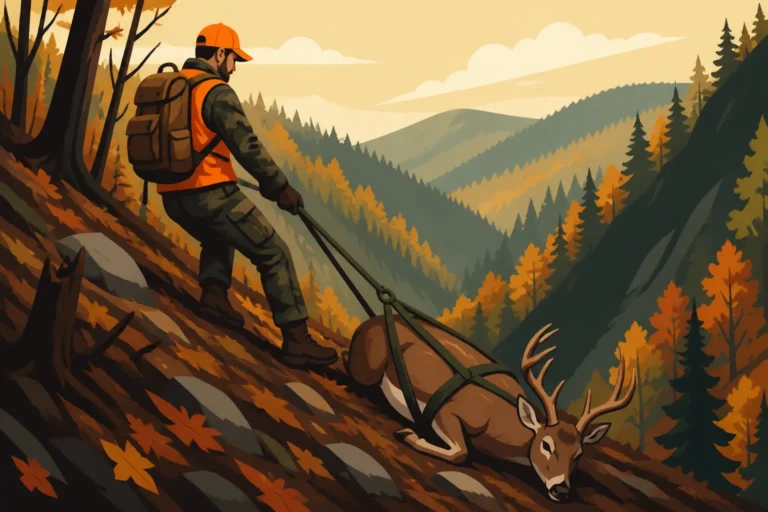
When navigating steep terrain, always prioritize safety. Wear appropriate footwear with excellent ankle support and traction. Trekking poles can be invaluable for maintaining balance and reducing strain on your knees, particularly on descents. Learn to read the terrain in person, not just on a map. A "steep" line on a topo map might be an impassable cliff, or it might be a climbable but arduous slope. Always have a plan for how you will get in and, more importantly, how you will get a deer out. A deer sled or specialized frame pack can be indispensable if you're successful miles back in a hollow. If you're tackling areas like the Allegheny Ridges, understanding Hunting Steep Allegheny Ridges can provide crucial insights into managing the elevation changes.
Remote access often means longer walks, but it can pay huge dividends. Deer in these areas are less accustomed to human scent and noise, leading to more natural movement patterns. Look for old logging roads, gas well access roads, or even faint game trails that lead deep into public land. Be prepared to hike for an hour or more to reach your intended hunting area. The further you're willing to go, the more likely you are to find deer that haven't been heavily pressured. Always carry enough water, snacks, and emergency gear for a longer excursion than planned.
Dealing with Other Hunters and Shared Resources
Hunting West Virginia's public lands, especially during peak season, means you're going to encounter other hunters. This is simply a reality of shared resources. The key to maintaining a positive experience and maximizing your chances is to plan for it and approach it with a respectful, ethical mindset. First, try to identify areas that naturally see less pressure (as discussed in the remote access section). Avoid parking lots that are packed, and consider hunting mid-week when fewer people are out.
Communication, when appropriate, can be beneficial. If you see another hunter's vehicle at a trailhead, consider briefly asking where they plan to head. While you don't need to share your secret spot, a simple "Hey, I'm heading over the ridge to the west, just wanted to let you know" can prevent accidental run-ins. If you encounter another hunter in the woods, offer a friendly greeting but respect their space. Never disrupt another hunter's setup, and always assume the person who got there first has rights to that immediate area.
Ultimately, dealing with shared resources comes down to being a considerate and safe hunter. Wear your blaze orange during firearm seasons, even if you're bowhunting, to ensure maximum visibility. Be mindful of your shot selection, making sure you know what's beyond your target. Remember, there's enough room for everyone, but it requires patience and mutual respect. Adapt your approach, look for the less-traveled paths, and focus on the challenge of the hunt rather than the presence of others.
West Virginia Archery Season Segment Tactics
| Season Segment | Typical Dates (Approx.) | Primary Deer Focus | Recommended Tactics | Key Considerations |
|---|---|---|---|---|
| Early Season | Late Sept. – Mid-Oct. | Consistent food patterns, Summer beds | Scout summer food (soybeans, early mast, water), Stand on travel routes (bed to feed) | Warm weather meat care, Thermals in mountains |
| Mid-Season | Mid-Oct. – Early Nov. | Hard mast, Security cover | Hunt active acorn flats, Focus on funnels/pinch points, Still-hunt thickets | October lull, Hunting pressure, Post-cold front activity |
| The Rut | Early Nov. – Late Nov. | Breeding activity, Searching for does | Hunt travel corridors (saddles, benches, creek bottoms), Aggressive calling/decoying | Peak deer movement, Bucks highly active, Increased hunter numbers |
| Late Season | Dec. – Season Close | Post-rut recovery, Survival food, Thermal cover | Find remaining high-energy food sources, Hunt south-facing slopes, Focus on dense cover | Extreme cold, Depleted food, Heavily pressured deer, Long patient sits |
Disclaimer
Hunting is an inherently dangerous activity. The information provided in this guide is for informational purposes only and should not be considered a substitute for personal research, professional instruction, or adherence to all local, state, and federal hunting regulations. Always prioritize safety, understand and follow all West Virginia hunting laws, obtain the necessary licenses and permits, and hunt ethically and responsibly. Conditions in the field can change rapidly, and hunters should always be prepared for emergencies and exercise sound judgment.