Finding Ground That Sees Fewer Hunters
It's a familiar ache, isn't it? You've spent weeks, maybe even months, poring over maps, scouting remote corners of West Virginia public land, only to arrive on opening morning and find a half-dozen trucks already parked where you planned to slip in. The frustration is real, and it can feel like finding truly unpressured ground in our beautiful Mountain State is an impossible dream. But don't despair! This guide is all about equipping you with the knowledge and tactics to find those hidden gems, the spots where deer behave naturally because they haven't been constantly bumped by human presence.
Understanding Hunting Pressure in West Virginia
Before we can even begin to think about finding unpressured ground, we need to understand why and where hunting pressure occurs. It’s not just a random phenomenon; it follows predictable patterns, and if you can recognize those patterns, you're already halfway to avoiding the crowds. West Virginia offers vast tracts of public land, but much of it gets hit hard, especially during peak seasons.
The Lure of the Accessible: Roads, Trails, and Easy Entry
Let's be honest, we all love an easy walk. After a long week, the idea of a half-mile stroll down a flat logging road to a stand sounds pretty appealing. And that's exactly the problem. Every hunter, myself included, is naturally drawn to the path of least resistance. Access points that are easily reached by vehicle, well-maintained trails, logging roads, and even gentle creek bottoms that offer an easy walk will almost always see higher concentrations of hunters.
Think about the sheer number of vehicles you see parked along forest roads in the Monongahela National Forest, or lining the entrances to popular Wildlife Management Areas (WMAs) like Handley WMA. These spots are popular for a reason – they’re easy to get into. But that ease comes at a cost: heavy pressure. Deer, especially mature deer, learn these patterns incredibly quickly. They learn that the sound of a closing truck door, the crunch of boots on gravel, or the sight of a headlamp bobbing in the pre-dawn dark means danger. They become more nocturnal, move into thicker cover, and avoid these "easy access" zones during daylight hours. This pressure builds, especially during intense periods like Opening Weekend Crowds on West Virginia Public Land and significantly impacts deer movement and behavior.
The "Hot Spot" Myth: Why Well-Known Areas Burn Out
We all hear whispers around the campfire, or see online posts, about a "hot spot" that produced big bucks year after year. Maybe it's a specific bench, a funnel between two hollows, or a particularly rich acorn flat. For a time, these spots can indeed be phenomenal. But herein lies the myth: once a spot gains a reputation, it rarely remains a hot spot for long, at least not in the same way.
As more hunters learn about and target these areas, the pressure escalates. What was once a secret honey hole becomes a public thoroughfare. Deer are either killed, or more often, they simply vacate the area, seeking refuge elsewhere. They might use it at night, or during brief periods of very low pressure, but you'll rarely find consistent daytime movement from mature animals in a truly "burned out" area. It's like finding a pristine fishing hole only to see it overrun with boats the next weekend – the initial magic is quickly gone. The deer here become hyper-vigilant, reacting to the slightest noise or scent, making a successful hunt incredibly challenging for even the most skilled hunter.
Seasonality and Pressure Peaks: When and Where Hunters Congregate
Hunting pressure isn't constant; it ebbs and flows with the calendar and specific season openers. Certain times of year inherently draw more hunters, and understanding these peaks is crucial for finding solitude. Naturally, the opening days of archery, buck gun season, and muzzleloader season are prime examples. Everyone wants to be out there, full of anticipation, and public lands fill up quickly.
Consider West Virginia's Buck Gun Season, especially the first week. Every parking area, every accessible ridge, every logging road will likely see hunter activity. Similarly, the initial weeks of Bowhunting West Virginia's Long Archery Season can draw a crowd, particularly in areas known for good buck potential. Even spring turkey season has its peaks, with the West Virginia Spring Turkey Opening Day seeing numerous gobbler enthusiasts taking to the woods. As the season progresses, pressure often wanes, especially mid-week or during less popular seasons like late muzzleloader or deep into the archery season's December lull. However, deer have already adjusted their patterns based on the initial waves of pressure. The key isn't just knowing when to avoid the crowds, but where the deer go when those crowds hit.
Scouting for Solitude: Tools and Tactics for Unpressured Areas
So, how do you actually find these elusive, low-pressure zones? It takes a combination of modern tools, old-fashioned legwork, and a keen eye for subtle signs. The goal is to identify areas that offer a natural deterrent to the average hunter, making them less appealing and thus, less pressured.
Mapping Your Way to Seclusion: Digital and Topographic Resources
This is where your digital scouting truly shines. Forget simply looking for green patches on a map; you need to dig deeper. Topographic maps, whether paper or digital, are your best friends. Look for areas with extreme elevation changes – steep slopes, deep hollows, and rugged terrain that most hunters will shy away from. Contour lines that are packed tightly together indicate very steep ground.
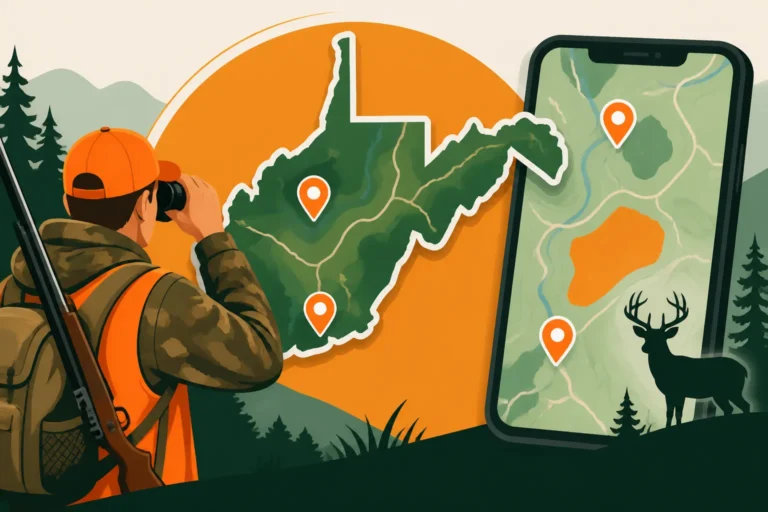
Modern mapping applications are invaluable here. Tools like onX Hunt allow you to toggle different layers, showing public land boundaries, property lines, logging roads, trails, and crucially, topography. Look for spots where public land extends deep, far from any established roads or trails. Identify natural barriers like uncrossable creeks, thick laurel hells, or impassable rocky outcrops that would make access difficult. These are often the places where deer can find sanctuary. Use the app to measure distances from roads. How far are you willing to walk? A mile? Two miles? Three? The farther you are from an easy access point, the less likely you are to encounter other hunters. You can pinpoint specific benches, saddles, or even isolated pockets of food that are a significant distance from any road or obvious trail. Reading Aerial Photos for Eastern Panhandle Deer can also help you identify remote pockets of cover or food sources that are overlooked. For those who want even more detailed topographical analysis or advanced habitat assessment, platforms like GoHunt can offer additional layers and features to identify these prime, less-traveled areas.
Boots on the Ground: Pre-Season Reconnaissance
While digital maps are excellent for identifying potential areas, nothing beats physically putting boots on the ground. You need to verify what those maps are showing you and discover the real-world challenges and opportunities. Plan multiple scouting trips before the season opens, covering different times of the year if possible. During these trips, don't just look for deer sign; actively look for human sign.
Are there old treestands, flagging tape, trimmed shooting lanes, or obvious trails beaten down by foot traffic? If so, move on. Unpressured ground will show minimal to no signs of other hunters. Pay attention to how easy or difficult the terrain truly is. What looks like a short, steep climb on a map might be an absolute scramble in real life, complete with thick briars or a dense rhododendron thicket. These are the "filters" that keep other hunters out, and they are your allies. Walk the ridges, drop into the hollows, and pay close attention to wind and thermals on a steep ridge. The more difficult the access, the more likely the deer are to be unpressured. Scouting West Virginia Public Land Before Season is not just about finding deer, but finding where other hunters aren't.
Reading the Sign: What Unpressured Areas Look Like
Deer sign in unpressured areas looks different. It's not just about seeing rubs and scrapes; it's about the quality and frequency of that sign, and how the deer are using the landscape. In pressured areas, deer tend to move more cautiously, often at night, and their sign might be scattered or concentrated in dense cover. In unpressured zones, you'll see a broader range of daytime activity.
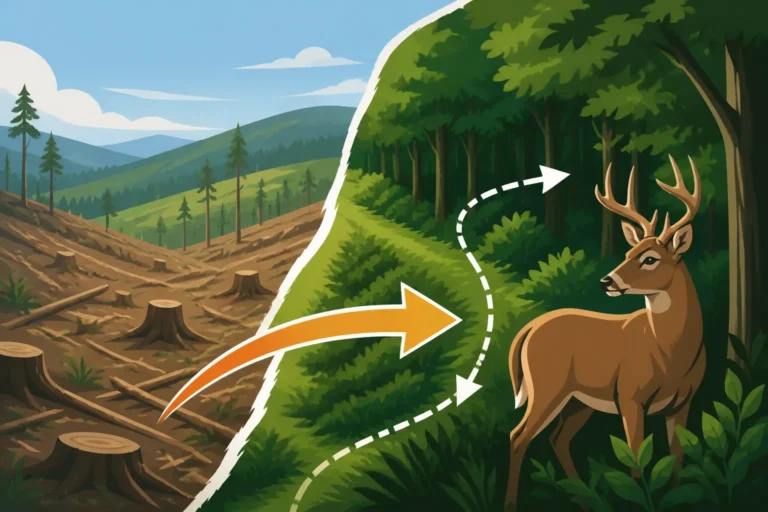
Look for heavily used trails that connect bedding areas to feeding areas, especially trails that show consistent, fresh use over time. You might find larger rubs on bigger trees, indicating older bucks. Scrape lines might be more prevalent and consistently worked. Most importantly, look for natural bedding areas – thickets, brushy points, or benches – that are full of droppings and deer beds, especially those with good escape routes into dense cover. Deer feel safe in these areas, and they will utilize them throughout the day. You might even find deer in more open areas during daylight hours, like browsing along a clear-cut edge or in a small, isolated food plot, because they haven't been taught to fear those locations. Finding Sign in Big Monongahela Timber often reveals these natural patterns of movement.
| Factor | Characteristics in Pressured Areas | Characteristics in Unpressured Areas |
|---|---|---|
| Hunter Sign | Numerous boot tracks, old stands, flagging, trash, visible trails | Minimal to no human sign, undisturbed leaf litter, faint game trails |
| Deer Activity Timing | Primarily nocturnal, movements in dense cover | More daylight movement, visible feeding/bedding activity |
| Deer Sign Quality | Scattered rubs/scrapes, cautious movement evidence | Heavy rub lines, active scrape lines, well-used trails, fresh beds |
| Accessibility | Close to roads, easy trails, flat terrain | Steep, rugged, dense cover, long walks from access points |
| Deer Behavior | Jumpier, more vigilant, quick to flee, hold tight in thickets | More relaxed, curious, may not bolt immediately, feed openly |
| Vocalizations | Fewer deer vocalizations observed | More common deer vocalizations (bleats, grunts) |
Strategies for Hunting Less-Pressured Ground
Finding these untouched pockets is only half the battle. Once you’ve located them, you need to adapt your hunting strategy to make the most of the unique opportunities they present. These areas demand a different approach than hunting heavily pressured deer.
Go Deeper, Go Steeper: Embracing the Challenge
This is perhaps the most fundamental truth about finding unpressured deer: you have to be willing to do what others won't. This often means walking farther and climbing steeper. If you’ve identified a remote ridge line or a deep, secluded hollow three miles from the nearest road, that’s where you need to focus your efforts. Embrace the physical challenge, as that challenge acts as a natural filter, keeping the majority of hunters away.
Invest in good quality gear that can handle the terrain and distance. A comfortable pack, sturdy boots, and trekking poles for steep ridge access are not luxuries but necessities. Learn to navigate rugged terrain efficiently and safely. A "hard to reach" location isn't just about distance; it's about elevation gain, thick underbrush, and negotiating obstacles. When scouting, think about how you’ll get in quietly in the dark, and how you’ll get a deer out if you’re successful. Dragging a Deer Off a Steep Ridge isn't easy, but the reward of an unpressured animal makes it worth the effort. The tougher the access, the better the odds of encountering a less-educated deer.
Utilizing Water and Natural Barriers: Creating Your Own Sanctuaries
Deer naturally seek security, and in areas with less human pressure, they’ll often use natural features as their primary defense. Water sources and impenetrable thickets or rocky bluffs can create natural sanctuaries that are less likely to be disturbed. Look for sections of public land bordered by a major river or a wide, deep creek that most hunters won't cross. Similarly, thick rhododendron or mountain laurel thickets, common in many parts of West Virginia, form impenetrable barriers that deer will use for bedding and escape.
Identify these natural barriers on your maps and during your scouting. Deer will often funnel movement around or through the edges of these barriers. Setting up on the downwind side of a thick laurel patch, or overlooking a travel corridor along a creek bank that most hunters deem too wet or too difficult to cross, can put you in a prime position. These natural features create chokepoints and safe havens where deer can move without constant harassment. Learning to Work a Creek Bottom for Late-Season Deer can be a highly effective tactic, especially when those creek bottoms are difficult to access.
Timing Your Hunts: Capitalizing on Hunter Behavior
Even in otherwise pressured areas, understanding hunter behavior can help you find small windows of opportunity. While the focus here is on finding unpressured ground, sometimes you can create it by timing your visits. Weekdays, especially mid-week, after the initial opening day rush, often see a significant drop in hunter numbers. Many hunters can only manage weekends, so if you have the flexibility to hunt on a Tuesday or Wednesday, you'll immediately encounter less competition.
Furthermore, consider hunting during less popular times of the day. While most hunters are out at first light and last light, deer often move intermittently throughout the midday, especially during the rut or on cold, cloudy days. Many hunters head back to camp or their trucks during these hours, leaving the woods quieter and potentially offering you an advantage. Staying on stand longer, or making a slow, methodical still-hunt through thick cover during midday, can pay off in unpressured areas where deer haven't learned to only move at dawn and dusk. This is especially true for Hunting the Rut in Mid-November, where bucks are actively seeking does throughout the day, often pushing into areas overlooked by other hunters.
Finding ground that sees fewer hunters in West Virginia isn't about magical secrets; it's about diligent preparation, strategic thinking, and a willingness to embrace the challenges that deter others. By understanding how pressure impacts deer, leveraging modern mapping tools, putting in the hard scouting miles, and adapting your hunting tactics, you can uncover those hidden gems and enjoy a more rewarding, solitary experience in the West Virginia woods.
Disclaimer
This article is for general informational purposes only and does not constitute professional advice. Laws, prices and regulations vary by location and change over time. Consult a qualified professional for guidance on your specific situation.