Feral Hogs Across West Virginia
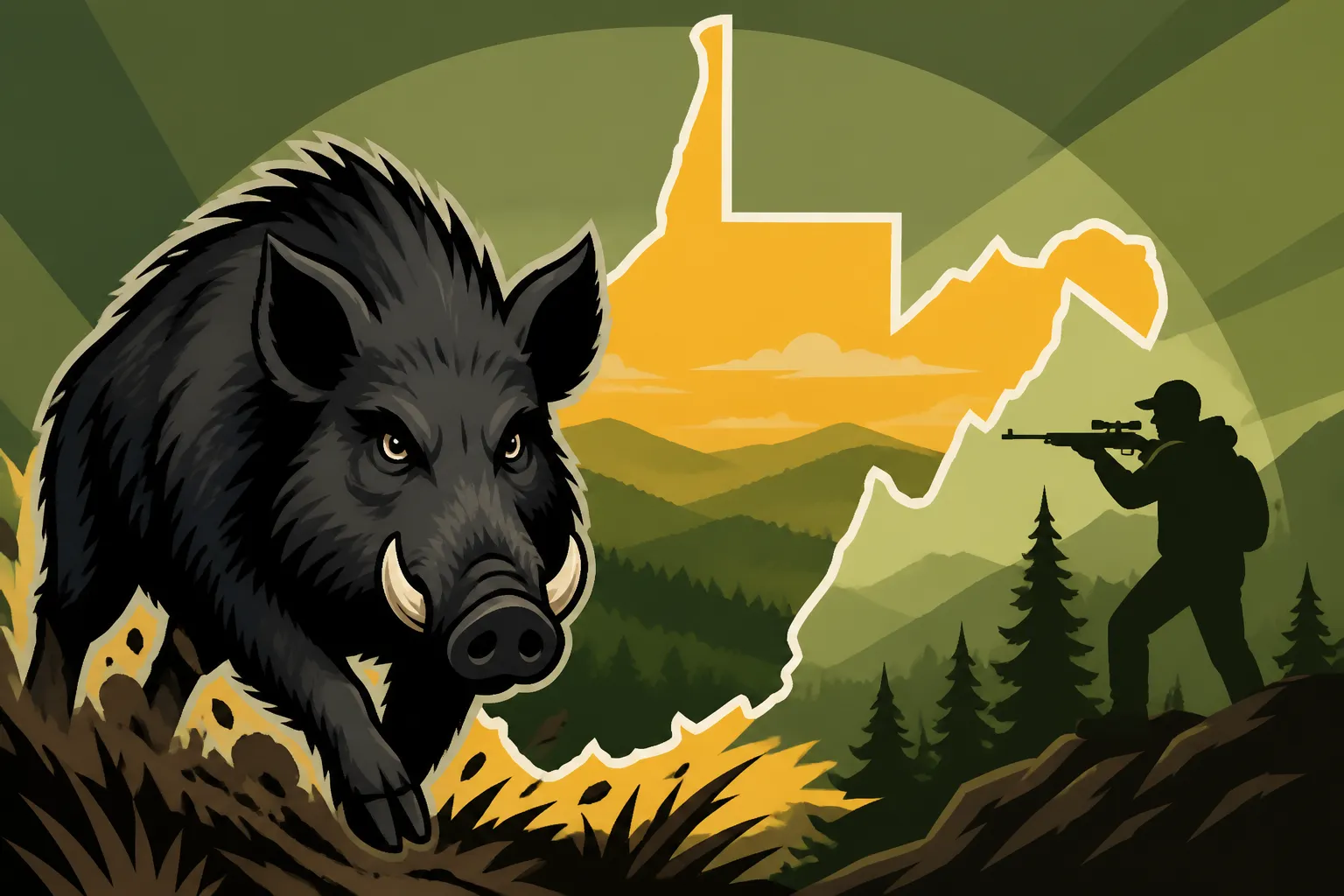
Feral hogs are a growing, unsettling reality for many West Virginia landowners, hunters, and conservationists. These highly destructive, intelligent animals aren't native to our beautiful mountain state, but they've firmly established themselves in certain areas, particularly the southern regions, causing significant headaches and habitat damage. This comprehensive guide is designed to help you understand the challenge these invaders pose, how to identify their presence, and, crucially, how to effectively hunt and manage them in West Virginia.
The Unwelcome Arrival and Spread of Feral Hogs in West Virginia
The presence of feral hogs in West Virginia is a relatively recent phenomenon, and it's one that brings with it a host of ecological and economic concerns. Unlike our native wildlife, these animals are truly invasive, having a severe impact on everything from forest ecosystems to agricultural fields. It’s a frustrating situation because their presence is almost entirely due to human actions, whether intentional releases or escapes from domestic stock.
Understanding Their Origins and Initial Establishment
Feral hogs aren't just wild pigs; they're descendants of domestic pigs that either escaped or were deliberately released into the wild. For centuries, pigs have been raised for food, and in some cultures, hunting them was a popular pastime. When these domestic animals revert to a wild state, they quickly develop the traits needed for survival in the wilderness: tusks, thicker coats, and a cunning, wary nature. In West Virginia, the initial populations likely stemmed from a combination of these factors, often exacerbated by the rugged terrain of our southern counties, which provided perfect cover for them to establish and multiply. It's not like they just wandered in from neighboring states like Virginia or Kentucky, though cross-border movement certainly contributes; many of our earliest issues arose from localized introductions.
Once a small population takes root, these animals reproduce at an alarming rate. A sow can have two litters a year, with each litter containing anywhere from four to twelve piglets. This exponential growth makes them incredibly difficult to control once they've gained a foothold. The problem often starts subtly – a few sightings here, some disturbed ground there – but before you know it, what was once an isolated incident becomes a pervasive issue. The remote, less-populated areas, particularly those with a mix of woodlands and abandoned agricultural lands, offered them ideal conditions for this initial establishment, allowing them to breed undetected for a time.
How They've Migrated and Expanded Their Range
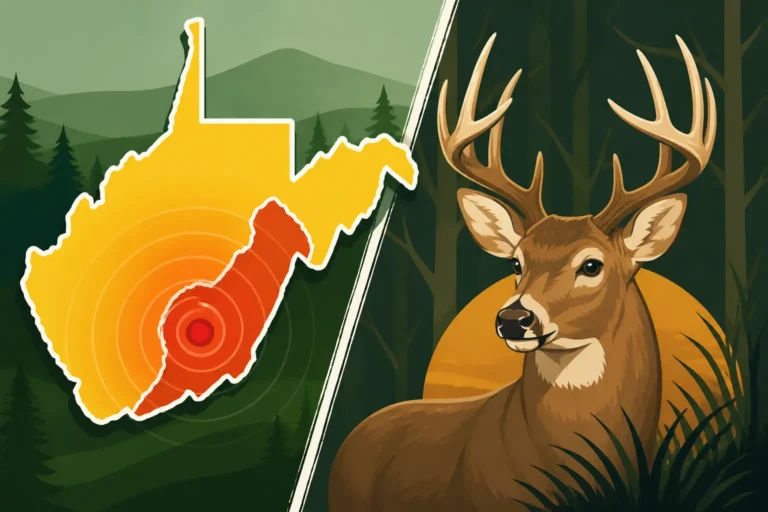
While some populations might have been established through direct human introduction, the natural expansion of feral hog populations is largely driven by their opportunistic nature and their search for food and undisturbed habitat. From initial pockets, often in the deeper reaches of the southern coalfields, these pigs have slowly but surely radiated outwards. They follow river bottoms, creek drainages, and even old logging roads, using these natural corridors to explore new territory.
The spread is not a uniform creep across the map; rather, it often occurs in waves, with new satellite populations appearing in seemingly disconnected areas. This might be due to a group breaking off from a larger sounder, or, unfortunately, due to further illegal introductions. As populations grow, the pressure on food resources increases, compelling some individuals or smaller groups to venture further afield. This is why a county might go from having no known hog presence to suddenly reporting sightings and damage in a relatively short period. The sheer adaptability of these animals, combined with their rapid breeding cycle, means that any suitable habitat, from dense mountain laurel thickets to bottomland hardwoods, can eventually become home to a sounder. Understanding how wild hogs spread across West Virginia is crucial for local wildlife managers and frustrated landowners.
The Devastating Impact of Feral Hogs on West Virginia's Landscape
The problems posed by feral hogs go far beyond being just another animal in the woods. Their presence is an ecological and economic disaster, causing widespread damage to habitats, threatening native species, and costing landowners and farmers considerable sums. Many folks initially underestimate the scale of destruction these animals can inflict until they see it firsthand.
Ecological Destruction and Habitat Degradation
One of the most immediate and visible signs of feral hog activity is their destructive rooting behavior. These pigs use their strong snouts to dig up soil, searching for roots, tubers, insects, and fungi. While a single hog might not cause much noticeable damage, a sounder of ten or twenty can transform a lush forest floor or a pristine meadow into a barren, churned-up wasteland in a single night. This rooting behavior devastates plant communities by uprooting native vegetation, destroying young tree seedlings, and disturbing the delicate balance of the soil. This, in turn, impacts local hydrology, leading to increased erosion, especially on the steep slopes common throughout West Virginia. When the soil is turned over, it becomes much more susceptible to being washed away during heavy rains, leading to sedimentation in our trout streams and other waterways.
Beyond rooting, feral hogs compete directly with native wildlife for food resources. They're omnivores, meaning they'll eat almost anything: acorns, nuts, berries, fungi, insects, small reptiles, eggs, fawns, and even carrion. This puts them in direct competition with our beloved white-tailed deer, black bears, turkeys, and squirrels, especially for critical mast crops like acorns, which are a cornerstone of the West Virginia forest ecosystem. When hogs devour these resources, native animals struggle to find enough to sustain themselves, particularly heading into the harsh winter months. They also disturb nesting birds, destroy ground-nesting turkey and grouse nests, and can even prey on vulnerable fawns, further disrupting the delicate ecological balance that our wildlife has maintained for centuries.
Economic Losses for Farmers and Landowners
The economic toll of feral hogs is equally grim, especially for those who rely on the land for their livelihood. Farmers in areas with established hog populations face significant crop damage hogs cause in West Virginia. Fields of corn, soybeans, and other row crops can be decimated overnight. Hogs will not only eat the crops but also trample and root through large sections, making entire swaths unusable. Imagine spending months tending a field, only to wake up and find it's been turned into a pig-scoured mess, and you'll understand the profound frustration and financial strain this causes. It's not just major cash crops either; vegetable gardens, orchards, and even manicured lawns can suffer extensive, costly damage.
Livestock farmers also face issues. While adult cattle or horses are generally safe, young calves, lambs, or goats can be vulnerable to predation, particularly from larger, more aggressive hogs. Beyond direct predation, hogs can contaminate water sources and introduce diseases to domestic livestock, requiring costly veterinary care or even herd culls. The fences and infrastructure that keep livestock contained are no match for determined feral hogs, which can easily push through, root under, or even jump over barriers, leading to escaped animals and further management nightmares. The cumulative cost of crop loss, livestock protection, fence repair, and habitat restoration quickly adds up, placing a heavy burden on rural communities already facing their own challenges.
Identifying Feral Hog Presence and Behavior
Before you can effectively manage or hunt feral hogs, you first have to confirm their presence and understand their local habits. These animals are incredibly secretive and often nocturnal, making direct sightings rare even when their numbers are high. Knowing what signs to look for is your most powerful scouting tool.
Recognizing Common Hog Signs
The most obvious and unmistakable sign of feral hog activity is their extensive rooting. This looks like someone took a rototiller to the ground, churning up soil, leaf litter, and vegetation. You'll see patches of disturbed earth, sometimes spanning many square yards, with torn-up roots and overturned rocks. These rooting areas are often found along creek bottoms, damp forest floors, field edges, or anywhere they can dig for food. Unlike deer rubs or scrapes, which are typically confined to specific trees or small areas, hog rooting can be widespread and random.
Another common sign is hog wallows. These are muddy depressions, often found near water sources like springs, creeks, or seepages. Hogs love to roll in mud to cool themselves and to coat their bodies, which helps deter parasites. These wallows will typically have deep hoof prints and often show hair rubbed off on nearby trees or stumps, left behind as the hogs scratch themselves. Tracks are also a giveaway: hog tracks look similar to deer tracks but are typically rounder and wider, with the dew claws (the smaller, upper hooves) often visible, especially in soft ground. A mature hog's track can be quite large, showing a broad, splayed appearance. Finally, look for droppings. Hog scat varies widely depending on their diet but often appears tubular or segmented, similar to deer droppings but generally larger and more irregular, sometimes containing bits of vegetation or insect parts.
| Sign Type | Description | Typical Location | Distinction from Other Animals |
|---|---|---|---|
| Rooting | Disturbed, churned-up soil; looks like a rototiller went through. | Moist areas, field edges, forest floors, creek banks | Much more extensive and destructive than deer digging. |
| Wallows | Muddy depressions, often with clear hog tracks and rubbed hair on edges. | Near water sources (springs, creeks, damp areas) | Larger, deeper than deer beds; distinct hog tracks. |
| Tracks | Rounder, wider hoof prints than deer; dew claws often visible. | Soft ground, mud, trails, near water | Deer tracks are more heart-shaped and pointed; dew claws less visible. |
| Rubbing | Mud and hair rubbed on trees, fence posts, or rocks (usually 1-3 feet high). | Near wallows, well-used trails | Distinct from deer rubs (which are typically higher and for antler marking). |
| Scat/Droppings | Varied, irregular, often tubular or segmented; may contain plant/insect bits. | Trails, feeding areas | Larger, more varied than deer pellets; typically less uniform. |
| Trails | Well-worn paths, often through thick brush, low to the ground. | Between bedding, feeding, and water areas | Often lower to the ground, wider than deer trails, with disturbed earth. |
Understanding Their Elusive Habits and Movement Patterns
Feral hogs are masters of concealment. They prefer dense cover, such as thick laurel patches, impenetrable briar thickets, overgrown clear-cuts, or river cane bottoms, especially in the rugged terrain of West Virginia. These areas provide safety from predators (including humans) and shelter from the elements. While they can be active at any time of day, they are often most active during dawn, dusk, and throughout the night, particularly in areas with higher hunting pressure or during warmer weather. This nocturnal behavior makes them incredibly challenging to intercept.
Their movement patterns are often tied to food sources and water. If there's an abundant acorn crop, you'll find them concentrating in oak forests. If a farmer has a cornfield, you can bet they'll be hitting it hard at night. Understanding these feeding patterns is key to predicting their movements. A mapping application like GoHunt can be incredibly useful here. You can use it to pinpoint potential food sources, water, and dense cover areas, then overlay historical hog sightings (if available) or known damage reports to identify high-probability zones. They typically travel in sounders, which are family groups led by an older sow. Larger boars may be solitary or join sounders occasionally. Scouting with game cameras can also be hugely beneficial, helping you identify their travel routes, preferred feeding times, and the size of the sounders in your target area. Remember, consistency in scouting and monitoring is your best friend when dealing with these elusive animals.
Legal Framework and Regulations for Hog Hunting in West Virginia
Before you even think about gearing up to hunt feral hogs, it’s absolutely critical to understand the specific laws and regulations set forth by the West Virginia Division of Natural Resources (WVDNR). West Virginia takes a very proactive stance on hog eradication due to their invasive nature, which translates into some unique and liberal hunting opportunities, but you still have to abide by the law.
West Virginia's Year-Round Hog Rule on Private Land
One of the most significant advantages for West Virginia hunters and landowners dealing with feral hogs is the year-round, unlimited take on private property. This means if you have permission to hunt on private land, you can pursue and harvest feral hogs at any time of year, with no bag limits, and using any legal weapon. This aggressive approach reflects the WVDNR's understanding of the severe threat these animals pose. There's no closed season, no specific time you have to wait, and no daily or seasonal limit on how many you can take. It’s an "open season" approach designed to encourage eradication. This includes options for Night Hunting Hogs With Lights on Private Land, which can be an incredibly effective tactic due to their nocturnal habits.
However, even with these liberal rules, specific regulations must be followed. You must always have the landowner's explicit permission to hunt on private property. "No Trespassing" signs should be respected, and if you’re unsure about property lines, double-check using a mapping tool like GoHunt or plat maps. Additionally, while the WVDNR permits year-round hunting, certain methods might have restrictions or require specific permits, especially concerning artificial lights or specific calibers, even on private land, so always check the latest WVDNR regulations. This flexibility on private land makes it an ideal place to focus your efforts if you have access, as you can deploy various strategies throughout the year without worrying about overlapping hunting seasons for other game.
Public Land Rules and Overlapping Seasons
Hunting feral hogs on West Virginia's public lands is a different ballgame compared to private property. While hogs are still considered an invasive species, the regulations on public land are often tied to the concurrent big game or small game seasons. This means you generally cannot specifically target and pursue feral hogs on public land outside of an open season for another game species, during which you incidentally harvest a hog. For instance, if you're bowhunting for deer in Monongahela National Forest, and a hog walks by, you can legally harvest it, assuming you have the proper licenses and it's within the legal framework of the deer season.
This "opportunistic take" approach on public land means hunters need to be properly licensed for whatever game season is currently open. You must possess a valid hunting license and any required stamps (like a big game stamp, even if you’re primarily after hogs) for the species whose season is open. The key is that you are hunting under the rules of that primary season. So, if it's archery season, you must use archery equipment. If it's gun season, you can use a firearm legal for deer. This can be frustrating for hunters who want to specifically target hogs on public land year-round, but it's the current regulatory compromise to manage both invasive species and traditional game species effectively. Always consult the official West Virginia Feral Hog Regulations for the most current and detailed information before heading out, especially concerning unique public land management areas or specific WMA rules.
Effective Strategies for Hunting Feral Hogs
Hunting feral hogs in West Virginia can be incredibly challenging due to their intelligence, nocturnal habits, and the dense cover they prefer. However, with the right strategies and a good understanding of their behavior, you can increase your odds of success. Remember, persistence is key when dealing with these animals.
Spot-and-Stalk and Ambush Hunting
Spot-and-stalk hunting involves actively moving through known hog areas, attempting to locate them visually or by sound, and then carefully stalking within range for a shot. This method is often most effective during cooler months or early mornings/late evenings when hogs might be more active. You'll need to move slowly, pay close attention to wind direction, and utilize terrain features for cover. Focus on areas with fresh rooting, wallows, or heavy trails between feeding and bedding areas. The rugged terrain and thick vegetation of West Virginia can make true "spot-and-stalk" difficult, often transitioning into more of a still-hunting approach, where you move slowly and deliberately through the woods, stopping frequently to glass and listen. For example, if you're Hunting Steep Allegheny Ridges for deer, you might encounter hogs moving along benches or creek bottoms.
Ambush hunting, on the other hand, involves setting up in a fixed position along a known travel corridor, feeding area, or water source. This could mean sitting in a treestand overlooking a field they've been hitting, or establishing a ground blind near a wallow. This strategy is particularly effective when you've done your scouting and identified predictable hog movement patterns. Setting up early and staying late are crucial, as hogs can appear out of nowhere. Consider the wind carefully, as hogs have an excellent sense of smell. Using a thermacell or other scent-masking techniques can be beneficial. Treestand setups in Monongahela National Forest, for instance, could offer a dual purpose during deer season, giving you an advantage if hogs frequent the area. The dense cover often means shots will be relatively close, so be prepared for quick action.
Hunting with Dogs and Night Hunting
Hunting feral hogs with dogs is a tradition in many parts of the country and can be incredibly effective in West Virginia's dense terrain. This method involves using specially trained dogs to locate, pursue, and bay (hold at bay) hogs, allowing the hunter to approach for a harvest. Dog teams can cover vast amounts of ground and penetrate thickets that would be impossible for a human hunter to navigate quietly. The dogs' scenting ability allows them to track hogs even hours after they've passed through an area. Typically, a combination of "bay dogs" (which keep the hog cornered and barking) and "catch dogs" (which might physically hold a hog once it's bayed) is used, requiring careful coordination and experienced handlers. However, it's vital to know and follow West Virginia Bear Hound Training Rules, as hog dogging rules might share similarities or have specific stipulations.
Night hunting with artificial lights is another highly successful tactic, especially for targeting the often nocturnal hogs on private land. As mentioned earlier, West Virginia's regulations allow for Night Hunting Hogs With Lights on Private Land, which offers a unique advantage. Hogs are generally less wary of lights than they are of human scent or movement. This typically involves using high-powered spotlights, thermal imaging, or night vision equipment to locate and identify hogs after dark. Care must be taken to ensure shot placement and to confirm the target, as darkness can obscure details. Using suppressed firearms can also be a significant advantage, reducing disturbance to neighboring properties and potentially allowing for multiple hogs to be taken from a sounder before they fully disperse. When planning any night hunt, safety is paramount: always know your backdrop and be aware of your surroundings, and never hunt alone.
Trapping Feral Hogs: A Necessary Management Tool
Given the reproductive rate and elusive nature of feral hogs, hunting alone often isn't enough to control or eradicate a population. This is where trapping comes in as an invaluable management tool. Effective trapping requires commitment, strategic placement, and a bit of patience, but it can remove large numbers of hogs efficiently.
Choosing the Right Trapping Equipment
Successful hog trapping often starts with selecting the appropriate equipment. The most common and effective traps are large, sturdy "corral traps" or "panel traps." These are essentially large enclosures, often circular or rectangular, constructed from heavy-gauge hog panels or cattle panels, typically 4-6 feet high. They need to be robust enough to withstand the force of multiple powerful hogs trying to escape. The entry gate is critical: drop gates, rooter gates, or saloon-style gates that only open inwards are common. These gates are usually triggered by a trip wire or a pressure plate system, designed to allow multiple hogs to enter before the gate springs shut, effectively capturing an entire sounder.
For smaller operations or specific situations, box traps or "live traps" (similar to those used for raccoons or coyotes but much larger and sturdier) can be used. These are typically designed to catch one or two hogs at a time. While less efficient for large sounders, they can be useful for scouting purposes or for trapping solitary boars. Regardless of the trap type, quality construction is paramount. Hogs are incredibly strong and intelligent; a flimsy trap will quickly become a bent mess. You’ll also need bait, often shelled corn soaked in a sweet attractant (like Kool-Aid or molasses), or soured grain, which hogs find irresistible. Remember, when you're Trapping West Virginia Feral Hogs, durable and well-designed traps are a non-negotiable investment.
Strategic Placement and Pre-Baiting Techniques
Trap placement is arguably as important as the trap itself. You want to place your trap in an area with clear signs of frequent hog activity: heavy rooting, well-used trails, near water sources, or along field edges where they're feeding. Scouting with trail cameras to confirm hog traffic and identify their travel patterns is highly recommended before setting up. Look for natural funnels or pinch points that guide hogs towards your chosen location. The idea is to make the trap seem like a natural part of their environment.
Pre-baiting is a crucial step that many inexperienced trappers overlook. Instead of setting the trap and hoping for the best, you should "pre-bait" the area outside and inside the unset trap for several days or even weeks. This conditions the hogs to associate the trap area with a reliable food source and helps them overcome any initial wariness. Start by scattering bait on the ground, then gradually move it closer to and then inside the unset trap, propping the gate open so they can freely come and go. Once the hogs are regularly feeding inside the trap with the gate open, and you're confident you've got the entire sounder comfortable, then you set the trigger. This patience pays dividends by ensuring you capture as many animals as possible in a single event, which is essential for effective population control. Monitoring the trap daily, either in person or via cell camera, is also vital to remove captured animals quickly and reset for subsequent trapping efforts.
Safety Concerns and Disease Awareness
While hunting and trapping feral hogs can be an exciting and necessary endeavor, it's not without its risks. These are powerful, unpredictable animals, and they can carry a host of diseases. Being prepared for potential dangers and understanding the health risks is just as important as knowing your hunting tactics.
Handling and Processing Harvested Hogs Safely
After you've successfully harvested a feral hog, safe handling and processing are absolutely critical, both for your well-being and for the quality of the meat. Unlike deer, hogs carry a higher risk of diseases that can be transmitted to humans. Brucellosis and pseudorabies are among the most common, though leptospirosis, E. coli, and salmonella can also be present. While these diseases usually don't survive cooking, direct contact with infected blood or tissues can pose a risk.
Always wear sturdy gloves (latex or nitrile under leather gloves) when field dressing a hog. Avoid touching your face or any open wounds. Use sharp knives and work carefully to minimize splashing blood. If you notice any unusual lesions, abscesses, or discolorations on the organs or meat, it's best to discard the animal or contact the WVDNR for guidance. After field dressing, thoroughly clean your knives, equipment, and hands with soap and hot water, or a bleach solution. When transporting the carcass, ensure it's contained to prevent blood or fluids from contaminating your vehicle. Rapid cooling of the meat is important for food safety, especially during warmer months. Remember that West Virginia Hog Hunting Permit Requirements may include guidelines on disease reporting if unusual signs are observed.
Understanding Disease Risks and Mitigation
Beyond the immediate handling concerns, understanding the broader disease risks associated with feral hogs is vital for anyone involved in their management. Brucellosis, for example, can cause flu-like symptoms, fever, and debilitating arthritis in humans, and can also infect domestic livestock. Pseudorabies, while not typically a human health concern, is highly contagious and lethal to dogs and other livestock. These diseases contribute significantly to the broader issue of Chronic Wasting Disease in West Virginia Deer, as the presence of one invasive species or disease can impact the overall health of native wildlife populations.
To mitigate these risks, always maintain good hygiene practices in the field and during processing. Cook feral hog meat thoroughly to an internal temperature of at least 160°F (71°C) to kill any potential pathogens. Avoid feeding raw hog scraps to pets or livestock. If you have hunting dogs, ensure they are vaccinated and keep a close eye on them for any signs of illness after a hog encounter. While the risk of contracting a serious disease from a feral hog is relatively low with proper precautions, it’s not zero, and awareness is your best defense. The WVDNR provides valuable resources and updates on wildlife diseases, so checking their website regularly is a good practice for any hunter or trapper.
The Future of Feral Hog Management in West Virginia
Feral hogs are here to stay, at least for the foreseeable future. The challenge for West Virginia isn't just about reducing their numbers; it's about continuously adapting our management strategies and educating the public to minimize their negative impacts on our state's natural resources and agricultural economy. This is a marathon, not a sprint.
Continued Public Education and Collaboration
One of the most powerful tools in combating feral hogs is public education. Many West Virginians, especially those outside the primary hog-affected regions, may not fully grasp the severity of the problem or how they might inadvertently contribute to it. Educating landowners, hunters, and the general public about the origins of feral hogs, their destructive potential, and the liberal hunting regulations can empower more people to get involved. This includes emphasizing the illegality and irresponsibility of intentionally releasing hogs for hunting purposes, which remains a significant source of new populations. Collaboration between the WVDNR, local agricultural extension offices, hunting organizations, and landowners is essential. This could involve workshops on trapping techniques, information campaigns on disease prevention, and establishing channels for reporting sightings or damage. The more eyes and hands we have working together, the better our chances of containing and reducing these populations.
Furthermore, integrating advanced technologies into public education and outreach efforts can make a significant difference. Using tools like the WVDNR App for reporting sightings, or referencing resources from services like GoHunt for identifying potential hog habitats, can help centralize information and coordinate efforts. Sharing success stories from trapping programs or effective hunting initiatives can also inspire more participation. It's about fostering a community-wide understanding that this isn't just a "wild pig" problem; it's a threat to our environment and livelihoods that requires a unified front.
The Role of Research and Adaptive Management
Effective management of any invasive species relies heavily on ongoing research and an adaptive management approach. This means continuously studying feral hog populations – their genetics, movement patterns, reproductive rates, and disease prevalence – to understand how best to counter them. Researchers might use GPS collars to track hog movements, helping identify core habitat areas and migration corridors. Studies on bait preferences, trap efficacy, and the impacts of various hunting methods can inform future management decisions. This scientific understanding allows the WVDNR to refine its strategies, allocate resources effectively, and implement policies that are based on the latest data.
Adaptive management means that as new information becomes available, management plans can be adjusted. If a new population is discovered in an unexpected area, resources can be rapidly deployed to contain it before it spreads. If a particular trapping method proves ineffective, alternatives can be explored. This flexible, science-driven approach is critical because feral hogs are incredibly adaptable themselves. They quickly learn to avoid traps, become wary of human presence, and adjust their behavior in response to pressure. Therefore, our management strategies must be equally dynamic, evolving to stay one step ahead of these intelligent invaders. The future success in managing Feral Hogs Across West Virginia will depend on this ongoing commitment to research, adaptation, and sustained effort from all stakeholders.
Disclaimer
Please remember that hunting regulations and wildlife management practices can change. Always consult the most current West Virginia Division of Natural Resources (WVDNR) regulations and guidelines before planning any hunting or trapping activities. Safety should always be your top priority in the field.