West Virginia Carcass Movement Restrictions
There’s nothing quite like the thrill of a successful hunt in West Virginia, but that triumphant feeling can quickly turn to anxiety when you start thinking about the rules and regulations that govern how you handle your hard-earned harvest. Many of us worry about accidentally breaking a law, especially when it comes to something as serious and often confusing as chronic wasting disease (CWD) and its associated carcass movement restrictions. This comprehensive guide is here to untangle those complexities, ensuring you understand exactly what you need to do to stay compliant and help protect our state’s deer herd.
Understanding Chronic Wasting Disease in West Virginia
Chronic Wasting Disease, or CWD, is a topic that can make any West Virginia hunter's stomach drop. It’s a serious neurological disease that affects cervids—deer, elk, and moose—and is always fatal. Unlike many diseases, CWD isn't caused by a bacteria or a virus in the traditional sense; instead, it's caused by abnormal proteins called prions, which slowly damage the animal's brain and nervous system over an extended period. The frightening part is that these prions are incredibly resilient and can persist in the environment for years, making them a significant challenge for wildlife management.
What CWD Is and How It Spreads
CWD slowly deteriorates an infected animal's brain, leading to characteristic symptoms like drastic weight loss (wasting), stumbling, listlessness, and other neurological signs. Infected deer often appear lethargic, may carry their head and ears lowered, and can exhibit excessive salivation and increased thirst. It’s a devastating sight, and once an animal shows clinical signs, it’s usually in the late stages of the disease. The prions are shed by infected animals through saliva, urine, and feces, contaminating the soil, plants, and water sources. This means that even after an infected animal is gone, the environment remains a potential source of infection for other deer. Direct contact between animals, especially during rutting or feeding, also plays a significant role in its transmission.
The primary concern for hunters is that an animal can be infected and contagious for a long time—sometimes over a year—before showing any outward symptoms. This "incubation period" is why early detection and strict management protocols are so critical. You could harvest a seemingly healthy deer that is, in fact, CWD positive, and unknowingly contribute to the spread if you don't follow proper handling and disposal procedures. For a deeper dive into the disease itself, consider checking out our guide on Chronic Wasting Disease in West Virginia Deer.
West Virginia's Proactive Approach to CWD Management
West Virginia has been battling CWD since it was first detected in a deer harvested in Hampshire County in 2016. Since then, the West Virginia Division of Natural Resources (WVDNR) has taken a proactive and serious stance on managing its spread. They understand that the hunting community is crucial in this fight, and the regulations, while sometimes inconvenient, are designed to protect the very resource we cherish. The WVDNR's strategy involves extensive monitoring, mandatory testing in certain areas, and, most importantly for us hunters, strict carcass movement restrictions. These measures are not just bureaucratic hurdles; they are vital tools to minimize the geographical spread of these resilient prions, especially from high-prevalence areas to regions where the disease is not yet established.
This commitment to disease management highlights the shared responsibility between hunters and wildlife agencies. Every hunter's compliance with these rules directly contributes to the health and longevity of West Virginia’s deer population. Neglecting these regulations could have long-term, detrimental effects on our hunting heritage.
The Why Behind Carcass Movement Restrictions
It's natural to feel frustrated when told what you can and can't do with your deer after a successful hunt. After all, you put in the hard work, made the shot, and now you just want to get your venison home. But these carcass movement restrictions aren't arbitrary; they are deeply rooted in scientific understanding of CWD transmission and are arguably one of the most effective tools we have to prevent its further spread across the state. The goal is to isolate the prions in areas where the disease is already present, preventing them from being transported to new, currently unaffected regions.
Protecting Healthy Deer Herds
The primary "why" behind these restrictions is simple: to protect West Virginia's healthy deer herds. Imagine you harvest a CWD-positive deer in a known containment area. If you then transport the entire carcass, including the brain, spinal cord, and lymphoid tissues (which hold the highest concentrations of prions), to another county outside that zone, you run the risk of inadvertently contaminating new ground. Bones and other parts can contain smaller amounts of prions, and their disposal can still introduce the disease into a new environment. This is particularly problematic if those parts are disposed of improperly in landfills that aren't equipped to contain such infectious agents, or worse, if they are dumped in the woods.
The WVDNR has identified specific counties as a CWD Containment Area due to confirmed cases. The regulations are designed to prevent the physical movement of potentially infected tissues out of these zones. By restricting the movement of certain carcass parts, we drastically reduce the chance of a hunter unknowingly becoming a vector for the disease. It's a preventive measure that relies on every hunter's cooperation. If you're wondering which counties are currently affected, our article on West Virginia's Chronic Wasting Disease Counties provides an up-to-date look at the designated areas.
Minimizing the Risk of Spread and Contamination
Minimizing the risk of CWD spreading to new areas is paramount. The prions are incredibly durable; they can withstand freezing, drying, and even some disinfectants. This makes environmental contamination a long-term problem. If CWD prions establish themselves in a new area, it becomes incredibly difficult, if not impossible, to eradicate them. The restrictions focus on the parts of the animal most likely to harbor these prions in high concentrations: the brain, spinal cord, eyes, spleen, and lymph nodes. These are the neurological and lymphatic tissues where the disease agents accumulate most readily.
By requiring hunters to remove these high-risk components within the CWD Containment Area, or to debone the entire carcass before leaving the zone, the WVDNR significantly lowers the chance of introducing CWD into unaffected areas. It’s a collective effort, where the actions of each individual hunter have a direct impact on the broader health of our deer population and the future of hunting in West Virginia. This careful, targeted approach is about ensuring that future generations can enjoy the same rich hunting traditions we do today, free from the pervasive threat of CWD.
Navigating West Virginia's CWD Containment Area Rules
Hunting within or near West Virginia's CWD Containment Area means you have an extra layer of responsibility. These aren't just suggestions; they are legally binding regulations put in place to safeguard the entire state's cervid population. It can feel like a lot to keep track of, especially if you're hunting public land that might straddle a CWD zone boundary. But understanding these rules is crucial, and with a bit of planning, they become much easier to manage.
Identifying the Current CWD Containment Area
The CWD Containment Area in West Virginia currently includes all of Hampshire, Hardy, and Berkeley counties, along with portions of Mineral and Morgan counties. The boundaries are clearly defined by the WVDNR, and it's your responsibility as a hunter to know if your hunting spot falls within these zones. This information is readily available on the WVDNR website, and many popular mapping apps, including tools like GoHunt, often have layers or features that can help you visualize these boundaries. Before you even head out, a quick check can save you a lot of headache later.
Hunting within these zones means operating under a specific set of rules regarding carcass handling. It's not just about what you harvest, but where you harvest it. For instance, if you take a deer just inside the Hampshire County line, those CWD regulations apply, even if you live in a county outside the containment area. This precision is why using a reliable mapping resource is so important. When you're scouting, a mapping tool like GoHunt can show you exactly where the CWD lines are, helping you plan your hunt and understand the regulations before you pull the trigger. Our guide on How West Virginia's CWD Containment Area Works offers more detail on these specific geographic boundaries and their implications.
Mandatory CWD Testing for Harvested Deer
One of the most critical components of hunting within the CWD Containment Area is the mandatory testing requirement for harvested deer. Hunters who harvest a deer within the CWD Management Area are required to submit the head (with at least 4 inches of neck still attached) for CWD testing. This isn't optional; it's a legal requirement designed to monitor the prevalence and spread of the disease. The WVDNR provides specific CWD sampling stations, typically at designated check stations, taxidermists, and meat processors within or near the containment area. You’ll need to leave the head at one of these locations within 72 hours of harvest.
This testing provides vital data to wildlife biologists, helping them understand the disease's progression and adapt management strategies accordingly. It’s a bit of extra work, yes, but it’s a direct contribution to the health of our deer herd. For specific details on this process and where to find testing locations, refer to our article on Mandatory Testing Inside the CWD Containment Area. Remember to get your deer checked and reported properly as well, as outlined in the West Virginia Deer Reporting Requirements. Once you've made a harvest, consulting resources like GoHunt's detailed maps can help you ensure you're aware of any boundary lines and locate the nearest official CWD sampling station if you're within the designated zone.
Specific Carcass Parts You Can and Cannot Move
This is often where the confusion really sets in for hunters. You’ve got a deer down, you’re excited, and now you have to meticulously think about which parts can go where. It’s a learning curve for sure, but once you understand the logic behind it – targeting the highest-risk tissues – it becomes much clearer. The WVDNR's goal is to allow hunters to take home their meat while minimizing the movement of materials likely to contain CWD prions.
Legal Versus Restricted Carcass Components
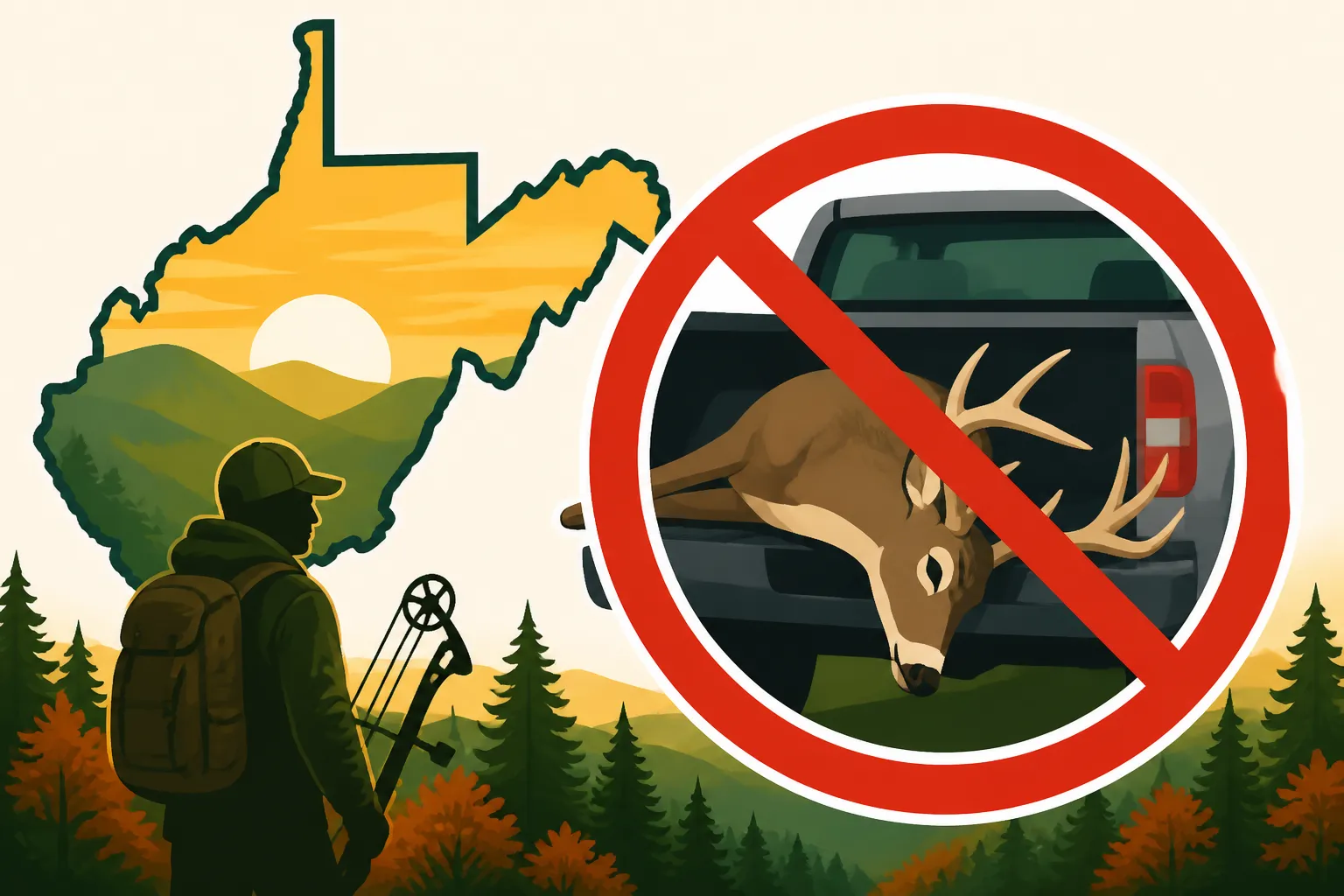
When you harvest a deer within West Virginia's CWD Containment Area, specific rules dictate what parts of the carcass can be transported out of that area. The general rule of thumb is that high-risk parts, those most likely to harbor CWD prions, must stay within the containment zone. This includes:
- Brain and spinal cord: These are considered the highest risk.
- Eyes: Part of the central nervous system.
- Spleen and lymph nodes: Key components of the lymphatic system where prions accumulate.
- Whole head: Unless it's being transported directly to a certified CWD sampling station or a licensed taxidermist within the containment area.
Conversely, certain parts are generally considered safe to transport out of the CWD Management Area:
- Deboned meat: This means only the muscle tissue, with all bones and other restricted materials removed.
- Clean skull plate: If all brain and nervous tissue has been removed, a skull plate with antlers attached can be transported.
- Clean antlers: Shed antlers or antlers detached from a cleaned skull are safe.
- Hides/capes: With no brain or lymph tissue attached.
- Finished taxidermy mounts: Once fully processed, these are considered safe.
The key takeaway is that if you want to take your harvest out of the containment zone, you need to ensure it's primarily deboned meat, with all high-risk parts removed and properly disposed of within the CWD area. You can find more specific guidelines on the WVDNR's website. If you are having your deer processed, make sure your processor is aware of the CWD regulations and equipped to handle the disposal of restricted materials, or is located within the containment area itself. For further clarification on CWD testing, our guide on West Virginia CWD Testing for Hunters provides additional useful information.
Exceptions for Commercial Processors and Taxidermists
Recognizing the logistical challenges for hunters, West Virginia's CWD regulations do account for commercial processors and taxidermists. If you're hunting within the CWD Containment Area, you can transport an entire deer carcass to a licensed meat processor or taxidermist, provided that establishment is also located within the CWD Containment Area. This allows hunters to take their deer to a professional without having to perform the extensive field dressing and deboning themselves, as long as the entire process—including disposal of restricted parts—occurs within the designated zone.
However, if your preferred processor or taxidermist is outside the CWD Containment Area, then you must perform the deboning and removal of restricted parts before leaving the CWD zone. It’s a critical distinction to remember. Always call ahead to your chosen processor or taxidermist to confirm their CWD protocols and location relative to the containment area. They are usually well-versed in these rules and can offer guidance. This ensures that the high-risk materials never cross the containment boundary, preserving the integrity of the state's disease management efforts.
Preparing Your Harvest for Transport Out of the CWD Zone
Successfully harvesting a deer in the CWD zone requires a bit more planning for your exit strategy. The last thing you want is to be pulled over or arrive at your destination only to realize you haven't properly prepared your animal for transport. Taking the time to do it right in the field is a small price to pay for compliance and peace of mind.
Field Dressing and Deboning Essentials
If you plan to transport your deer out of the CWD Containment Area, field dressing and deboning are absolutely essential. This means you’ll need to be prepared to break down your animal in the field or at a designated site within the CWD zone.
- Field Dressing: This is the first step, removing all internal organs. While the internal organs generally have lower prion concentrations than nervous tissue, proper disposal is still crucial. Ensure they are left at the kill site or disposed of in a licensed landfill within the CWD zone.
- Deboning: This is the critical step. You'll need to separate all muscle tissue from the bone. This includes removing the spine, ribs, and leg bones. Take special care to avoid puncturing the brain or spinal cord during this process. Many hunters choose the "gutless method" to debone deer in the field, as it allows you to remove the prime cuts of meat without having to physically gut the animal and then drag the entire carcass.
- Removing High-Risk Tissues: Beyond the bones, be meticulous about removing other specified high-risk tissues, such as the brain, eyes, spleen, and any visible lymph nodes. The head (unless going to a CWD check station) must also be left behind or disposed of properly within the CWD zone.
This might sound like a lot, especially if you're not used to deboning in the field, but practice makes perfect. Watch some videos, or even better, talk to experienced hunters who regularly debone their deer. Having a sharp knife, a game bag, and a sturdy pack is indispensable for this process. Remember, the goal is to remove all high-risk materials before crossing out of the containment zone.
Approved Transport Methods and Disposal
Once you've meticulously deboned your deer and removed all restricted parts, the remaining meat, cleaned skull plate, or antlers are generally approved for transport out of the CWD Containment Area. However, how you dispose of the restricted parts is just as important as removing them.
- Disposal in the CWD Zone: All restricted carcass parts (skeletal remains, brain, spinal column, spleen, eyes, lymph nodes) must be disposed of within the CWD Containment Area. This typically means at the kill site, buried deeply enough to prevent scavenging, or by placing them in a designated CWD collection barrel if available, or in a licensed landfill located within the CWD zone. Never just dump these parts indiscriminately on the side of a road or in a random patch of woods, as this directly contributes to the environmental spread of prions.
- Packing for Transport: The deboned meat should be placed in clean game bags or coolers. Ensure there's no cross-contamination with any restricted materials. The cleaned skull plate and antlers should also be free of any brain tissue or other high-risk elements.
- Documentation: While not always strictly required for deboned meat, it's always a good idea to keep your hunting license and harvest tag with you, especially if you're transporting across state lines or through different counties. This documentation proves you legally harvested the animal.
Remember, the WVDNR's CWD management isn't just about deer; it's about the entire ecosystem. Responsible transport and disposal are cornerstones of preventing further spread. For advice on handling the meat itself after these steps, our guide on Handling Venison From a CWD Containment Area offers valuable insights.
Other Game Species and Hunter Responsibility
While deer are the primary focus of CWD regulations, hunters also play a vital role in general wildlife disease monitoring across all species. Our shared passion for the outdoors means we have a collective responsibility to keep an eye on the health of West Virginia’s wildlife, not just the deer herd. Recognizing unusual behavior or signs of illness in any animal can be crucial for early detection and response to potential outbreaks.
Considerations Beyond Deer
Currently, West Virginia's carcass movement restrictions are specific to deer due to CWD. However, it's important to remember that other wildlife can carry various diseases, some of which can be transmitted to humans or domestic animals. While there aren't the same widespread carcass restrictions for other game like turkeys, bears, or small game, responsible handling and disposal practices are still paramount. Always field dress your animals properly, and dispose of carcasses in a way that doesn't attract scavengers or create unsanitary conditions.
For instance, although relatively rare, diseases like tularemia or rabies can affect small game. If you observe any animal behaving unusually—like a squirrel that seems sluggish or overly friendly, or a raccoon acting aggressively—it’s best to avoid harvesting it and report your sighting. The general principle of caution and cleanliness extends to all your hunting endeavors, regardless of the species.
The Broader Role of Hunter Responsibility in Disease Prevention
Hunters are often the first line of defense when it comes to detecting wildlife diseases. Because we spend so much time in the woods, we're uniquely positioned to observe changes in animal populations or notice signs of illness. If you ever encounter a sick or dead animal in an unusual location, or if you harvest an animal that appears emaciated, has lesions, or exhibits any other abnormal characteristics, it's crucial to report it to the West Virginia Division of Natural Resources.
Your observation, no matter how small it seems, contributes to the state’s broader West Virginia Wildlife Disease Monitoring efforts. This isn't just about CWD; it's about being good stewards of all our natural resources. A tool like GoHunt or other detailed mapping apps can even help you pinpoint the exact location for reporting purposes, providing valuable data to wildlife officials. Being a responsible hunter means more than just following the rules; it means actively participating in the conservation and health of our state’s incredible wildlife heritage. Every report helps biologists track potential outbreaks, understand disease dynamics, and protect both wildlife and public health.
| Carcass Part | Can Be Transported Out of CWD Zone (if harvested in CWD zone) | Must Remain in CWD Zone or Be Specially Handled | Notes |
|---|---|---|---|
| Deboned meat (muscle tissue only) | Yes | No | Must be completely free of bone, brain, spinal cord, and other high-risk tissues. |
| Antlers (shed or detached) | Yes | No | Must be clean and free of any tissue. |
| Clean skull plate (with antlers) | Yes | No | All brain and nervous tissue must be completely removed. |
| Hides/Capes | Yes | No | Must be free of head and spinal cord tissue. |
| Finished taxidermy mounts | Yes | No | Once fully processed. |
| Whole carcass | No | Yes | Unless transported directly to a licensed processor or taxidermist within the CWD Containment Area for complete processing and disposal of restricted parts there. |
| Brain, spinal cord, eyes | No | Yes | Highest risk tissues; must be left at kill site or disposed of in licensed landfill/collection barrel within CWD zone. |
| Spleen and lymph nodes | No | Yes | Lymphatic tissues where prions accumulate; must be left at kill site or disposed of in licensed landfill/collection barrel within CWD zone. |
| Whole head (excluding clean skull plate) | No | Yes | Unless transported to an official CWD sampling station within the CWD Containment Area for testing, or to a licensed taxidermist within the CWD Containment Area. |
| Bones (other than clean skull plate/antlers) | No | Yes | Such as leg bones, rib cage, etc., should remain in the CWD zone for disposal. |
Disclaimer
Please remember that hunting regulations, including those related to Chronic Wasting Disease and carcass movement, can change. While this guide provides the most current information available, it is always the hunter's responsibility to consult the latest official West Virginia Hunting and Trapping Regulations summary or the West Virginia Division of Natural Resources (WVDNR) website before heading afield. Following these guidelines helps ensure compliance and contributes to the health of our wildlife.