The West Virginia Class X Combo License
Navigating the world of hunting and fishing licenses in West Virginia can sometimes feel like trying to track a mature buck through a laurel thicket – confusing, dense, and requiring a good map. Many outdoor enthusiasts find themselves juggling multiple permits, stamps, and regulations, often wondering if there’s an easier way to ensure they’re fully legal for all their pursuits. This comprehensive guide is here to demystify one of the most popular and convenient options for West Virginia residents: the Class X Combo License, breaking down exactly what it covers, who it's for, and how to make the most of it.
What Exactly is the West Virginia Class X Combo License?
For many residents who embrace the full spectrum of West Virginia's outdoor offerings, the Class X Combo License is a true game-changer. It consolidates several essential hunting and fishing privileges into one convenient package, cutting through the red tape and simplifying the process.
More Than Just a Basic Hunting License
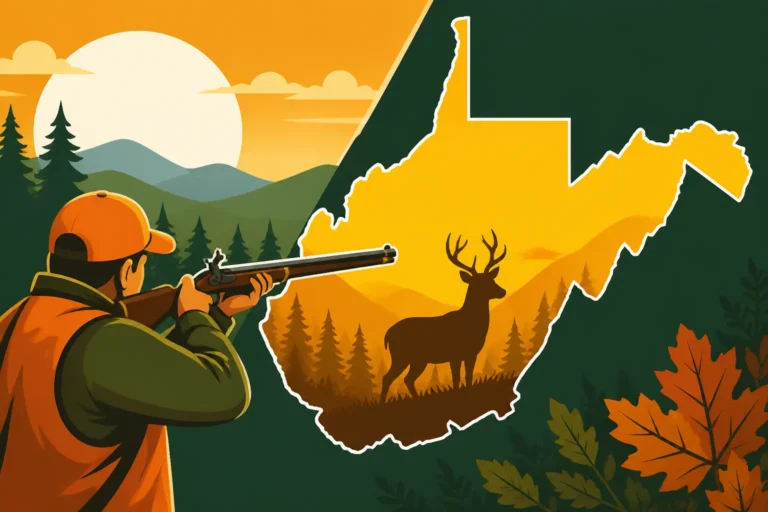
Imagine not having to worry about whether you remembered to grab your deer stamp and your bear stamp before heading into the mountains. That's the core appeal of the Class X Combo. It’s designed to be a one-stop shop for the avid sportsman or woman, encompassing general hunting, fishing, and most importantly, the vital big game stamps that are typically purchased separately. This means that with a single purchase, you gain the authorization to pursue everything from small game in the lowlands to trophy whitetails in the Allegheny Highlands, and even black bears in their mountain strongholds, all while being able to drop a line in any of the state's incredible waterways.
Traditionally, a hunter might purchase a Class A basic hunting license, then add a Class RG deer stamp, a Class RM bear stamp, and a Class RT turkey stamp. If they also enjoyed fishing, they'd need a Class B fishing license. The Class X bundles all of these specific stamps and licenses into a single, unified permit, offering incredible convenience. It's truly designed for those who want to experience all that West Virginia has to offer, without the headache of multiple individual purchases. It's about getting you into the field or on the water with minimal fuss, ensuring you’re compliant for a wide range of activities.
Who is Eligible for the Class X Combo?
The Class X Combo License is specifically tailored for residents of West Virginia. To qualify, you must meet the state's residency requirements, which generally mean living in the state for at least 30 consecutive days prior to applying, and not claiming residency in another state for hunting, fishing, or voting purposes. This ensures that the benefits of this comprehensive package are directed towards those who call the Mountain State home.
Age also plays a role in eligibility. While there isn't a strict upper age limit, specific provisions exist for youth and seniors. For younger hunters, the West Virginia Mentored Youth Hunting Rules allow them to hunt under the supervision of a licensed adult, and specific youth licenses might precede the need for a full Class X. For those seasoned hunters who are 65 and older, there are often discounted or lifetime license options that might offer similar or even greater long-term value than the annual Class X, though the Class X remains available if preferred. Additionally, all applicants must meet the hunter education requirements unless they are exempt (e.g., born before January 1, 1975). If you’re a newer hunter, completing your hunter education course is a critical first step before you can legally purchase and use a Class X Combo or any other hunting license in West Virginia.
Unpacking the Value: What's Included and What's Not?
The true value of the Class X Combo License lies in its comprehensive nature, offering a broad spectrum of permissions that cover most recreational hunting and fishing activities in West Virginia. However, like any integrated package, it’s important to understand its exact scope – what it covers, and what might still require an additional purchase.
The Core Hunting and Fishing Privileges
At its heart, the Class X Combo provides unrestricted access to general hunting and fishing opportunities throughout West Virginia, assuming all other regulations (such as season dates and bag limits) are followed. For hunting, this means you’re covered for small game like squirrels, rabbits, grouse, and raccoons, as well as unprotected species like coyotes and feral hogs. Whether you’re Squirrel and Small Game Hunting in West Virginia in the bottomland hardwoods or pursuing predators in the farm country, the Class X has you covered on the hunting side. This also includes the year-round ability to pursue feral hogs on private land, which is a growing concern and opportunity in some parts of the state.
On the fishing front, the Class X includes your basic fishing license. This grants you the right to angle in all public waters, from the mighty Ohio River to the small mountain streams stocked with trout. It covers both warmwater species like bass and catfish, and coldwater species like trout (though a daily trout stamp might be needed if you're keeping trout, depending on specific regulations, always check the current rules). For those who enjoy a day on the river or casting a line in a quiet lake, this component of the Class X ensures you're good to go for virtually any type of recreational fishing, giving you the flexibility to chase whatever bites.
Essential Big Game Stamps Rolled In
Perhaps the most significant benefit of the Class X Combo for hunters is the inclusion of the resident deer, bear, and turkey stamps. These are usually separate purchases, and their integration into one license simplifies planning for big game seasons. For deer hunting, the Class X covers your antlered deer tags, as well as antlerless deer in counties where and when they are permitted. This means you can participate in West Virginia Deer Season Structure Explained, including archery, buck gun, and muzzleloader seasons, without needing to buy extra deer tags.
For bear hunting, the included bear stamp allows you to participate in West Virginia's Liberal Bear Season Rules, covering both the archery/muzzleloader and firearms seasons. This is particularly valuable given the growing black bear population and the increasing opportunities across the state. Similarly, the turkey stamp grants you the ability to hunt during both the spring gobbler season and the fall turkey seasons, allowing you to chase spring birds echoing across the hollers or break up a flock in autumn. This bundled approach not only saves money for many hunters but also eliminates the anxiety of forgetting a crucial stamp before a big trip.
Important Exclusions and Additional Permits
While the Class X Combo is incredibly comprehensive, it doesn't cover absolutely everything. There are a few specialized permits and licenses that you'll still need to acquire separately, depending on your specific outdoor pursuits. For migratory bird hunters, the federal duck stamp and the state's Harvest Information Program (HIP) certification are mandatory. These federal requirements are standard across the country and are not covered by any state-level combo license. So, if you're planning on waterfowl hunting or pursuing doves, remember to pick those up.
Additionally, the Class X does not include a trapping license. If you intend to trap furbearers, you'll need to purchase a separate Class EE trapping license. Special lottery-based quota hunts, such as those for elk in the Tomblin Wildlife Management Area or specific WMA deer hunts, also require separate applications and draw success; your Class X Combo only qualifies you to apply, not to hunt without the specific quota permit. While the Class X grants access to general hunting on West Virginia Wildlife Management Areas and Monongahela National Forest Hunting, some specific state parks or private land leased by the state might have unique access rules or require specific sign-ins that are separate from your general license. Always check the local rules for any area you plan to hunt or fish.
The Cost-Benefit Analysis: Is the Class X Combo Right for You?
Deciding whether the Class X Combo License is the best option for you boils down to a personal cost-benefit analysis. It's not just about the upfront price; it's about evaluating your typical hunting and fishing activities, and the convenience factor of having everything bundled.
Comparing the Class X Combo to Individual Purchases
Let’s lay out the typical costs for West Virginia residents to get a clearer picture. While exact prices can fluctuate slightly with regulatory updates, the general structure remains consistent.
Table: Class X Combo vs. Individual License Costs (Approximate Resident Prices)
| License/Stamp | Individual Cost (Approx.) | Included in Class X? |
|---|---|---|
| Class A (Hunting) | $19.00 | Yes |
| Class B (Fishing) | $23.00 | Yes |
| Class RG (Deer Stamp) | $23.00 | Yes |
| Class RT (Turkey Stamp) | $16.00 | Yes |
| Class RM (Bear Stamp) | $16.00 | Yes |
| Total Individual Cost | $97.00 | N/A |
| Class X Combo License | $35.00 | N/A |
Note: These are approximate costs for resident annual licenses and stamps. Please refer to the official West Virginia DNR website or license agents for the most current pricing.
As you can see from the table, for a hunter who participates in deer, bear, and turkey seasons, and enjoys fishing, the Class X Combo offers a significant financial saving compared to buying each component separately. For example, if you're a multi-species enthusiast who chases whitetails during Hunting the West Virginia Rut in November, calls in a gobbler in the spring, and spends your summers bass fishing, the Class X is an undeniable value. You’d save over $60 annually by opting for the combo.
However, consider a different scenario: if you only fish and never hunt, or if you only hunt small game and have no interest in big game, then the Class X might be overkill. In that case, simply purchasing a Class B fishing license or a Class A hunting license might be more economical. The savings become evident when you engage in a broad spectrum of hunting and fishing activities. It's a calculation that every sportsman should make based on their own habits and preferences.
Convenience and Simplicity for the Avid West Virginia Sportsman
Beyond the direct cost savings, the sheer convenience factor of the Class X Combo cannot be overstated. For many, the mental load of remembering to purchase multiple stamps and licenses is a genuine hassle. With the Class X, it's one transaction, one license number, and one card (or digital proof on your phone) to keep track of. This dramatically simplifies the process of staying legal and ready for any impromptu hunting or fishing trip.
When you're rushing out the door for an early morning hunt or a last-minute fishing excursion, the peace of mind that comes from knowing you’re fully licensed for everything is invaluable. The state's Go Wild West Virginia platform, which is how most people purchase their licenses, makes managing this even easier. Once you've purchased your Class X, all those permissions are tied to your single customer profile. When you're using digital scouting tools or hunting apps, like those offered by GoHunt, having all your licensing information neatly managed in one place complements your planning and time in the field, allowing you to focus on the hunt, not the paperwork. The ability to quickly pull up your license on your phone, rather than fumbling for multiple physical cards, is a modern convenience that many hunters appreciate, especially when asked for proof of licensure by a conservation officer.
Considering Your Hunting and Fishing Habits
The decision to purchase a Class X Combo truly hinges on your individual engagement with West Virginia's diverse outdoor opportunities. If you're someone who is primarily a dedicated angler and rarely picks up a hunting rifle, or if your hunting is limited strictly to Squirrel and Small Game Hunting in West Virginia, then purchasing the Class X might mean paying for privileges you won't use. In such cases, sticking to a basic Class A or Class B license would be more fiscally responsible.
However, if you're like many West Virginia sportsmen who enjoy the changing seasons – chasing spring gobblers, targeting deer in the fall, maybe even a bear hunt, and wetting a line any chance you get – then the Class X is a clear winner. It offers incredible flexibility. You might not plan to hunt bear every year, but having the bear stamp included means if an opportunity arises or you decide to join a friend for a bear drive, you're already legal to participate. This flexibility can encourage trying new types of hunting or fishing without the barrier of an additional purchase. It supports a full engagement with the state's natural resources, making it an ideal choice for the truly avid and well-rounded outdoors person.
How to Obtain Your West Virginia Class X Combo License
Getting your hands on a West Virginia Class X Combo License is a straightforward process, thanks to modern technology and a network of local agents. Whether you prefer the convenience of online purchasing or the personal touch of a retail location, the options are readily available.
Online Purchase Through Go Wild West Virginia
The most common and often preferred method for purchasing hunting and fishing licenses in West Virginia today is through the state's official online platform, Go Wild West Virginia. This user-friendly portal allows you to manage all your licensing needs from the comfort of your home. To start, you'll need to create an account, which typically involves providing personal information such as your name, date of birth, and driver's license number. If you've ever purchased a license in West Virginia before, you might already have a profile; it's often linked to your previous purchases.
Once logged in, you can easily navigate to the license purchasing section, select the "Resident Class X Combo Hunting/Fishing/Trapping License" (or similar wording for the combo), and proceed to checkout. The system is intuitive, guiding you through the necessary steps. After successful payment, you'll usually be able to print an interim license immediately. This printed document serves as legal proof of your purchase until your official, durable license card arrives in the mail, which typically takes a few weeks. It's a seamless process that lets you get licensed and into the field or onto the water quickly. You can also save a digital copy to your phone, making it easily accessible when needed. This digital convenience, combined with scouting apps like GoHunt, means you're always prepared. For more detailed instructions, check out Buying a License on Go Wild West Virginia.
Purchasing In-Person at Authorized License Agents
For those who prefer a more traditional approach or need a physical license immediately, West Virginia maintains a robust network of authorized license agents across the state. These agents are typically found in sporting goods stores, bait and tackle shops, hardware stores, and even some general stores in rural areas. When you visit an agent, you'll need to provide the same personal identification information as you would online, so be sure to have your driver's license or state ID handy.
The advantage of purchasing from an authorized agent is that you receive your official license immediately, printed on durable stock. This is particularly useful if you're making a last-minute decision to hunt or fish and can't wait for a mailed license. These agents are also often knowledgeable about local regulations, season dates, and even good spots to hunt or fish, providing a valuable community resource. They can also assist with any questions you might have about different license types or specific regulations, though it's always wise to verify details with the official WVDNR regulations booklet.
Understanding Renewal and Validity
The West Virginia hunting and fishing license year typically runs from January 1st to December 31st. This means that your Class X Combo License will be valid for a calendar year, regardless of when you purchase it within that year. If you buy your license in September, it will still expire on December 31st of that same year. Therefore, it's generally most economical to purchase your license early in the year to get the full twelve months of value.
For those who appreciate continuity, the Go Wild West Virginia system often allows for easy renewals, and in some cases, even offers an auto-renewal option. Setting up auto-renewal ensures that you're always licensed and ready for the new season without having to remember the exact date. Failing to renew your license means you are no longer legally authorized to hunt or fish, which can lead to fines and penalties if you're caught in the field without a current permit. It's a good habit to mark your calendar for annual renewal, or simply set up that auto-renewal feature to avoid any lapses. Knowing the West Virginia License Year Start Date is key to maximizing your annual investment.
Maximizing Your Class X Combo: Beyond the Purchase
Having the Class X Combo License in your pocket (or on your phone) is just the first step. To truly get the most out of your investment and enjoy a successful, legal, and rewarding experience in West Virginia's outdoors, it's crucial to understand the rules, utilize available resources, and fulfill your responsibilities as a sportsman.
Essential West Virginia Hunting Regulations to Know
While your Class X Combo covers the basic licensing, it doesn't exempt you from understanding and following the myriad of regulations that govern hunting and fishing in West Virginia. These rules cover everything from season dates and bag limits to legal hunting hours and weapon restrictions. For instance, specific seasons like West Virginia Spring Turkey Season Rules have distinct dates, bag limits, and often unique regulations regarding calls or decoys. Similarly, West Virginia's Liberal Bear Season Rules can vary by county and weapon type, with different opening and closing dates for archery, muzzleloader, and gun seasons.
It's absolutely paramount to get your hands on the current year's West Virginia Hunting and Trapping Regulations booklet. This free publication, available online through the WVDNR website and at license agents, is your bible for what’s legal and when. Ignorance of the law is not an excuse, and violating regulations can result in citations, fines, and even loss of hunting privileges. Always double-check county-specific rules, as these can vary significantly, especially concerning antlerless deer or fall turkey seasons. Additionally, remember that West Virginia Blaze Orange Requirements are in effect during firearms seasons for deer, ensuring safety in the woods.
Leveraging Public Lands with Your License
One of the greatest benefits of holding a Class X Combo is the access it provides to West Virginia's incredible expanse of public hunting and fishing lands. With your license, you're free to explore vast areas like the Monongahela National Forest Hunting, which encompasses over 920,000 acres, or any of the state's numerous West Virginia Wildlife Management Areas. These areas offer diverse habitats and opportunities for all game species covered by your license.
To truly maximize your time on public land, don't just show up blindly. Start your planning by utilizing digital tools and resources. The WVDNR website offers detailed maps of WMAs, and apps like GoHunt and onX Hunt provide invaluable satellite imagery, property line overlays, and public land boundaries. This allows you to plan your scouting trips efficiently, identify potential hunting spots, and understand access points. Scouting West Virginia Public Land Before Season is a critical step, allowing you to locate deer sign, turkey roosts, or bear feeding areas before opening day. Understanding terrain features like ridges, hollows, and saddles can give you a significant advantage, particularly in the steep country of the Alleghenies.
Reporting Your Harvests Accurately
A fundamental responsibility of every hunter in West Virginia, and a crucial aspect of managing the state's wildlife populations, is accurately reporting your big game harvests. For deer, bear, and turkey, reporting is mandatory. Your Class X Combo License grants you the privilege to harvest these animals, but it also comes with the obligation to report them within a specified timeframe, typically within 24 hours of harvest.
The WVDNR offers several convenient ways to report your harvest. You can do so online through the Go Wild West Virginia portal, by phone, or using the Go Wild WV mobile app. You'll need your license number and specific details about your harvest, such as the date, time, county of harvest, and characteristics of the animal (e.g., antler points for deer, sex of bear or turkey). This data is vital for wildlife biologists to monitor populations, assess harvest rates, and make informed decisions about future seasons and bag limits. It's a simple step that has a significant impact on conservation efforts. For more detailed instructions on this important obligation, refer to West Virginia Deer Reporting Requirements.
Disclaimer
The information provided in this guide is for general informational purposes only and is not intended as legal advice. Hunting and fishing regulations in West Virginia are subject to change, and it is the sole responsibility of the individual hunter or angler to consult the most current official West Virginia Division of Natural Resources (WVDNR) regulations and statutes before engaging in any hunting or fishing activity. Always verify specific season dates, bag limits, weapon restrictions, and licensing requirements directly with the WVDNR.