West Virginia Nonresident License Options
Venturing into West Virginia as a nonresident hunter can feel like trying to navigate a maze blindfolded. You've heard tales of big bucks, strutting gobblers, and plenty of black bear, but the sheer volume of license options, stamps, and regulations can quickly become overwhelming, leaving you scratching your head about what you actually need to buy. This comprehensive guide is here to untangle that knot, walking you through all your nonresident license options, costs, and critical considerations for a successful and legal hunt in the Mountain State.
Understanding the Landscape for Nonresident Hunters
Before you even start dreaming of that trophy buck in the Monongahela National Forest or a gobbler sounding off in the Eastern Panhandle, it's crucial to understand the foundational requirements for nonresident hunters in West Virginia. This isn't just about paying a fee; it's about respecting the state's wildlife management and contributing to conservation efforts.
The Initial Hurdles and Why They Exist
Let's be honest, the cost for nonresident licenses can often feel like a punch to the gut compared to what residents pay. This isn't West Virginia trying to fleece you, but rather a common practice across states to balance hunting pressure, fund wildlife agencies, and ensure that the primary beneficiaries of the state's natural resources—its residents—have certain advantages. West Virginia's wild places, from its steep Allegheny ridges to its lush Ohio River Valley bottomlands, are maintained through the dedicated work of the West Virginia Division of Natural Resources (WVDNR), and nonresident license fees play a significant role in funding those vital conservation programs, habitat improvements, and enforcement efforts. So, while it might sting a little, remember that your investment directly supports the health of the game populations and the land you're eager to hunt. It's a system designed to protect the very opportunities you're seeking.
Basic Requirements Before You Even Look at a License
Before you even log onto the Go Wild West Virginia platform, there are a few prerequisites that every hunter, resident or nonresident, should be aware of. First and foremost, you'll need to meet the West Virginia Hunter Education Requirements. If you were born on or after January 1, 1975, you absolutely must complete a certified hunter education course. This isn't just a suggestion; it's a legal mandate to ensure safety and ethical hunting practices in the field. West Virginia honors hunter education certifications from all other states and Canadian provinces, so if you've already completed one elsewhere, you're usually good to go. Just make sure you can provide proof, whether it's a physical card or a readily accessible digital record. Beyond hunter education, you'll need a valid form of identification. While not explicitly required for purchase through the online system, having a state-issued driver's license or ID card from your home state is essential for proving your identity and residency status should you be checked by a conservation officer in the field. Remember, fishing licenses, while sometimes combined, are separate entities, so ensure you're specifically targeting hunting licenses for your trip.
Comprehensive Nonresident License Options and Costs
West Virginia offers a variety of license options for nonresidents, and understanding which ones you need is key to avoiding frustration. It's rarely just one simple purchase; rather, it's a combination of a base license and various stamps depending on the species you intend to pursue.
The Annual Base Hunting License Class E
The cornerstone of any nonresident hunting trip to West Virginia is the Class E Nonresident Hunting License. Think of this as your entry ticket, the foundational permit that allows you to legally hunt most small game, furbearers, and deer (with additional stamps). As of my last check, the cost for the Class E license is typically around $119. This license is valid for the entire West Virginia license year, which runs from July 1st through June 30th of the following year. This means if you purchase it in August, it's good through the following June, covering fall, winter, and spring seasons that might overlap this period. Without this Class E license, no other hunting stamps or permits are valid for a nonresident. It’s absolutely your first and most critical purchase.
Essential Stamps and Permits You'll Need
Once you have your Class E license, you'll need to start adding specific stamps based on the game you wish to hunt. This is where many nonresident hunters can get tripped up, as West Virginia's system uses a combination of these endorsements.
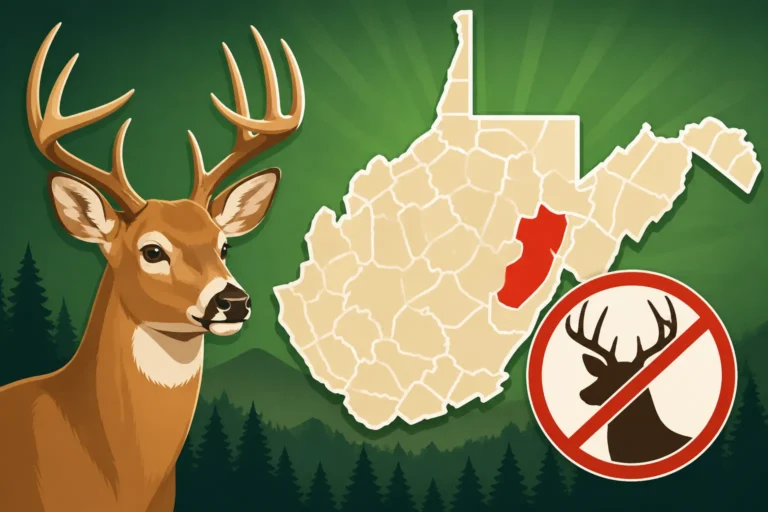
- Deer Hunting: If your primary goal is to hunt whitetails, you'll need the Class E license plus a Class I Nonresident Deer Stamp. This stamp costs approximately $43 and allows you to harvest deer during the appropriate seasons. If you want to hunt antlerless deer in counties where it's permitted, you might also need a Class JJ Nonresident Antlerless Deer Stamp, which is usually around $27. Always check the current regulations for the specific county you plan to hunt, as antlerless rules can vary significantly, especially with specific quotas or even Why Four Southern Counties Skip Gun Season entirely.
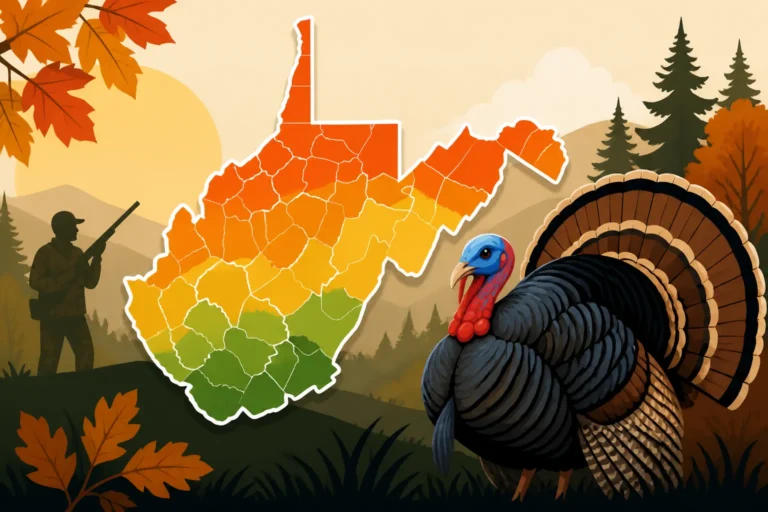
- Turkey Hunting: For those chasing the elusive wild turkey, in addition to your Class E license, you'll need a Class H Nonresident Turkey Stamp. This stamp typically runs about $37. This will cover you for both the spring and fall turkey seasons, allowing you to pursue those gobblers and hens (depending on season rules). Remember to review the West Virginia Spring Turkey Season Rules and West Virginia Fall Turkey County Tiers to understand bag limits and season dates in your target area.
- Bear Hunting: West Virginia boasts a fantastic black bear population, and hunting them is a popular pursuit. If you're coming for bear, you'll need your Class E license and a Class BG Nonresident Bear Stamp. This stamp is usually around $37. It's crucial to be aware of the specific bear seasons, which vary greatly by county and weapon type. You can learn more about the specifics in West Virginia's Liberal Bear Season Rules.
- Small Game and Furbearers: Your basic Class E license covers most small game and furbearers like squirrels, rabbits, grouse, and coyotes without additional stamps. However, if you plan to hunt migratory birds such as ducks, geese, doves, or woodcock, you will need a Migratory Bird Harvest Information Program (HIP) certification, and a Federal Duck Stamp for waterfowl. These are separate federal requirements that also apply in West Virginia.
- Mountaineer Heritage Season: West Virginia also offers a unique Mountaineer Heritage Season, which is a primitive weapons hunting opportunity. This season may have specific stamp requirements or be covered by the general deer and bear stamps. Always verify current regulations for this particular season if you plan to participate, as rules can change.
This table summarizes the main nonresident license and stamp costs:
| License/Stamp Type | Description | Approximate Cost (Nonresident) | Required For |
|---|---|---|---|
| Class E Annual Hunting License | Base hunting license, required for all other stamps | $119 | General hunting (small game, furbearers) |
| Class I Nonresident Deer Stamp | Allows harvest of deer (antlered) | $43 | Deer hunting |
| Class JJ Nonresident Antlerless Deer Stamp | Allows harvest of antlerless deer in designated counties/seasons | $27 | Antlerless deer hunting (check county regs) |
| Class H Nonresident Turkey Stamp | Allows harvest of turkey (spring and fall seasons) | $37 | Turkey hunting |
| Class BG Nonresident Bear Stamp | Allows harvest of bear | $37 | Bear hunting |
| Federal Duck Stamp | Federal requirement for waterfowl hunters (purchased separately) | $25 (federal) | Waterfowl hunting |
| HIP Certification | Required for hunting all migratory game birds | Free | Migratory bird hunting (ducks, geese, doves, woodcock, etc.) |
| West Virginia State Trapping Stamp | Required for trapping furbearers | $37 | Trapping |
Note: Costs are approximate and subject to change. Always verify current prices and regulations on the official WVDNR website before purchasing.
The Three-Day Nonresident Option for Short Trips
For those nonresidents who are only planning a quick, short trip to the Mountain State, perhaps for a weekend deer hunt or a few days of small game pursuit, West Virginia offers a more condensed option: the Class F Nonresident Three-Day Hunting License. This license is priced lower, usually around $60, and is valid for any three consecutive days chosen by the hunter. The beauty of this option is its flexibility for shorter trips, but it's important to understand its limitations. Unlike the annual Class E, it does not cover bear or turkey hunting; those still require the full annual Class E and their respective stamps. The Class F is primarily designed for small game and deer. So, if your intention is to hunt deer for a short period, you would purchase the Class F license and the Class I (and potentially Class JJ) deer stamps. This can be a significant cost-saver if you're only coming for a quick hunt and don't plan on multiple trips throughout the year. For more specific details on this streamlined option, you can check out the West Virginia Three-Day Nonresident License Option.
Navigating the Application Process and Digital Tools
The days of mailing in paper applications or finding a local general store to buy your license are mostly behind us. West Virginia has embraced digital platforms to streamline the license purchasing process, making it much more convenient for nonresidents.
The Go Wild West Virginia System
West Virginia's official online licensing system is called Go Wild West Virginia. This is your primary portal for purchasing all hunting, fishing, and trapping licenses and stamps. The system is designed to be user-friendly, allowing you to create an account, manage your profile, and purchase all necessary permits from the comfort of your home. You'll need to provide some basic personal information, including your full name, address, date of birth, and hunter education certification number (if applicable). It’s crucial to enter this information accurately, as any discrepancies could cause issues down the road. The system also allows you to check your harvest online, which is a mandatory step for deer, bear, and turkey. You can dive deeper into how this platform works by reading Buying a License on Go Wild West Virginia.
Tips for a Smooth Application Process
To ensure a hassle-free experience when purchasing your nonresident licenses and stamps, here are a few pointers:
- Create an Account Early: Don't wait until the day before your hunt to create your Go Wild profile. Set it up well in advance, even if you're just browsing. This allows you to familiarize yourself with the interface and ensure all your personal details are correctly entered.
- Verify Hunter Education: Have your hunter education certification readily available. The system will likely prompt you for the state/province of issuance and the certificate number. If you took the course in West Virginia, it should already be linked to your profile.
- Understand Your Target Species: Before you click "add to cart," know exactly what game you plan to pursue. This will dictate which stamps you need. A good resource for planning is often a platform like GoHunt, which can help visualize hunting units and seasons, informing your license choices.
- Double-Check Costs: While this guide provides approximate costs, always verify the exact, up-to-date prices on the Go Wild West Virginia portal itself. Fees can occasionally change between seasons.
- Print or Save Electronically: Once purchased, you'll receive a digital copy of your license and stamps. While carrying it on your phone is usually acceptable, having a printed copy as a backup is always a good idea, especially in areas with spotty cell service, such as deep within the Monongahela National Forest Hunting areas.
Carrying Proof and Understanding Validity
Once you've made your purchases, you need to be able to present proof of your valid licenses and stamps while in the field. West Virginia law allows for carrying your license electronically, typically on a smartphone or other digital device. This means a PDF on your phone or accessing your profile on the Go Wild app is usually sufficient. However, consider the practicalities of hunting in remote West Virginia terrain. Cell service can be non-existent in many of the best hunting spots, so relying solely on a live webpage might leave you in a bind if a conservation officer requests proof. Therefore, it's highly recommended to:
- Download and Save: Download a PDF of your licenses to your phone's local storage or email it to yourself so it's accessible without an internet connection.
- Print a Physical Copy: A printed copy in a waterproof bag in your pack is an old-school but foolproof backup.
- Understand Season Dates: A valid license is only valid if you are hunting during the open season for the species you are pursuing. Always carry the current West Virginia hunting regulations summary with you, either physically or digitally, to confirm season dates, bag limits, and specific county rules. Ignorance of the law is not an excuse.
Specific Game Species and Additional Requirements
West Virginia offers a diverse array of hunting opportunities for nonresidents, each with its own set of specific regulations beyond just the general license and stamp.
Deer Hunting for Nonresidents
West Virginia is renowned for its whitetail deer hunting, offering opportunities from early archery season right through the late December close. For nonresidents, pursuing deer requires the Class E Annual Hunting License and the Class I Nonresident Deer Stamp. As mentioned, if you plan to harvest antlerless deer, you'll also need the Class JJ Nonresident Antlerless Deer Stamp. This is particularly important in counties that have specific antlerless quotas or special early antlerless seasons.
- Antler Point Restrictions (APRs): It's critical to understand West Virginia's antler point restrictions. While many counties have a one-buck limit that must have at least one antler of three inches or more, some counties in the state impose a minimum of four points on one side for the first buck, with the second buck able to be any legal antlered deer. These regulations are designed to improve the buck age structure within the herd, and non-compliance can lead to hefty fines. Always consult the current regulations for the specific county you'll be hunting to ensure you're in compliance.
- Bag Limits and Reporting: The statewide bag limit for deer for nonresidents is generally two per year, but this can be influenced by weapon type and county-specific rules. All deer harvested must be reported to the WVDNR through the Go Wild West Virginia system or app within 24 hours of harvest. This data is vital for wildlife management. Make sure you understand the West Virginia Deer Reporting Requirements.
- Archery and Crossbows: West Virginia offers a long archery season, often stretching from late September into December. If you plan on hunting with a crossbow, you'll be glad to know they are legal during the entire archery season for all hunters, residents and nonresidents alike. There's no separate crossbow stamp required. You can find more details on this in Crossbow Rules During West Virginia Archery Season.
Turkey Hunting for Nonresidents
Spring gobbler season in West Virginia is an experience like no other, with vocal birds and stunning mountain scenery. Fall turkey hunting, especially with the challenge of breaking up flocks, offers a different thrill. Nonresidents need the Class E Annual Hunting License and the Class H Nonresident Turkey Stamp.
- Spring Season Rules: The spring season is typically for bearded birds only, meaning gobblers and jakes. The bag limit is usually two bearded turkeys for the entire spring season. Again, check the regulations for the specific dates, as the season generally opens statewide in mid-April. You'll want to review West Virginia Spring Turkey Bag Limit carefully.
- Fall Season Rules: Fall turkey hunting has more nuanced rules, with counties often falling into different "tiers" regarding season length—one-week, two-week, or four-week seasons. Additionally, the bag limit is usually one bird of either sex per day, with an overall season limit. Nonresidents must be especially diligent in understanding their target county's fall turkey tier.
- Calling and Decoys: Generally, electronic calls are prohibited for turkey hunting, but traditional mouth, slate, and box calls are perfectly legal. Decoys are also allowed and can be a powerful tool, particularly during the spring rut.
Bear Hunting: A Unique Opportunity
West Virginia has seen a tremendous resurgence in its black bear population, making it a premier destination for bear hunters. Nonresidents looking to hunt bear will need the Class E Annual Hunting License and the Class BG Nonresident Bear Stamp.
- Season Structure: Bear seasons in West Virginia are complex, often varying by county, weapon type (archery, muzzleloader, gun), and whether baiting or hounds are permitted. Some seasons are "no dogs," while others specifically allow the use of trained hounds. Make sure you understand these distinctions. For example, some western counties might have earlier archery bear seasons, while more central mountain counties might have concurrent gun bear seasons with deer.
- Baiting and Hounds: West Virginia has specific regulations regarding bear baiting, including setback distances from roads and specific types of bait allowed. Likewise, the use of hounds for bear hunting is a long-standing tradition in some areas but is subject to strict rules and licensing for hound handlers. If you plan to hunt over bait or with hounds, be intimately familiar with these additional regulations.
- Checking Requirements: Similar to deer and turkey, all harvested bears must be checked with the WVDNR. This often involves presenting the bear at a designated checking station or utilizing the online system, depending on the county and time of year. Bear check stations are crucial for gathering biological data. You can find more about this in West Virginia Bear Checking Requirements.
Special Considerations and Regulations
Beyond licenses for specific game, there are several overarching regulations and special considerations that nonresident hunters must be aware of to ensure a legal and enjoyable hunt in West Virginia.
Chronic Wasting Disease (CWD) Zones and Nonresidents
Chronic Wasting Disease (CWD) is a serious neurological disease affecting deer and elk. West Virginia has identified CWD in several counties, particularly in the Eastern Panhandle, and has established a CWD Containment Area. If you plan to hunt in or pass through one of these CWD counties, such as Hampshire or Hardy County, there are strict rules you must adhere to.
- Carcass Movement Restrictions: The most critical rule for nonresidents hunting in a CWD zone is the carcass movement restriction. You generally cannot take whole deer carcasses out of the CWD containment area. Only deboned meat, clean skull plates, hides, and taxidermy-ready mounts are permitted to leave. This measure is in place to prevent the spread of CWD to unaffected areas. You can find precise details on West Virginia Carcass Movement Restrictions.
- Mandatory Testing: In some CWD counties, there may be mandatory CWD testing requirements during certain periods, particularly the opening weekend of buck gun season. While the WVDNR primarily targets resident hunters for sample collection, nonresidents are still subject to these rules if they harvest a deer in an affected zone.
- Importance of Compliance: Understanding and complying with CWD regulations is not just about avoiding a citation; it's about being a responsible hunter and helping to contain a devastating wildlife disease that impacts the future of deer hunting. Resources like Chronic Wasting Disease in West Virginia Deer offer extensive information on this critical issue.
Blaze Orange and Safety Requirements
Safety is paramount in the woods, and West Virginia has clear requirements for wearing blaze orange, especially during gun hunting seasons. This applies equally to nonresidents.
- Gun Deer Season: During the West Virginia Buck Gun Season and any concurrent antlerless gun seasons, all hunters (and anyone accompanying them) must wear at least 400 square inches of blaze orange outer clothing. This includes a minimum of 100 square inches on both the chest and back, and an orange cap or hat. This makes you highly visible to other hunters, dramatically reducing the risk of accidental shootings.
- Muzzleloader Season: While archery season typically doesn't require blaze orange (though it's always a good idea to wear some on your way in and out, especially on public lands), once muzzleloader season opens, blaze orange requirements usually kick in. Nonresidents participating in Muzzleloader Deer Hunting in West Virginia will need to adhere to these rules.
- Flexibility with Blaze Pink: West Virginia regulations also allow for blaze pink as an alternative to blaze orange. This provides options for hunters who prefer it, but the coverage requirements remain the same. The key is visibility. For a full breakdown, refer to How Much Blaze Orange West Virginia Requires.
Youth and Apprentice Nonresident Hunters
West Virginia is committed to fostering the next generation of hunters, and that includes options for nonresident youth and those new to hunting.
- Youth Weekend: West Virginia typically offers a special Youth Deer Weekend before the general firearm season. Nonresident youth hunters (usually ages 8-17) can participate in this hunt if they have the appropriate licenses and stamps (Class E, I, and JJ, if applicable) and are accompanied by a licensed, unarmed adult mentor. This offers a fantastic, often less pressured, opportunity for young hunters. You can read more about this in West Virginia Youth Deer Weekend Rules.
- Mentored Youth Hunting: For youth who have not yet completed hunter education, West Virginia's Mentored Youth Hunting program allows them to hunt under the direct supervision of a licensed adult mentor. The mentor must be at least 18 years old and possess a valid hunting license. The mentor and youth must hunt within arm's reach of each other. This is a great way for new, young hunters to experience the field firsthand before completing their full hunter education course. More details can be found under West Virginia Mentored Youth Hunting Rules.
- Apprentice Hunting License: For new adult hunters (nonresident or resident) who have not yet completed hunter education, West Virginia also offers an Apprentice Hunting License. This allows an individual to hunt for one license year without hunter education, provided they are accompanied by a licensed adult mentor. This is a one-time opportunity per person to get started.
Planning Your West Virginia Hunting Trip as a Nonresident
Beyond the licenses, successful nonresident hunting in West Virginia requires careful planning and an understanding of the state's unique hunting environment.
Public Land Access and Scouting
West Virginia offers a wealth of public hunting land, from expansive national forests to numerous Wildlife Management Areas (WMAs). For nonresidents, these public lands are often the primary target.
- National Forests: The Monongahela National Forest, sprawling across over 900,000 acres, is a gem for public land hunting. Other national forest lands include portions of the George Washington and Jefferson National Forests in the eastern part of the state. These areas offer vast, rugged terrain perfect for those seeking a true wilderness experience. However, they also demand advanced scouting and physical stamina. Knowing how to read a ridge for deer movement and understanding Wind and Thermals on a Steep Ridge are crucial skills here.
- Wildlife Management Areas (WMAs): West Virginia boasts over 50 WMAs, managed by the WVDNR. These areas are specifically maintained for wildlife habitat and public recreation, including hunting. WMAs often have better access roads, designated parking, and sometimes even food plots or controlled timber harvests designed to improve game populations. Examples include Cranberry WMA or Little River WMA. You can use resources like the WVDNR website or mapping apps such as GoHunt to identify WMAs and Scouting West Virginia Public Land Before Season to gain an edge. Many WMAs may require a WMA Access Permit in addition to your regular licenses, so check regulations for your chosen WMA.
- Mapping Tools: Investing in a good mapping app like GoHunt or OnX Hunt is highly recommended. These apps allow you to view public/private land boundaries, topographical features, satellite imagery, and access points, which are invaluable for planning your hunt and navigating unfamiliar terrain. They can help you identify potential bedding areas, travel corridors, and even locate other hunters’ pressure points.
Understanding West Virginia's Diverse Terrain
West Virginia isn't called the Mountain State for nothing. Its topography is incredibly diverse, and understanding the nuances of different regions can make or break your hunting trip.
- Allegheny Highlands: Characterized by steep, rugged mountains, deep hollows, and dense forest, this region (which includes much of the Monongahela National Forest) is physically demanding but holds significant populations of deer, bear, and turkey. Hunting here often involves long walks, steep climbs, and careful attention to thermals and wind currents. Knowing how to set up a treestand on a steep Allegheny ridge is a skill in itself.
- Eastern Panhandle: This region, closer to the Virginia border, often features more rolling farmland mixed with woodlots. Here, deer densities can be very high, and agricultural fields provide excellent food sources. Hunting strategies might shift to focus on field edges, funnels between woodlots, and understanding deer movement between bedding and feeding areas. This region also sees significant CWD concerns. You can explore more about Hunting the Eastern Panhandle.
- Ohio River Valley: Along the western border, the Ohio River Valley offers a different landscape, with river bottomlands, agricultural fields, and more gentle slopes. Waterfowl hunting can be excellent here, but deer also thrive in these fertile areas. This region might require different tactics, such as working creek bottoms for late-season deer or setting up on field edges.
- Southern Coalfields: This region is known for its rugged, reclaimed mining lands and dense cover. It's also the area where West Virginia has successfully reintroduced elk. The deer here are often smaller but extremely tough, making for a challenging hunt. These counties are often the ones with archery-only deer seasons.
Maximizing Your Hunting Success
As a nonresident, you're making a significant investment in your West Virginia hunt. Maximizing your success involves more than just having the right licenses; it requires preparation and realistic expectations.
- Physical Conditioning: Don't underestimate the physical demands of hunting in West Virginia, especially in the mountainous regions. Long walks, steep climbs, and navigating dense laurel thickets require good physical fitness. Start conditioning well before your trip.
- Flexibility: Weather in West Virginia can change rapidly, from warm, sunny days to cold rain or even snow, sometimes all in the same week. Be prepared for all conditions with appropriate layering, quality rain gear, and insulated boots suitable for wet and rugged terrain.
- Learn the Local Game: While a deer is a deer, deer behavior can vary by region. A buck in the Monongahela National Forest might move differently than one on Eastern Panhandle farmland. Research local food sources (acorns, mast crops, agricultural fields), bedding areas, and rut timing for your specific hunting location. Understanding West Virginia Deer Antler Growth Timeline and West Virginia Buck Age Structure can provide insights into herd health and potential trophy quality.
- Patience and Persistence: Public land hunting, especially for nonresidents, often means dealing with hunting pressure. Be prepared to walk further, hunt harder, and explore areas others might overlook. Persistence is often rewarded with success in the Mountain State.
West Virginia offers some of the most challenging and rewarding hunting experiences in the East. With a clear understanding of the nonresident license options and a commitment to preparation, you can turn your dream of a Mountain State hunt into a reality.
Disclaimer
This guide is intended for informational purposes only and should not be considered legal advice. Hunting regulations in West Virginia are subject to change annually. It is the hunter's responsibility to consult the most current official West Virginia Division of Natural Resources (WVDNR) hunting regulations and laws before purchasing licenses or engaging in any hunting activities. All costs mentioned are approximate and may vary.