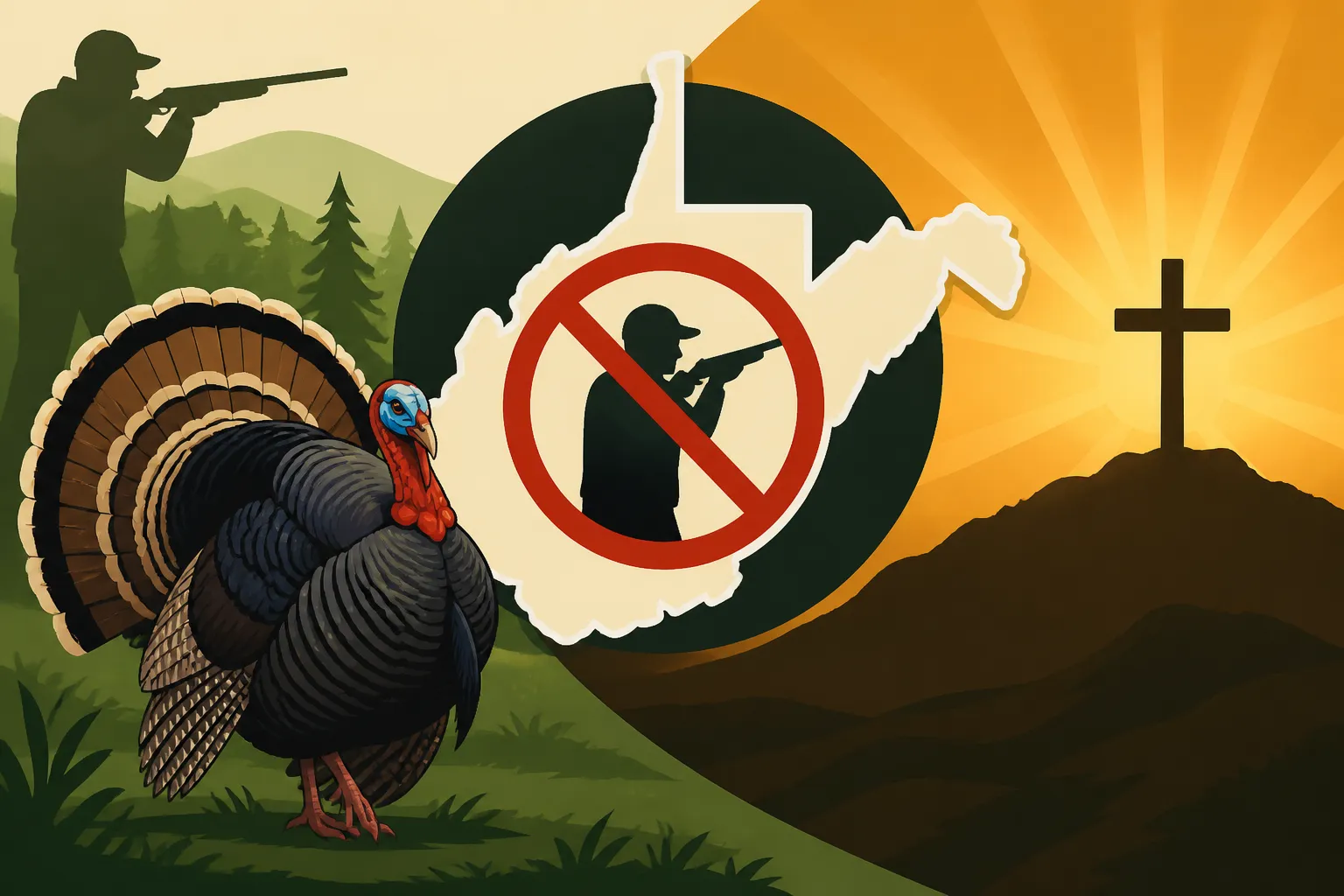
Why West Virginia Closes Turkey Hunting on Sundays
It can be incredibly frustrating to have your carefully planned turkey hunt suddenly cut short, or even derailed, because you hit a Sunday. You've scouted, called, and practiced, only to realize that West Virginia's unique hunting regulations mean that pursuing those wily gobblers is off-limits one day a week. This guide dives deep into the history and current realities behind why West Virginia closes turkey hunting on Sundays, offering clarity and helping you navigate these specific rules.
The Deep Roots of Sunday Hunting Restrictions in West Virginia
Understanding why turkey hunting is closed on Sundays in West Virginia requires a look back at a time when laws were often intertwined with societal norms and religious observance. These aren't just arbitrary rules dreamt up last week; they're echoes of a much older legal tradition.
Tracing the "Blue Laws" Back in Time
The concept of "Blue Laws" might sound archaic, and honestly, in many ways, it is. These laws, which historically restricted certain activities on Sundays, found their origins in Puritanical Christian beliefs that designated Sunday as a day of rest and worship. West Virginia, like many other states, adopted versions of these laws, often prohibiting commercial activities, entertainment, and, yes, even hunting. The idea was to preserve the sanctity of the Sabbath, a concept that held significant sway in communities across the state for generations.
It wasn't just about hunting, either. Growing up, many of us remember stories or even experienced towns where stores were closed, or certain types of recreation were frowned upon or legally prohibited on Sundays. While many of these broad Blue Laws have been repealed or significantly relaxed over the decades, their influence lingered, particularly in areas like hunting. It was less about wildlife management initially and more about a deeply ingrained cultural and religious perspective on how the "Lord's Day" should be observed. For many, these laws offered a quiet respite, a guaranteed day when the woods wouldn't be filled with hunters, allowing for other forms of outdoor enjoyment or simply peaceful solitude.
Evolution of Hunting Regulations and the Sunday Divide
As society modernized and the focus shifted more towards scientific wildlife management, many of the original Blue Laws began to crumble. However, hunting regulations, by their very nature, are often slower to change and deeply rooted in both tradition and public opinion. When modern game laws were being codified and refined in West Virginia, the Sunday hunting prohibition for most species remained largely intact. It became a perceived "right" for landowners and non-hunting residents to have at least one day a week free from the presence of hunters. This wasn't necessarily anti-hunting, but more about maintaining a balance in communities where hunting is a prominent activity.
Initially, the rationale went beyond just religious observance to include perceived public safety concerns, especially when deer drives or large hunting parties were more common. There was also a lingering sentiment that wildlife, too, deserved a day of respite. While modern wildlife biology doesn't necessarily support the idea that a single day of rest makes a significant difference in population dynamics for most game species, the public perception and historical precedent were powerful forces. It created a clear division: Monday through Saturday for many hunters, and Sunday for other activities, or simply peace and quiet in the woods. This divide is why, to this day, you'll hear hunters lamenting the loss of a prime hunting day while others defend the tradition of a "quiet Sunday."
The Modern Landscape: Why Turkey Hunting Still Faces Sunday Limitations
Fast forward to today, and while many other Sunday restrictions have faded into history, the ban on Sunday turkey hunting persists in most of West Virginia. It's no longer just about historical Blue Laws; it's a complex interplay of legislative processes, public sentiment, and unique considerations for the wild turkey.
The Legislative and Political Battleground
Changing hunting laws in West Virginia, especially something as deeply entrenched as Sunday hunting, is rarely a straightforward process. It involves legislative sessions, public hearings, and significant lobbying efforts. On one side, you have dedicated hunting organizations and many individual hunters who passionately advocate for expanded hunting opportunities, including the right to hunt on Sundays. They often point to neighboring states where Sunday hunting is fully permitted, highlighting the economic benefits from increased tourism and license sales, as well as the practical advantages for working hunters who might only have weekends free. Tools like GoHunt are invaluable for these hunters to track potential changes and advocate for their interests effectively.
However, resistance remains strong. Landowner groups, some non-hunting residents, and even certain religious organizations continue to oppose Sunday hunting. Their arguments often center on property rights, the desire for quiet enjoyment of their land on Sundays, and concerns about increased pressure on wildlife or potential conflicts with other outdoor enthusiasts. The West Virginia Legislature, representing diverse constituencies, finds itself in a balancing act. It’s why you see a "county option" for Sunday deer hunting, which was a compromise to allow local communities to decide for themselves. This option, however, has not typically extended to other species like turkeys, creating a patchwork of rules that can be confusing for hunters.
Unique Considerations for Turkey Hunting
So, why has turkey hunting specifically remained largely on the "no Sunday" list, even as some deer hunting was granted a county-option reprieve? While there isn't one single, universally agreed-upon reason, several factors likely play a role:
- Intense Calling and Noise: Turkey hunting often involves a significant amount of calling, movement, and interaction between hunters trying to locate and entice birds. This can be perceived as more intrusive or disruptive than, say, a deer hunter sitting quietly in a treestand. While this perception might not always align with reality, it's a factor in public discussions.
- Perceived Pressure on Birds: Some argue that allowing Sunday turkey hunting would put undue pressure on the local turkey populations, especially given the relatively short spring season. While scientific data typically shows that regulated hunting seasons don't negatively impact healthy turkey populations, this perception can still influence policy. West Virginia's turkey population trends are carefully monitored, and any proposed changes would certainly weigh heavily on these ecological factors.
- Less Established Tradition of Sunday Turkey Hunting: Unlike deer hunting, where the demand for Sunday access has been a long-standing point of contention, the push to open Sundays for turkey hunting hasn't always reached the same fever pitch. This could be due to the shorter season, the specific methods, or simply a prioritization of efforts by hunting advocacy groups.
- Landowner Concerns: For many rural landowners, the quiet of a Sunday morning is a cherished tradition. The thought of increased hunting activity, particularly the distinct sounds of turkey calls echoing through the hollers, can be a point of resistance.
The combination of these factors means that while the debate for Sunday hunting access continues, turkey hunters still find themselves largely sidelined on the traditional day of rest, highlighting the complex blend of history, politics, and public sentiment that shapes hunting regulations in the Mountain State.
Navigating the Rules: What West Virginia Hunters Need to Know
For the dedicated turkey hunter in West Virginia, understanding the nuances of Sunday hunting rules is absolutely essential. Ignoring them can lead to serious legal trouble and unwanted citations. So, let's break down exactly what you need to know to stay compliant and make the most of your hunting days.
Current Sunday Hunting Regulations at a Glance
The most important takeaway for turkey hunters is this: Spring and Fall Wild Turkey hunting is generally prohibited on Sundays throughout West Virginia. This is a statewide rule that applies regardless of county-specific allowances for other species. While some states have opened Sundays fully, West Virginia has maintained this specific closure for turkeys.
However, the state's Sunday hunting laws aren't uniform across all game species, which can be a source of confusion. Here’s a quick overview of the current situation:
- Deer: In counties that have opted in through a local vote, deer hunting is permitted on Sundays. This is a crucial distinction and often the source of misunderstanding for new hunters or those coming from areas with different rules. For instance, if you're hunting deer in a "Sunday open" county, you might be out and about, but if a gobbler struts by, you cannot legally pursue it with your turkey tag.
- Small Game: Most small game hunting (like squirrels or rabbits) is generally closed on Sundays, mirroring the turkey regulations.
- Migratory Birds: Federal regulations often override state-level Sunday closures for migratory birds like ducks and geese, meaning hunting for these species is typically allowed on Sundays.
- Bear: Bear hunting with hounds and for general season is also generally closed on Sundays.
- Youth Hunting Exception: Here's a key exception! The West Virginia Youth Spring Turkey Weekend does typically include Sunday as a hunting day. This provides a special opportunity for younger hunters under specific guidelines. Always check the current regulations for exact dates and rules.
To help visualize this, here's a simplified table:
| Game Species | Sunday Hunting Status in West Virginia (General) | Notes |
|---|---|---|
| Wild Turkey | Generally CLOSED | Applies to both Spring and Fall Seasons |
| Deer | Permitted in "Opt-In" Counties | Only in counties that have passed local resolutions |
| Small Game | Generally CLOSED | e.g., Squirrel, Rabbit |
| Migratory Birds | Generally PERMITTED | Due to federal regulations for waterfowl, doves, etc. |
| Bear | Generally CLOSED | |
| Youth Spring Turkey | PERMITTED | Specific youth weekend dates apply |
This table clearly illustrates that while some flexibility exists for deer and migratory birds, turkey hunting remains largely off-limits on Sundays. It’s vital to always consult the official West Virginia Division of Natural Resources (WVDNR) Hunting and Trapping Regulations summary for the current season, as rules can change.
Planning Your Hunt Around the Restrictions
Navigating Sunday closures for turkey hunting requires a bit more strategic thinking. You can't just wing it and hope for the best; careful planning is key to maximizing your success and avoiding disappointment.
First and foremost, treat Saturday like your prime hunting day. If you're chasing gobblers during the West Virginia Spring Turkey Season Rules, make sure you're up early and staying out as long as legal shooting hours allow on Saturday. This might mean adjusting your work schedule or other commitments to dedicate that entire day to your pursuit. This is where tools like GoHunt really shine, allowing you to review maps, pinpoint prime roosting locations, and analyze past harvest data to plan your Saturday attack with precision. You can effectively use the platform to scout potential areas for Calling a West Virginia Gobbler Off the Roost or identify promising spots for a Run-and-Gun Turkey Tactics on Public Land approach.
Sundays, while closed for turkeys, can still be incredibly valuable. Instead of seeing it as a lost day, consider it a dedicated "scouting, prep, and family" day. Head out into the woods, but leave your hunting gear (shotgun, calls) locked away. Use this time to:
- Scout new areas: Identify fresh tracks, droppings, and strut zones. Look for new logging roads or clear-cuts that might hold birds later in the week.
- Pattern birds: Observe where turkeys are roosting, feeding, and traveling without the pressure of hunting. This non-intrusive scouting can give you a massive advantage for Monday morning.
- Maintain gear: Clean your shotgun, organize your calls, sharpen your knife, or perform any maintenance on your Turkey Calls Worth Carrying in West Virginia.
- Spend time with family: Enjoy other outdoor activities, or simply relax and recharge so you're fresh and ready for the next legal hunting day.
When you're Setting Up Against a Big Oak or other prime locations, remember that the birds have had a day of peace. Monday morning often presents an excellent opportunity as turkeys may be more relaxed and vocal after their Sunday reprieve. Always double-check your WVDNR regulations summary for specific opening and closing times, bag limits, and any changes that might affect your hunt. Being informed is your best defense against frustration and ensures a legal, ethical, and enjoyable hunting experience.
The Path Forward: Advocating for Change (or Understanding the Status Quo)
The debate surrounding Sunday hunting in West Virginia, particularly for species like wild turkey, is far from over. It's a living, breathing discussion that sees passionate advocates on both sides. Understanding this ongoing dialogue is crucial for hunters who want to see changes or simply understand why the current rules are in place.
The Ongoing Debate and Potential for Future Changes
The push to expand Sunday hunting opportunities in West Virginia is a recurring theme in legislative sessions and outdoor forums. Advocates, often led by powerful hunting and conservation organizations, argue that lifting Sunday bans would:
- Increase Hunter Recruitment and Retention: Many working individuals and youth find it challenging to hunt consistently during the week. Opening Sundays would provide more opportunities, potentially drawing more people into hunting and conservation. This is particularly relevant given concerns about declining hunter numbers nationwide.
- Boost Local Economies: Hunters spend money on licenses, gear, fuel, lodging, and food. More hunting days mean more economic activity, especially in rural areas.
- Align with Neighboring States: West Virginia is somewhat an outlier in the region when it comes to Sunday hunting restrictions, especially compared to states like Virginia, which has significantly expanded its Sunday hunting. This can lead to hunters traveling elsewhere, taking their dollars with them.
- Improve Wildlife Management: Some argue that Sunday hunting could be used as a tool for managing populations, though for turkeys, this argument is less frequently made than for deer.
However, the counterarguments remain potent. Landowners, often concerned about property rights and the desire for guaranteed quiet enjoyment of their land one day a week, represent a formidable opposition. They fear increased congestion, noise, and potential conflicts. Some non-hunting public also voice concerns about safety and disturbance, particularly on public lands where they recreate. Because of these deeply held, often conflicting views, legislative change is slow and incremental. The process typically involves proposed bills, committee hearings, public comment periods, and ultimately, a vote. Even then, compromises are often made, such as the county-option for deer, which allows communities to decide locally rather than imposing a statewide mandate. It's a testament to how deeply rooted these traditions are in the fabric of West Virginia.
How to Stay Informed and Get Involved
If you're a West Virginia turkey hunter who feels strongly about the Sunday hunting issue, whether for or against changes, your voice matters. The legislative process is designed to be responsive to public input, even if it often feels slow and cumbersome.
Here’s how you can stay informed and potentially influence future decisions:
- Contact Your Legislators: Reach out to your state delegate and senator. Explain your position clearly and respectfully. They represent you, and hearing directly from constituents is powerful. You can find your representatives easily through the state legislature's website.
- Join Hunting and Conservation Organizations: Groups like the West Virginia Chapter of the National Wild Turkey Federation (NWTF), the West Virginia Bowhunters Association, or the West Virginia Sportsmen's Alliance are actively engaged in these discussions. Becoming a member supports their advocacy efforts and keeps you updated on legislative initiatives.
- Attend Public Hearings: When bills related to hunting regulations are being discussed, the WVDNR and the legislature often hold public hearings. Attending these (or submitting written comments) is a direct way to make your voice heard.
- Follow WVDNR Updates: The West Virginia Division of Natural Resources is the primary agency responsible for managing wildlife and setting seasons. While they operate within the laws set by the legislature, they also conduct public surveys and offer recommendations. Stay tuned to their official website and social media for news and opportunities to provide input. GoHunt is also a great resource for tracking legislative movements and policy changes relevant to hunters.
- Educate Others: Engage in respectful conversations with fellow hunters and non-hunters about the issues. Sometimes, simply clarifying misconceptions or sharing personal experiences can help shift perspectives.
Remember, whether you're working to preserve the status quo or advocating for more Sunday hunting opportunities, respectful engagement and accurate information are your best tools. Understanding the history, the current landscape, and the various viewpoints involved is the first step toward effective participation in shaping the future of West Virginia Hunting Licenses and What They Cost and all hunting in the Mountain State.
Disclaimer
The information provided in this guide is for general informational purposes only and does not constitute legal advice. Hunting regulations in West Virginia are subject to change and can be complex. Always consult the official West Virginia Division of Natural Resources (WVDNR) Hunting and Trapping Regulations summary for the current season, as well as any local ordinances or proclamations, before engaging in any hunting activities. Failure to do so could result in fines or penalties.