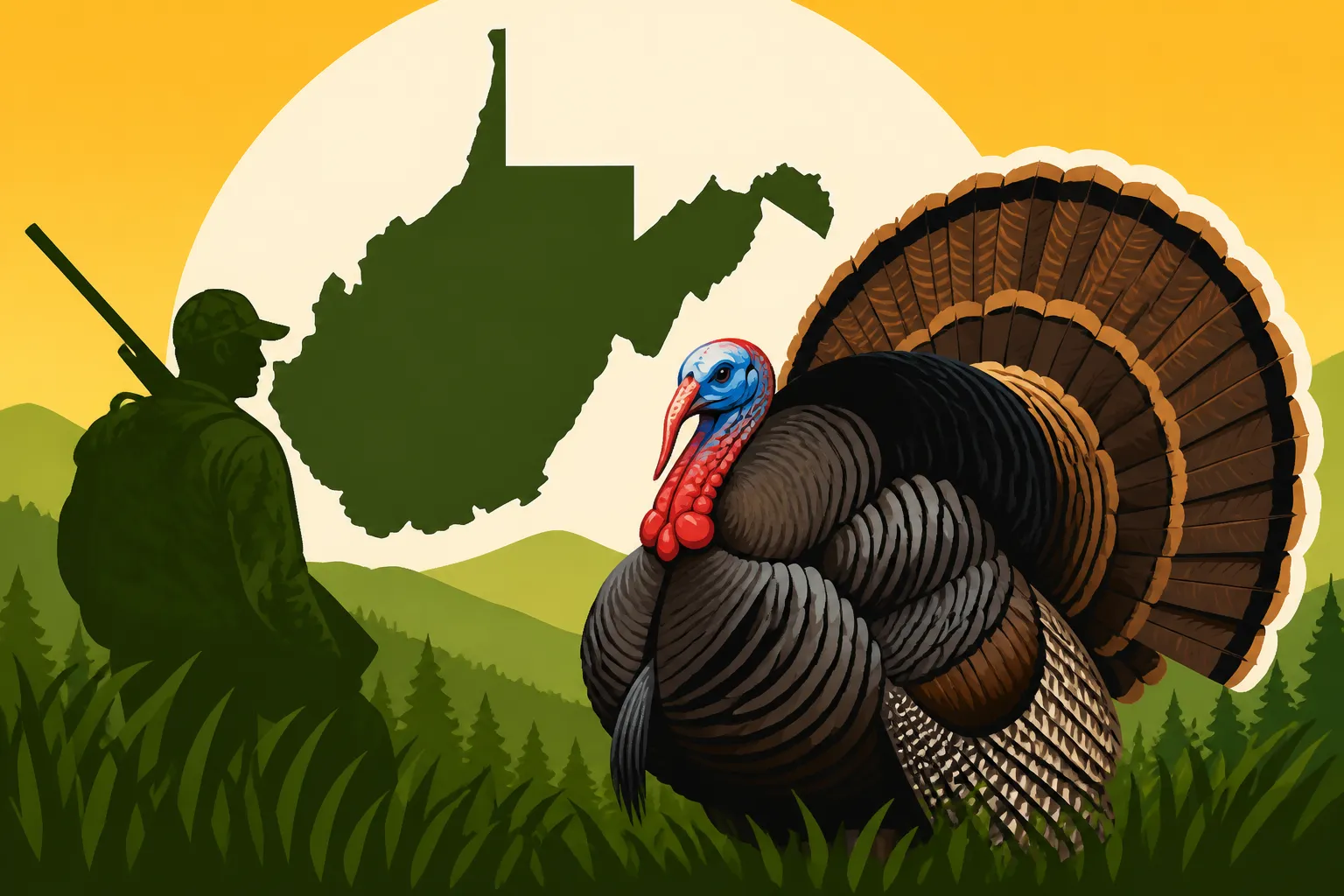
West Virginia Spring Turkey Bag Limit
One of the biggest head-scratchers for spring turkey hunters in West Virginia isn't necessarily finding gobblers, but rather making sure you understand the intricate rules surrounding bag limits. It can feel like a moving target, especially with subtle changes or unique county regulations that might trip you up. This comprehensive guide is here to untangle the complexities of West Virginia's spring turkey bag limits, ensuring you hit the woods with confidence and stay within legal bounds.
Understanding West Virginia's Spring Turkey Season Basics
Spring turkey hunting in West Virginia is a cherished tradition for many, a chance to hear the woods wake up with the booming sound of a gobble. But before you can even think about filling your tag, it's crucial to grasp the fundamental rules that govern the season, especially when it comes to how many birds you can harvest.
The Statewide Bag Limit Explained
Alright, let's cut right to it: the statewide bag limit for the West Virginia spring gobbler season is a maximum of two bearded turkeys per hunter, for the entire season. This means once you've checked in your second bird, your spring turkey season is officially over, no matter how many days are left on the calendar. It’s important to emphasize “bearded turkey” – this doesn't mean you can only shoot a gobbler with a huge beard; jakes (young male turkeys) are legal if they possess a beard. Sometimes, even a hen can have a beard, making her a legal target, though it's rare. The focus is on the presence of the beard, not necessarily the size or age of the bird. This limit applies across almost all counties, so it’s a solid rule of thumb to keep in mind wherever you’re hunting.
For years, hunters have debated the rationale behind the two-bird limit, and honestly, it’s a conservation measure designed to ensure a healthy and sustainable turkey population. We want those big, boisterous gobblers to be around for generations to come, and managing harvest numbers is a key part of that. Understanding that this limit is set for the entire season helps prevent overharvesting and ensures you plan your hunts accordingly, maybe spreading them out if you're lucky enough to tag out early.
Key Dates and Season Structure
West Virginia's spring turkey season typically kicks off in mid-April and runs through mid-May, offering roughly a month of exciting hunting opportunities. While the statewide opening and closing dates are consistent, it's always smart to double-check the current regulations each year, as minor adjustments can occur. For the most up-to-date information, consulting the official West Virginia Division of Natural Resources (WVDNR) hunting regulations is paramount. Knowing when West Virginia spring turkey season opening day is, for instance, can help you plan your vacation days or long weekends effectively.
The season generally runs Monday through Saturday, with Sundays typically being closed for turkey hunting in most areas. This Sunday closure is a long-standing tradition in West Virginia for various hunting seasons. The season doesn't have "splits" or different phases in the way fall turkey season might; it's generally one continuous period. This consistent structure means you don't have to worry about the bag limit resetting or changing within the season itself, just that overarching two-bird rule.
Identifying Legal Gobblers
So, you're out in the woods, a gobbler sounds off, and you start making your move. Before you pull the trigger, confirming it's a legal bird is non-negotiable. In West Virginia, during the spring season, only bearded turkeys are legal. This is a crucial distinction. Hens are strictly off-limits. While most bearded turkeys are indeed gobblers or jakes, it’s the presence of that beard that makes them fair game.
The challenge, of course, is that sometimes in thick cover, or if a bird is strutting, discerning a beard can be tough. It requires patience and a good set of binoculars. I've had many a morning where I thought I saw a big tom, only for him to step out and reveal himself as a hen. Always take the time to positively identify your target. Even if it’s a small, scraggly beard on a jake, if it has a beard, it's legal. Don't let "gobbler fever" rush you into a mistake. This careful identification is part of what makes West Virginia Spring Turkey Hunting Hours so critical to understand, especially in those low-light periods.
Navigating County-Specific Regulations and Exceptions
While the two-bearded-turkey limit is largely statewide, West Virginia hunting regulations can sometimes throw in a curveball with county-specific rules or special circumstances. It’s not just about knowing the general law; it’s about understanding if your particular hunting spot has any unique caveats.
Counties with Unique Rules or Restrictions
The beauty, and sometimes the headache, of West Virginia hunting is its diverse landscape and localized management. While the spring turkey bag limit itself is pretty uniform, other rules might vary. For instance, sometimes a specific Wildlife Management Area (WMA) might have particular access rules or hour restrictions that, while not directly impacting the bag limit, can affect your ability to hunt and thus, harvest a bird. Always check the regulations for the specific county and any public land you plan to hunt within it.
There aren't currently specific counties that change the spring turkey bag limit from the statewide two-bearded-turkey rule. However, historically, there have been discussions or minor adjustments to seasons in different regions based on local turkey populations or habitat conditions. This is where staying updated with the WVDNR's annual regulations is your best bet. Think of it like a safety net – assume the statewide rules apply, but verify with the local WMA or county section of the regulation book. Some areas might have specific rules for Run-and-Gun Turkey Tactics on Public Land, for example, that could impact how you hunt.
Youth Spring Turkey Weekend Rules
West Virginia is big on getting the next generation into hunting, and the Youth Spring Turkey Weekend is a fantastic example of that commitment. This special early season typically takes place on the Saturday and Sunday preceding the regular statewide spring gobbler opener. It’s exclusively for youth hunters aged 8 to 18, and they must be accompanied by a licensed adult (who cannot hunt themselves).
During this youth weekend, the statewide bag limit of two bearded turkeys still applies. However, here's the nuance: any bird harvested during the youth weekend counts toward that hunter's two-bird season limit. So, if a youth hunter tags a gobbler on Saturday of the youth weekend, they still have one bird left for the regular season. This means that a successful youth hunt early on doesn't give them an extra bird; it simply gets them started on their season limit a bit sooner. It’s an invaluable opportunity for young hunters to experience the thrill of the spring woods before the pressure of the regular season sets in, often making it easier for them to fill their tag. More details can be found by looking up West Virginia Youth Spring Turkey Weekend.
Sunday Hunting and Turkey Season
Ah, Sunday hunting in West Virginia – it's a topic that can spark a lively debate around any campfire! For spring turkey season, the general rule is straightforward: no hunting on Sundays. This means that your spring turkey opportunities are typically limited to Monday through Saturday. This can be a frustration for hunters who work all week and only have weekends free, effectively cutting their available hunting time in half.
This long-standing regulation has roots in a variety of historical and cultural factors, and while there have been pushes to expand Sunday hunting for other species in certain counties, spring turkey has largely remained off-limits. So, if you're planning a weekend hunt, always remember that Saturday is your last day until the following Monday. This requires careful planning, especially if you're traveling a distance. It's just one of those quirks of hunting in the Mountain State you learn to navigate.
Reporting Your Harvest and Tagging Requirements
Harvesting a spring gobbler is a moment of pure triumph, the culmination of scouting, calling, and patience. But the hunt isn't truly over until you've fulfilled your legal obligations, which include properly checking in your bird and tagging it correctly. Failing to do so can turn a successful hunt into a costly mistake.
Mandatory Checking and How to Do It
In West Virginia, all harvested turkeys, both spring and fall, must be checked with the WVDNR. This isn't just a suggestion; it's a mandatory legal requirement that helps the WVDNR gather crucial data on harvest numbers, population trends, and overall turkey health. Luckily, the process has become incredibly convenient. You have a few options:
- Online: The quickest and easiest way for many is to check your turkey through the WVDNR's Go Wild West Virginia website. You'll need your hunting license number and some basic information about your harvest (e.g., date, county, type of weapon).
- GoHunt App: For those of us always on the go, the GoHunt app is a real game-changer. It allows you to check your game directly from your smartphone, even if you’re still out in the field. This is incredibly useful in areas with spotty cell service, as the app often queues the check-in until you get a signal. It’s a great piece of technology to have in your hunting toolkit, and it makes compliance so much simpler.
- Authorized Checking Stations: While less common than in years past, some traditional checking stations (usually local stores or sporting goods shops) still exist. You can physically take your bird to one of these locations, and the attendant will help you through the process.
Regardless of the method, the check-in must be completed by the end of the day you harvest the bird. This immediate reporting is vital for accurate data collection. Be prepared to provide the county of harvest, the date, and confirm it's a bearded bird. Without this process, the WVDNR wouldn't have the necessary information to effectively manage our turkey resource. This whole process is key to understanding West Virginia Turkey Population Trends and keeping them healthy.
Physical Tagging and Transport Rules
Beyond checking your bird, proper physical tagging is also a critical step. Once you've successfully harvested your bearded turkey, you must immediately attach your valid West Virginia turkey tag to the bird. This tag, which comes with your hunting license, needs to be filled out completely and securely fastened to the turkey. The regulations specify that it should be attached to the leg or wing.
The purpose of the physical tag is simple: it serves as immediate proof of legal harvest and ownership while you're transporting the bird. If a Natural Resources Police Officer encounters you with a turkey, that tag is the first thing they’ll look for. Until you get home and process your bird, that tag needs to stay with it. This is particularly important if you're driving through multiple counties or plan to stop for gas or food. For a deep dive into what you need, check out West Virginia Turkey Tag Requirements. Once checked, the WVDNR will provide you with a confirmation number, which should also be kept with the bird during transport, often written on the physical tag itself.
Why Accurate Reporting Matters
You might wonder, why all the fuss about checking in a turkey? It might seem like a bureaucratic hurdle, but accurate and timely reporting is the backbone of sound wildlife management. Every single turkey checked in contributes to a vast dataset that the WVDNR uses to:
- Estimate Population Sizes: By tracking harvest numbers year over year, biologists can get a clearer picture of the overall turkey population and how it's fluctuating.
- Assess Reproductive Success: Combined with brood surveys, harvest data helps indicate how successful nesting seasons have been.
- Identify Regional Trends: If harvest numbers are declining in one area but increasing in another, it cues the WVDNR to investigate potential issues or successes at a local level.
- Inform Future Regulations: Ultimately, the data collected directly influences decisions about bag limits, season lengths, and other regulations for future hunting seasons.
Think of it this way: when you check your bird, you're not just complying with the law; you're actively participating in the conservation effort. You're providing invaluable "boots on the ground" data that helps ensure we have healthy, huntable turkey populations for decades to come. Neglecting to report your harvest undermines these efforts and could lead to less accurate population models, potentially impacting future hunting opportunities for everyone.
Common Misconceptions and Troubleshooting
Even for seasoned hunters, the nuances of spring turkey regulations can sometimes lead to misunderstandings. It's easy to get caught up in old wives' tales or misinterpret a rule. Let's clear up some common areas of confusion, especially surrounding the bag limit.
The "Two-Bird Limit" Myth vs. Reality
This is where a lot of confusion crops up. The reality in West Virginia is a two-bearded-turkey season limit per hunter. However, I've often heard hunters mistakenly believe they can take one bird, then go hunt in another county or on another piece of property and take a second "first bird" from that area, essentially doubling their actual limit. This simply isn't true. Your two-bird limit is personal to you and applies to the entire state of West Virginia for the duration of the spring season.
Another common misconception is that the limit applies per day or per hunt. It absolutely does not. You can take two bearded turkeys on opening day if you're incredibly lucky and skilled (and if hunting hours and conditions allow for it!), and your season is then over. There's no "restarting" the count because you changed locations or waited a week. It’s crucial to internalize that "two birds for the season" means just that. Don't fall prey to campfire rumors that suggest otherwise; always refer to the official WVDNR regulations.
What to Do if You Exceed the Limit (Accidentally)
Let's be realistic: mistakes happen. Maybe you thought you heard one bird, then another, and in the heat of the moment, you accidentally harvested a third bearded turkey. Or perhaps a situation arose where you made an honest error in judgment. First and foremost, remain calm and do not conceal the animal. Attempting to hide an illegal harvest is a far more serious offense than an accidental over-limit.
The best course of action is to immediately contact the West Virginia Natural Resources Police (NRP). Explain the situation honestly and openly. They are often more understanding of honest mistakes made in the field than they are of deliberate attempts to circumvent the law. While there may still be a penalty, full disclosure is always the best policy. NRP officers are generally well-versed in the complexities of hunting and can guide you on the proper steps. This is a rare occurrence, but knowing what to do is important.
Planning Multi-County Hunts
West Virginia offers incredible diversity, and many hunters enjoy chasing gobblers across different parts of the state. Whether you're heading from the Eastern Panhandle to the Ohio River Valley, or from the Allegheny Highlands to the Southern Coalfields, planning a multi-county hunt is absolutely fine, as long as you stick to the statewide bag limit.
When planning such an adventure, the same two-bearded-turkey season limit applies. You don't get an extra bird just because you're hunting in Grant County one weekend and then Pocahontas County the next. However, it's particularly important to verify local rules for each county. While the spring turkey limit is universal, specific WMAs or local ordinances might have their own set of access rules, public land hunting hours, or firearm restrictions. For example, some counties might be part of a CWD containment area, which could have implications for carcass transport, even if it doesn't directly change your turkey bag limit. Utilizing tools like the GoHunt app or the WVDNR website to check specific WMA regulations, like those for Hunting Potomac Highlands Public Land, before you go is a smart move.
Maximizing Your Spring Turkey Hunting Opportunities
Knowing the rules is just one piece of the puzzle; putting those rules into action and having a successful, enjoyable hunt requires strategy, the right gear, and an understanding of turkey behavior. Let’s talk about how to make the most of your time in the West Virginia spring woods.
Scouting and Strategy for Success
Turkey hunting isn't just about showing up on opening day. Successful hunters often put in significant effort well before the season even begins. Scouting is paramount. Before the season, spend time in your chosen hunting area listening for gobblers at daybreak, looking for tracks, droppings, and dusting bowls. Pay attention to food sources, like mast crops from the previous fall, and potential roosting areas. If you know where they're roosting, you can plan your approach for Calling a West Virginia Gobbler Off the Roost for an exciting morning encounter.
During the season, flexibility is key. Turkeys can be fickle, influenced by weather, hunting pressure, and their breeding cycle. Learn to adapt your calling strategy. Sometimes aggressive calling works, other times a subtle approach is better. Don’t be afraid to move if a bird isn't responding. Hunting the West Virginia Rut in November for deer might require different considerations, but for turkeys, persistent and strategic movement can often pay off. Understanding how to read the terrain for optimal setups, perhaps Setting Up Against a Big Oak near a travel corridor or strutting zone, is also crucial. Knowing the general areas where West Virginia Turkeys Are Densest can also give you a head start.
Gear Considerations for Spring Turkey
Having the right gear won't guarantee a turkey, but it will certainly improve your odds and comfort. Let's talk essentials for West Virginia's rugged terrain and unpredictable spring weather:
- Shotgun/Bow: A reliable shotgun, usually a 12 or 20 gauge, patterned with quality turkey loads, is standard. Ensure your choke tube is appropriate for turkey hunting, often a full or extra-full. For bowhunters, a compound or crossbow with appropriate broadheads is necessary.
- Calls: A variety of calls is your best friend. Mouth calls (diaphragm calls), slate/pot calls, and box calls each offer different tones and volume, allowing you to mimic a range of turkey sounds. Locator calls (owl hooter, crow call) are essential for getting gobblers to shock-gobble without alerting them to your presence.
- Decoys: While not always necessary, a well-placed decoy, especially a jake and hen setup, can be irresistible to a lonely tom. Just be mindful of Decoy Placement for Pressured West Virginia Birds on public land to avoid attracting other hunters.
- Camouflage: Full camo from head to toe, including a face mask and gloves, is critical. Turkeys have incredible eyesight.
- Comfort/Safety: A comfortable turkey vest with a seat pad is invaluable for long sits. Good waterproof boots are a must for traversing wet woods and potential stream crossings. Always carry a compass or GPS (your phone with the GoHunt app works wonders) and a first-aid kit.
- Weather Appropriate Clothing: West Virginia spring weather can range from frosty mornings to warm, rainy afternoons. Layering is key, allowing you to adjust to changing conditions.
| Item Type | Specific Gear Suggestion | Why It's Important |
|---|---|---|
| Firearm | 12 or 20 Gauge Shotgun (Patterned) | Delivers effective range and knockdown power for turkeys. Proper patterning ensures tight shot groups. |
| Ammunition | Tungsten Super Shot (TSS) Turkey Loads | Denser than lead, providing superior range and pellet count, increasing ethical kill potential. |
| Choke Tube | Extra Full or Turkey Specific Choke | Optimizes shot pattern for tight groups at longer turkey hunting distances. |
| Calls | Mouth Calls, Slate Call, Box Call, Owl Hooter | Versatile calling allows mimicking various turkey sounds and locating birds without visual contact. |
| Decoys | Hen and Jake Decoy Set | Can draw in gobblers looking for hens or to assert dominance over a jake, especially on private land. |
| Clothing | Full Camouflage (Head-to-Toe), Layered System | Turkeys have excellent eyesight; full camo is crucial. Layers adapt to variable spring temperatures. |
| Footwear | Waterproof, Comfortable Hunting Boots | Essential for navigating wet, rugged, and often steep West Virginia terrain comfortably and quietly. |
| Safety | Face Mask, Gloves, Safety Glasses (for shooting) | Protects face and hands from turkey's sharp vision. Glasses protect eyes from stray pellets or debris. |
| Navigation | GPS Unit or Smartphone with Hunting App (e.g., GoHunt) | Prevents getting lost in vast public lands, helps mark waypoints, and often includes property line information. |
| Backpack/Vest | Turkey Vest with Seat Cushion | Carries gear efficiently and provides a comfortable, quiet seat for long waits. |
Post-Harvest Care and Meat Processing
So, you've tagged your second bearded bird, congratulations! The hunt isn't over until the meat is properly cared for. The deliciousness of wild turkey is a huge part of the reward, but it requires diligent handling.
First, field dress your turkey as soon as possible after the harvest to cool the meat down. This is especially important on warmer spring days to prevent spoilage. You can either gut the bird completely or simply remove the internal organs. Many hunters choose to breast out the turkey in the field, taking only the breast meat, legs, and thighs, which significantly reduces the weight you have to carry out. Don't forget to keep a wing and the beard attached to the breast meat for transport as proof of species and sex, especially if leaving the rest of the carcass.
Once home, get the meat into a cooler with ice or into a refrigerator promptly. Process the meat as you would any other wild game. The breast meat is fantastic fried, roasted, or grilled. The legs and thighs, while tougher, are excellent slow-cooked or braised. If you plan to mount your turkey, be sure to consult with your taxidermist before field dressing to understand their specific requirements for preserving the beard, spurs, and tail fan. Proper care ensures that your hard-earned harvest provides delicious meals for months to come.
Disclaimer
Please remember that hunting regulations can change. While this guide provides a comprehensive overview of West Virginia's spring turkey bag limit and related rules, it is your responsibility as a hunter to consult the most current official West Virginia Division of Natural Resources (WVDNR) regulations each year before heading into the field. This information is for educational purposes and should not be considered a substitute for the official hunting proclamation.