West Virginia Bear Checking Requirements
You've just had an incredible hunt in the mountains of West Virginia, maybe you're out hunting bears over natural mast in the mountains or running hounds for West Virginia bears, and finally, your persistence paid off. That adrenaline rush as you punch your bear tag is unlike anything else. But hold on a minute – the job isn't quite done. Many hunters feel a wave of confusion and even anxiety about what comes next, especially with all the rules and different ways to report a harvest. It's easy to wonder if you're doing it right, or if you're missing a crucial step that could land you in hot water. This comprehensive guide is here to untangle all the West Virginia bear checking requirements, ensuring you celebrate your success without a hitch.
Understanding West Virginia's Bear Checking Mandate
It might seem like a bureaucratic hoop to jump through, but the requirement to check in your harvested bear is actually a cornerstone of effective wildlife management here in the Mountain State. It’s not just about filling out paperwork; it’s about providing critical data that helps the West Virginia Division of Natural Resources (WVDNR) ensure healthy bear populations for generations of hunters to come.
Why Checking Bears is Crucial for Wildlife Management
Think of every checked bear as a piece of a much larger puzzle. When you check your bear, you’re not just reporting a kill; you’re contributing vital biological information. The WVDNR collects data points like the date and county of harvest, the bear's sex, and sometimes even physical measurements or teeth for aging. This information allows wildlife biologists to track harvest trends, monitor population health, assess reproductive rates, and understand how West Virginia's bear population is responding to hunting pressure and habitat changes. Without this consistent, accurate data from hunters like you, it would be impossible to make informed decisions about future hunting seasons, bag limits, and management strategies. It ensures that the liberal bear season rules we enjoy today can continue into the future. It’s a collective responsibility that directly impacts the sustainability of bear hunting.
Moreover, mandatory checking helps identify potential issues early on. For example, if harvest numbers suddenly spike in a specific area, or if a disproportionate number of young bears are being taken, it can signal a need for closer examination. Similarly, it helps track the spread of diseases, though thankfully this is less common with bears than with deer and Chronic Wasting Disease in West Virginia deer. The more data they have, the better they can protect the resource. Many hunters rely on resources like GoHunt to scout and plan their trips, using data to inform their strategy, and the WVDNR uses similar data from checked animals to inform their strategy.
The Legal Obligation for Every Bear Hunter
This isn't a suggestion; it's a non-negotiable legal requirement for every hunter who successfully harvests a black bear in West Virginia. Once you've dispatched your bear and affixed your West Virginia bear tag requirements, the clock starts ticking. The law states that you must check your bear and possess a valid confirmation number by a specific deadline. Failing to do so isn't just a minor oversight; it's a serious violation of state hunting regulations, which can lead to fines, loss of hunting privileges, and other penalties.
The WVDNR takes these regulations very seriously, and ignorance of the law is not an excuse. This obligation is outlined clearly in the annual West Virginia Hunting and Trapping Regulations Synopsis. It's your responsibility as a hunter to be fully aware of these rules before you even head into the woods. A good rule of thumb is to carry a copy of the regulations, either physically or digitally on your phone, to consult in the field if any doubts arise after a successful hunt.
The Traditional Check Station Experience
For many seasoned West Virginia hunters, the traditional check station is a familiar and almost ceremonial part of the hunting experience. It's a chance to chat with WVDNR personnel, sometimes see other hunters' successful harvests, and truly feel like you're part of the state's rich hunting heritage. While digital options are gaining popularity, the physical check station still serves a vital role, especially in more remote areas.
Locating Official WVDNR Check Stations
Finding an official WVDNR check station is usually straightforward, but it requires a bit of pre-hunt planning, especially if you're venturing into unfamiliar territory. The WVDNR provides a comprehensive list of official check stations in their annual hunting regulations synopsis, both in print and on their website. This list will typically include sporting goods stores, bait shops, general stores, and even some WVDNR offices that serve as designated check-in locations. Many hunters use mapping tools, like the Go Wild West Virginia map tool, to pinpoint these locations relative to their hunting areas. It's always a good idea to call ahead to confirm operating hours, especially during the peak of the West Virginia's liberal bear season, as hours can sometimes change or be reduced in certain locations.
Some of these check stations are manned by WVDNR staff, offering an opportunity to have your bear physically examined by a biologist. This often provides the most comprehensive data collection for the WVDNR, including teeth extraction for aging the animal. Other locations might be self-service kiosks, or simply places where you can use their computer or your own device to access the online checking system. Knowing the type of station and its services beforehand can save you time and hassle, particularly when you're likely tired but exhilarated after retrieving your bear from a steep hollow.
What to Expect at a Physical Check Station
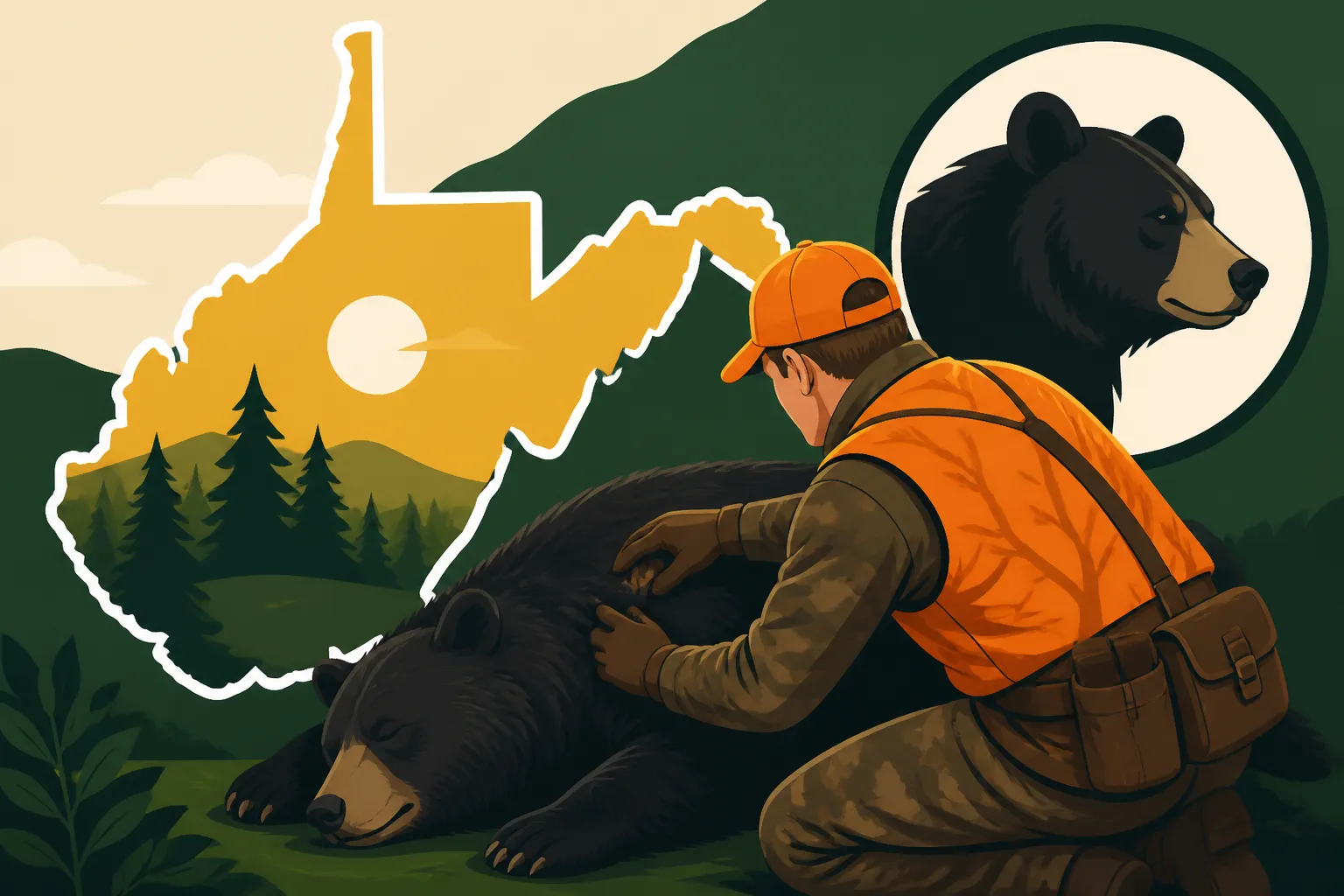
When you arrive at a physical check station, the process is generally quite smooth, but there are a few things to keep in mind to make it efficient. First and foremost, be prepared to present your bear for inspection. This usually means having it accessible, whether in the bed of your truck or on a trailer. The WVDNR agent or authorized checker will want to see the bear, confirm its species and sex, and verify that your bear tag is properly attached. They'll also record the date and county of harvest, which is why it's crucial to know exactly where you harvested the animal.
In some cases, particularly at WVDNR district offices or during specific periods, biologists might perform a more detailed examination. This could involve taking measurements, collecting biological samples (such as a tooth for age determination), or examining reproductive organs. This is all part of the invaluable data collection process for West Virginia bear population management. Be patient and cooperative; these checks are vital to understanding West Virginia's black bear comeback and ensuring its future. After the necessary information is collected and verified, you will be issued a confirmation number, which serves as your legal proof that the bear has been properly checked. Make sure to keep this number in a safe place!
Necessary Documentation and Information
Before you head to the check station, make sure you have all your ducks—or bears—in a row when it comes to documentation. At a minimum, you will need your valid West Virginia hunting license and bear stamp. This is why it's so important to understand West Virginia hunting licenses and what they cost before you even leave home. You'll also need the physical bear tag that was attached to your bear immediately after harvest. This tag should be clearly visible and securely affixed.
Beyond your licenses and tags, be prepared to provide:
- Date of Harvest: The exact day you harvested the bear.
- County of Harvest: The specific county where the bear was taken. If you were hunting near county lines, confirm this beforehand.
- Sex of the Bear: Male or female.
- Method of Harvest: For example, archery, rifle, muzzleloader.
- Time of Harvest: An approximate time of day.
- Your Personal Information: Name, address, WVDNR ID number (usually found on your hunting license).
Having this information readily available will expedite the checking process. A quick tip for the modern hunter: using a planning app like GoHunt to mark your exact kill location can provide accurate county information and coordinates, which can be helpful if asked.
| Method of Checking | Location/Platform | Requirements/Steps | Deadline | Confirmation | Notes |
|---|---|---|---|---|---|
| Traditional Check Station | WVDNR Offices, Sporting Goods Stores | Present bear, license, bear stamp, filled-out tag. WVDNR collects data. | Within 24 hours of harvest* | Physical/Printed Number | Ideal for detailed biological data collection. Call ahead for hours. |
| Online (Go Wild WV) | Go Wild West Virginia Website | Access via computer/mobile, enter harvest details, submit. | Within 24 hours of harvest* | Digital Confirmation Number | Accessible 24/7. Requires accurate data entry by hunter. |
| Mobile App (Go Wild WV) | Go Wild WV Mobile App (iOS/Android) | Log in, enter harvest details, submit. Functions offline (syncs later). | Within 24 hours of harvest* | Digital Confirmation Number | Convenient for field checking, especially in remote areas. |
Note: The current regulation specifies checking within 24 hours of kill or within 24 hours of leaving the field, whichever comes first. Always verify the latest regulations.
Modern Digital Checking Methods
West Virginia, like many other states, has embraced technology to make the bear checking process more convenient and accessible for hunters. The Go Wild West Virginia system, complete with its mobile app, offers a streamlined digital alternative to the traditional check station, particularly useful for hunters in remote areas or those who prefer the efficiency of online services.
The Go Wild West Virginia System and Mobile App
The Go Wild West Virginia platform is the WVDNR's centralized system for licenses, permits, and harvest reporting. It's a fantastic resource that allows you to manage most aspects of your hunting profile from anywhere with an internet connection. The associated mobile app, available for both iOS and Android devices, takes this convenience a step further, allowing you to report your harvest right from the field. This is incredibly helpful when you're hunting steep Allegheny ridges or deep in the Monongahela National Forest, far from any physical check station.
One of the best features of the Go Wild West Virginia app is its "offline mode" capability. You can initiate a harvest report even without cell service. The app will save the data and automatically upload it to the WVDNR system as soon as your device reconnects to the internet. This eliminates the stress of rushing to find a signal or driving hours to a check station, ensuring you meet the 24-hour deadline. Before heading afield, ensure you've downloaded the app and logged in to confirm it's ready for use, especially if you plan on scouting with the WVDNR app.
Step-by-Step Online Checking Process
Whether you're using the Go Wild West Virginia website on a computer or the mobile app, the online checking process is designed to be intuitive. Here’s a general rundown of the steps you'll follow:
- Log In: Access the Go Wild West Virginia portal or open the mobile app and log in using your WVDNR ID number and password.
- Navigate to Harvest Reporting: Look for a section clearly labeled "Harvest Reporting" or "Check Game."
- Select Species: Choose "Bear" from the list of species.
- Enter Harvest Information: This is where you'll input all the critical details:
- The date of harvest (remember the 24-hour rule!).
- The county where the bear was harvested.
- The sex of the bear (male or female).
- The method of harvest (e.g., archery, rifle, muzzleloader).
- Your bear tag number.
- Sometimes, an approximate time of kill or other specific details might be requested.
- Review and Submit: Double-check all the information you've entered for accuracy. Incorrect data can cause issues later. Once you're confident everything is correct, submit the report.
- Receive Confirmation: Upon successful submission, the system will generate a unique confirmation number. This is your proof of legal compliance.
Remember, this digital method requires you to be accurate. Unlike a physical check station where a WVDNR agent might ask clarifying questions, here, the responsibility for correct data entry falls entirely on you. Using tools like GoHunt or other GPS apps to precisely mark your kill location can help ensure you select the correct county, preventing potential issues.
Verifying Your Digital Check and Confirmation
Once you've submitted your bear check online or through the app, receiving that confirmation number is crucial. This number is your official documentation that you've fulfilled your legal obligation. It's not enough to just press 'submit'; you need to ensure you actually receive and record this number.
The Go Wild West Virginia system typically displays the confirmation number immediately after submission. On the app, it will also show up in your harvest history. It’s a smart practice to take a screenshot of this confirmation number, or better yet, write it down in a waterproof notebook you carry with your hunting gear. While you can usually access your harvest history through the Go Wild portal if you forget it, having it readily available can save you a lot of hassle if you're ever questioned by a conservation officer in the field while transporting your bear. This confirmation number effectively replaces the physical paper receipt you'd get from a traditional check station, serving the same legal purpose.
Post-Harvest Requirements and Carcass Handling
Successfully harvesting a bear and completing the checking process is a huge accomplishment, but there are still important considerations regarding the handling and transportation of your animal. These rules are in place not just for public safety and disease prevention, but also to maintain the integrity of the WVDNR's data collection efforts.
Transporting Your Bear Before Checking
The journey from the kill site to the check station or a place where you can digitally report your harvest needs to adhere to specific regulations. First and foremost, your bear tag must be immediately and securely attached to the animal at the kill site. This tag, once filled out, signifies your legal possession of the bear. The tag should remain attached to the bear until it reaches its final destination for processing or storage.
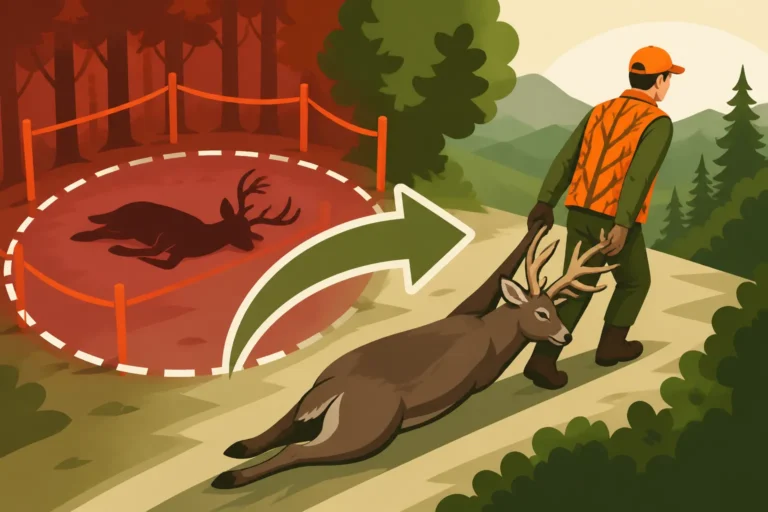
When transporting your bear, whether it’s in the bed of a truck, on a trailer, or quartered in game bags, you must ensure that your license, bear stamp, and the filled-out bear tag are readily available for inspection by a conservation officer. If you've quartered your bear for easier retrieval from rugged terrain, as often happens when hunting deep in the Monongahela National Forest, you still need to transport all edible portions and maintain evidence of the sex and species until it is checked. For example, if you've harvested a male bear, keeping the unskinned skull or the reproductive organs with the meat can serve as proof. This is critical, especially when hunters are handling a bear after the shot and beginning the field dressing process.
Special Rules for CWD Counties and Bear Carcasses
While Chronic Wasting Disease (CWD) is primarily a concern for deer in West Virginia's Chronic Wasting Disease counties, it's wise to be aware of any special carcass movement restrictions that might apply to any cervid carcass, and potentially, other game animals if regulations ever changed. For now, bear carcasses are generally not subject to the same strict movement restrictions as deer from CWD containment areas. However, it's always prudent to check the most current regulations for any updates, especially if you're hunting near or within one of West Virginia's CWD zones.
The WVDNR's primary concern with CWD is preventing its spread, and while bears don't carry CWD, the regulations are designed to be comprehensive. When transporting any game animal, ensure it's done respectfully and in a manner that doesn't cause alarm or public nuisance. If you're bringing a bear into an area for processing, be mindful of local ordinances and proper disposal of any non-edible parts.
Retention of Evidence and Tags
The bear tag, once punched and affixed, is your critical piece of evidence. It must remain attached to the bear until the animal is processed into cuts of meat and stored. This means if you're taking your bear to a butcher or taxidermist, the tag stays with the carcass. Even if you process the bear yourself, the tag should remain with the meat until it's ready for final storage.
Beyond the tag, if you opted for an online check and did not present your bear at a physical check station, you must retain adequate evidence of the bear's sex until it is processed. This typically means keeping the unskinned head with the hide, or the external genitalia, with the carcass. This allows a conservation officer to verify the sex of the animal should the need arise. Proper documentation of your harvest through the Go Wild West Virginia system, coupled with retaining physical evidence and the tag, ensures you are fully compliant with all state laws and avoid any potential West Virginia wildlife violation penalties.
Common Pitfalls and How to Avoid Them
Even experienced hunters can sometimes trip up on the details of harvest reporting. The excitement of a successful hunt, combined with fatigue and a rush to get home, can lead to mistakes. Understanding these common pitfalls and planning ahead is key to a smooth, legal bear checking process.
Missing Deadlines and Penalties
One of the most common and easily avoidable mistakes is simply missing the checking deadline. West Virginia law currently mandates that all harvested bears must be checked within 24 hours of the kill, or within 24 hours of leaving the field, whichever comes first. This isn't a suggestion; it's a strict rule. Imagine you kill a bear late in the evening in a remote area. If you spend the night retrieving it and don't get out of the woods until noon the next day, your 24-hour clock effectively started at noon.
Failing to check your bear within this timeframe can lead to significant penalties. These can range from substantial fines to the revocation of hunting privileges, which for many of us, is a far greater punishment than any dollar amount. To avoid this, always have a plan. Know where your nearest physical check station is, or ensure your Go Wild West Virginia app is downloaded, updated, and ready to go before you even leave for your hunt. Don't rely on finding cell service in every hollow. Make it a part of your post-hunt routine, just as essential as field dressing and retrieving your animal.
Hunter Responsibility and Due Diligence
Ultimately, the responsibility for understanding and complying with West Virginia's bear checking requirements falls squarely on the hunter. The WVDNR provides ample resources—from printed regulations to online portals and mobile apps—to ensure hunters are informed. It’s up to each of us to exercise due diligence. This means more than just a cursory glance at the regulations; it means a thorough understanding.
Before your bear hunt, take the time to read the section on bear regulations in the annual synopsis. Familiarize yourself with West Virginia bear checking requirements and understand the different methods available. If you have questions, don't guess. Reach out to the WVDNR directly or consult a conservation officer. Using planning tools like GoHunt to map out your hunting area, identify potential check station locations, and understand terrain challenges can also contribute to your overall preparedness and ensure you can fulfill your responsibilities effectively. Your diligence not only keeps you legal but also contributes to the positive image of hunters as responsible conservationists.
Getting Help When in Doubt
It's okay to not know everything, especially if you're new to bear hunting or if regulations have recently changed. The important thing is to seek clarification rather than proceeding incorrectly. If you find yourself in doubt about any aspect of the bear checking process, there are several avenues for help:
- WVDNR Website: The official West Virginia Division of Natural Resources website is a treasure trove of information. You'll find the complete hunting regulations synopsis, FAQs, and contact information.
- WVDNR District Offices: You can call or visit your nearest WVDNR district office. The staff there are knowledgeable and can answer specific questions about regulations in your area.
- Conservation Officers: If you encounter a conservation officer in the field, don't hesitate to politely ask for clarification. They are there to help enforce laws, but also to educate hunters.
- Experienced Hunters: Don't underestimate the wisdom of seasoned hunters in your community or camp. Many are happy to share their knowledge and guidance, just make sure to cross-reference with official regulations.
Taking the initiative to ask questions demonstrates a commitment to ethical and legal hunting practices. It’s always better to ask beforehand than to face penalties later. With a clear understanding of the rules and access to resources like the Go Wild West Virginia app, checking your hard-earned bear harvest will be a straightforward part of your exciting West Virginia hunting adventure.
Disclaimer
Please note that hunting regulations, including those pertaining to bear checking requirements, can change. While this guide provides comprehensive and up-to-date information, it is the individual hunter's responsibility to consult the official West Virginia Hunting and Trapping Regulations Synopsis annually, as well as any amendments published by the West Virginia Division of Natural Resources, before engaging in any hunting activities.