West Virginia Youth Deer Weekend Rules
The crisp autumn air in West Virginia often signals the start of deer season, but for many young hunters and their mentors, the anticipation begins even earlier with the Youth Deer Weekend. This special season can be an incredible opportunity to introduce kids to the outdoors, but navigating the specific rules, licensing, and safety requirements can feel a bit overwhelming, especially if you're new to mentoring. This guide is here to break down everything you need to know about West Virginia Youth Deer Weekend rules, ensuring a safe, educational, and memorable experience for everyone involved.
Understanding the Purpose of West Virginia's Youth Deer Weekend
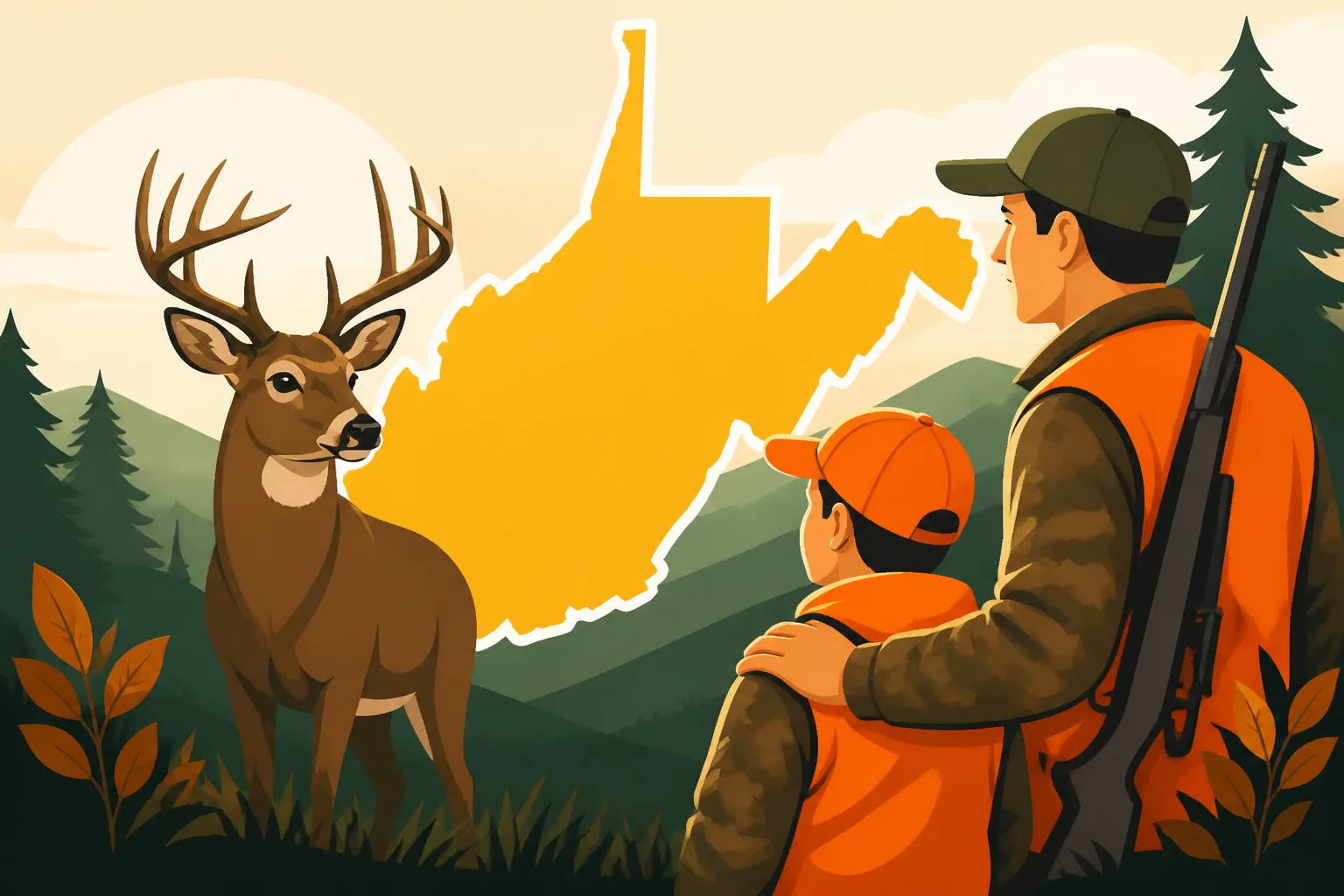
The Youth Deer Weekend isn't just another hunting opportunity; it's a strategically designed event by the West Virginia Division of Natural Resources (WVDNR) with several important goals in mind. For many families, it's the gateway to a lifelong passion, building character and connection to nature.
Fostering a Love for the Outdoors in Young Hunters
Let's be honest, getting kids interested in anything that doesn't involve a screen can be a challenge these days. The Youth Deer Weekend creates a dedicated time, often before the general firearm seasons open, that minimizes hunting pressure and allows for a more relaxed, educational atmosphere. It’s an invaluable chance to connect with nature, understand wildlife, and teach responsibility without the rush and competition that can sometimes accompany the regular season. For a child, the sheer wonder of seeing a deer in its natural habitat, even if no shot is fired, can ignite a spark that lasts a lifetime. It’s about more than just harvesting an animal; it’s about experiencing the wild, understanding ecosystems, and developing patience.
Parents and mentors often talk about how these weekends create some of their most cherished memories. It’s a chance to step away from daily routines, share knowledge, and bond over a shared outdoor pursuit. This dedicated time really helps in passing down the tradition of hunting, which is so vital for conservation efforts and maintaining our hunting heritage in the Mountain State.
Providing a Safe and Controlled Introduction to Hunting
Safety is, without a doubt, the top priority when taking a young person afield. The Youth Deer Weekend is structured to provide a more controlled environment for learning. With fewer hunters in the woods compared to the hustle and bustle of West Virginia's Buck Gun Season, young hunters can focus on the lessons at hand: proper firearm handling, shot placement, identifying game, and understanding their surroundings. This controlled introduction helps instill good habits from the very beginning.
Mentors are required to be hands-on, ensuring every step of the hunt, from walking to the stand to taking a shot and recovering game, is done safely and ethically. It’s not just about teaching them to pull a trigger; it’s about teaching respect for the animal, the land, and the regulations. It's a foundational experience that sets the tone for all future hunting endeavors, emphasizing that safety is non-negotiable.
Managing Deer Populations with Future Generations in Mind
Beyond fostering new hunters, the Youth Deer Weekend also serves a practical wildlife management purpose. By allowing young hunters to harvest deer, particularly antlerless deer, before the main gun seasons, it contributes to overall herd management. This can help keep deer populations healthy and within the carrying capacity of the land, especially in areas where numbers might be higher.
The WVDNR uses data from youth harvest reports to help make informed decisions about future season structures and bag limits. It’s a small but significant piece of the larger puzzle, demonstrating how responsible hunting, even by our youngest participants, plays a role in the conservation of West Virginia's deer herd. These early season opportunities for antlerless deer can be particularly important for local populations. For further information on how West Virginia manages its deer, check out the guide on White-Tailed Deer Across West Virginia.
Eligibility and Licensing for Young Hunters
Before a young hunter can even set foot in the woods for the Youth Deer Weekend, there are specific requirements concerning age, education, and licenses that must be met. This isn't just red tape; it's about ensuring preparedness and responsibility.
Age Requirements and Hunter Education
In West Virginia, the Youth Deer Weekend is generally open to hunters aged 8 to 17 years old. However, there's a crucial distinction based on age and whether a hunter has completed a hunter education course. For any young person under 18 to hunt, they must either possess a valid hunter education certificate or participate in the state’s Mentored Youth Hunting Program.
If your young hunter is 10 years old or older and has completed an approved West Virginia Hunter Education Requirements course, they are good to go. This course teaches vital lessons on firearm safety, ethics, wildlife identification, and regulations, giving them a solid foundation. If they are younger than 10, or haven't completed the course, they'll need to participate in the mentored program. It’s essential to plan ahead to get this certification, as classes fill up quickly, especially closer to hunting season. Many hunters use resources like GoHunt to keep track of available courses and deadlines.
Mentored Youth Hunting Program Details
The West Virginia Mentored Youth Hunting Rules are a fantastic pathway for younger children (typically 8 and 9 years old) and those who haven't yet completed hunter education to gain supervised experience in the field. Under this program, a mentor (who must be 21 years or older, licensed, and hunter-education certified) directly supervises the youth hunter. "Directly supervises" means the mentor must be close enough to assume immediate control of the firearm and provide instruction and assistance. Usually, this means within arm's length or in the same blind/stand.
The beauty of the mentored program is that it allows kids to experience hunting firsthand, fostering interest and skills, before they've completed the formal hunter education course. This is a brilliant way to gauge a child's interest and readiness without the pressure of an immediate certification. It's a stepping stone, designed to ensure a safe learning environment while still allowing participation. The mentor essentially bears full responsibility for the youth hunter's adherence to all hunting laws and safety practices, which is a big responsibility but also an incredible opportunity to teach.
License and Stamp Requirements for Youth
Even though it’s a youth season, licenses and stamps are still required. For West Virginia residents, a Class X combination license is often the most cost-effective option, as it covers various hunting and fishing activities. However, for just deer hunting, a Class A (resident hunting) license and a Class CS (conservation stamp) are generally needed. Additionally, a valid Deer Stamp is required for all deer hunters, regardless of age or residency.
For young residents, sometimes specific junior or youth licenses are available at reduced rates. Non-resident youth hunters will need to purchase the appropriate non-resident licenses and stamps. It's always best to double-check the current WVDNR regulations or use an online platform like GoHunt to ensure you have all the necessary permits before heading out. For a detailed breakdown of different options, consult West Virginia Resident License Options and West Virginia Deer, Turkey and Bear Stamp Rules. Make sure to buy these well in advance, as last-minute hiccups can quickly derail a planned hunt.
Key Dates and Regulations for the Youth Deer Weekend
Knowing when and how to hunt during the Youth Deer Weekend is just as critical as knowing who is eligible. These specific regulations are designed to keep the experience distinct and manageable.
When the Youth Season Typically Runs
The West Virginia Youth Deer Weekend usually takes place on specific dates in October, often a couple of weeks before the traditional statewide buck firearms season. These dates are typically announced well in advance by the WVDNR. For instance, in many past years, it has fallen on a Saturday and Sunday in mid-October. It's crucial to check the most current hunting regulations booklet or the WVDNR website each year, as dates can shift slightly due to calendar changes or other management considerations.
Having this weekend set apart from the general seasons means less competition in the woods and often allows for more comfortable weather conditions for young hunters, which is a huge plus when trying to keep enthusiasm high. Cooler weather usually means active deer and fewer bugs, making for a more pleasant experience overall. This early opening also often coincides with good deer movement as they transition to fall feeding patterns.
Legal Weapons and Equipment Restrictions
For the Youth Deer Weekend, hunters are generally permitted to use legal firearms, archery equipment (including crossbows), or muzzleloaders. The key is to ensure the weapon is appropriate for the youth hunter's size and skill level, and that it meets all state requirements for deer hunting.
- Firearms: Legal firearms usually include rifles meeting minimum caliber requirements (e.g., .22 centerfire and larger), shotguns (20 gauge or larger, using slugs), and handguns (specific caliber and barrel length rules apply). It's vital that the young hunter can safely and accurately handle the firearm.
- Archery Equipment: Bows and crossbows are legal. For crossbows, make sure to review the Crossbow Rules During West Virginia Archery Season if you're considering that option for your youth hunter.
- Muzzleloaders: Traditional or in-line muzzleloaders, typically .38 caliber or larger, are also permissible.
Blaze orange is a mandatory safety requirement for all hunters and mentors during this season. Both the youth hunter and the mentor must wear at least 400 square inches of blaze orange on their outer clothing, visible from all sides. A blaze orange hat is usually required too. This isn't just a suggestion; it's a legal and life-saving measure. More details can be found under West Virginia Blaze Orange Requirements. Ensuring the equipment fits the child is paramount—a gun that's too heavy or a scope with too much recoil can quickly turn a positive experience into a negative one.
Bag Limits and Antlerless Opportunities
During the Youth Deer Weekend, the bag limit is typically one deer per youth hunter. This deer can be either an antlered buck or an antlerless deer, provided the county where you are hunting allows for antlerless harvest during this special season. It's crucial to consult the current WVDNR regulations for county-specific antlerless deer rules, as these can vary significantly. Some counties might be antlerless-only, while others allow either sex.
This focus on allowing the harvest of either sex, particularly antlerless deer, often makes it easier for young hunters to experience success. It removes some of the pressure of waiting for that perfect buck, letting them focus on the fundamentals of the hunt. After a successful harvest, remember that all deer must be checked within 24 hours of kill or within the time period specified in the regulations for that particular year. You can often check your deer online using the Go Wild West Virginia app or website, or at an official checking station. The process for reporting a deer is covered in more detail in West Virginia Deer Reporting Requirements.
| Age Group | Hunter Education Status | Mentor Required | License/Stamps Needed | Bag Limit (Typically) | Legal Weapons |
|---|---|---|---|---|---|
| 8-9 years | No Hunter Ed | Yes (21+, licensed, hunter-ed) | Class A + CS + Deer Stamp (Resident) | One Deer (Either Sex if county permits) | Firearms, Archery, Muzzleloaders |
| 10-17 years | No Hunter Ed | Yes (21+, licensed, hunter-ed) | Class A + CS + Deer Stamp (Resident) | One Deer (Either Sex if county permits) | Firearms, Archery, Muzzleloaders |
| 10-17 years | Hunter Ed Certified | No (but highly recommended for youth) | Class A + CS + Deer Stamp (Resident) | One Deer (Either Sex if county permits) | Firearms, Archery, Muzzleloaders |
| Non-Resident Youth | Same rules apply | Same rules apply | Non-Resident Licenses/Stamps | One Deer (Either Sex if county permits) | Firearms, Archery, Muzzleloaders |
Note: Always consult the current West Virginia Hunting & Trapping Regulations for the most up-to-date and specific rules for the current season, as regulations can change.
Public vs. Private Land: Where Youth Can Hunt
Deciding where to take a young hunter can be a big part of the preparation. West Virginia offers a mix of public and private land opportunities, each with its own set of considerations.
Navigating Public Hunting Lands with Youth
West Virginia boasts an impressive amount of Public Hunting Land in West Virginia, including national forests, state forests, and numerous Wildlife Management Areas (WMAs). These lands are open to the public, including youth hunters, provided all regulations are followed. The advantage of public land is accessibility; you don't need special permission, and there's often vast acreage to explore.
However, public lands can also come with challenges. You might encounter other hunters, especially in easily accessible areas. This means more competition for prime spots and a greater need for awareness and patience. Scouting beforehand is absolutely crucial when hunting public land with youth. Identifying less-pressured areas, understanding access points, and having backup plans if your initial spot is occupied are all part of the game. For tips on how to prepare, consider checking out Scouting West Virginia Public Land Before Season. When hunting public land, it’s also important to be mindful of noise and distractions from other users, which can be amplified when trying to keep a young hunter focused.
Seeking Private Land Permission for Youth Hunts
Hunting on private land can offer a more controlled and potentially less-pressured experience for a young hunter. If you have access to private property, or are willing to put in the effort to ask for permission, it can often lead to a more successful and relaxed hunt. Farmers and landowners are sometimes more amenable to allowing youth hunters, especially if you approach them respectfully and responsibly.
When seeking permission, always be polite, clearly state your intentions (e.g., that you'll be mentoring a young hunter for the Youth Deer Weekend), and offer to share any harvested game or help around the property. Provide clear contact information and respect any specific rules the landowner has. Having written permission, or at least a clear understanding, is always a good idea to avoid any misunderstandings. For more in-depth advice on this, refer to Getting Private Land Permission in West Virginia. A positive experience on private land, free from the crowds, can build immense confidence in a young hunter.
Safety Considerations on Both Public and Private Ground
Regardless of whether you're on public or private land, safety remains paramount. This means not only adhering to blaze orange requirements and safe firearm handling but also being acutely aware of your surroundings. On public land, this includes identifying other hunters and communicating your presence. On private land, it means knowing property boundaries and any specific hazards.
Always discuss a clear plan with your youth hunter: where you'll be, what to do if you get separated, and how to signal. Carry a first-aid kit, and ensure both of you are familiar with the area. Using a reliable GPS app (like what GoHunt might offer, or even the Go Wild West Virginia app) on your phone, or a dedicated GPS unit, is invaluable for navigation, especially on vast public tracts. The most important safety consideration is constant, active supervision by the mentor, ensuring that every decision made afield prioritizes the well-being of the young hunter.
Essential Preparation and Safety Tips for Mentors
Being a mentor during the Youth Deer Weekend is a privilege and a significant responsibility. Proper preparation, clear communication, and an unwavering commitment to safety are the hallmarks of a good mentor.
Scouting and Stand Setup Before the Hunt
The groundwork for a successful youth hunt is laid long before opening morning. Thorough scouting of your chosen hunting area is critical. Look for fresh deer sign—tracks, rubs, scrapes, and feeding areas. Identify potential travel corridors and pinch points. The goal is to put your young hunter in a high-opportunity spot, but also one that is safe and manageable for a child.
When setting up a stand or ground blind, prioritize comfort and safety. A wide, stable ladder stand or a roomy ground blind often works best for youth, allowing them to move a little without being detected and providing some protection from the elements. Ensure shooting lanes are clear and that any potential shot angles are safe and ethical. Always have a clear understanding of what's beyond your target. Remember, a comfortable kid is a patient kid, and patience is key to hunting success. For insights into selecting the right location, check out guides like Hanging a Stand on a Steep Allegheny Ridge or Using a Ground Blind on West Virginia Public Land.
Emphasizing Firearm Safety and Ethical Shot Placement
Before the hunt, review all firearm safety rules repeatedly. "Treat every gun as if it's loaded," "Always point the muzzle in a safe direction," "Keep your finger off the trigger until ready to shoot," and "Be sure of your target and what is beyond it." These are not just slogans; they are fundamental principles. Practice shooting at a range beforehand to ensure the youth hunter is confident and proficient with their chosen weapon.
During the hunt, the mentor should always be aware of the firearm's orientation and be prepared to intervene if necessary. When a deer is sighted, guide the young hunter through the process: identify the animal, assess the shot opportunity, breathe, and squeeze the trigger. Emphasize ethical shot placement—aiming for the vital organs—to ensure a quick, humane kill. Talk about shot angles and what constitutes a responsible shot versus a risky one. Never pressure a child to take a shot they are not comfortable with. The learning experience is far more valuable than the harvest itself.
What to Do After the Harvest: Checking and Field Care
Should your young hunter be successful, the learning doesn't stop. This is another crucial opportunity for mentorship. The first step after the shot is to secure the area and ensure the deer is down. Approach cautiously. Once the deer is confirmed expired, guide the youth through the proper steps of field dressing. This can be a hands-on, if sometimes messy, lesson in anatomy and responsible hunting.
Explain why field dressing is important for preserving the meat. Teach them how to properly gut the deer, and then how to tag it immediately with their license information. Finally, guide them through the process of dragging or moving the deer from the field. This can be physically challenging, especially in West Virginia's rugged terrain. Discussing techniques for Dragging a Deer Off a Steep Ridge or using a deer cart on flatter ground is beneficial. As mentioned earlier, the deer must be checked with the WVDNR within 24 hours. This can be done online, by phone, or at a physical checking station. This entire sequence reinforces the responsibility that comes with hunting, from the shot to the table.
Common Challenges and How to Overcome Them
Hunting with youth, while incredibly rewarding, definitely comes with its unique set of challenges. Understanding and preparing for these can make all the difference in ensuring a positive experience.
Dealing with Distractions and Maintaining Focus
Let's face it, kids have short attention spans. Sitting still and being quiet for long periods can be a monumental task, especially for younger hunters. Distractions, whether it's a squirrel scampering up a tree, a passing bird, or just the urge to check their phone (even if you've tried to ban it!), are inevitable. As a mentor, your job is to anticipate and manage these.
Bring quiet snacks and drinks. Engage them in quiet conversation about nature – identifying trees, listening for sounds, or spotting wildlife that isn't deer. Point out tracks or other signs you might see. Make it an immersive educational experience, not just a waiting game. If they're getting restless, a short, quiet walk to stretch legs (if the situation allows) might be better than losing their interest entirely. Remember that the journey, the time spent together, is often more important than the destination of a deer in the truck. Using an app like GoHunt might even offer some interactive map features or species identification tools that could quietly engage them without being too distracting.
Weather Contingencies and Comfort for Kids
West Virginia weather, particularly in October, can be unpredictable. You might start the morning in frosty conditions only for it to warm up considerably, or a sunny day can quickly turn into a cold, driving rain. Being uncomfortable can quickly sap a child's enthusiasm and lead to a miserable experience.
Always over-prepare for weather. Dress your youth hunter in layers so they can adjust as temperatures change. Bring extra rain gear, even if the forecast looks clear. Ensure they have warm, waterproof boots. Hand warmers and a small blanket or cushion for the stand can also make a huge difference in comfort. If conditions become genuinely unpleasant or dangerous (like heavy thunderstorms or sudden drops in temperature), it's always okay to call it a day. The priority is safety and a positive experience, not enduring misery. Thinking about Cold-Weather Sitting Strategy in the Mountains will be key for these variable conditions.
Managing Expectations and Embracing the Experience
Perhaps the biggest challenge is managing expectations – both yours and the young hunter's. It's easy to get caught up in the idea of "getting a deer," but hunting, especially with a novice, rarely unfolds like a perfectly scripted movie. There will be slow times, missed opportunities, and perhaps even no deer sightings at all.
Teach your youth hunter that hunting is about much more than the kill. It's about spending time in nature, learning patience, honing observation skills, and building memories together. Celebrate the small victories: spotting a squirrel, identifying a bird call, or simply sitting quietly for an extended period. If a deer is harvested, it's a bonus and a culmination of all their hard work and patience. If not, reinforce that every hunt is a learning experience, and the time spent together is what truly counts. The goal is to instill a love for the outdoors and the hunting tradition, ensuring they want to come back again next year, regardless of the outcome.
Disclaimer
Please note: The information provided in this guide is intended for general informational purposes only and does not constitute legal advice. Hunting regulations in West Virginia are subject to change. Always consult the most current West Virginia Division of Natural Resources (WVDNR) hunting regulations booklet or their official website before participating in any hunting activities. It is the hunter's responsibility to know and follow all applicable laws and regulations.