Hanging a Stand on a Steep Allegheny Ridge
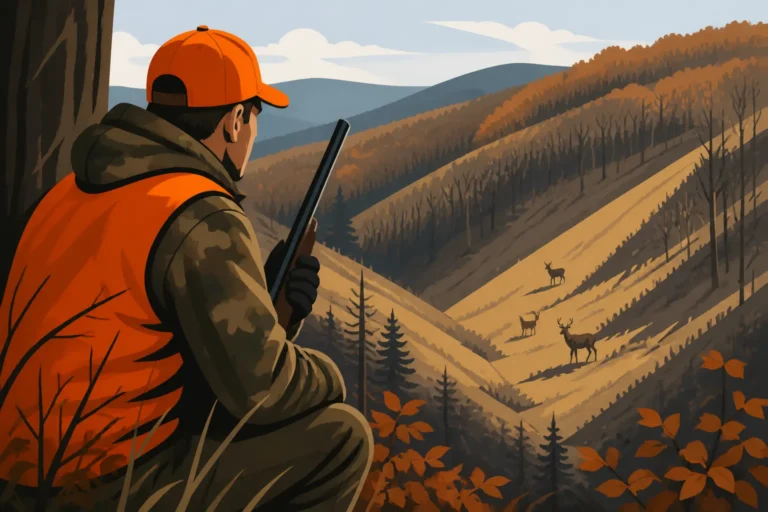
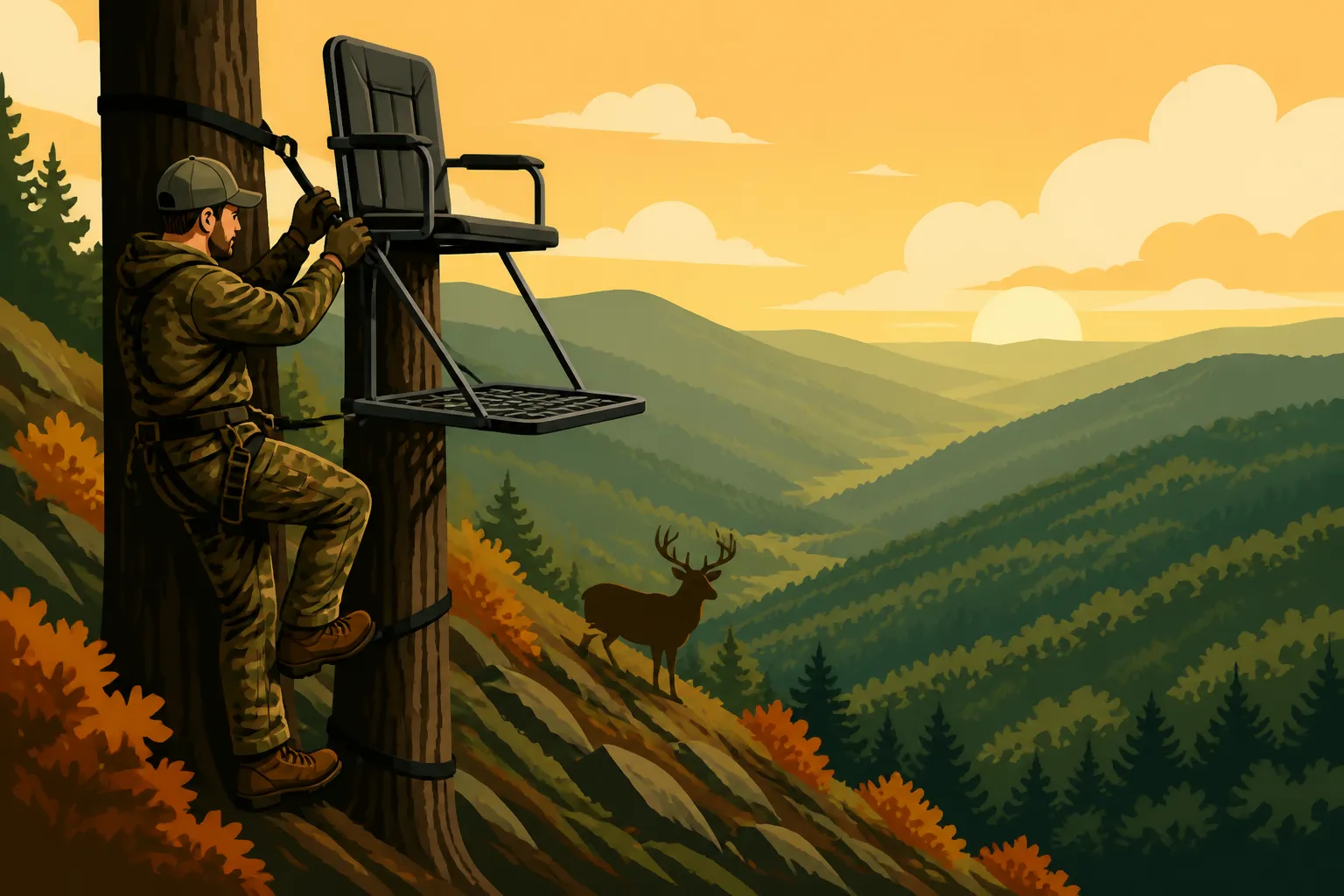
Trying to hang a deer stand on a steep Allegheny ridge can feel like a wrestling match with gravity itself. It's not just about finding a tree; it's about navigating treacherous inclines, figuring out where deer actually travel in such unforgiving terrain, and ensuring your setup is both safe and effective. This guide will walk you through the nitty-gritty of choosing, scouting, and installing your stand in West Virginia's challenging mountain country, helping you conquer those slopes for a successful hunt.
Understanding the Unique Challenges of Steep Mountain Terrain
Hunting West Virginia's rugged Allegheny ridges is a beast of its own. It's a completely different ballgame than hunting flat agricultural lands or rolling hills. The very landscape presents obstacles that you absolutely need to anticipate and account for long before you even think about climbing a tree.
Energy Expenditure and Physical Demands
Let's be real, climbing these mountains with a stand, sticks, and a pack full of gear is a workout. You're not just walking; you're often scrambling, slipping, and pulling yourself up. This isn't just about physical fitness; it impacts your mental game and your hunting strategy. If you're completely gassed by the time you reach your spot, your scent is going to be through the roof, your focus will be shot, and you're more likely to make mistakes. A long, strenuous hike in also means you're probably sweating buckets, which is a major concern for scent control, especially when deer are so tuned into human odors. Consider using a good pack, perhaps one with a strong frame, to distribute the weight better. Lightweight climbing sticks and stands, while sometimes pricier, pay dividends in energy saved. Remember, every extra pound feels like five when you're going straight up a mountain.
Thermal Currents and Unpredictable Winds
One of the biggest headaches on steep terrain is the wild card of wind and thermals. Unlike flat ground where a weather app might give you a fairly reliable wind direction, mountains are a different story entirely. Thermals are essentially air currents created by temperature changes – warm air rises, cool air sinks. In the morning, as the sun heats the slopes, thermals rise. In the evening, as temperatures drop, they fall. This means your scent cone can shift dramatically throughout the day, often pushing your odor up a ridge in the morning and down into a hollow in the afternoon. You might think you have the perfect wind, only for a subtle shift in temperature or even just the sun hitting a different part of the mountain to completely betray your position. Understanding and anticipating these shifts is critical. It often means adjusting your hunting times, or even having multiple stand locations to account for different thermal patterns throughout the day. It’s not just about knowing the general direction; it's about knowing if your scent will get sucked up or dumped down a hollow. This aspect is so crucial that ignoring it can render the best-scouted spot useless. You can learn more about how to navigate these challenges by exploring Wind and Thermals on a Steep Ridge.
Unique Deer Movement Patterns
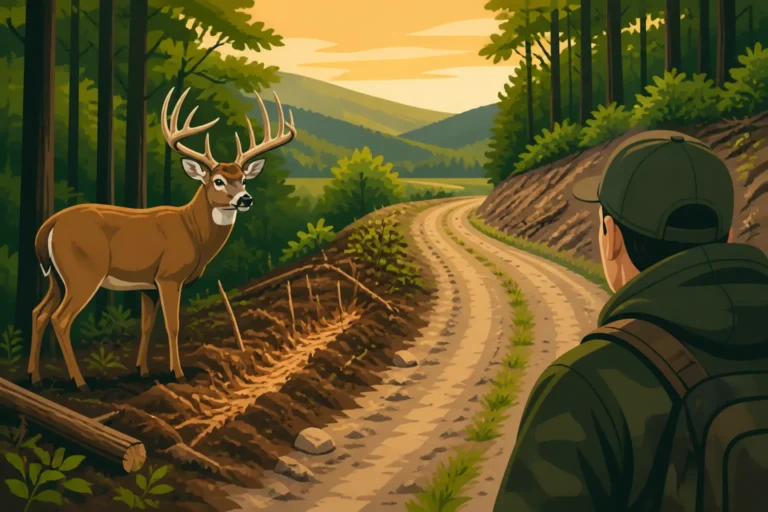
Deer move differently on steep ridges. They're not going to meander aimlessly up and down the steepest parts unless absolutely necessary. Instead, they often seek the path of least resistance. This means they'll utilize natural benches, saddles, and logging roads that run horizontally or at a gentler incline along the contours of the mountain. These natural travel corridors are your goldmines. Bucks, especially older ones, will often skirt just below the ridgeline, using the crest for cover while still having a vantage point, or they might stick to thick laurel and rhododendron patches that offer dense security cover. Identifying these subtle breaks in the terrain – a slight flattening, a dip, or a bench that's only visible on a detailed topo map or aerial photo – is key to predicting their movements. Often, deer will bed on the leeward side of a ridge (sheltered from the wind) or on points that allow them to see and smell approaching danger. They'll travel between these bedding areas and feeding areas in creek bottoms or on high-elevation benches with mast trees. Understanding Where Monongahela Forest Bucks Bed can give you an edge in these remote settings.
Scouting for Stand Locations on Allegheny Ridges
Effective scouting is paramount when hunting steep country. You can't just pick a tree and hope for the best; you need to become a detective of the forest, reading the landscape and interpreting every sign.
Identifying Key Deer Sign and Travel Corridors
Your primary mission while scouting is to find definitive deer sign. We're talking fresh rubs, active scrapes, well-worn trails, and significant droppings. On steep ridges, these signs often cluster around those natural travel corridors we discussed earlier: benches, saddles, and terrain features that funnel deer movement. A saddle, for instance, is a low point between two higher peaks on a ridge, acting as a natural crossing point for deer moving from one side of the mountain to another. These are classic ambush spots. Look for trails that parallel the main ridge line, often just below the crest or along a distinct bench. Don't be fooled by faint trails; focus on the ones that show consistent, heavy use.
Sometimes, especially on heavily timbered public land, you'll find deer utilizing old logging roads or even faint footpaths from human activity because they provide easier travel than pushing through dense undergrowth. During early season, deer might be focused on water sources in creek bottoms, while later in the season, they’ll concentrate on mast crops like acorns higher up the slopes. Pay close attention to what the deer are currently feeding on. A tool like GoHunt can be invaluable here, allowing you to layer topographic maps with satellite imagery to identify these subtle terrain features and potential food sources before you even set foot in the woods. When you’re scouting, also look for "buck sign" like large rubs or scrapes, which indicate mature buck activity. These are often found along secondary trails or at the edges of thick cover.
Reading Topography and Aerial Photos
Before you even step into the woods, spend some serious time with a good topographical map and aerial photos. This is where apps like GoHunt truly shine. You can zoom in and identify potential benches, saddles, and drainages that act as natural funnels. Look for abrupt changes in elevation, which can create those crucial thermals we talked about, or gentle slopes that might make for easier deer travel. Imagine yourself as a deer and try to plot the easiest and safest routes. Where would you go from bedding to feeding? Where would you cross a ridge?
Aerial photos will help you pinpoint different types of cover – thick clear-cuts, mature timber, laurel patches – and how deer might use these for bedding or travel. Combine the two: use the topo map to understand the elevation changes and the aerial photo to see the vegetation. This combination is powerful for understanding the lay of the land and predicting deer movement. For instance, a small, subtle bench that's invisible on the ground from a distance might jump out on a topo map. Then, the aerial photo can confirm if there's enough mature timber on it to hold a stand. This preparation can save you hours of grueling, unproductive hiking. Learning to use these tools effectively is part of Scouting West Virginia Public Land Before Season.
Understanding Wind, Thermals, and Sun Exposure
We've already touched on wind and thermals, but their role in scouting cannot be overstated. When you identify a potential stand location, mentally (or even physically, if you have the time) evaluate how your scent will behave at different times of the day given the prevailing winds and typical thermal shifts. For example, if you plan to hunt an evening sit, you'll want to be set up so your scent is being pulled down the mountain and away from any deer moving up from the bottom. If you hunt in the morning, the opposite is often true, with thermals rising and pulling your scent up.
Sun exposure is another often-overlooked factor. A stand on an east-facing slope will be hit by morning sun, warming up faster and potentially influencing thermals sooner. A west-facing slope will hold its cool morning air longer. This subtle difference can be the deciding factor in whether a deer catches your scent. Also, consider how the sun will hit your face and your stand. A stand that's constantly bathed in direct sun can be uncomfortable and make it harder to see. Think about the angle of the sun at different times of day relative to your chosen tree, especially when trying to set up on a high elevation mountain bench.
The Art of Safe and Effective Stand Placement
Once you've done your homework and identified a promising spot, it's time to get down to the business of hanging your stand. Safety is non-negotiable, and effectiveness comes from careful execution.
Essential Safety Gear and Practices
Before you even think about climbing, let's talk safety. This is the mountains; falls here can be catastrophic. Always, always wear a full-body harness, even when climbing up to hang your stand. Attach yourself to the tree from the moment your feet leave the ground until you're back down. Use a lineman's belt to secure yourself while climbing and a tree strap (or lifeline) once you're in the stand. Practice setting up your stand at home or in a safer, less steep environment first.
On steep ground, footing is precarious. Make sure your climbing sticks are firmly anchored and level. Carry a sharp knife, a small first-aid kit, and a fully charged phone (though service can be spotty in the Alleghenies). Tell someone exactly where you're going and when you expect to be back. Consider carrying a satellite messenger or personal locator beacon if you're truly deep in the backcountry. The adrenaline of the hunt can make you complacent, but a moment of carelessness can have lifelong consequences. You can never be too safe, especially when you're working alone. More on this crucial topic can be found in Treestand Safety Gear for Steep Ground and Safety Harnesses and Lifelines.
Choosing the Right Stand Type and Tree
For steep terrain, mobility and stability are key. Lightweight climbing sticks paired with a quality hang-on stand are generally the most versatile. Climber stands can be tricky on crooked or limby trees common in the mountains, but if you find a perfectly straight, limbless tree, they can be fast. Saddle hunting is also gaining popularity, offering excellent mobility and stealth for these types of challenging environments. With a saddle, you're always facing the tree, which can be advantageous on a steep sidehill where you might need to adjust your shot angle quickly.
When selecting a tree, look for one that is sturdy, healthy, and offers good concealment. It needs to be straight enough to safely attach your stand and climbing sticks, but also have enough cover from surrounding branches or smaller trees to break up your silhouette. Avoid dead or diseased trees, or those with significant lean. Ideally, the tree should be on the downhill side of a subtle bench or trail, allowing you to shoot down into the travel corridor. If possible, pick a tree with a similar bark color to your stand to help it blend in. When using a hang-on stand, think about the angle of the tree relative to the contour of the hill. You might need to adjust the stand platform to be level for comfortable and safe standing.
Optimal Stand Height and Shooting Lanes
On steep ground, your effective shooting lanes can be drastically different. A stand that's 20 feet high on flat ground might feel like 30 feet when you're shooting straight down a steep slope. Generally, you want to be high enough to be above the deer's line of sight and to minimize scent detection, but not so high that your shot angle becomes too extreme, increasing the risk of deflections or poor shot placement.
When hanging your stand, clear shooting lanes that cover the most likely travel routes for deer. This means using a small folding saw to trim branches before you put your stand up, or from the safety of your stand. Trim not just for your bow or rifle, but also for visibility. Don't over-clear; leave enough cover around you to remain hidden. On a steep sidehill, you might only have a limited window of opportunity to shoot, so make sure those windows are clear. Think about your effective range from the stand, considering the steep angles. A deer at 30 yards on flat ground is one thing, but 30 yards straight down a mountain is a whole different shot. If you are a bowhunter, practice steep angle shots before the season. For more insights on this, refer to Treestand Setups in Monongahela National Forest.
Planning Your Entry and Exit Routes
This is arguably as important as the stand placement itself. A perfectly placed stand is useless if your entry or exit spooks every deer in the county. On steep ridges, entry and exit routes must be planned with wind and thermals in mind, just like your stand placement. Always try to approach and depart your stand with the wind in your face or crosswind, never blowing your scent towards where you expect deer to be.
Use natural terrain features for cover. Creek beds, thick laurel patches, or the back side of a ridge can provide excellent concealment for your walk in and out. Avoid walking directly through known bedding areas or feeding zones. You might need to take a longer, more circuitous route to stay undetected, but it’s worth it. When approaching your stand in the morning, try to stay low where thermals are falling, and when leaving in the evening, stick to higher ground where thermals are rising. This strategic movement minimizes your chances of bumping deer. After a long hike, especially if you're hunting during West Virginia's Long Archery Season, ensure you have enough energy for a quiet, stealthy departure.
Post-Setup Considerations and Ongoing Management
Once your stand is hung, the work isn't entirely over. The mountains are dynamic, and your setup needs ongoing attention to remain effective throughout the season.
Scent Control on Steep Approaches
Even with the best planning, a steep hike generates sweat, and sweat means scent. Beyond showering with scent-eliminating soap and washing your clothes in scent-free detergent, consider what you wear on your walk in. Many hunters wear lightweight, breathable "travel clothes" that they shed before climbing into their stand, changing into their primary hunting attire at the base of the tree. Store your hunting clothes in scent-proof bags.
Another crucial element is personal hygiene. Use scent-free deodorant and avoid any scented products. This is a battle you fight before you even leave your truck. If you're going to use an ozone generator, run it on your clothes on the drive up or while at camp. The goal is to minimize, not eliminate, your scent, as complete elimination is impossible. However, by taking every reasonable precaution, you drastically reduce your footprint and increase your chances. A good pair of rubber boots can also help contain foot odor.
Ongoing Observation and Adaptability
The mountains are constantly changing. Food sources deplete, weather patterns shift, and hunting pressure from other hunters can push deer into new areas. What was a hot spot in early October might be a ghost town by late November. After you've hung your stand, don't just leave it. Periodically check on it. Monitor game cameras, if legal and permitted in your area, to see how deer movement changes. Are they still using that bench, or have they shifted to a different part of the mountain because the acorns are gone there and now they are focused on a different mast crop?
Be prepared to move your stand if necessary. Sometimes, the perfect tree just doesn't produce, or deer patterns change due to pressure from Opening Weekend Crowds on West Virginia Public Land. Don't be afraid to pull stakes and relocate to a fresher sign. The hunter who is adaptable and willing to adjust to changing conditions is often the one who finds success in challenging terrain. Using your GoHunt mapping tools to monitor changes in habitat or recent timber cuts can also give you an edge in anticipating these shifts.
Adjusting for Different Seasons and Weather
Deer behavior varies dramatically throughout the hunting seasons. Early archery might see deer focused on specific food sources, while the rut in mid-November will have bucks cruising for does, often using those ridge-top saddles and benches more frequently. Late season, especially during Hunting the Late-Season December Lull, will find deer focused intensely on remaining food sources and bedding down in dense thermal cover. Your stand placement needs to consider these seasonal shifts. A stand perfect for the rut might be useless in December.
Weather also plays a huge role. Cold fronts often trigger increased deer movement. Heavy winds might push deer into sheltered hollows. Snow can reveal fresh tracks, helping you confirm current travel routes, as highlighted in Reading a Hollow for Deer Movement After Snow. Be prepared to layer up for cold-weather sitting strategy in the mountains, bringing extra clothing or even portable heaters. Having a backup stand location or a ground blind option for different weather conditions can save a hunt that would otherwise be ruined by a sudden change in temperature or precipitation.
Here's a quick comparison of different stand types for steep terrain:
| Stand Type | Pros | Cons | Ideal Terrain/Use |
|---|---|---|---|
| Hang-On Stand | Lightweight, versatile for crooked trees, quiet. | Requires climbing sticks, more setup time per spot. | Steep, dense timber; multiple stand locations. |
| Climber Stand | Fast setup on ideal trees, no sticks needed. | Limited to straight, limbless trees; noisy during ascent. | Gentle to moderate slopes with specific tree types. |
| Saddle Hunting | Ultra-light, highly mobile, 360-degree shooting. | Learning curve, less comfortable for long sits, exposed. | Steep, challenging terrain; run-and-gun tactics, stealth hunting. |
| Ground Blind | Excellent concealment, comfortable, easy access. | Limited visibility, scent containment challenges, bulky. | Field edges, clearings, specific funnels in thick cover. |
Disclaimer
Hunting carries inherent risks, including serious injury or death. Always prioritize safety, understand and follow all West Virginia hunting regulations, and ensure you are proficient with your equipment. The information provided here is for educational purposes and should not replace professional safety training or local legal advice. Always obtain necessary permits and landowner permissions.