West Virginia Deer Farm Regulations
The landscape of wildlife management in West Virginia is a complex tapestry, and perhaps no thread is more intricate or often misunderstood than that of deer farming. Many hunters and landowners alike are curious about the rules governing captive cervids, often wondering if raising deer for commercial purposes is even legal, or how it differs from managing wild populations. This guide aims to clear up the confusion surrounding West Virginia's specific regulations on deer farms, detailing the permits, protocols, and precautions in place to protect both captive animals and our cherished wild deer herd.
Understanding West Virginia's Stance on Captive Cervids
West Virginia takes a very deliberate approach to any operation involving captive wildlife, especially deer. Unlike some states that have robust deer farming industries for venison, breeding, or even "canned hunts," West Virginia's regulations are primarily shaped by a strong focus on wildlife health and the integrity of its wild populations. The state aims to strike a balance, albeit a conservative one, between potential agricultural interests and vital conservation efforts.
The Distinction Between Wild Deer and Farmed Deer
It's crucial to understand that from a regulatory standpoint, there's a world of difference between a wild white-tailed deer roaming the Allegheny Mountains and a deer kept within a high-fence enclosure on a private farm. Wild deer, by their very nature, are managed by the West Virginia Division of Natural Resources (WVDNR) as a public trust resource. Their health, movements, and populations are subject to hunting regulations, seasons, and strict conservation policies. They are truly wild.
Farmed deer, on the other hand, fall under the jurisdiction of agricultural departments, treated more like livestock. This distinction isn't just bureaucratic; it's fundamental to understanding the differing regulations. The biggest concern driving this separation is disease. Wild deer are inherently exposed to natural environmental stressors and diseases, but the close confinement of farmed deer, often with genetics from various sources, can create hotbeds for pathogens. Preventing the spread of diseases, particularly Chronic Wasting Disease (CWD), from captive to wild populations is paramount. This fear is a driving force behind many of the state's protective measures, aiming to safeguard the health of our deer, which you can learn more about in Chronic Wasting Disease in West Virginia Deer.
Historical Context of West Virginia Deer Farming
Historically, West Virginia has never had a large, widespread deer farming industry like some other states. The mountainous terrain, smaller agricultural land base, and a strong public land hunting tradition have always leaned towards valuing wild deer above captive operations. For a long time, the concept of commercially raising deer was either non-existent or heavily restricted. While there have been sporadic attempts or proposals over the years, the state has consistently erred on the side of caution, particularly as understanding of wildlife diseases like CWD has grown. The state's general philosophy has been to protect its wild deer herd and the hunting heritage it supports. This conservative stance reflects a long-held belief that the value of our wild deer, both ecologically and economically through hunting tourism, far outweighs the potential benefits of a captive cervid industry that carries inherent risks.
The Role of the West Virginia Department of Agriculture
While the WVDNR manages our wild deer, bears, turkeys, and other game, the primary oversight for any captive cervid operation, including deer farms, falls under the West Virginia Department of Agriculture (WVDA). This division handles the licensing, health protocols, and inspection of these facilities. This split jurisdiction can sometimes be confusing for landowners or aspiring deer farmers, who might initially contact the WVDNR. However, the WVDA is the central authority responsible for ensuring that captive cervid operations meet specific health, safety, and welfare standards, largely mirroring how they regulate other livestock operations. They enforce strict regulations designed to prevent disease transmission, manage animal welfare, and track movements of animals to ensure accountability and public health. This collaboration, or rather, division of labor, ensures that while wild deer are managed for sport and conservation, captive deer are managed for agricultural purposes with strict biosecurity protocols.
Navigating the Complexities of Deer Farm Licensing and Operation
Operating a deer farm in West Virginia isn't as simple as fencing off a pasture and buying some deer. The process is layered with specific permits, stringent facility requirements, and strict rules regarding the acquisition and sale of animals. It's designed to be a thorough and cautious system, which can be daunting for newcomers, but it’s essential for public and animal health.
Permit Requirements for Operating a Deer Farm
To legally operate a captive cervid facility in West Virginia, you first need to jump through a series of regulatory hoops. This primarily involves obtaining a "Captive Cervid Registration Certificate" from the West Virginia Department of Agriculture. This isn't a one-and-done application; it requires detailed plans and ongoing compliance. Prospective operators must submit comprehensive applications detailing their facilities, animal care plans, disease prevention strategies, and how they intend to comply with all state and federal regulations. The WVDA reviews these applications meticulously, often requiring site inspections before approval. The WVDNR's direct role here is minimal, as their jurisdiction ceases once an animal is legally deemed "captive." However, they maintain an interest due to the potential impact on wild populations, especially concerning diseases. Understanding these initial requirements is key, and it's recommended to consult the WVDA directly for the most up-to-date forms and guidance, as they can change.
Enclosure and Animal Care Standards
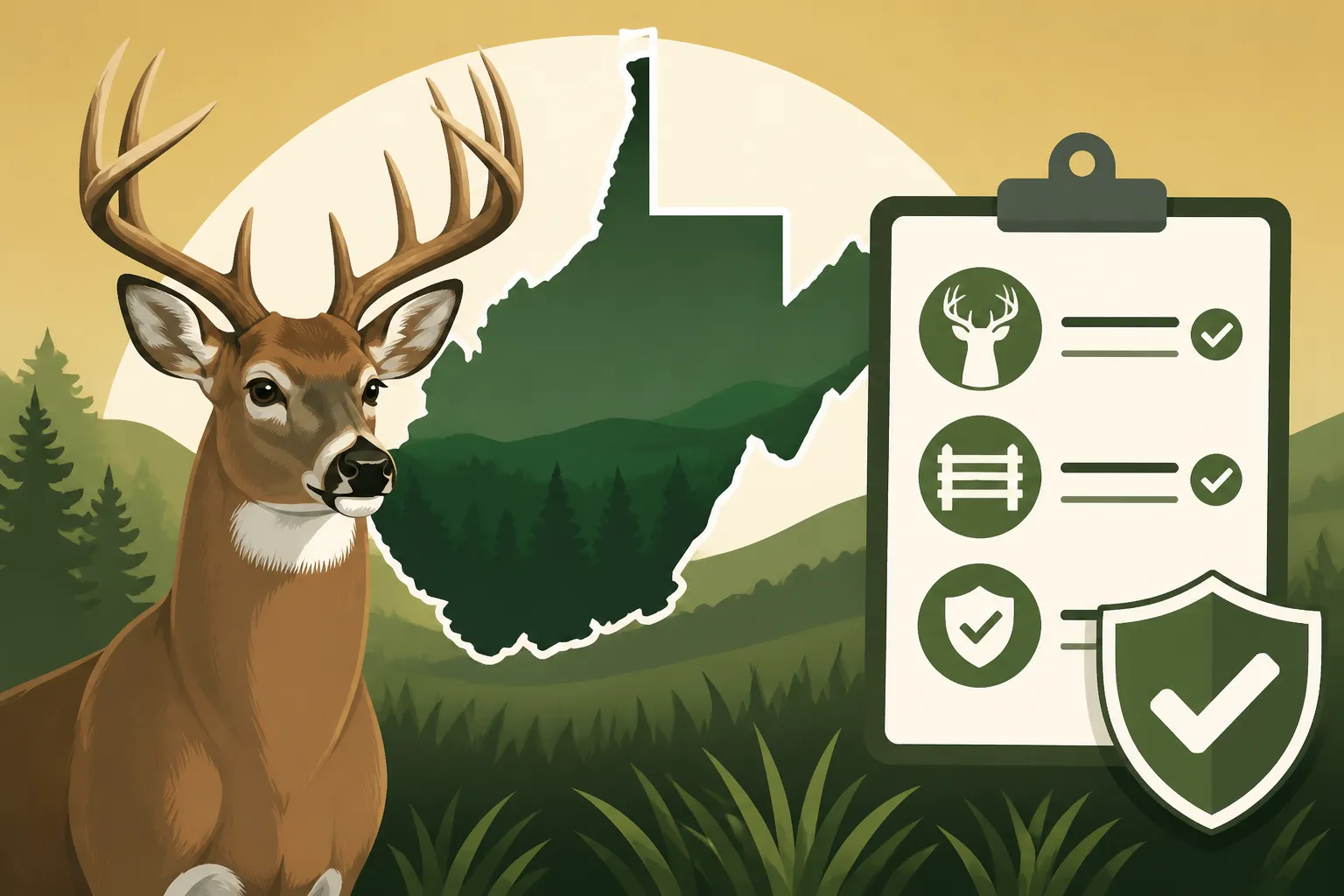
The physical infrastructure of a deer farm is subject to very specific and rigorous standards to ensure both animal welfare and biosecurity. Facilities must have robust, high fencing—typically at least 8 feet tall with specific gauge wire and burial depths—to prevent the escape of captive deer and to keep wild deer from entering. This barrier is critical to prevent nose-to-nose contact and potential disease transmission. Think about the fencing requirements if you were trying to prevent the spread of something like CWD; the fence becomes your first line of defense.
Beyond fencing, the WVDA also dictates standards for animal care, including adequate shelter, clean water sources, and appropriate nutrition for the species being raised. Regular veterinary care, including vaccinations and health checks, is mandatory, and detailed records must be kept for each animal. This ensures that the deer are kept in humane conditions and that any health issues are quickly identified and addressed. A robust animal care plan is not just good practice; it's a legal requirement designed to protect the animals and, by extension, the wild populations around them. GoHunt might offer useful mapping tools if you're assessing potential land for fencing, allowing you to visualize terrain and property lines for optimal enclosure design.
Restrictions on Sourcing and Selling Deer
The rules around where you can get deer for your farm and where you can sell them are among the strictest. West Virginia severely restricts the importation of cervids from other states, primarily due to the risk of introducing diseases like CWD. Any animals brought into the state must come from certified CWD-free herds and undergo extensive health testing and quarantine protocols. This isn't just about West Virginia; federal regulations also play a significant role here, governing interstate animal movement.
Similarly, selling deer from a West Virginia farm requires careful adherence to state and federal guidelines. Sales are typically limited to other licensed captive cervid facilities, and animals must meet specific health certifications before transfer. The idea of releasing farmed deer into the wild, or selling them for "trophy hunts" where the animal is simply released into a larger enclosure for pursuit, is either heavily restricted or outright prohibited in West Virginia, contrasting sharply with practices in some other states. The emphasis remains on controlling the genetic and disease integrity of the wild herd. This is part of the broader effort to protect our native species, and knowing Game You Cannot Hunt in West Virginia helps clarify what's strictly managed versus prohibited entirely.
Disease Management and CWD Concerns in Captive Herds
Disease is the elephant in the room when discussing deer farming, and in West Virginia, Chronic Wasting Disease (CWD) is the primary concern. The state's regulations are heavily influenced by the presence of CWD in certain counties and the ever-present threat it poses to both captive and wild cervids. These protocols are designed to be rigorous, aiming to create a firewall between managed herds and the greater wild population.
Mandatory Testing and Surveillance Protocols
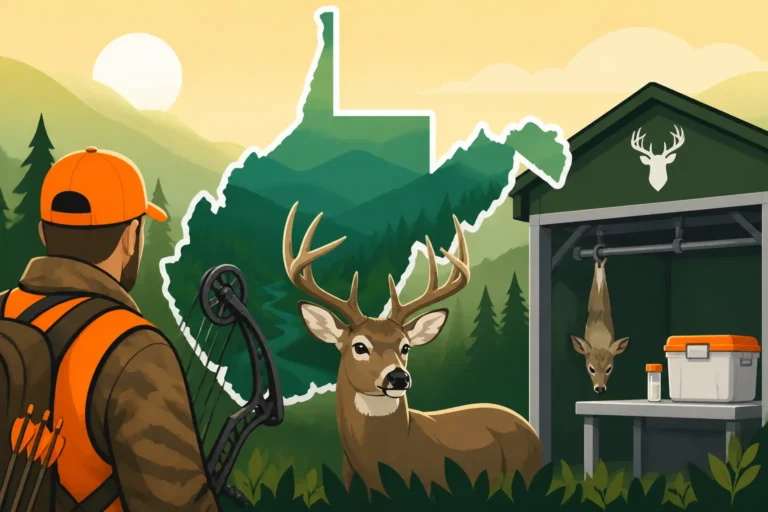
Any deer farm operating in West Virginia is subject to mandatory CWD testing and a comprehensive surveillance program. This means that all cervids that die on the farm, regardless of the cause, must be tested for CWD. This proactive testing is critical for early detection and containment. If CWD is detected in a captive herd, the implications are severe, often leading to depopulation of the affected herd and strict quarantine measures for the facility.
Beyond CWD, farms are also part of broader animal health surveillance. They must report any unusual sickness or mortality events to the WVDA, allowing for rapid investigation of other potential diseases that could threaten agricultural animals or even jump to wild species. This constant vigilance, including regular herd inspections and veterinary visits, forms the backbone of West Virginia's strategy to keep its captive cervid industry as disease-free as possible. For hunters, understanding West Virginia CWD Testing for Hunters shows just how serious the state takes this threat.
Carcass Handling and Disposal Regulations
When a deer on a farm dies, whether from natural causes, culling, or accidental injury, its carcass handling and disposal are subject to strict regulations. If the animal is undergoing mandatory CWD testing, its carcass must be properly secured and transported to a designated testing facility, typically a diagnostic lab. The WVDA has clear guidelines on how these carcasses must be stored and moved to prevent any potential environmental contamination or scavenging by wild animals before testing is complete.
If a deer tests positive for CWD, or if a farm is in a CWD-affected area, disposal protocols become even more stringent. Often, this involves incineration or specific burial procedures that prevent environmental prion contamination. These measures are critical to mitigate any risk of CWD prions entering the soil or water, where they could potentially be picked up by wild deer or other wildlife. This is particularly relevant when considering the proximity of CWD zones, which you can read more about in West Virginia's Chronic Wasting Disease Counties.
Implications for Wild Deer Populations
The biggest overarching concern with deer farms, and the driving force behind most West Virginia regulations, is the potential for disease transmission to wild deer populations. CWD prions are incredibly persistent in the environment, and even a single escaped infected animal or improper carcass disposal could have devastating consequences for wild herds. If CWD spreads from a captive facility into wild deer, it could severely impact hunting opportunities, herd health, and the state's economy for decades.
West Virginia's stringent regulations are a direct response to this threat. They aim to prevent any scenario where captive deer could interact with wild deer or contaminate their environment. The state prioritizes the health and sustainability of its wild deer over the expansion of a commercial captive cervid industry, reflecting a broader public interest in protecting hunting traditions and the natural ecosystem. The state also engages in ongoing West Virginia Wildlife Disease Monitoring to track the health of both wild and captive populations.
Impact on Hunters and West Virginia's Wildlife Legacy
The presence and regulation of deer farms in West Virginia directly and indirectly affect the hunting community and the state's wildlife legacy. From how public land is managed to the ongoing debate about ethical hunting, these operations touch upon core values held by many West Virginians.
How Deer Farms Affect Public Land Hunting
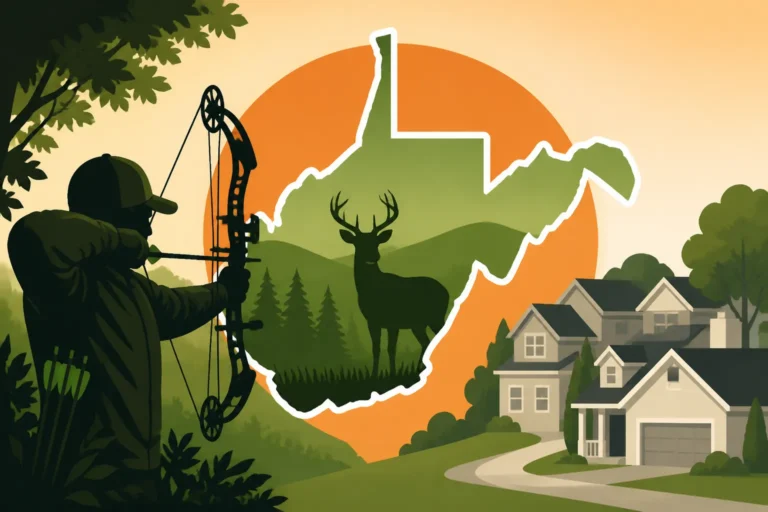
While deer farms are typically private operations, their existence and the regulations surrounding them can subtly influence public land hunting. The most direct impact comes from disease control. If a deer farm is located near public hunting grounds and has a CWD outbreak, it could lead to increased testing requirements for hunters in the vicinity or even localized hunting restrictions. The WVDNR and WVDA work collaboratively to contain any such outbreaks, which might include surveillance measures that affect how hunters harvest and check deer.
Beyond disease, there's also the philosophical aspect. Many public land hunters cherish the "wild" aspect of their pursuit. The idea of deer being raised in captivity, even for agricultural purposes, can sometimes clash with this ethos. However, West Virginia's strict fencing and non-release policies for captive cervids mean that, for the most part, hunters on public lands are unlikely to encounter escapees or directly interact with farmed deer. The primary concern remains the invisible threat of disease, and the proactive measures taken to prevent it from affecting the wild herds that roam our state's beautiful forests and mountains. You can find more information about the general framework for deer hunting in West Virginia Deer Season Structure Explained.
Hunter Perspectives on Captive Deer Operations
The West Virginia hunting community holds a diverse range of opinions on deer farms. For many traditional hunters, the idea of raising deer for commercial purposes, particularly if it involves "trophy" sales, can be controversial. Concerns often revolve around the ethics of hunting animals raised in captivity, the potential for genetic dilution if escapees breed with wild deer, and the ever-present risk of disease transmission. These hunters often feel that deer should remain wild animals, managed through sound conservation principles and fair chase hunting.
On the other hand, some landowners or those involved in agricultural pursuits might see deer farming as a potential revenue stream or a way to manage specific genetics. They might argue that regulated deer farms contribute to agricultural diversity and provide economic opportunities. However, even within this perspective, there's a strong acknowledgment of the need for stringent regulations to protect wild populations. The debate is rarely black and white, often highlighting the tension between commercial interests and deeply held conservation ethics. Using resources like GoHunt can help hunters better understand the land ownership and regulatory overlays when choosing hunting locations, whether they are on public land or seeking Getting Private Land Permission in West Virginia.
The Future of Deer Farming in West Virginia
Given West Virginia's conservative approach and the ongoing challenges of CWD, the future of large-scale deer farming in the state appears limited. Regulations are more likely to become even stricter rather than more lenient, especially as scientific understanding of diseases like CWD evolves. The state will likely continue to prioritize the health and sustainability of its wild deer populations, which are a vital part of its ecological and economic landscape.
Any potential expansion of the captive cervid industry would face significant regulatory hurdles and likely public scrutiny. For those considering entering this niche agricultural market, it's paramount to stay informed about the latest WVDA regulations and to understand the substantial commitment to biosecurity and animal health compliance required. West Virginia's legacy is deeply tied to its wild spaces and the animals that inhabit them, suggesting a future where conservation of these resources will remain paramount.
West Virginia Deer Farm Regulations Table
Here's a simplified overview of key regulatory differences and concerns regarding deer farming in West Virginia:
| Feature/Concern | Wild Deer (WVDNR Managed) | Captive Deer (WVDA Regulated) |
|---|---|---|
| Primary Authority | West Virginia Division of Natural Resources (WVDNR) | West Virginia Department of Agriculture (WVDA) |
| Purpose | Conservation, recreational hunting, ecological balance | Agricultural production (venison, breeding stock) |
| Movement Control | Natural migration, habitat use | Restricted to high-fenced enclosures, strict transfer rules |
| Disease Management | Population-level monitoring, hunter testing, CWD containment | Mandatory individual animal testing, herd surveillance, quarantine |
| Hunting Status | Regulated by season and bag limits, fair chase principles | Not "hunted" in the traditional sense; culling for management |
| License/Permit | Hunting license, stamps | Captive Cervid Registration Certificate, various other permits |
| Risk to Wild Deer | Low (natural disease spread) | Potential (disease escape, genetic mixing if escaped) |
Disclaimer
The information provided in this guide is intended for general informational purposes only and does not constitute legal advice. Hunting regulations, licensing requirements, and wildlife management policies in West Virginia are subject to change. It is crucial for all hunters, landowners, and individuals interested in captive cervid operations to consult the official West Virginia Division of Natural Resources (WVDNR) and West Virginia Department of Agriculture (WVDA) websites, publications, or direct contacts for the most current and accurate information before engaging in any hunting activities or captive animal operations. Compliance with all applicable state and federal laws is the responsibility of the individual.