West Virginia Small Game and Furbearers
For many hunters in West Virginia, the conversation often circles around our magnificent whitetails or the growing black bear population. And don't get me wrong, those pursuits are deeply ingrained in our mountain heritage. But sometimes, in the excitement of big game season, we overlook the incredible bounty and thrilling challenges offered by West Virginia's small game and furbearer species. This comprehensive guide aims to shine a spotlight on these often-underappreciated hunting opportunities, helping you discover a new dimension of wild pursuits in the Mountain State.
The Underrated World of West Virginia Small Game
It's easy to get caught up in the allure of big antlers or the elusive nature of a bruin, but to ignore the small game offerings in West Virginia is to miss out on some of the most accessible, enjoyable, and skill-building hunting experiences available. Small game hunting is where many of us started, or where we can reconnect with the fundamental joys of being in the woods.
Why Small Game Hunting Deserves More Attention
Think about it: deer and bear seasons, while fantastic, are finite and often bring higher pressure to public lands. Small game, on the other hand, offers extended seasons, less competition in many areas, and incredibly diverse opportunities. It's a fantastic way to introduce new hunters, especially youth, to the ethics and thrills of the outdoors without the intensity sometimes associated with bigger game. The rapid action of flushing a grouse or the careful stealth required for a wary squirrel sharpens observational skills, marksmanship, and woodsmanship in ways that translate directly to big game pursuits. Plus, there's nothing quite like a meal of wild squirrel gravy or rabbit stew after a crisp day afield. It's truly a chance to slow down, explore different types of habitat, and enjoy the rhythm of the forest.
Common Small Game Species You'll Find
West Virginia is rich in small game diversity, each offering its own unique challenge and reward. Our most popular small game species include gray and fox squirrels, cottontail rabbits, and the prized ruffed grouse and American woodcock. While less common, some areas may also offer opportunities for pheasants, particularly on stocked public lands, and migratory birds like dove and snipe also draw attention during their specific seasons. We also have a healthy population of predators that fall under the furbearer category, which offer year-round or extended season opportunities for those looking to expand their horizons. Understanding what's available and where to find it is the first step in expanding your hunting repertoire beyond just deer and bear.
Squirrel Hunting: A Mountain State Tradition
Before many of us ever dreamed of a trophy buck, we were probably stalking squirrels through the hardwoods. Squirrel hunting is a true West Virginia classic, a hunt that teaches patience, stealth, and a keen eye for movement and sign. It's a fantastic way to spend a morning, whether alone or with a partner, and the rewards are delicious.
Best Habitats and Times for Squirrels
West Virginia's abundant oak, hickory, and beech forests are a squirrel hunter's paradise. Gray squirrels, in particular, thrive in mature hardwood stands, especially those producing a good mast crop. You'll often find them working the canopies of towering oaks, cutting acorns, or scratching through the leaf litter on the forest floor. Fox squirrels, while present throughout the state, tend to prefer more open woodlots, smaller stands of timber, and often inhabit the edges of agricultural fields or riparian zones along rivers, especially in the Ohio River Valley.
The early archery season, when the leaves are still thick on the trees, offers a unique challenge. You'll need to move slowly, often waiting for squirrels to reveal themselves through subtle movements or the sound of falling cuttings. As the season progresses and the leaves begin to drop, spotting squirrels becomes a bit easier, but they also become more cautious. A good mast year means squirrels will be everywhere, gorging themselves, but a poor mast year can concentrate them around alternative food sources like cornfields or persimmon trees. For hunters eager to explore these rich food sources, finding prime habitat often means looking to areas described in "Squirrel Hunting West Virginia Bottomland Hardwoods". Keeping an eye on what the WVDNR reports about mast crop forecasts can give you a significant edge in planning your hunts.
Tactics for Successful Squirrel Hunts
There are a few classic ways to hunt squirrels, each with its own charm. Still-hunting, where you move incredibly slowly through the woods, stopping frequently to scan the trees and listen, is highly effective. Pay close attention to the tops of trees for movement and listen for the tell-tale chip-chip-chip or the sound of nuts being gnawed. Sitting patiently near a productive mast tree or a well-used game trail is another excellent strategy. Find a comfortable spot with good visibility and let the woods come alive around you.
Another beloved method is hunting with dogs. Feists and curs are especially popular for squirrel hunting, known for their ability to tree squirrels quickly. There's nothing quite like hearing a good squirrel dog "bark treed" and the ensuing search for the hidden bushy-tail. Whether you're hunting with a .22 rifle, which demands precise headshots for minimal meat damage, or a small gauge shotgun, excellent for quick shots at moving targets, the key is often to locate active feeding zones. Learning to identify and interpret "Reading Cuttings Under an Oak" can immediately tell you if an area is worth your time, saving you precious hours in the field.
Rabbit Hunting: A Winter Delight
For many, rabbit hunting conjures images of crisp winter mornings, snow on the ground, and the excited baying of beagles. It's a quintessential small game pursuit in West Virginia, offering fast-paced action and often a generous bag limit. Cottontail rabbits are prolific breeders and provide excellent sport throughout the cooler months.
Prime Rabbit Habitat and Behavior
Rabbits are creatures of edge habitat and thick cover. You'll find them in abundance where fields meet woodlots, along overgrown fencerows, in brush piles, clear-cuts with dense regrowth, briar patches, and the thorny tangles of multiflora rose. They love areas where they can quickly dive into safety when threatened, so focus your efforts on places that look almost impenetrable to a human hunter. The more tangled and thorny it looks, the better chance a rabbit will call it home.
Their behavior is largely dictated by weather and pressure. On cold, sunny days, they might sit out in open patches to sun themselves, while on blustery or rainy days, they'll burrow deep into cover. Snow can be your best friend, as it reveals fresh tracks and makes it easier to spot them against the white background. When pressured, rabbits will often circle back to their original cover, which is a key understanding for hunters, especially those using dogs. Learning to spot "Rabbit Hunting West Virginia Fencerows" effectively can mean the difference between coming home with a full game bag or an empty one.
Beagles and Other Rabbit Hunting Strategies
The most iconic way to hunt rabbits in West Virginia is with a pack of beagles. These tenacious little hounds are built for working thick cover, and their melodious baying as they chase a rabbit is a sound that defines winter hunting for many. The strategy is simple: dogs jump a rabbit, chase it in a circle (rabbits rarely run in a straight line for long), and hunters position themselves to intercept the rabbit as it returns to its safe haven. It's an incredibly social hunt, often enjoyed with friends and family.
For those without dogs, jump shooting is a common method. This involves walking slowly and deliberately through dense cover, trying to kick rabbits out of their beds. A shotgun is almost essential for these quick, close-range shots. In fresh snow, tracking can also be effective. Following a rabbit's trail can lead you directly to its hiding spot. Remember, safety is paramount, especially when walking through dense cover with a shotgun; always know what's beyond your target. For an in-depth look at hound hunting, check out "Running Beagles on West Virginia Cottontails" for some local tips.
Upland Birds: Grouse and Woodcock Challenges
For the dedicated upland hunter, West Virginia offers some truly special, albeit challenging, opportunities. The ruffed grouse, often called the "King of the Uplands," and the secretive American woodcock provide thrilling flushes and demand keen senses and quick reflexes.
Ruffed Grouse: The King of the Uplands
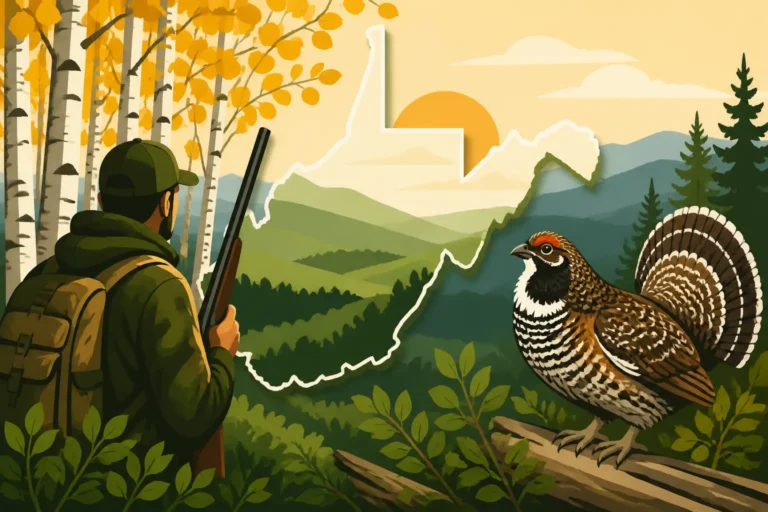
The ruffed grouse is a native bird of our eastern forests, and hunting them is an experience unlike any other. They are notoriously difficult to hunt, known for their explosive, thunderous flush from dense cover, often with a tree between you and the bird. Unfortunately, grouse populations have seen declines in many areas, including parts of West Virginia, primarily due to habitat loss and maturation of forests. They thrive in young, regenerating forests – areas that have been recently logged or burned, creating a mosaic of dense saplings, brush, and thick undergrowth. Aspen cuts, in particular, are prime habitat, offering both food and escape cover.
Hunting grouse often means long walks through incredibly challenging terrain, pushing through dense laurel thickets and briar patches. The reward, however, of hearing that classic whirr of wings and making a successful shot is immensely satisfying. The Monongahela National Forest and other parts of the Allegheny Highlands are traditional strongholds for grouse, where hunters can still find pockets of suitable habitat. For those pursuing these challenging birds, understanding their preferred environment is crucial, as detailed in "Ruffed Grouse in the West Virginia Highlands". Look for areas that have had timber stand improvements or clear-cuts in the past 5-20 years; these are the sweet spots. For specific strategies on finding them, refer to "Grouse Hunting Highlands Aspen Cuts".
Woodcock: The Timberdoodle's Unique Appeal
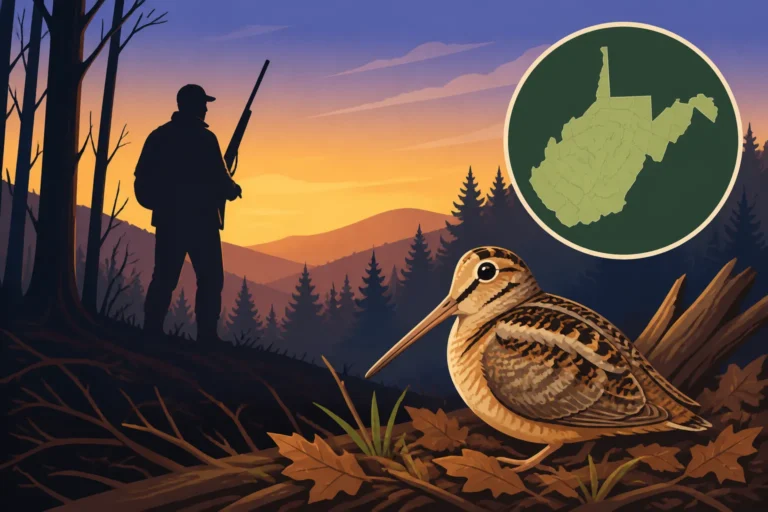
The American woodcock, affectionately known as the "timberdoodle," is a migratory shorebird that spends part of its fall migration passing through West Virginia. Unlike grouse, woodcock prefer moist, boggy areas with dense, young alders, willow thickets, and heavy cover near water sources. They use their long bills to probe for worms in soft soil.
Hunting woodcock is a fast-paced affair. When flushed, they typically fly a short distance in a quirky, erratic pattern before diving back into cover. They hold tight for pointing dogs, making them an excellent bird for those who enjoy working with a canine companion. The best time to hunt woodcock in West Virginia is during the peak of their fall migration, typically in October and early November, though this can vary with weather patterns. They often move through quickly, so timing is everything. For more insight on where to find them, consult "Woodcock Hunting West Virginia Alder Runs". Staying abreast of the migration forecasts for "When Woodcock Migrate Through West Virginia" can greatly enhance your chances of finding these unique birds.
Shotgun and Dog Considerations for Upland Birds
Upland bird hunting often calls for specific gear. A fast-handling, lightweight shotgun, typically a 20-gauge or 12-gauge with improved cylinder or skeet chokes, is ideal for the close-range, quick-flushing shots you'll encounter. Open chokes help spread the shot pattern quickly in dense cover. Hunters often opt for shorter barrels (24-26 inches) for better maneuverability through thick brush.
For many, a good bird dog is an indispensable part of upland hunting. Pointers, setters, and flushers like springer spaniels are all popular choices, each bringing a different style to the hunt. A well-trained dog can significantly increase your success rates, not only by finding birds but also by retrieving them from dense cover. Beyond the shotgun and dog, durable brush pants or chaps are a must to protect against thorns and briars, and comfortable, waterproof boots are essential for traversing varied terrain. Blaze orange is also highly recommended, even if not always legally required for small game, to ensure visibility among hunting partners.
West Virginia's Furbearer Opportunities
Beyond traditional small game, West Virginia offers significant opportunities for furbearer hunting and trapping. These pursuits not only provide challenging outdoor experiences but also play a crucial role in wildlife management, helping to balance populations and, in some cases, mitigate nuisance issues.
Coyotes: A Year-Round Pursuit
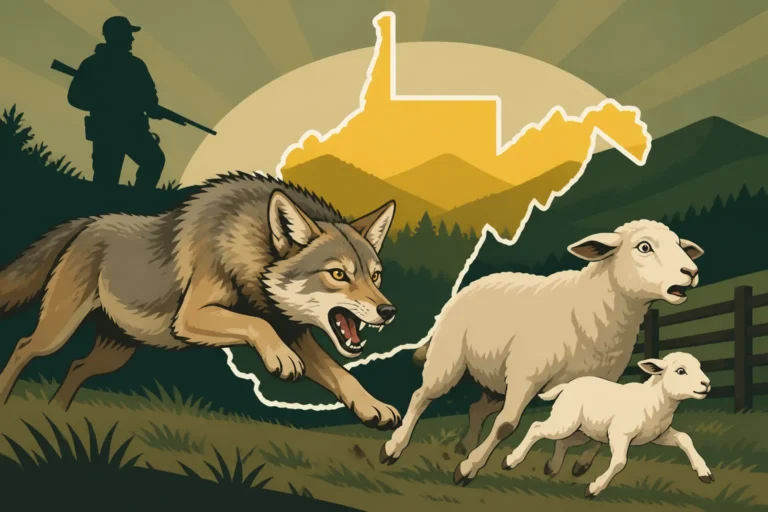
Coyotes are an increasingly prevalent presence across West Virginia, having expanded their range significantly over the past few decades. They are incredibly adaptable and can be found in almost every habitat type, from deep woods to farmland edges and even suburban fringes. West Virginia offers a year-round hunting season for coyotes, with specific regulations for night hunting. This makes them an exciting target for hunters looking for action outside of traditional big game seasons.
Hunting coyotes often involves calling, using distress calls or vocalizations to lure them within shooting range. This requires patience, a good understanding of coyote behavior, and the ability to set up quietly and effectively. Early mornings and late evenings are often the most productive times. In West Virginia, where the terrain can be rugged, understanding how coyotes travel and relate to topography is key. For more in-depth knowledge on this, see "Predator Calling West Virginia Ridgelines at Dusk". Additionally, "Night Hunting Rules for West Virginia Coyotes" outline specific regulations that allow for specialized tactics, often with the use of artificial lights or thermal optics.
Fox and Bobcat: Elusive and Rewarding
Red and gray foxes, as well as bobcats, represent a more elusive challenge for West Virginia hunters and trappers. Foxes are widespread, with gray foxes often preferring more forested habitats and red foxes more open country and agricultural areas. Bobcats, once scarce, have made a remarkable comeback across the state, thriving in dense forests and mountainous terrain. Their secretive nature and nocturnal habits make them a prized target.
Hunting these furbearers often employs similar calling tactics used for coyotes, though a more subtle approach might be necessary for the warier foxes and bobcats. Trapping is also a highly effective method for these species, requiring a significant investment in knowledge, skill, and appropriate equipment. Understanding the nuances of "West Virginia Fox and Bobcat Trapping Season" is vital for anyone pursuing these animals, as regulations can be quite specific. The comeback of bobcats is a great conservation success story, and hunters interested in their recovery can learn more at "Where West Virginia Bobcats Are Rebounding".
Trapping: A Heritage Craft
Trapping is a time-honored tradition in West Virginia, connecting modern outdoorsmen to a rich history of conservation and resourcefulness. Our state offers seasons for a variety of furbearers beyond just fox and bobcat, including muskrat, beaver, raccoon, opossum, and skunk. Each species presents its own challenges and requires specific trapping techniques and equipment.
Trapping is a commitment, demanding daily checks of traps, an intimate understanding of animal behavior, and a deep respect for the animals being pursued. It’s also an important management tool, helping to control populations and reduce damage to property caused by certain furbearers, particularly beaver. Anyone interested in trapping must complete a trapper education course and obtain the proper licenses. Learning about "Trapping West Virginia Muskrat and Beaver" can give you a solid foundation for beginning to understand this intricate and rewarding pursuit. It's a skill that requires mentorship and hands-on learning, but the knowledge gained about the natural world is immense.
Managing Expectations and Embracing the Challenge
Small game and furbearer hunting in West Virginia is about more than just filling the freezer; it's about connecting with the land, honing your skills, and embracing the diverse opportunities our state offers. Success isn't always measured in numbers, but in the experiences and knowledge gained.
Public Land Access for Small Game and Furbearers
West Virginia boasts a significant amount of public hunting land, including the vast Monongahela National Forest, numerous Wildlife Management Areas (WMAs), and various state forests. These areas provide excellent opportunities for small game and furbearer hunting. While popular spots for deer and bear can sometimes feel crowded, the sheer size and ruggedness of many public lands mean you can often find solitude and productive areas if you're willing to walk a bit further or explore lesser-known sections.
Tools like the WVDNR's Go Wild West Virginia mapping system or third-party apps like GoHunt can be invaluable for identifying public land boundaries, scouting remote areas, and locating specific habitats like clear-cuts or stream bottoms that are attractive to small game. Don't be afraid to put boots on the ground during the off-season to scout new areas. Often, the best small game spots are those that get overlooked by big game hunters. For a deeper dive into preparing for a hunt, "Scouting West Virginia Public Land Before Season" offers some excellent strategies to help you pinpoint those untouched honey holes.
Gear Essentials for Small Game and Furbearer Hunters
The gear list for small game and furbearer hunting can be simpler than for big game, but certain items are indispensable:
- Firearms: A .22 rifle or a small-gauge shotgun (20-gauge or .410) for squirrels and rabbits, or a 12-gauge with various chokes for upland birds and coyotes.
- Ammunition: Specific shot sizes for different birds (e.g., #7.5 or #8 for grouse/woodcock, #6 for rabbits/squirrels with a shotgun) and appropriate rifle rounds.
- Calls: Squirrel calls, rabbit distress calls, or various predator calls for coyotes, fox, and bobcat.
- Apparel: Durable brush pants or chaps, waterproof boots, and layers appropriate for the weather. Remember that blaze orange is often required or highly recommended, especially during concurrent big game seasons. Check "West Virginia Squirrel and Rabbit Season Rules" and "West Virginia Grouse and Woodcock Season Rules" for specific blaze orange requirements.
- Navigation: A GPS unit or a reliable mapping app on your phone (like the GoHunt app), along with a physical map and compass as backup, is crucial, especially in rugged terrain.
- Game Vest/Bag: Essential for carrying harvested game and shells.
Conservation and Ethical Hunting
As with all hunting, pursuing small game and furbearers comes with a responsibility to uphold ethical standards and contribute to conservation. Always know the current season dates, bag limits, and specific regulations for the species you're pursuing. These can change annually, so consulting the WVDNR hunting regulations is paramount. For instance, specific rules for "West Virginia Coyote Hunting Season Status" or "West Virginia Raccoon Season Dates" can vary.
Responsible hunting practices, such as making clean kills, respecting private property, and properly handling harvested animals, ensure the future of these cherished traditions. Supporting organizations like the WVDNR through license purchases and engaging in habitat improvement projects directly benefits all wildlife in the Mountain State.
Small Game and Furbearer Seasons at a Glance
Navigating West Virginia's hunting seasons can sometimes feel like solving a puzzle, especially with varying dates and bag limits across different species. This table provides a general overview of common small game and furbearer seasons, but always consult the current West Virginia hunting regulations from the WVDNR for the most up-to-date and specific information, including county-specific rules and exceptions.
| Species | Typical Season Start | Typical Season End | Daily Bag Limit (General) | Possession Limit (General) |
|---|---|---|---|---|
| Squirrel (Gray/Fox) | Early September | Late January | 6 | 12 |
| Rabbit | Early November | Late February | 5 | 10 |
| Ruffed Grouse | Early October | Late February | 3 | 6 |
| American Woodcock | Mid-October (varies with migration) | Mid-November (approx. 45 days) | 3 | 9 |
| Snowshoe Hare | Early November | Late February | 2 | 4 |
| Raccoon | Mid-October | End of February | No Limit | No Limit |
| Fox (Red/Gray) | Mid-October | End of February | No Limit | No Limit |
| Coyote | Year-Round | Year-Round | No Limit | No Limit |
| Bobcat | Mid-November | End of January | 1 | 1 |
Note: This table provides general guidelines. Specific dates, limits, and regulations, including those for Sunday hunting, baiting, or specific weapon types, can vary by year and county. Always refer to the official West Virginia hunting regulations.
Disclaimer
The information provided in this guide is for general informational purposes only and is not intended as legal advice or a substitute for official regulations. Hunting laws and regulations in West Virginia are subject to change. It is the individual hunter's responsibility to consult the most current West Virginia Division of Natural Resources (WVDNR) hunting regulations prior to any hunting activity. Failure to comply with all applicable laws and regulations can result in penalties.