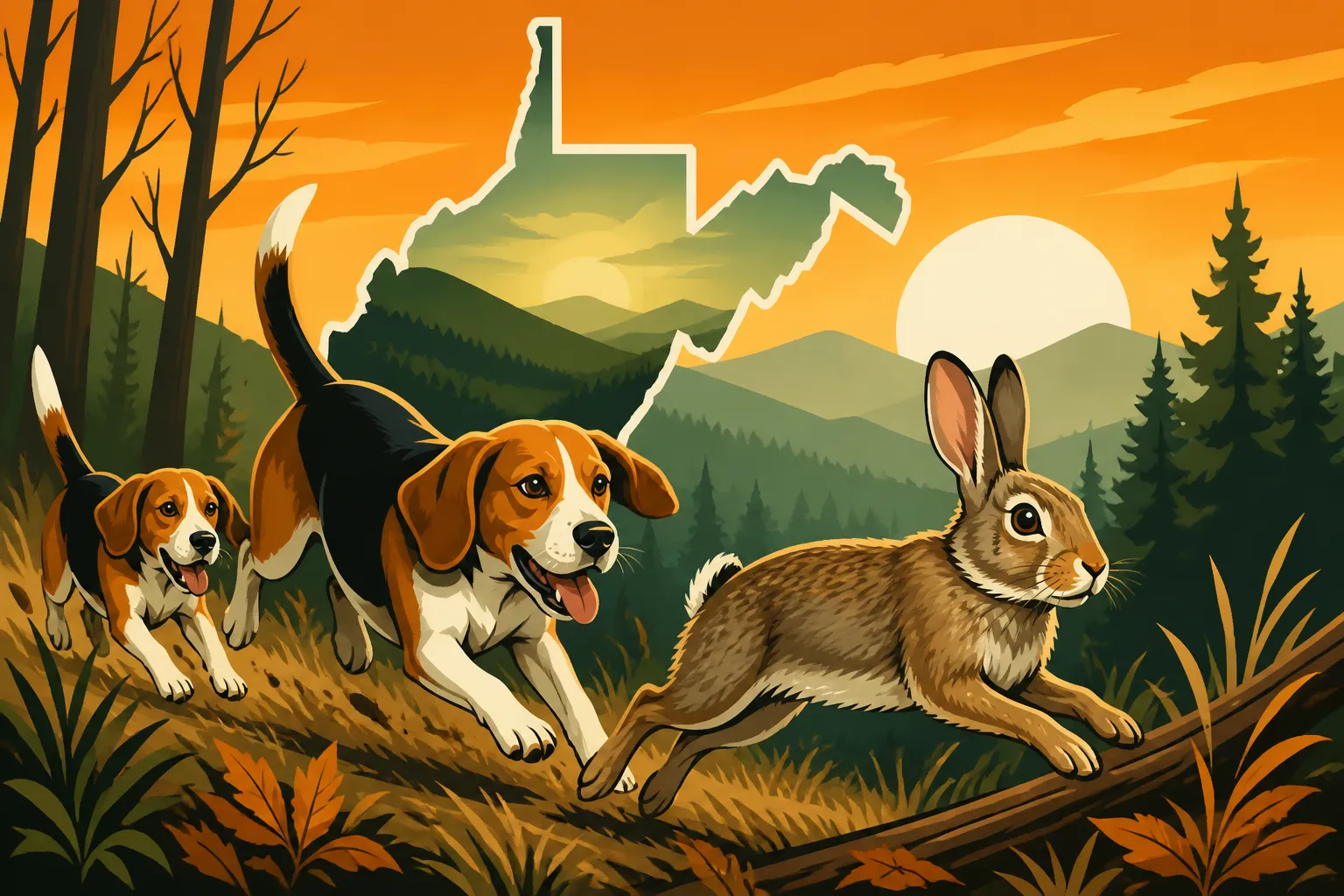
Running Beagles on West Virginia Cottontails
There’s a unique kind of joy that washes over you when the crisp air of a West Virginia fall or winter morning is suddenly pierced by the melodious baying of a pack of beagles. For many, chasing cottontail rabbits with these tireless little hounds isn't just a hunt; it's a cherished tradition, a symphony in the brush, and a test of patience and quick reflexes. This guide is all about diving deep into the rewarding world of running beagles on West Virginia cottontails, covering everything from finding the perfect cover to keeping your hounds sharp and the tradition alive.
The Enduring Appeal of Beagle Hunting for Cottontails in West Virginia
There’s something truly special about rabbit hunting with beagles. It’s a hunt that engages all your senses, from the cold snap in the air to the rustle of leaves underfoot, and most powerfully, the exhilarating sound of a full-blown chase. It’s a hunt steeped in tradition, often passed down through generations, and it truly embodies the spirit of small game pursuit in the Mountain State.
Why Beagles Are the Ultimate Rabbit Dogs
Beagles are, without a doubt, the quintessential rabbit dogs, and for good reason. Their exceptional sense of smell is legendary; they can pick up a rabbit's scent trail that you or I would never even register, even hours after the cottontail has passed. Their short legs and stout bodies are built for navigating the dense briar patches and thickets where rabbits love to hide, allowing them to push through cover that bigger dogs might struggle with. But perhaps their most defining characteristic is their voice – that unmistakable baying that tells you they're on a hot trail, pushing a rabbit, and the chase is on.
When a pack of beagles strikes a fresh track, the woods come alive. Their individual barks and howls blend into a chorus that communicates the intensity and direction of the pursuit. You learn to interpret their sounds: a choppy bark might mean they're sorting out a cold trail, while a full-throated, continuous bay means they've got that rabbit moving. It’s an auditory thrill that few other forms of hunting can match, and it keeps you on edge, anticipating where the rabbit might pop out. Their endurance is also remarkable; these dogs can run a rabbit for extended periods, circling back to the original flush point, giving hunters multiple opportunities for a shot.
The Simple Joys and Frustrations of Rabbit Hunting
Let’s be real, rabbit hunting with beagles isn't always easy. It's a physically demanding endeavor, often requiring you to push through nasty briar thickets, navigate muddy bottoms, and climb over downed timber. West Virginia's terrain, with its rolling hills and dense cover, can make it even more challenging. There are days when the rabbits are just too cagey, slipping into holes or outrunning the dogs in open timber, leaving you empty-handed after a long day's walk. The frustration of a lost track or a missed shot is a familiar sting.
However, the joys far outweigh these minor setbacks. It’s about the camaraderie with your hunting buddies, sharing stories and laughs while you wait for the next rabbit to jump. It's about the pure, unadulterated excitement of a good chase, the adrenaline spike when a rabbit explodes from a brush pile, and the satisfaction of a clean shot. For many, it's a primal connection to a simpler time, a chance to slow down, listen to the hounds work, and enjoy the beauty of West Virginia's wild places. It’s a pursuit that fosters a deep appreciation for the dogs, the game, and the tradition itself.
Finding Prime Rabbit Habitat and Navigating West Virginia Terrain
To be successful running beagles, you need to know where the rabbits live. Cottontails are creatures of thick cover, and West Virginia offers an abundance of it, but knowing which thick cover is key. You also need to understand how to access and navigate these areas safely and efficiently.
Identifying Ideal Cottontail Cover
Cottontail rabbits thrive in areas with dense, low-growing vegetation that provides both food and protection from predators. Think of places where they can quickly disappear from sight and find shelter from the elements. Classic rabbit habitat includes overgrown old fields, abandoned farmsteads, and the edges of agricultural fields, particularly where hedgerows and fencerows create natural travel corridors. These linear features are goldmines, offering a continuous supply of briars, tall grasses, and woody browse. Check out our guide on Rabbit Hunting West Virginia Fencerows for more in-depth tips on these spots.
Recently logged areas, especially clear-cuts that are 3-10 years old, can also be fantastic. The dense new growth of saplings, briars, and weeds creates an impenetrable labyrinth for dogs and hunters, but a haven for rabbits. Look for brush piles, fallen trees, and rock outcroppings within these areas, as they provide critical escape routes and loafing cover. River bottoms and creek edges often have thick growth as well, particularly patches of greenbrier and multiflora rose. Understanding how West Virginia’s diverse landscape creates these pockets of rabbit heaven is crucial for a productive day afield.
Scouting and Accessing West Virginia Rabbit Hotspots
Finding good rabbit habitat often begins long before opening day. Spend time scouting in the off-season, looking for rabbit droppings, well-used trails through thickets, and areas with abundant browse. Remember that rabbits are most active at dawn and dusk, so those are prime times to spot them. During the winter, fresh tracks in the snow can also reveal their preferred travel lanes and bedding areas. Don’t forget that rabbit activity can fluctuate; a severe winter or a particularly wet spring can impact local populations, so always keep an eye out for signs of life.
Accessing these hotspots requires a bit of planning, especially on public land. West Virginia boasts a fantastic network of Wildlife Management Areas (WMAs) and national forests like the Monongahela, which offer extensive public hunting opportunities. While you might encounter more hunters in easily accessible areas, don't be afraid to walk a little further or explore less obvious corners. Many WMAs are managed with small game in mind, often featuring brushy borders and field edges that are perfect for cottontails. Using a robust mapping app like GoHunt can be incredibly helpful for identifying potential rabbit habitat, marking promising locations, and understanding property boundaries, whether you’re on public or private land. Always be mindful of West Virginia Public Land Hunting Hours and any specific WMA regulations.
If you're considering private land, always secure permission first. A friendly knock on a farmhouse door can often lead to access to prime rabbit country, especially on properties with overgrown pastures or field edges that landowners might be happy to have hunted to control populations. Respecting private property is paramount, and a good relationship with a landowner can secure hunting access for years to come. Remember to confirm West Virginia Small Game Season Rules before heading out.
Essential Gear and Tactics for a Successful Hunt
Having the right gear for yourself and your beagles is critical for safety, comfort, and success in West Virginia's varied rabbit cover. Beyond gear, effective tactics make all the difference in turning a chase into a successful harvest.
Equipment for You and Your Hounds
Your personal gear needs to be tough enough to withstand briars and wet conditions. Start with good quality brush pants or chaps; they're an absolute lifesaver when pushing through multiflora rose and greenbrier. A sturdy pair of waterproof boots is essential, too, given West Virginia's often damp terrain and the likelihood of crossing small creeks or marshy areas. Consider wearing insulated boots for colder late-season hunts. Layering your clothing is also a smart move, as you'll be active and then potentially standing still for periods waiting on a rabbit. Don't forget your blaze orange; West Virginia Blaze Orange Requirements apply during gun seasons, and it's always a good idea for visibility when hunting with a group, especially with dogs in thick cover.
For your shotgun, a 12 or 20 gauge is most common. A modified or improved cylinder choke is often ideal, as shots on rabbits can be quick and close-range, requiring a broad pattern. Size 6 or 7.5 shot works well for cottontails. Carry extra shells, as those quick shots can sometimes require a follow-up. For your beagles, protective vests can shield them from briars and sharp sticks, preventing painful cuts. Many hunters also equip their dogs with bells to help locate them in thick cover, and increasingly, GPS collars are becoming standard. A system like GoHunt's mapping combined with a GPS collar allows you to track your dog's location, see their movement patterns, and even mark where a rabbit was jumped or taken. This technology is a game-changer for keeping tabs on your valuable hunting partners and ensuring their safety. A basic first-aid kit for both humans and dogs is also a must-have for any outdoor excursion.
| Shotgun Gauge | Recommended Choke | Shot Size | Typical Range | Notes for Rabbit Hunting |
|---|---|---|---|---|
| 12 Gauge | Improved Cylinder / Modified | 6, 7.5 | 10-30 yards | Versatile, common, good pellet count. |
| 20 Gauge | Improved Cylinder / Modified | 6, 7.5 | 10-25 yards | Lighter to carry, less recoil, still effective. |
| .410 Bore | Full | 6 | 5-15 yards | Challenging, best for experienced shooters, close shots only. |
Working Your Beagles and Anticipating the Chase
Once you've arrived at your chosen rabbit hotspot, the real fun begins. Start by turning your dogs loose in an area with good cover. They'll quickly spread out, noses to the ground, searching for a scent. Pay close attention to their behavior; an increased tail wagging or more focused sniffing often signals they're on to something. When a dog "strikes" a fresh track, you'll hear that first excited bark, and soon, the whole pack will join in, working the trail.
The beauty of beagles is that they'll typically "circle" a rabbit. A rabbit, when pressed, will often run in a large circle, eventually returning near to where it was originally flushed. This is where strategic positioning comes into play. If you have multiple hunters, spread out along known rabbit runways or escape routes, especially near the initial flush point or where heavy cover bottlenecks. This allows you to cut off the rabbit as it attempts to circle back. Communication is key; a quick "rabbit coming your way!" or "they're turning back!" can make all the difference. When the rabbit bursts from cover, be ready for a fast, fleeting shot. It’s important to practice good gun safety and always be aware of your hunting partners and the dogs. After a successful shot, call your dogs off the track, retrieve the rabbit quickly, and reward your beagles for their hard work.
Training Your Beagle and Preserving the Tradition
A well-trained beagle is not just a more effective hunting partner but a happier, healthier dog. Training, combined with a commitment to preserving the heritage of rabbit hunting, ensures this beloved pastime continues for generations.
Basic Beagle Training and Socialization
Training a beagle for rabbit hunting starts long before they ever see a live rabbit in the field. Like all dogs, beagles benefit from early socialization. Exposing them to different environments, sounds, and other friendly dogs and people as puppies helps them develop into confident, well-adjusted hunting companions. Basic obedience commands like "sit," "stay," and "come" are foundational. A strong recall is especially important, as beagles can get intensely focused on a scent and wander far afield. Practice recall in various environments, gradually increasing distractions.
For hunting-specific training, introduce your beagle to rabbit scent early on. This can be done with training aids or by exposing them to areas where rabbits are known to frequent. As they develop, let them follow the scent of live rabbits in controlled environments before taking them on a full hunt. Many experienced hunters will take young dogs out with older, seasoned beagles. The younger dogs learn by example, watching how the veterans work a track and how they respond to calls. Patience is key; every dog learns at its own pace. Consistency in training and positive reinforcement will build a strong bond and a reliable hunting partner.
Passing on the Rabbit Hunting Legacy
Rabbit hunting with beagles is more than just bagging game; it's a profound connection to nature, a celebration of canine companionship, and a living tradition. It's often the first type of hunting many of us were introduced to as kids, sparked by the sound of those hounds and the excitement of the chase. Preserving this legacy means actively passing it on. Take a new hunter, especially a youngster, under your wing. Teach them about ethical hunting practices, gun safety, and how to respect the land and the animals. Show them how to read dog behavior, interpret the baying, and appreciate the nuances of the hunt. You might find some excellent insights into introducing new hunters to the sport by checking out content like West Virginia Mentored Youth Hunting Rules.
It also involves being good stewards of the land and the rabbit population. Support habitat conservation efforts that create and maintain the dense cover cottontails need. Responsible hunting contributes to healthy wildlife populations by managing numbers and ensuring future opportunities. Remember, the goal isn't just the harvest, but the experience, the time spent outdoors, and the shared memories that will last a lifetime. In West Virginia, the baying of beagles chasing cottontails is a sound that echoes through generations, a testament to a cherished tradition that we must all work to keep alive.
Disclaimer
Please remember that hunting regulations, seasons, and licensing requirements can change. Always consult the most current West Virginia Division of Natural Resources (WVDNR) official regulations before heading afield. This guide provides general information and should not be considered a substitute for official legal guidance.