West Virginia Waterfowl Banding Programs
For any West Virginia waterfowl hunter, the excitement of a duck or goose flying into your decoys is always a thrill. But imagine the added surprise and wonder when you pick up that bird and find a tiny metal band on its leg. It's more than just a souvenir; it's a vital piece of a much larger puzzle, connecting you directly to the ongoing efforts to understand and manage our beloved migratory birds. This guide is all about shedding light on West Virginia's waterfowl banding programs, how they work, and why your participation as a hunter is so crucial.
The Why and How of Waterfowl Banding Programs
Waterfowl banding might seem like a simple concept – put a band on a bird's leg – but it's an incredibly powerful tool for wildlife biologists. It's a long-standing tradition in conservation, providing insights that would be impossible to gather otherwise. These programs aren't just for curiosity; they're the backbone of informed management decisions that ensure healthy populations for generations to come.
What is Waterfowl Banding?
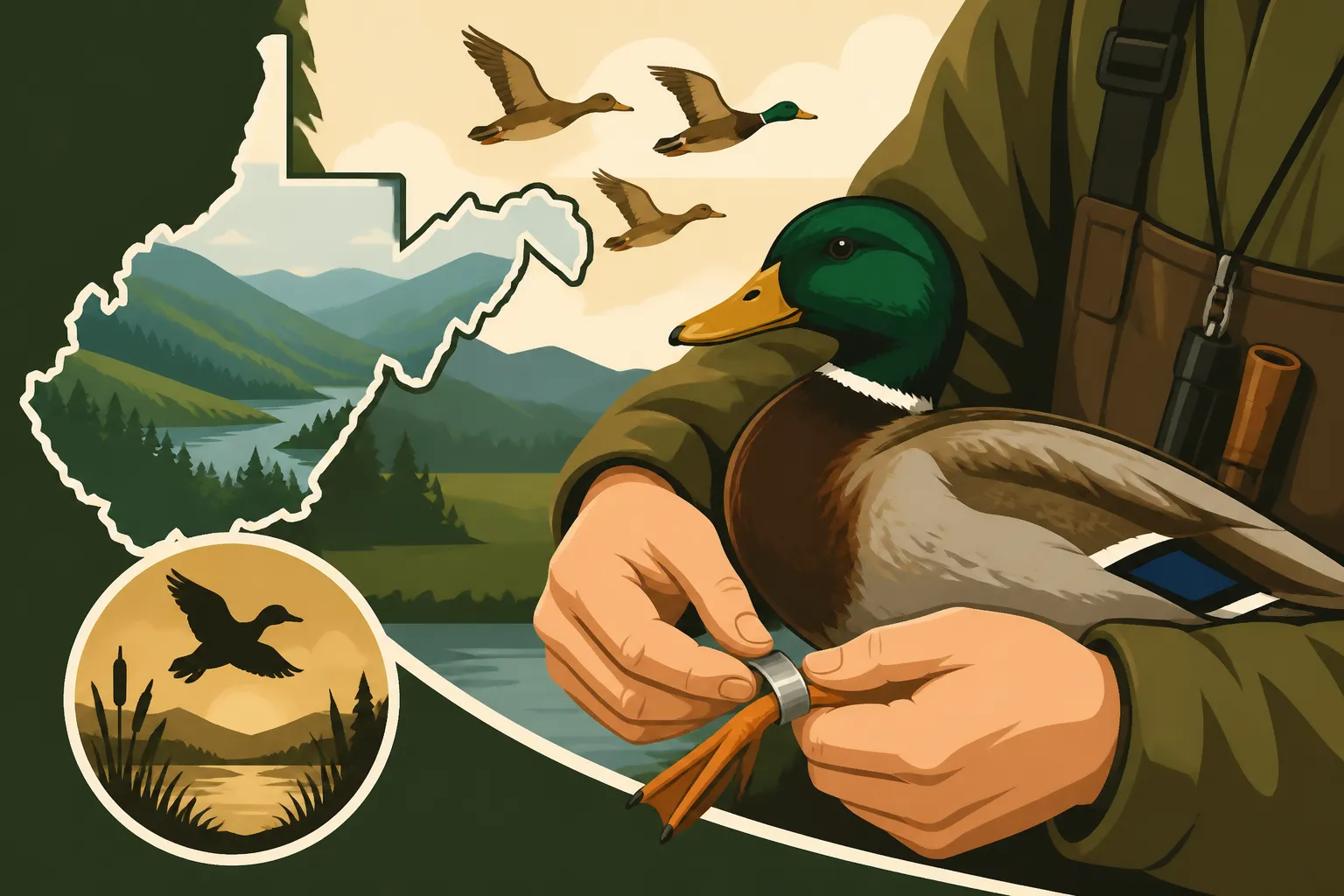
At its core, waterfowl banding involves capturing birds, typically ducks or geese, attaching a small, individually numbered metal band to one of their legs, and then releasing them unharmed. These bands are usually made of aluminum or stainless steel, designed to be durable and lightweight so they don't impede the bird's natural behavior. Each band has a unique number and a contact method (historically an address, now often a website or phone number) for reporting.
The actual banding process varies depending on the species and location. For ducks, biologists often use baited traps, like large wire cages or "swim-in" traps, set up in wetlands or marshes. Geese might be rounded up during their flightless molting period. Once captured, skilled technicians carefully record crucial data for each bird: species, age (juvenile or adult), sex, and the unique band number. Sometimes, additional measurements like wing length or weight are taken. This baseline information, recorded at the moment of banding, is what makes the subsequent recovery of a banded bird so valuable. Without this initial data point, a recovered band tells us very little. It's a painstaking, hands-on effort, often conducted in less-than-ideal conditions, but the data harvested is gold.
Why Band Waterfowl in West Virginia?
West Virginia, nestled within the Atlantic Flyway, is an important corridor for many migratory waterfowl species. Our rivers, reservoirs, and smaller wetlands provide crucial stopover points and wintering grounds. The primary reason for banding here, and across North America, is to gather data that helps wildlife agencies like the West Virginia Division of Natural Resources (WVDNR) make informed conservation and hunting management decisions.
Specifically, banding data helps biologists understand several key aspects of waterfowl populations. Firstly, it provides estimates of survival rates: how many birds banded in a given year are still alive in subsequent years. Secondly, it helps determine harvest rates: what percentage of a population is harvested by hunters. Thirdly, it maps migration routes and distribution patterns, showing where birds banded in West Virginia travel to, where they winter, and where they breed. This helps identify critical habitats across their entire range, not just within our state. For example, a mallard banded on the Ohio River might be harvested months later in Saskatchewan, giving us a complete picture of its journey. This broad perspective is essential because waterfowl populations are managed at the flyway level, requiring cooperation between states and even international partners. Without banding data, we'd essentially be flying blind when it comes to understanding these amazing travelers.
Becoming Part of the Banding Story: Reporting Your Harvest
The success of waterfowl banding programs hinges entirely on hunters reporting the bands they recover. When you shoot a bird carrying a band, you become a citizen scientist, contributing directly to the conservation efforts for that species. It's a really cool way to connect with the broader world of wildlife management, and honestly, finding a band is like hitting the jackpot for a duck hunter.
How to Identify a Banded Bird
Most waterfowl bands are small, aluminum or stainless steel rings placed around the bird's leg, typically above the "knee" joint. They're usually dull gray or silver in color, so they can sometimes be hard to spot in the excitement of a retrieve or when a bird is muddy. Always take a moment to carefully inspect the legs of any waterfowl you harvest. Run your fingers gently around both legs; the band is thin but quite noticeable to the touch.
While leg bands are the most common, you might occasionally encounter other markers. Neck collars, often brightly colored and larger, are sometimes used on geese and swans, making them visible from a distance. Nasal saddles, small colored tags attached to the bird's nostril area, are also used on some species but are much rarer for ducks and geese. Regardless of the type of marker, if you find any kind of tag, record the information on it immediately. Take a picture if you can, as sometimes the numbers can be worn or hard to read. This little piece of metal, often worn smooth from years of migration, holds years of travel history.
The Reporting Process
Once you've found a band, reporting it is simple and straightforward. The most common method today is through the United States Geological Survey (USGS) Bird Banding Lab website, often linked directly from the band itself with a URL like "reportband.gov" or a toll-free phone number.
Here’s a general step-by-step guide:
- Locate the Band Number: Carefully read the number (or series of numbers) etched onto the band. Sometimes, there might be letters as well. If it's difficult to read due to wear, try using a magnifying glass or taking a high-resolution photo.
- Go Online or Call: Navigate to "reportband.gov" on your computer or smartphone, or call the toll-free number printed on the band. The website is generally preferred as it's quick and ensures all data fields are filled accurately.
- Enter Information: You'll be asked for the band number, where and when you recovered the bird (state, county, nearest landmark, date), and how it was recovered (harvested, found dead, etc.). You'll also provide your contact information.
- Receive Your Certificate: After reporting, you'll receive a Certificate of Appreciation via email or postal mail. This certificate details where and when your bird was banded, its species, and often its age and sex at the time of banding. It's a fantastic keepsake!
The reporting process is completely free and is a small but mighty contribution to waterfowl conservation. Every single band reported adds another crucial data point, helping biologists better understand our migratory birds. This data is critical for organizations like the WVDNR when they evaluate population health and consider hunting regulations. When you're using tools like GoHunt to scout new waterfowl spots, remember that any bird you find there could carry this valuable information.
The Impact of Banding Data on West Virginia Waterfowl Management
The data collected from banded birds isn't just filed away; it's analyzed rigorously to paint a detailed picture of waterfowl populations. This information directly influences how hunting seasons are structured and how conservation efforts are prioritized. It's a true scientific feedback loop, driven by the dedication of both biologists and hunters.
Understanding Population Dynamics
When you report a banded bird, you're providing a data point that helps scientists calculate critical population parameters. For example, by tracking the ratio of banded birds released to banded birds recovered over several years, biologists can estimate annual survival rates. If fewer birds are being reported from a particular banding cohort, it might indicate lower survival, perhaps due to disease, habitat loss, or increased predation. Conversely, a high return rate suggests a healthy population.
Banding also provides invaluable data on harvest rates. By comparing the number of birds banded to the number harvested and reported, managers can determine the impact of hunting on a specific population. This is crucial for setting sustainable harvest quotas. Furthermore, the recovery locations of banded birds allow scientists to track migration patterns with incredible accuracy. This helps delineate the various flyways more precisely and identifies bottlenecks or crucial staging areas that may need special conservation attention. For instance, if many birds banded in the Ohio River Valley are consistently harvested in a specific area of Louisiana, it highlights the connectivity of these distant habitats. This type of detailed understanding helps inform strategic habitat initiatives both here in West Virginia and across the continent. You can use platforms like GoHunt to find public hunting areas along these recognized migration corridors.
Shaping Hunting Regulations
The scientific data derived from waterfowl banding directly informs the decisions made by state and federal wildlife agencies regarding hunting regulations. This is where the rubber meets the road for hunters. For example, if banding data shows a decline in the survival rate of a particular duck species, or an unsustainable harvest rate, it might trigger discussions about reducing bag limits, shortening seasons, or even implementing temporary closures to allow the population to rebound. Conversely, if populations are robust and harvest rates are sustainable, regulations might remain stable or even become more liberal.
The process involves a complex interaction between the U.S. Fish and Wildlife Service, which oversees migratory bird management, and state agencies like the WVDNR. Recommendations are made based on the latest population assessments, which lean heavily on banding data, along with breeding ground surveys and habitat conditions. These recommendations are then discussed and refined, ultimately leading to the specific season dates, bag limits, and shooting hours that hunters adhere to in West Virginia and across the country. So, every time you head out for West Virginia Duck Season Dates or West Virginia Goose Season Dates, know that the rules in place are backed by decades of banding data and hunter participation.
Common Waterfowl Species Banded in West Virginia
West Virginia is home to a diverse array of waterfowl, from dabbling ducks that feed in shallow waters to diving ducks that plunge deep for food, and, of course, the ubiquitous Canada goose. Many of these species are part of ongoing banding efforts, each contributing unique insights to the broader picture of waterfowl conservation.
Key Species and Their Significance
While many species are banded, some are particularly targeted due to their population status, hunting pressure, or ecological significance. In West Virginia, you're most likely to encounter banded Mallards, which are one of the most common and widely harvested duck species. Band returns from mallards provide excellent data on general duck population trends and harvest pressure across the flyway. West Virginia Waterfowl on the Atlantic Flyway details their movements.
Wood Ducks are another species frequently banded, particularly in the forested river bottoms and wetlands that characterize much of West Virginia. These beautiful birds are often residents or short-distance migrants, and their banding data helps understand local population dynamics and nesting success. Wood Ducks in West Virginia River Bottoms discusses their habitat.
Canada Geese are also heavily banded, especially during their flightless molting period. With increasing resident populations, their banding data helps differentiate between migratory and resident birds, which is critical for managing harvest effectively. These birds can be found across agricultural fields and larger waterways in the state. Canada Geese on West Virginia Farmland are a common sight. Understanding their movements and population health is paramount to effective management.
Regional Banding Efforts
Waterfowl banding in West Virginia often focuses on key geographical areas that concentrate birds. The Ohio River Valley Bottomland is a prime example, with its extensive river systems, backwaters, and agricultural fields providing critical habitat and stopover points for many species. Areas around large reservoirs like Sutton Lake, Summersville Lake, and Bluestone Lake also see banding efforts, as these bodies of water attract significant numbers of migrating and wintering waterfowl.
Smaller, managed wetlands within Wildlife Management Areas (WMAs) are also important sites for banding, as these areas often have optimal conditions for trapping birds. These localized efforts contribute valuable fine-scale data that complements the broader flyway-wide programs. Hunters utilizing public lands, perhaps after scouting with GoHunt, in these regions have a higher chance of encountering banded birds. Remember, every band recovered, regardless of species or location, is a valuable piece of information, contributing to the health and future of West Virginia's waterfowl populations. When planning your hunt, consider areas with active banding, as these often correlate with healthy bird concentrations. Duck Migration Timing Through West Virginia and West Virginia Waterfowl Migration Timing can give you an idea of when to expect peak activity in these prime locations.
Hunter Participation: The Critical Link in Waterfowl Banding Success
Your role as a hunter in West Virginia is far more significant than just harvesting game; you are an essential partner in wildlife conservation. This is particularly true for waterfowl banding programs, where hunter participation transforms a simple piece of metal into invaluable scientific data. Without hunters actively looking for and reporting bands, the entire system would collapse.
Why Your Report Matters So Much
Every single band reported is a unique piece of scientific evidence. It tells biologists exactly when and where a specific bird was banded, how long it lived, and where it ended up. Imagine a single mallard banded near Morgantown in the fall, then harvested near Charleston in December. That one report tells us about local movement patterns. Now imagine that same mallard was harvested a year later in South Carolina; that's critical flyway migration data.
Without reports from hunters, these bands are just numbers. The more bands that are reported, the more robust and statistically reliable the data becomes. This directly impacts the accuracy of population estimates, survival rates, and harvest rates, which are all vital for setting sustainable hunting seasons. It literally means the difference between informed management and guesswork. So, the next time you're Waterfowl Gear for Ohio River Bottoms ready, take a moment to commit to checking every bird you harvest.
Beyond the Band: Your Broader Role in Conservation
Reporting bands is just one facet of the hunter's vital role in conservation. By purchasing your hunting licenses and stamps, including the West Virginia Federal Duck Stamp Requirement and West Virginia HIP Certification for Bird Hunters, you are directly funding habitat conservation and wildlife management efforts in West Virginia and across the country. These funds go towards wetland restoration, research, enforcement, and public access.
Furthermore, responsible hunting practices, such as accurate identification of species, adherence to bag limits, and ethical shot placement, all contribute to healthy waterfowl populations. Hunter-funded and hunter-driven conservation is a cornerstone of the North American Wildlife Conservation Model, and waterfowl banding is a perfect example of this partnership in action. So, wear your Waders for River Bottom Hunting, scout your spots with GoHunt, and know that every aspect of your waterfowl hunting experience is part of a larger, incredibly successful conservation story.
| Species Commonly Banded in WV | Typical Banding Locations | Key Data Provided | Hunter's Role |
|---|---|---|---|
| Mallard | Ohio River, large lakes, WMAs | Survival, harvest rates, broad migration | High chance of recovery; crucial for general duck data |
| Wood Duck | Forested river bottoms, smaller wetlands | Local survival, nesting success, regional movement | Often resident; helps understand local population health |
| Canada Goose | Agricultural fields, major impoundments | Resident vs. migratory populations, harvest impact | Essential for managing increasing resident populations |
| Green-winged Teal | Wetland complexes, floodplains | Early migration patterns, survival rates | Contributes to understanding fast-flying early migrants |
| Black Duck | Coastal marshes (less common in WV but some overlap) | Survival in specific habitats, declining population monitoring | Important for monitoring a species of concern |
Disclaimer
This article is for general informational purposes only and does not constitute professional advice. Laws, prices and regulations vary by location and change over time. Consult a qualified professional for guidance on your specific situation.