Crop Damage Hogs Cause in West Virginia
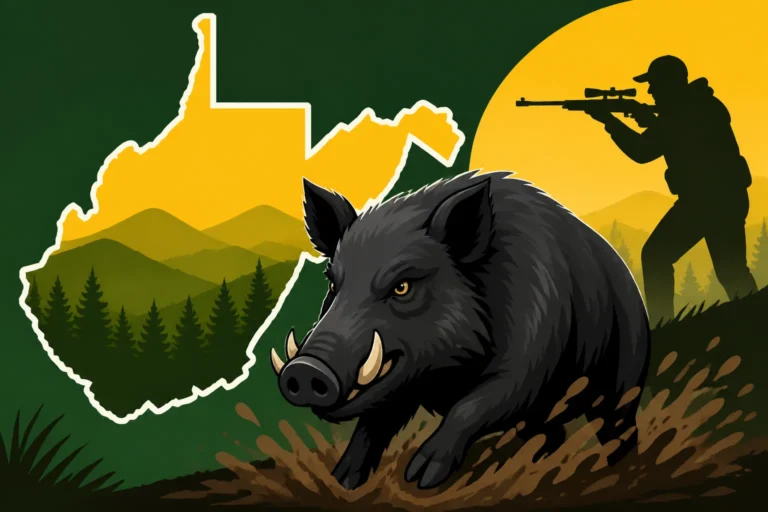
There's a quiet, destructive force at play across parts of our beautiful Mountain State, and it’s hitting our farmers and landowners where it hurts most: their fields, their livelihoods, and their peace of mind. We're talking about feral hogs, and the crop damage they cause in West Virginia is a growing concern that leaves a trail of frustration and financial loss. This guide is here to shed light on exactly what these invasive animals are doing, how to spot their destructive handiwork, and what steps are being taken to combat them.
The Silent Scourge: Understanding Feral Hog Damage in West Virginia
Feral hogs, often called wild pigs or razorbacks, are far from native to West Virginia. They are an invasive species, and their presence causes profound ecological and economic damage. Unlike our native wildlife, which has evolved to coexist with the landscape, these pigs are essentially living rototillers with insatiable appetites, leaving behind a wake of destruction wherever they roam. Understanding how they got here and what drives their destructive behavior is the first step in addressing the problem.
How Hogs Arrived and Spread Across the State
The story of how wild hogs spread across West Virginia is a complex one, often involving both intentional and unintentional introductions. Historically, some pigs escaped domestic farms and reverted to a wild state, adapting to the wilderness. More recently, however, the primary driver of their rapid spread has been illegal transportation and release for hunting purposes. Individuals, perhaps unknowingly or uncaringly, move hogs from states where populations are established, releasing them into new areas to create hunting opportunities. This practice, unfortunately, only exacerbates the problem, creating new breeding populations in previously untouched regions. The WVDNR works tirelessly to monitor these introductions and educate the public on the severe consequences of such actions, as detailed in our comprehensive look at how wild hogs spread across West Virginia.
Once established, these animals are incredibly adept at survival and reproduction. They breed at a phenomenal rate, often having two litters of four to eight piglets per year, and those piglets can breed at just six months old. This exponential growth makes control extremely challenging. Their movements are often tied to food sources, ranging from mast crops like acorns to agricultural fields, which unfortunately puts them directly in conflict with farming communities. Areas in our southern counties, in particular, have seen an uptick in feral swine sightings in Southern West Virginia, creating a new frontier in this battle.
The Insidious Nature of Their Rooting Behavior
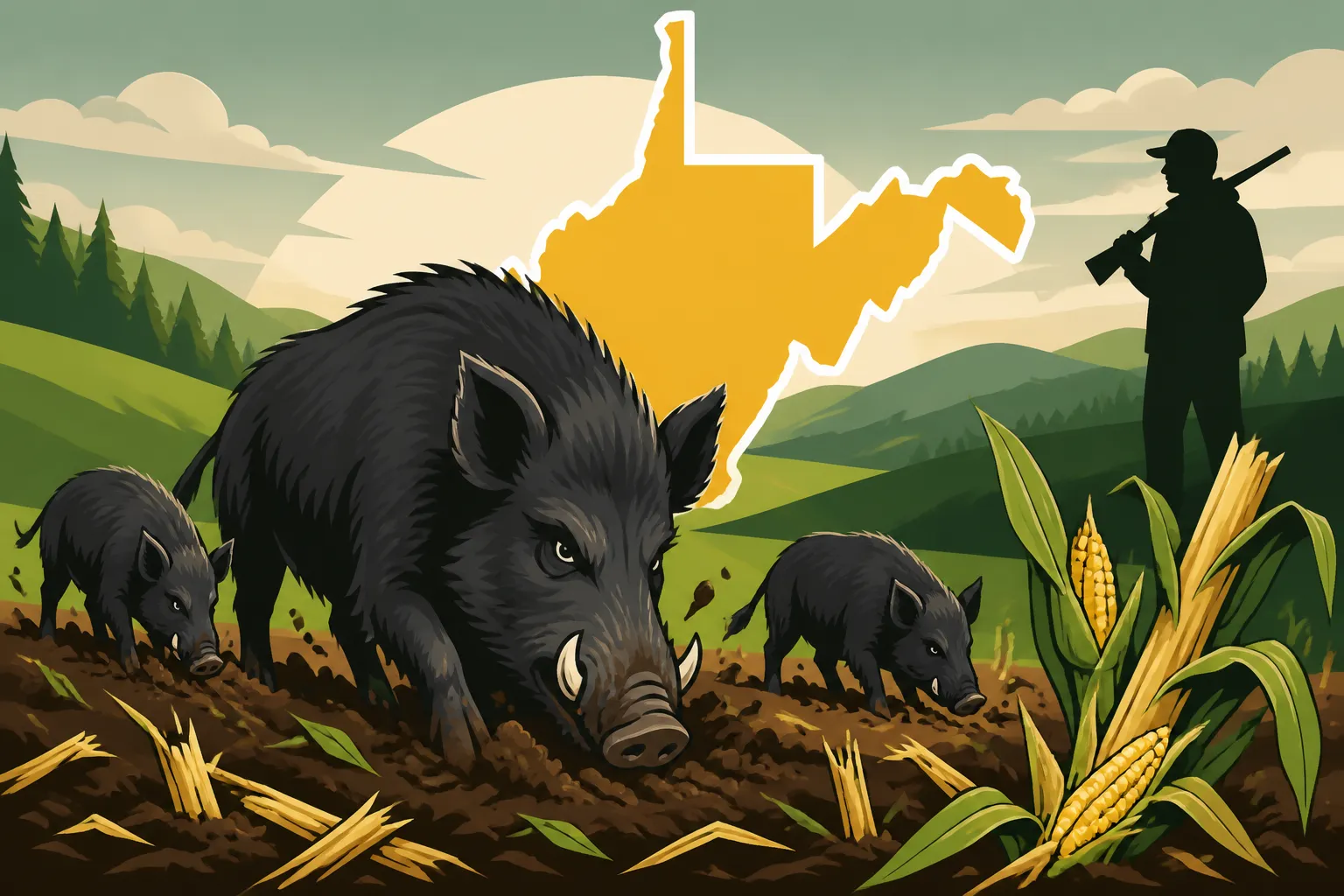
The most visible and devastating impact of feral hogs on crops comes from their incessant rooting. These animals have incredibly strong snouts, perfectly designed for digging, or "rooting," into the soil in search of food. They're after anything from tender plant roots and tubers to grubs, fungi, and even fallen grains. When a sounder (a group of hogs) moves through a field, it doesn't just eat what's visible; it systematically plows up the ground. Imagine taking a tiller to your finely planted cornfield or soybean plot – that's essentially what a group of feral hogs does, but with far less precision and much more damage.
This rooting behavior isn't just about disturbing the soil; it directly destroys crops by uprooting young plants, exposing roots to the elements, and making entire areas unusable for harvest. They often target crops in their early growth stages, but even mature fields aren't safe. Beyond the immediate destruction, this rooting also compacts the soil in some areas and loosens it in others, altering soil structure, increasing erosion, and making future planting more difficult. It's a long-term problem that impacts the land itself, not just a single season's yield. Our guide on West Virginia Feral Hog Diet and Rooting Damage provides even more insight into their destructive eating habits.
Economic Fallout: The Financial Burden on West Virginia Agriculture
The impact of feral hogs isn't just an ecological nuisance; it's a significant financial drain on West Virginia's agricultural sector. Farmers operate on tight margins, and any substantial loss of yield or increase in operating costs can be devastating. The presence of feral hogs often means direct revenue loss from damaged crops and indirect costs from mitigation efforts and infrastructure repairs, making an already tough job even harder.
Destroyed Crops and Reduced Yields
When feral hogs move into a field, they don't just nibble; they decimate. Imagine a farmer planting acres of corn or soybeans, investing time, seed, fertilizer, and fuel, only to wake up one morning and find swaths of their crop torn up and trampled. This isn't an isolated incident; it can happen repeatedly throughout the growing season. Young plants are uprooted and eaten, mature plants are knocked down and trampled, and entire sections become unharvestable.
The economic consequences are immediate and severe. A farmer's income is directly tied to their yield. Fewer bushels of corn or soybeans mean less product to sell, which translates directly to reduced revenue. For many small family farms in West Virginia, these losses can be the difference between a profitable year and a year operating in the red. The unpredictable nature of the damage also makes it hard to plan; you can't budget for a certain amount of hog destruction, making financial forecasting a nightmare. It’s a constant battle that adds immense stress to an already challenging profession, impacting the farmer's bottom line significantly.
Infrastructure Damage and Repair Costs
Beyond the crops themselves, feral hogs are notorious for destroying agricultural infrastructure. Fences, often crucial for containing livestock or delineating property lines, are frequently busted through as hogs push their way into fields or natural travel corridors. This leads to costly repairs, not just in terms of materials like posts and wire, but also in the labor and time required to fix them. Imagine the headache of constantly mending fences when you could be tending to your crops or other farm duties.
Water sources, like ponds and creeks, can also suffer. Hogs love to wallow in wet areas, creating muddy pits that can degrade water quality for livestock and make it difficult for other wildlife to access clean water. Irrigation systems, culverts, and even farm roads can be undermined or damaged by their rooting and constant movement. These hidden costs, often overlooked in initial assessments, add up quickly, further eroding a farmer's profitability and creating ongoing maintenance burdens. It truly affects the entire farm operation, demanding resources that could otherwise be invested in productivity.
Beyond the Field: Environmental and Wildlife Impacts
While crop damage is a major concern, the destructive reach of feral hogs extends far beyond agricultural fields. Their activities have profound negative effects on the broader West Virginia environment, impacting natural habitats, water sources, and even the health of our native wildlife populations. These impacts highlight the urgent need for effective management strategies, as discussed in our piece on West Virginia's Feral Hog Regulations.
Habitat Degradation and Water Contamination
Feral hogs are ecological wrecking balls. Their relentless rooting, while devastating to crops, is equally destructive to natural ecosystems. They churn up forest floors, destroying native plant communities, exposing roots, and preventing the regeneration of sensitive species. This habitat degradation can severely impact ground-nesting birds, amphibians, and other small animals that rely on an undisturbed understory. In some areas, they consume large quantities of acorns and other mast, directly competing with deer, bears, and squirrels for crucial food sources, which could lead to shifts in native wildlife populations.
Furthermore, their wallowing and defecation habits contribute significantly to water contamination. Hogs often congregate near streams, rivers, and ponds, where their waste introduces bacteria like E. coli into water bodies. This poses a health risk to both humans and livestock relying on these water sources downstream. The excessive turbidity caused by their muddy wallows also harms aquatic life by smothering eggs and disrupting delicate ecosystems. The collective impact on the integrity of our waterways and natural habitats is a serious environmental threat, affecting everything from fishing opportunities to the overall health of our wild spaces.
Disease Transmission and Threat to Livestock/Wildlife
One of the most concerning aspects of feral hog populations is their potential to act as vectors for diseases. These animals can carry a host of pathogens and parasites that pose a serious risk to domestic livestock, other wildlife, and even humans. Diseases like brucellosis, leptospirosis, pseudorabies, and even foot-and-mouth disease (though not currently in the U.S.) can be transmitted through direct contact, shared food and water sources, or contaminated soil.
For West Virginia farmers, an outbreak of pseudorabies or brucellosis could be catastrophic, leading to quarantines, culling of herds, and immense financial loss. Our native deer population, already grappling with issues like CWD in certain areas, could be further imperiled by novel diseases carried by hogs. The WVDNR and other agencies actively monitor for these threats as part of broader West Virginia Wildlife Disease Monitoring efforts. Moreover, hogs also prey on the fawns of white-tailed deer and the nests of ground-nesting birds like turkeys, further impacting our cherished game species. This complex web of disease and predation underscores the multifaceted threat posed by these highly invasive animals.
Identifying the Signs: How to Spot Feral Hog Damage
Knowing what to look for is crucial for any West Virginia landowner suspecting feral hog activity. Early detection can mean the difference between minor damage and widespread destruction. These animals leave distinct clues that, once recognized, can help you confirm their presence and begin thinking about management strategies. It’s not always about seeing the hogs themselves; often, their calling card is left behind.
Visual Cues of Rooting and Wallowing
The most obvious sign of feral hog activity is their rooting. This looks like a freshly tilled garden bed, but often in irregular patterns and depths. You'll see patches of soil turned over, sometimes quite deeply, where the hogs have been digging for food. This can range from small, shallow scrapes in grassy areas to large, deep excavations in fields or forest floors. The ground will often appear churned up, with clods of dirt, rocks, and plant roots scattered about. In agricultural fields, this can mean rows of crops are completely disrupted, and plants are either missing or lying on their sides.
Wallowing is another clear indicator, particularly in muddy or wet areas. Hogs seek out muddy depressions to cool themselves and cover themselves in mud, which helps to deter parasites. These wallows appear as distinct, muddy depressions in the ground, often with hardened mud caked on nearby trees, rocks, or fence posts where the hogs have rubbed after their bath. The size of the wallow can vary, but it will typically be round or oval, and the surrounding vegetation will often be trampled and muddy. If you see these disturbed areas, especially near water sources or food plots, it's a strong sign that you have feral hogs in the vicinity.
Tracks, Scat, and Other Evidence
Beyond the direct land disturbance, feral hogs leave other tell-tale signs. Their tracks are generally cloven, similar to deer, but with a few key differences. Hog tracks tend to be wider and more rounded, and the dewclaws (the two smaller toes higher up on the leg) often register in soft ground, appearing as small dots behind the main hooves. Deer dewclaws typically only show in very deep mud or snow. You might also notice a "trailing" dewclaw mark, where the dewclaw creates a continuous drag mark in softer earth. This distinctive print is often clearer on the GoHunt app or other mapping tools that show tracks.
Feral hog scat (feces) is highly variable, depending on their diet. It can be pellet-like if they're eating mostly vegetation, or more amorphous and segmented if they've been consuming a wider range of foods. Often, it will contain visible bits of undigested plant matter, seeds, or even insect parts. Scat is typically found in communal areas or along travel routes. Lastly, keep an eye out for rub marks on trees, especially small saplings, where hogs have scratched themselves, leaving mud or hair. Tusk marks might also be visible on the lower trunks of trees or on rooting areas, indicating the presence of larger, more mature boars.
Table: Common Feral Hog Damage Indicators
| Type of Damage | Visual Description | Common Locations | Severity for Landowners |
|---|---|---|---|
| Rooting | Soil turned over, resembling tilled ground; uprooted plants, scattered debris. | Agricultural fields (corn, soybeans), pastures, forests. | High: Direct crop loss, soil erosion, replanting costs. |
| Wallowing | Muddy depressions, often with thick mud on nearby trees/posts. | Near water sources (ponds, streams), damp low areas. | Medium: Water contamination, habitat destruction, disease spread. |
| Trampling | Flattened vegetation, broken stems, clear paths through fields. | Crop fields, dense underbrush, travel corridors. | Medium: Crop loss, difficulty in harvesting, habitat disturbance. |
| Track & Sign | Round, cloven hoofprints (often with dewclaws); variable scat; rub marks on trees. | Muddy areas, field edges, trails, forest floors. | Low (Initial): Indicator of presence, aids in tracking. |
| Infrastructure | Broken fences, undermined culverts, damaged irrigation lines. | Property boundaries, livestock enclosures, waterways. | High: Repair costs, livestock control issues. |
Mitigation and Management: Strategies for Landowners
Dealing with feral hogs requires a proactive and persistent approach. Because of their intelligence, reproductive rate, and adaptability, a single solution rarely works. Instead, landowners in West Virginia often need to employ an integrated strategy that combines various methods to effectively reduce hog populations and minimize damage. The good news is that West Virginia's year-round hog rule on private land gives landowners considerable flexibility.
Integrated Trapping and Hunting Approaches
Trapping is widely considered the most effective method for reducing feral hog populations, especially when dealing with entire sounders. Modern hog traps are sophisticated, often large enclosures designed to capture multiple animals at once. Using bait, such as soured corn, can lure hogs into the trap. Wireless triggers and cameras allow landowners to monitor the traps remotely, ensuring that only the target animals are captured. This method, when consistently applied, can significantly impact local hog numbers. For detailed strategies, our guide on trapping West Virginia feral hogs is an excellent resource.
Hunting also plays a role, though it's often more effective at dispersing hogs or removing individual animals rather than entire sounders. West Virginia offers a liberal season for hunting these nuisance animals, often year-round on private land, which gives landowners flexibility. Hunters can target hogs during daylight hours, but also night hunting hogs with lights on private land has become an increasingly popular and effective method, especially when hogs become nocturnal due to pressure. Combining both trapping and hunting, often with multiple individuals involved, creates sustained pressure that can prevent hogs from establishing large, damaging populations on a property. Remember, persistence is key.
Fencing and Exclusion Methods
While not always feasible for large agricultural operations, exclusion fencing can be an effective way to protect smaller, high-value areas from hog damage. Traditional barbed wire or woven wire fences are often insufficient to deter determined hogs, as they will simply push through or root under them. Electric fences, however, can be much more effective. A multi-strand electric fence, with wires placed low to the ground to prevent rooting underneath and higher up to deter jumping, can create a strong psychological barrier.
Combining a physical barrier (like sturdy woven wire) with an electrified strand or two can create a robust defense. For gardens, small food plots, or critical infrastructure, this investment can pay off by preventing damage. It's important to keep the fence lines clear of vegetation to ensure the electric current remains effective. While building extensive hog-proof fencing across vast tracts of land is often cost-prohibitive, strategically placed exclusion fences around vulnerable areas can be a vital component of a comprehensive hog management plan. These methods provide a critical layer of defense, especially for areas that have seen repeated damage.
The Future of the Fight: Collaboration and Continued Effort
The battle against feral hogs and the crop damage they inflict is not one that can be won by individual landowners alone. It requires a concerted, collaborative effort involving state agencies, local communities, and every West Virginian who cares about our agricultural future and natural resources. The challenges are significant, but so is the dedication of those working to protect our state.
WVDNR Initiatives and Support
The West Virginia Division of Natural Resources (WVDNR) recognizes the serious threat posed by feral hogs and is actively engaged in monitoring and managing their populations. They provide valuable resources and information to landowners, including guidance on effective control methods and details on West Virginia feral hog regulations. The WVDNR also conducts surveys to track the spread and density of hog populations, helping to identify problem areas and target management efforts where they are most needed.
Additionally, the WVDNR often collaborates with federal agencies like the USDA's Wildlife Services, which has expertise in large-scale feral swine eradication and control programs. These partnerships bring in specialized equipment, trained personnel, and scientific approaches to tackle what is often an overwhelming problem for individual landowners. For anyone facing hog issues, reaching out to the WVDNR for current information and potential assistance is a critical first step. They are a vital ally in providing expertise and guidance, even detailing West Virginia hog hunting permit requirements.
Community Involvement and Shared Responsibility
Ultimately, the most effective long-term solution to the feral hog problem will come from widespread community involvement and a shared sense of responsibility. Educating the public about the dangers of illegal hog releases is paramount. Many people simply don't understand the devastating consequences of introducing an invasive species, and raising awareness can prevent new populations from forming.
Farmers, hunters, and conservationists working together can form a powerful front. Sharing information about hog sightings, coordinating trapping efforts across property lines, and collaborating on organized hunting efforts can be far more effective than isolated actions. It’s about creating a unified strategy for hunting West Virginia's year-round feral hogs. When neighbors work together, monitoring and control efforts become exponentially more efficient, creating a stronger defense against these destructive animals. The future of West Virginia’s agriculture and natural landscapes depends on our collective effort to keep this silent scourge at bay.
Disclaimer
The information provided in this guide is for general informational purposes only and does not constitute legal advice or a substitute for professional guidance. Hunting regulations, agricultural practices, and wildlife management strategies can change. Always consult the latest West Virginia Division of Natural Resources (WVDNR) regulations and guidelines, and seek professional advice for specific situations.