Waders for River Bottom Hunting
There’s nothing quite like the sting of freezing cold water seeping into your boots when you’re out hunting West Virginia’s beautiful, wild landscapes. Whether you’re chasing ducks in an Ohio River backwater, setting beaver traps in a hidden creek, or simply trying to cross a swollen stream to reach that perfect deer stand, staying dry is absolutely paramount to your comfort and, frankly, your safety. This guide is all about helping you understand the ins and outs of choosing, using, and maintaining waders so you can conquer those wet, wild places and stay warm, dry, and focused on the hunt.
Why Waders Are Essential for West Virginia River Bottom Hunting
West Virginia is a state defined by its mountains and its water. From the mighty Ohio River to the countless creeks, streams, and hollows that carve through our rugged terrain, water is an ever-present feature of our hunting grounds. River bottom hunting, in particular, often means dealing with standing water, muddy banks, and submerged obstacles. Without proper waders, you’re not just uncomfortable; you’re at a serious disadvantage.
Navigating Water Obstacles and Wet Terrain
Imagine you've scouted a fantastic area for waterfowl along a stretch of the New River, or you've identified a prime late-season deer bedding area across a wide, shallow creek in the Monongahela National Forest. You can see the sign, you know the game is there, but a significant water barrier stands between you and your target. Attempting to cross without waders often leads to soaked boots, cold feet, and a miserable, potentially aborted hunt. Waders allow you to simply walk through these obstacles, keeping your lower half completely dry. This isn't just about comfort; it's about gaining access to areas that less prepared hunters simply avoid, giving you an edge. Think about those hidden pockets of timber on an island in the Kanawha River, or a beaver pond tucked away deep in a WMA; waders make them reachable.
The unpredictability of West Virginia weather further emphasizes their importance. A sunny fall morning can quickly turn into a cold, driving rain, causing creeks to swell and low-lying areas to flood. Having waders means you can adapt to these changing conditions without having to pack up and head home. They provide a critical layer of protection against the elements, letting you focus on the hunt rather than shivering through it. For those looking at a map on GoHunt, identifying those blue lines and low-lying green areas becomes less of a deterrent and more of an opportunity when you know you're equipped.
Staying Warm in Cold, Inclement Weather
Water conducts heat away from your body much faster than air. Even if the air temperature isn't brutally cold, wading through chilly water can rapidly drop your core body temperature, leading to hypothermia if you’re not properly insulated. This is especially true during our late-season deer hunts or any of our waterfowl seasons when temperatures can plummet. Good waders provide a crucial barrier against this cold water, trapping a layer of air or neoprene close to your body and helping you retain warmth.
Consider the challenge of Cold-Weather Sitting Strategy in the Mountains. If your feet and legs are wet and cold from the outset, your ability to sit still and patiently wait for game is severely compromised. Shivering makes it impossible to hold a steady shot, and discomfort leads to premature movements or simply calling it a day. Waders, particularly insulated models, become an integral part of your cold-weather gear system, ensuring that your extremities stay warm and functional. Layering appropriately underneath them, which we'll discuss later, further enhances this thermal protection, allowing you to endure longer sits in freezing conditions.
Accessing Undisturbed Hunting Spots
Public land hunting in West Virginia often means dealing with hunting pressure. Everyone knows about the easy-to-access ridge tops and logging roads. But the real trophies, and the most consistent action, often come from areas that require a bit more effort to reach. Frequently, these spots are protected by natural barriers, and water is one of the most common. A deep creek, a wide swampy section, or a river bend might deter many hunters, but for those equipped with waders, these become highways to undisturbed pockets of game.
Imagine using a mapping tool like GoHunt to scout an area, and you notice a large, unpressured section of woods or a secluded marsh that’s only accessible by crossing a sizable body of water. Other hunters might see this as a roadblock, but you see it as an advantage. By donning your waders, you can often reach these untouched areas, finding game that hasn't been pressured and is behaving more naturally. This is particularly effective for waterfowl hunters who often need to wade into shallow ponds or marshy edges to set up decoys or retrieve downed birds. Similarly, during Hunting the Late-Season December Lull, deer often seek refuge in thick, swampy bottoms that are difficult to access without getting wet. Waders transform these barriers into pathways to success.
Understanding Wader Types: Choosing Your Best Fit
Waders aren't a one-size-fits-all piece of gear. Different hunting scenarios in West Virginia call for different types of waders. Understanding the pros and cons of chest waders, hip waders, and the bootfoot versus stockingfoot debate is crucial for making the right choice for your style of hunting.
Chest Waders: Max Coverage for Deep Waters
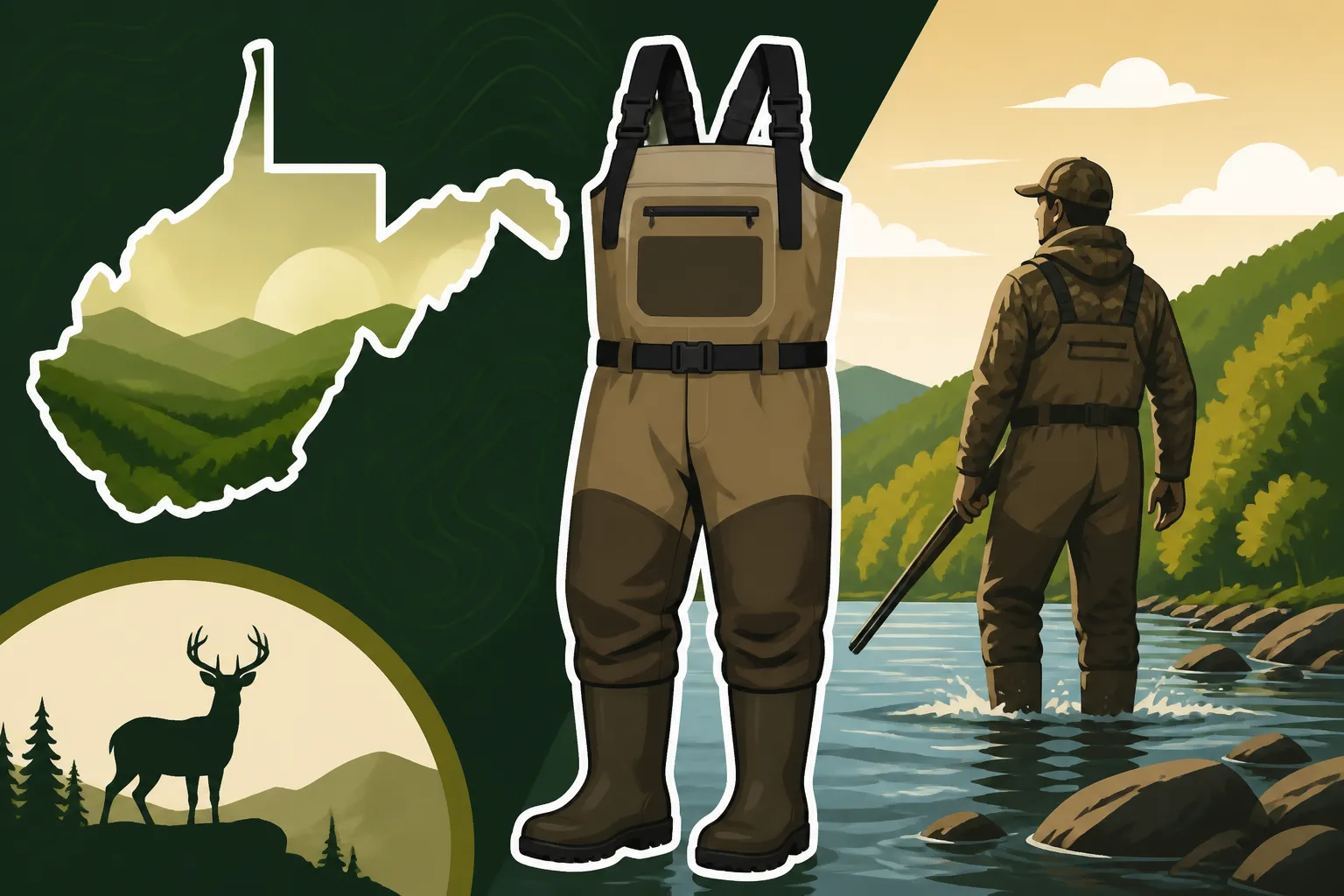
When you think of waders, chest waders are probably what first comes to mind. These offer the most comprehensive coverage, extending from your feet all the way up to your chest, usually held up by suspenders over your shoulders. They are the workhorse for deep water scenarios, whether you're standing in a chest-deep river current while Waterfowl Gear for Ohio River Bottoms hunting or navigating a flooded timber bottom for a late-season deer. The primary advantage here is maximum protection from water and mud, allowing you to confidently tackle nearly any water obstacle you might encounter.
The versatility of chest waders makes them a popular choice for many West Virginia hunters. If you're planning to cross unpredictable rivers, spend time in duck blinds surrounded by water, or even if you're trapping muskrat and beaver in deeper ponds, chest waders are indispensable. They offer peace of mind, knowing that a sudden drop-off or a misstep into a deeper hole won't ruin your hunt. While they can be a bit bulkier than other options, the added protection often outweighs any minor inconvenience, especially when the mercury drops or the water runs high.
Hip Waders and Pant Waders: Lighter Options for Shallow Crossings
For situations where you know you won't be encountering water much deeper than your knees, hip waders or pant waders can be excellent, lighter-weight alternatives. Hip waders typically extend from your foot up to your hip, attaching to your belt to keep them from sliding down. They're great for wading across shallow creeks, navigating dew-covered fields, or Working a Creek Bottom for Late-Season Deer where the water might only be a foot or two deep. They offer more mobility and are less cumbersome than full chest waders, which can be a relief on longer walks.
Pant waders are similar but essentially combine waterproof pants with integrated boots or stocking feet, offering protection up to the waist. They're often favored by those who need to cover significant distances on land but still anticipate occasional shallow water crossings. While they don't offer the same flood protection as chest waders, their lighter weight and increased freedom of movement make them ideal for quick forays into wet areas without the bulk of full chest coverage. Just be mindful of their limitations – an unexpected plunge into a deeper hole will certainly lead to a wet surprise!
Bootfoot vs. Stockingfoot Waders: Convenience vs. Versatility
This is a fundamental choice that impacts convenience, comfort, and versatility.
Bootfoot waders have the boots permanently attached to the wader material. This design offers incredible convenience: just pull them on, and you're ready to go. There are no separate boots to put on or take off, which is a blessing on cold mornings or when you need to make a quick entry into the water. The integrated boots also tend to be well-insulated, making them a warm choice for hunting in cold West Virginia waters. They are often the preferred option for waterfowl hunters who are in and out of the water frequently.
Stockingfoot waders, on the other hand, have neoprene or fabric "socks" built into the wader material, but they require you to wear separate wading boots over them. This might seem like an extra step, but it offers significant advantages in terms of fit, comfort, and versatility. You can choose wading boots that perfectly fit your foot and ankle, offering superior support for long walks over uneven West Virginia riverbeds or Hunting Ohio River Valley Bottomland. You can also choose boots with different sole types (felt, rubber, studded) depending on the traction needs of your specific hunting area. When you're Hunting Spruce Knob Adjacent Terrain and might be crossing rocky streams, the custom fit and superior grip of good wading boots worn over stockingfoot waders can make all the difference. While they require an additional purchase, many serious hunters find the customizability and enhanced comfort of stockingfoot waders to be well worth it.
Here's a quick comparison to help visualize the differences:
| Wader Type | Coverage Level | Integrated Footwear | Pros | Cons | Best for WV Hunting Scenario |
|---|---|---|---|---|---|
| Chest (Bootfoot) | Max (Chest-High) | Attached Boots | Quick on/off, excellent warmth/insulation, comprehensive protection | Bulkier, heavier, less foot/ankle support for long walks | Deep water, static blinds, cold weather, waterfowl hunting |
| Chest (Stockingfoot) | Max (Chest-High) | Separate Wading Boots | Superior mobility, custom boot fit/support, versatile traction | Requires separate boot purchase, takes longer to put on | Varied terrain, long walks to water, rocky rivers, stealth |
| Hip (Bootfoot) | Partial (Hip-High) | Attached Boots | Lightweight, good for very shallow water, easy movement | Limited protection, not for deep crossings | Shallow creeks, dew-covered fields, short crossings |
| Pant (Stockingfoot) | Partial (Waist-High) | Separate Wading Boots | High mobility, comfortable for land travel, decent shallow protection | Less protection than chest waders, prone to overtopping | Long walks with occasional shallow water, early season |
Key Features and Materials for West Virginia Conditions
Once you've decided on the type of wader, it's time to dive into the details that make some waders excel in West Virginia's challenging hunting environment. Material choice, insulation, and practical features can make a huge difference in your comfort and the longevity of your investment.
Material Matters: Neoprene, Breathable, and Hybrid Options
The material your waders are made from is perhaps the most critical factor influencing their performance and comfort.
-
Neoprene Waders: These are typically thicker, heavier, and offer superior insulation. They work by trapping a layer of water against your body, which your body heats up, providing warmth. Neoprene is incredibly durable and puncture-resistant, which is a huge plus when you're pushing through thick briars or scrambling over sharp rocks in a West Virginia creek. They are an excellent choice for hunting in colder weather or frigid water, making them popular for Waterfowl Gear for Ohio River Bottoms or Hunting the Late-Season December Lull deer hunts where you might be standing in icy water. The downside is that they can be quite warm and less breathable, leading to sweating and potential discomfort if you're hiking long distances or hunting in milder temperatures.
-
Breathable Waders: Made from advanced synthetic fabrics like Gore-Tex or similar proprietary membranes, these waders are designed to be much lighter and more breathable than neoprene. They allow perspiration (vapor) to escape while preventing external water from entering, keeping you dry from the inside out. This makes them ideal for active hunting, long walks, or warmer weather, preventing that clammy, sweaty feeling. If you're on a Run-and-Gun Turkey Tactics on Public Land expedition and might encounter a creek or two, breathable waders offer great flexibility. They are generally less insulating than neoprene, so layering underneath is key for cold weather. They can also be more susceptible to punctures, so care is needed in dense cover.
-
Hybrid Waders: Some manufacturers offer hybrid designs that try to combine the best of both worlds. These might feature neoprene in the lower, insulating sections (like the boots and legs) for warmth and durability, with breathable fabric in the upper (chest) section for ventilation. This can be a smart compromise for West Virginia hunters who encounter a mix of cold water and strenuous activity. These can be particularly good for those hunts where you start with a long hike to the river, then spend hours standing in the chilly flow.
Insulation and Layering for Comfort
Even with the warmest wader material, insulation and proper layering are crucial, especially in West Virginia's variable climate. For neoprene waders, the material itself provides significant insulation. However, for breathable waders, the insulation comes almost entirely from what you wear underneath. This is where your base layers and mid-layers come into play.
Think about Layering for a West Virginia Deer Stand. Just as you layer your upper body, you need to layer your lower body. Start with moisture-wicking base layers made from synthetic materials or merino wool. Avoid cotton, as it holds moisture and loses its insulating properties when wet. Over your base layer, add fleece pants or insulated hunting pants, depending on the temperature. The goal is to create air pockets for warmth without restricting movement. With stockingfoot waders, you also have the flexibility to choose insulated wading boots for extra warmth, an important consideration if you know you'll be standing in cold water for extended periods. When scouting new areas or trying to understand stream crossings using a tool like GoHunt, consider the depth and expected water temperature to determine your layering needs.
Durability, Pockets, and Integrated Features
Beyond material and insulation, look for features that enhance durability and practicality for a hunter.
- Reinforced Knees and Seat: West Virginia hunting often involves kneeling in mud, crawling through brush, or sitting on rough surfaces. Waders with reinforced knees and seats (often with extra layers of material or durable patches) will last significantly longer. This is a must-have feature for any active hunter.
- Pockets: Hunters always need storage. Look for waders with external chest pockets for calls, licenses, and small essentials, and internal pockets for keeping electronics dry and secure. Hand-warmer pockets are also a huge plus on cold days.
- D-rings and Accessory Loops: These allow you to attach gear like game straps, calls, or even a small net, keeping them easily accessible.
- Adjustable Suspenders and Belts: Well-fitting suspenders and a wading belt are key for comfort and safety. The belt is particularly important, as it helps prevent water from rushing up into your waders if you happen to fall in deeper water – a crucial safety feature.
- Integrated Gaiters (for stockingfoot waders): Some wading boots come with integrated gravel guards or gaiters that connect to your waders. These prevent sand, gravel, and debris from entering your wading boots, protecting your feet and prolonging the life of your waders.
Sizing, Fit, and Mobility for the Active Hunter
Getting the right fit for your waders is just as important as choosing the right type and material. Poorly fitting waders can be uncomfortable, restrict movement, and even compromise their waterproof integrity. For the active West Virginia hunter, mobility and comfort are non-negotiable.
Getting the Right Fit: Don't Skimp on Comfort
Waders should be roomy enough to allow for layering underneath, but not so baggy that they sag, bunch up, or create excessive resistance in the water. Most manufacturers provide detailed sizing charts based on chest, waist, inseam, and foot size. Pay close attention to these measurements. When trying them on, wear the same layers you'd typically wear hunting. This helps ensure you have enough room without feeling constricted.
A common mistake is buying waders that are too tight. While a snug fit might seem "streamlined," it compresses insulation, reduces warmth, and can restrict blood flow, leading to cold spots. It also puts undue stress on seams, which are often the first points of failure for leaks. Conversely, waders that are too loose can chafe, hinder movement, and become a tripping hazard, especially when navigating uneven river bottoms. If you're a bootfoot wader user, ensure the integrated boots fit comfortably with your preferred sock thickness. For stockingfoot waders, ensure your wading boots accommodate your foot and the neoprene sock without being too tight or too loose.
Layering Under Your Waders
We touched on this earlier, but it bears repeating: layering is critical for comfort, especially with breathable waders. The beauty of breathable waders is their ability to manage moisture, but they don't provide much inherent warmth. This means you need to build your warmth system underneath them. A good base layer wicks sweat away from your skin, a mid-layer provides insulation, and the wader itself acts as the waterproof outer shell.
For colder hunts, think about a thin merino wool or synthetic base layer, followed by a fleece pant or even a thin insulated pant. Remember, you want layers that provide warmth without excessive bulk, allowing for freedom of movement. If you’re hunting in a colder month, like during Hunting Into the Late December Archery Close, your layering system needs to be robust. Always avoid cotton against your skin as it absorbs moisture and will make you cold. When considering your overall system, don't forget your upper body, where you might incorporate a Wool Versus Synthetics in Mountain Cold approach.
Mobility in Tough Terrain
West Virginia hunting isn't about flat, easy walks. It's about steep hills, thick cover, and uneven riverbeds. Your waders need to allow for unrestricted movement. The fit should permit you to squat, climb over fallen logs, and high-step through brush without feeling like you're fighting your gear. Look for waders with articulated knees or gusseted crotches, which are designed to improve flexibility and reduce strain on seams in high-movement areas.
If you're using stockingfoot waders, your choice of wading boots is paramount for mobility and safety. Opt for boots that offer excellent ankle support, especially if you'll be navigating rocky creek beds or uneven terrain. Soles with aggressive tread patterns are essential for gripping slippery rocks and muddy banks. Some hunters even choose studded soles for extra traction on very slick surfaces. Remember, a fall in water can not only be uncomfortable but also dangerous, especially in strong currents or cold temperatures. The ability to move freely and maintain your footing is a critical safety consideration. You can check maps on GoHunt to see the topography and water features, which will inform your decisions on the best boots and wader types for the specific area.
Maintenance and Longevity: Keeping Your Waders Water-Tight
Nothing is more frustrating than putting on your waders only to discover a leak. Taking good care of your waders isn't just about saving money on replacements; it's about ensuring they perform when you need them most. Proper cleaning, drying, storage, and timely repairs will significantly extend their lifespan.
Cleaning and Drying Routines
After every hunt, especially if your waders have been exposed to mud, grit, or saltwater (if by some miracle you find yourself on a saltwater hunt!), it’s crucial to clean them. Use a soft brush or sponge with plain water to remove any dirt or debris. For stubborn stains, a mild soap can be used, but always rinse thoroughly. Avoid harsh detergents or bleach, as these can damage the waterproof membranes or neoprene.
Once clean, proper drying is paramount. Hang your waders upside down first to allow any water inside the boots or legs to drain out. Then, turn them right side out and hang them in a well-ventilated area, out of direct sunlight and away from direct heat sources. Air circulation is key to preventing mildew and odors. Make sure they are completely dry, both inside and out, before storing them. Even a small amount of moisture can lead to mold and material degradation over time. This meticulous drying process is a small investment of time that pays dividends in longevity.
Patching Leaks and Field Repairs
It's almost inevitable that at some point, your waders will develop a leak. Whether it's a thorn bush, a barbed-wire fence, or a sharp rock, punctures happen. Don't despair! Most leaks can be easily repaired. For neoprene waders, a simple neoprene patch kit with cement glue is usually all you need. For breathable waders, you’ll typically use a special adhesive (like Aquaseal or similar urethane-based glues) and sometimes a fabric patch.
Finding the leak can sometimes be the hardest part. A common method is to turn the waders inside out, spray them lightly with rubbing alcohol (it evaporates quickly), and then look for dark spots where the alcohol soaks in. Alternatively, you can fill the waders with water (being careful not to overstress seams) and look for drips, or submerge them in a bathtub and watch for air bubbles. Having a small repair kit with you when you're Scouting West Virginia Public Land Before Season or actually hunting is a smart move for quick field fixes that can save your day.
Proper Storage for Off-Season Care
How you store your waders during the off-season has a huge impact on how long they last. Once thoroughly cleaned and dried, store them in a cool, dry place, away from extreme temperatures, direct sunlight, and anything that could pinch or crease the material. Hanging them loosely in a closet is ideal, as this prevents creases that can weaken the material or seams over time. If hanging isn't an option, roll them loosely rather than folding them sharply.
Avoid storing them in a hot attic or a damp basement, as these environments can accelerate material breakdown. Don't leave them crumpled in a heap in your garage or truck bed, as this invites rodents, insects, or unintended damage. By giving your waders a little TLC after each season, you'll ensure they're ready to perform year after year for all your river bottom hunting adventures.
Safety First: Hunting with Waders in West Virginia
While waders open up new hunting opportunities, they also introduce specific safety considerations, especially in West Virginia's rugged and watery environments. Being aware of these risks and taking precautions is vital for a safe and successful hunt.
Navigating Currents and Uneven Bottoms
West Virginia's rivers and streams can have surprisingly strong currents, especially after heavy rains or snowmelt. Walking in waders against a strong current, particularly in unknown depths, can be dangerous. The current can push you off balance, and the water resistance on your waders can make it difficult to recover. Always use a wading staff for added stability, probing the bottom ahead of you to check depth and footing. This is especially true when Reading West Virginia Mud for Fresh Deer Movement and trying to cross a stream to follow a track.
The bottom itself can be treacherous. Slippery rocks covered in algae, deep mud, sudden drop-offs, or submerged logs can all lead to falls. Always move slowly and deliberately, taking small, shuffling steps rather than large strides. If you’re in a new area, take extra time to assess the current and the bottom conditions before committing to a crossing. Using a mapping tool like GoHunt can help you identify areas with wider, shallower crossings or areas where the contour lines suggest a more gradual descent into the water, but always verify conditions in person.
Dressing for Cold Water Emergencies
Falling in while wearing waders is a serious concern, particularly in cold water. If your waders fill with water, they can become incredibly heavy, making it difficult to swim or get back to shore. This isn't just an inconvenience; it can quickly become life-threatening due to the risk of hypothermia.
Always wear a wading belt cinched snugly around your waist. In the event of a fall, this belt helps to prevent excessive water from rushing into the lower part of your waders, making it easier to regain control. Some hunters also choose to wear an inflatable PFD (Personal Flotation Device) when hunting in deeper or swift-moving water, especially for Waterfowl Gear for Ohio River Bottoms. While it might seem like overkill, a PFD can be a lifesaver if you're swept into a strong current or hit your head. Dressing in non-cotton layers that retain some insulating value even when wet, like wool or synthetics, is also important, as it gives you a better chance to stay warm should you become soaked.
Partner Hunting and Communication
Hunting with a partner is always a good idea, but it becomes even more critical when you're venturing into river bottoms or making water crossings in waders. A partner can provide assistance if you fall, help navigate difficult terrain, or simply offer an extra set of eyes for spotting game. When you're Deer Drives With Three or Four Hunters and trying to push a creek bottom, having multiple eyes and hands can be crucial for safety and success.
Before you even step into the water, discuss your route and potential hazards with your partner. Maintain visual contact and communicate regularly, especially in areas with tricky currents or obscured footing. Carry waterproof communication devices, like two-way radios or fully charged cell phones in waterproof cases, especially if you plan to spread out. In remote areas of the Monongahela National Forest or other large public lands, cell service can be spotty, so reliable two-way radios are a wise investment. The goal is to maximize your enjoyment and success while minimizing the inherent risks of West Virginia's wild, watery hunting grounds.
Disclaimer
This article is for general informational purposes only and does not constitute professional advice. Laws, prices and regulations vary by location and change over time. Consult a qualified professional for guidance on your specific situation.