West Virginia Hog Trapping Success Rates
Oh, the never-ending battle with feral hogs in West Virginia! If you're struggling to get a handle on the damage these destructive creatures inflict, you're not alone. Figuring out what actually makes a trapping effort "successful" can feel like chasing a ghost, especially with their intelligence and rapid reproduction. This guide is all about diving deep into what really impacts hog trapping success rates here in the Mountain State, offering realistic strategies and insights to help you stack the odds in your favor.
The Elusive Nature of Feral Hog Trapping Success in West Virginia
Feral hogs are a scourge, plain and simple. They tear up fields, destroy valuable timber, prey on fawns and turkey poults, and generally make a mess of things wherever they decide to set up shop. Hunters and landowners are constantly looking for effective ways to manage them, and trapping often comes up as the most efficient method for removing entire sounders. But let's be real, you hear about successes, and you hear about traps sitting empty for weeks. It’s a mixed bag, and understanding why is the first step.
Why "Success Rates" Are Hard to Pin Down
When we talk about "success rates" in feral hog trapping, it's rarely as simple as a percentage. It's not like measuring deer harvest success where you either got one or you didn't. With hogs, success can mean many things. Did you catch one hog? Did you catch ten? Did you remove the entire sounder? And how quickly did you do it? These variables make it tough to put a single, neat number on success.
The challenge truly lies in the varying conditions across our diverse West Virginia landscape. What works brilliantly in the Ohio River Valley bottomlands might barely attract a glance in the steep, oak-covered ridges of the Potomac Highlands. Soil type affects rooting patterns, dominant crops influence food sources, and even local hunting pressure can change how wary hogs are. It's not a one-size-fits-all solution, and acknowledging that upfront is key to managing your expectations and efforts.
Furthermore, individual hog behavior and their ability to learn are significant hurdles. These aren't dumb animals; they learn quickly from negative experiences. If a hog gets a scare from a trap without being caught, or if only part of a sounder is trapped, the remaining animals can become "trap-shy." This means they'll actively avoid your setup in the future, making subsequent attempts far more difficult. That initial experience, good or bad, heavily influences your long-term success with that particular group of hogs.
Finally, there's a huge difference between catching a hog and effectively eradicating an entire sounder—the family group of hogs. True success usually means removing the majority, if not all, of a sounder to prevent immediate re-population. A single hog caught might feel like a win, but if a sow and her offspring are still out there, your "success rate" for long-term control isn't as high as you might think. A lone boar might be easier to catch, but he's not the primary driver of population growth.
The Ever-Present Threat of Feral Hogs in the Mountain State
Feral hogs are a relatively new problem for many parts of West Virginia, but they've exploded across the landscape. Their rapid reproduction is staggering: a sow can have two litters a year, with 6-12 piglets per litter, and those piglets can breed at just six months old. Do the math, and you can see how quickly a small group becomes an unmanageable infestation. Their intelligence, combined with their nocturnal habits and ability to adapt to nearly any environment, makes them incredibly difficult to control. We're talking about an animal that can be active in thick swamps, dense forests, and open farmland, often moving primarily under the cover of darkness.
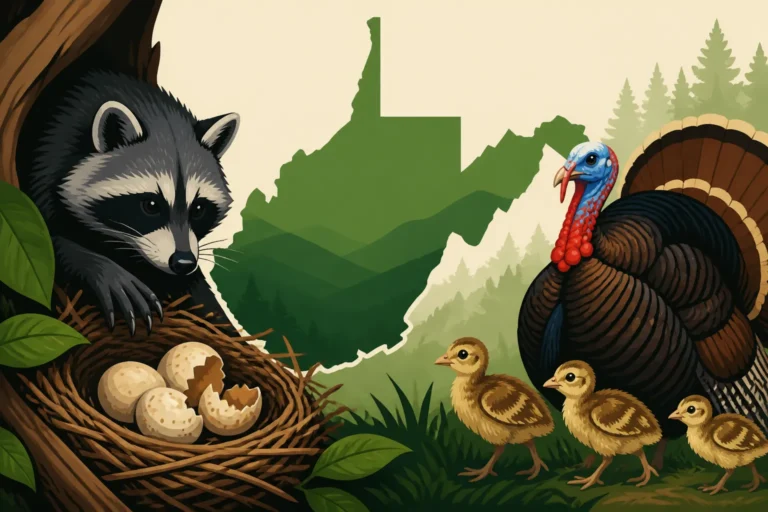
The damage they cause is immense. Agriculture suffers greatly from their rooting, as they destroy crops like corn, soybeans, and even hayfields. They rip up pastures, making it dangerous for livestock and expensive for farmers to repair. Beyond agriculture, their impact on natural ecosystems is devastating. They compete with native wildlife like deer, turkeys, and bears for food sources such as acorns and other mast crops. Even worse, they're prolific nest predators, destroying turkey and grouse nests and preying on fawns, significantly impacting game populations.
This destructive nature is why effective trapping is so critical. The sooner you can address a sounder, the better your chances of preventing them from establishing a permanent foothold and causing even more widespread damage. For more on how they've spread and the scale of the problem, you might find Feral Hogs Across West Virginia an interesting read, as it really highlights the scope of what we're up against. These animals aren't going anywhere fast, so understanding how to manage them effectively is paramount for landowners and wildlife managers alike.
Key Factors That Dictate Your Hog Trapping Odds
So, what truly makes a difference between a full trap and an empty one? It boils down to understanding the hogs themselves and how they interact with their environment. Successful trapping isn't just about setting a trap; it's about intelligence gathering and strategic placement.
Understanding Hog Behavior and Movement Patterns
Before you even think about putting a trap on the ground, you need to become a detective. Hogs are creatures of habit, and their movements are often predictable once you know what to look for. Scouting for sign is paramount. Look for rooting—the overturned soil where they've dug for grubs, roots, and tubers. This can range from small disturbances to entire acres of churned-up earth. Wallows, muddy depressions where they cool off and coat themselves in mud, are also clear indicators of their presence. Rubs on trees, fence posts, or power poles where they scratch themselves, leaving mud and hair, are another clue. The fresher the sign, the closer you are to their current activity.
Seasonal influences play a huge role in their behavior. In spring and summer, hogs might be more focused on succulent green vegetation, insects, and agricultural crops. As fall approaches, they'll key into mast crops like acorns and beechnuts, often shifting their travel patterns significantly. During harsh winters, they might concentrate around persistent food sources or seek thermal cover in dense thickets. Knowing what they're eating and where those food sources are located at any given time will guide your trapping efforts. Tools like GoHunt, while not specifically designed for hog tracking, can be incredibly useful for marking and mapping these observed signs, creating an overlay of their activity areas, and helping you identify patterns over time. You can mark rooting areas, wallows, and trails, then revisit them to see how fresh the sign remains.
Using trail cameras is one of the most effective ways to gather intelligence without disturbing the hogs. Place cameras on established trails, near suspected bedding areas, or where you've found fresh rooting. They'll tell you not just if hogs are in the area, but when they are active, their approximate numbers, and even their size and composition (boars, sows, piglets). This information is invaluable. If you learn they're largely nocturnal, you know to set your trap for overnight catches. If you see a large sounder, you'll know you need a bigger trap to accommodate them. GoHunt's mapping features can help you log camera locations and even upload photos to a specific waypoint, creating a visual diary of hog activity.
Location, Location, Location: Setting Your Trap in the Right Spot
Once you have a good understanding of hog movement, the next critical step is placing your trap in a spot where they'll naturally encounter it. Think like a hog: where would you feel safe, where would you go to eat or drink, and what path would you take to get there?
Identifying natural travel corridors is crucial. These might be fence lines, creek bottoms, logging roads, edges of fields, or transitions between different types of cover. Hogs, like deer, prefer the path of least resistance. Look for well-used trails, especially those that show consistent rooting or tracks. Placing your trap directly in one of these corridors, or at a natural choke point within them, drastically increases the chances of hogs finding it. You can mark these corridors on your GoHunt app and develop a strategy around them.
Hogs need water, food, and cover. Trap locations should ideally be near all three. A trap set near a reliable water source (creek, pond, spring) will often be more productive, especially in drier periods. Similarly, placing it strategically between a bedding area (dense cover like laurel thickets or swamps) and a feeding area (a cornfield, an oak flat dropping acorns) can be a real hotspot. They'll naturally travel this route, making your trap a convenient stop.
Finally, consider avoiding human disturbance. While hogs can become accustomed to human activity, a trap that's too close to a noisy road, a frequently used trail, or a residence might deter wary hogs. Privacy and seclusion are often key, especially on private land where you'll need Getting Private Land Permission in West Virginia to operate. Make sure your chosen location is well within the boundaries of your permission and that you understand West Virginia Trespass and Permission Law to avoid any issues with neighbors. A little discretion goes a long way, not just for the hogs, but for maintaining good relationships with those around you.
Baiting Strategies: The Crucial Attractor
Bait is the single most important tool for drawing hogs into your trap. It needs to be irresistible, consistent, and used strategically.
Soured corn is hands down the most popular and effective bait for feral hogs. The fermentation process creates a strong, appealing odor that hogs can detect from a distance. To make it, simply soak shelled corn in water for several days, letting it ferment. You can add a packet of yeast, a bit of sugar, or even a cheap fruit drink mix to speed up the process and enhance the smell. Commercial attractants, like those with cherry or vanilla flavors, can also be effective, especially if mixed with corn. Some trappers also use old pastries, expired donuts, or even dog food, but soured corn remains the king.
The concept of pre-baiting is absolutely critical. This involves placing bait around and inside your unset trap for several days, or even a week or two, before you actually activate the trigger mechanism. The goal is to build confidence among the sounder, allowing them to freely enter and exit the trap, feeding without consequence. They'll associate the trap area with an easy, reliable food source. This gets the entire sounder comfortable with the structure and reduces their wariness. Watch your trail cameras during this phase; you want to see all the hogs, including the mature sows, entering the trap consistently.
Knowing when to stop pre-baiting and set the trap is a game-time decision. The general rule of thumb is to set the trap once you've observed the entire sounder, especially the dominant sow, confidently entering the trap and feeding for several consecutive nights. If you set it too early, you might catch only a few juveniles and educate the rest. If you wait too long, they might lose interest or shift their feeding patterns. You want to activate the trigger when the hogs are at peak confidence and attendance. Consistency in baiting, ensuring there's always fresh bait available during the pre-baiting phase, reinforces that positive association.
Maximizing Your Chances: Proven Trapping Techniques
Once you've done your scouting and understand the hogs' habits, it's time to put boots on the ground and implement effective trapping techniques. The type of trap, how you set it up, and your ongoing monitoring are all crucial pieces of the puzzle.
Choosing the Right Trap for the Job
There are several types of traps available, and the "best" one often depends on the size of the sounder you're targeting and your budget.
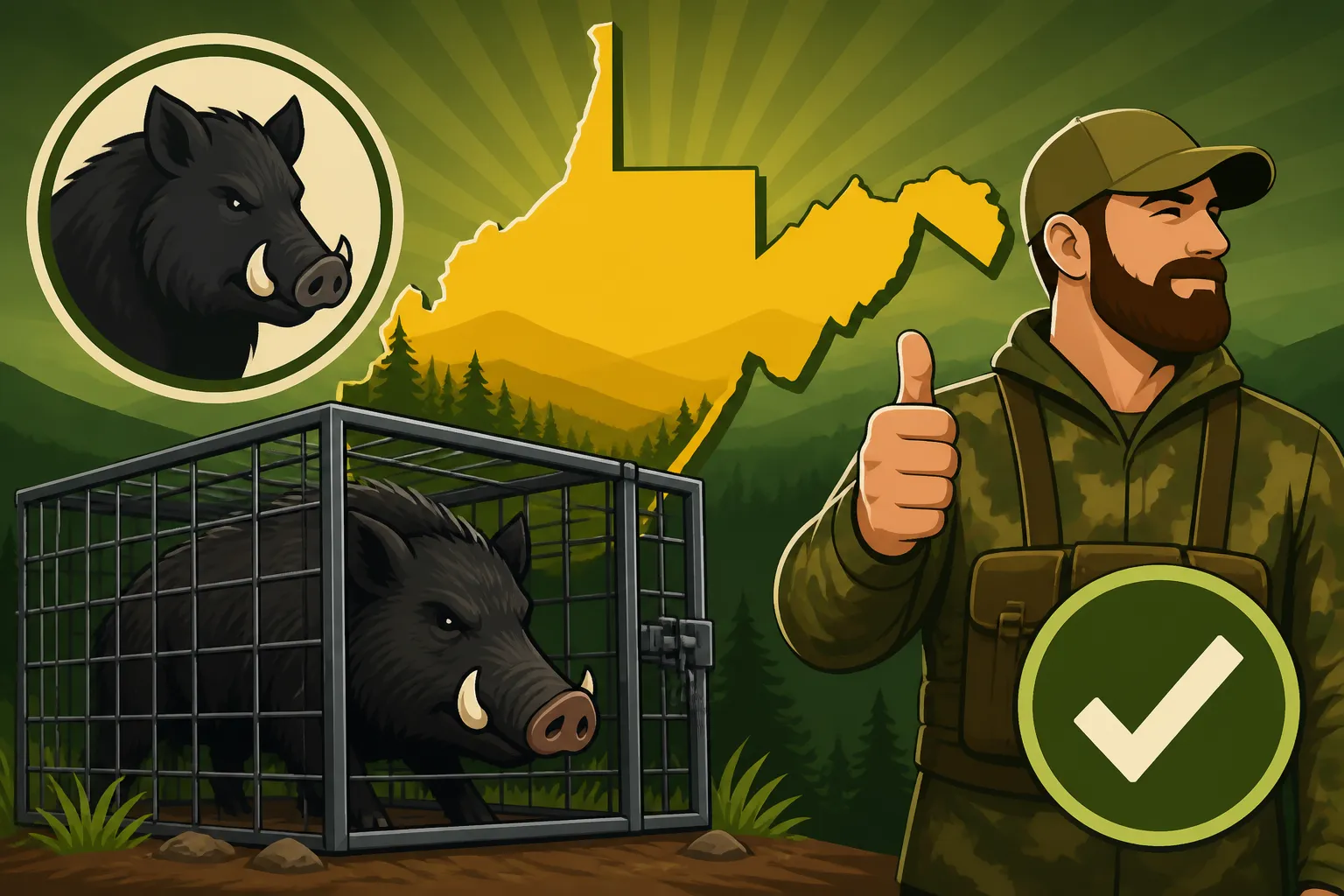
Corral traps are generally considered the most effective for removing entire sounders. These are large, circular or square enclosures typically made of heavy-duty hog panels, often 20-30 feet in diameter. They can hold a large number of hogs, sometimes 20 or more, making them ideal for catching an entire family group at once. They usually feature a "rooter" style gate (a one-way swing door that hogs push open to enter, but cannot push back out) or a drop gate (a vertical gate that drops shut). The sheer size and open design make them less intimidating to wary hogs once they've been pre-baited.
Box traps are smaller, typically 3x3x6 or 4x4x8 feet, and are designed to catch one to a few hogs at a time. They're more portable and easier to deploy in tighter spaces or areas with less vehicle access. However, they're less effective for sounder removal, as catching one or two hogs usually scatters the rest, potentially educating them. They're better suited for trapping nuisance hogs in specific problem areas or for targeting smaller, solitary animals.
Snaring can be another tool, though it's often more challenging to execute successfully and requires specific skills and regulatory knowledge. Snares are designed to catch individual hogs by the neck or leg. They are best used on well-defined trails where hogs are consistently moving. However, snares can be indiscriminant, potentially catching non-target animals, and require constant monitoring. Given the complexities and potential for non-target catches, many prefer the more controlled environment of a trap.
Here's a quick comparison:
| Trap Type | Advantages | Disadvantages | Ideal Use Case |
|---|---|---|---|
| Corral Trap | Catches entire sounders, less intimidating for large groups, highly effective for eradication. | Large, heavy, requires significant transport and setup, more expensive initially. | Large sounders, long-term control, open areas. |
| Box Trap | Portable, easier to set up, lower cost, good for tight spots. | Catches fewer hogs, can educate sounders, less effective for eradication. | Small sounders, individual problem hogs, quick deployment. |
The Art of Trap Placement and Concealment
Even with the best trap, poor placement can doom your efforts. You want the trap to look as natural as possible, minimizing anything that might make hogs suspicious.
Blending the trap into the environment is crucial. If you're using a large corral trap, try to set it up where the hog panels aren't overtly obvious. Use natural cover like brush, tall weeds, or the edge of a woodline to obscure parts of the trap. Avoid placing a shiny, new trap smack in the middle of a wide-open field without any attempt at camouflage. Hogs have excellent senses of smell and hearing, but their eyesight, while decent, isn't their strongest. Making it blend visually helps.
Crucially, avoid introducing new smells or obvious disturbances around the trap. When you set up, wear gloves to minimize human scent on the trap and ground around it. Clear minimal vegetation, just enough to operate the gate, and try to make the approach paths look as undisturbed as possible. If you drive a vehicle to the site, try to park some distance away and walk in, or use existing tracks to minimize new ground disturbance. Hogs are incredibly wary of anything new or out of place in their environment.
When positioning entry points, think about the prevailing wind and the direction hogs are likely to approach from. If possible, set the gate on the downwind side of their likely travel path so they catch the scent of the bait easily. Ensure the gate opens and closes freely without snags or unusual noises. Some trappers will even put a few small logs or branches leading up to the gate to funnel hogs in naturally, making the entrance seem less abrupt. Remember, the goal is for them to walk in, eat, and feel completely at ease before the trap springs.
Consistent Monitoring and Adapting Your Approach
Trapping isn't a "set it and forget it" operation. It requires diligence, observation, and a willingness to adapt.
Checking traps regularly is not only crucial for success but also an ethical imperative. Trapped animals, especially in warmer weather, can quickly become stressed or even perish. In West Virginia, it's generally recommended to check traps at least once every 24 hours. Many serious hog trappers check them more frequently, often in the early morning. Regular checks also allow you to see if any non-target animals (like raccoons or opossums) have been caught, allowing for their quick release. Always be aware of local regulations regarding trap checks and trapped animals.
Based on what you observe, be prepared to adjust your bait, location, or even the type of trap. If hogs are avoiding the trap, try a different bait, or enhance the attractant. If they're hitting the bait around the trap but not entering, perhaps the trigger mechanism is too sensitive, or the trap is too small for the sounder. Moving the trap a short distance, even just 50 yards, can sometimes make a huge difference, especially if hogs have become wary of the specific spot. Don't be afraid to experiment. Use trail cameras to monitor these changes and see how hogs react.
Understanding that tools like GoHunt might not have a dedicated "hog layer" doesn't mean they aren't invaluable. As I mentioned earlier, its mapping features are excellent for planning access routes, logging every piece of sign you find, marking trap locations, and noting camera positions. You can use it to track historical hog activity, identify patterns, and visualize your efforts over time. While GoHunt might be known for its hunting applications for deer or turkey, its robust mapping and data logging capabilities are perfectly transferable to predator control efforts like hog trapping, helping you be more organized and strategic.
Overcoming Common Trapping Hurdles and Enhancing Your Efforts
Even with the best plans, you'll inevitably hit some snags. Feral hogs are smart, and the conditions in West Virginia can be challenging. Knowing how to troubleshoot and enhance your efforts is key to long-term success.
Dealing with Trap-Shy Hogs and Educated Sounders
This is probably the most frustrating hurdle for any hog trapper. You've got hogs in the area, they've seen your trap, maybe even eaten around it, but they just won't commit. Or worse, you caught a few, and now the rest won't come near.
For trap-shy hogs, patience is your greatest ally. Extend your pre-baiting period significantly—we're talking weeks, not just days. Let them come and go from the unset trap with absolute impunity, feeding consistently. You might even consider using different bait, something they haven't associated with the trap before, or spreading bait further outside the trap to draw them in gradually. Some trappers will even place old, mud-covered logs or brush inside the trap to make it look more like a natural feeding area rather than an empty cage.
If a sounder has been "educated" by a partial capture or a sprung trap, you might need to try a completely different trap design or trigger mechanism. If they're wary of a drop gate, perhaps a rooter gate will be less intimidating. Sometimes, simply moving the trap to a new, fresh location a few hundred yards away, where there's no negative association, can restart the process. Another trick is using a remote-controlled trigger. With this, you can watch the trap with a trail camera or even from a distance with thermal optics for night observations (though typically trapping is for daytime checks), and wait until the entire sounder is inside before dropping the gate. This ensures maximum removal and minimizes the chances of educating survivors.
Navigating Regulations and Neighbor Relations
Even on your own land, it's important to be mindful of regulations, and if you're trapping on someone else's property, communication is paramount.
West Virginia has fairly liberal rules regarding feral hogs on private land. West Virginia's Year-Round Hog Rule on Private Land generally allows for hunting and trapping of feral hogs year-round on private property. This simplifies things considerably compared to many other game species. However, always double-check the latest regulations on West Virginia Hog Hunting Permit Requirements or general game regulations to ensure you're in compliance. While typically no specific "hog trapping permit" is required on private land, understanding broader hunting and trapping rules is always smart.
If you're trapping near property lines, or if hogs are moving between properties, clear communication with landowners and adjacent properties is absolutely vital. Inform them of your plans, explain the benefits of hog removal, and assure them you're operating safely and legally. This prevents misunderstandings, accusations of trespassing, or concerns about your activities. Good neighbor relations can also open doors to more trapping opportunities on other properties, creating a larger, more effective control zone. Nobody likes hogs, so collaborating can benefit everyone.
Processing and Disposal Considerations
Catching the hogs is only part of the job. What you do with them afterward is just as important, both ethically and practically.
Ethical dispatch of captured hogs is paramount. A quick, humane shot to the head with a firearm is the most common and accepted method. Ensure you are safely handling firearms in a controlled environment, away from residences or public areas. Once dispatched, the hogs can be processed for meat, if desired. Feral hog meat can be delicious, but like any wild game, proper handling is key.
Proper carcass disposal is critical, especially to prevent disease spread and avoid attracting scavengers. Hogs can carry a variety of diseases, some of which can be transmitted to humans, livestock, or other wildlife. If you're not processing the meat, carcasses should be buried deeply (at least 3 feet) or otherwise disposed of according to local regulations, often at a landfill. Simply leaving carcasses lying around can attract other predators or spread diseases if not handled correctly. For instance, while it's mostly a deer issue, being aware of West Virginia's Chronic Wasting Disease Counties highlights the general importance of responsible carcass handling to prevent the spread of pathogens that could impact wildlife health. Always practice good hygiene, wearing gloves and cleaning tools thoroughly.
Remember, every hog removed is a win for West Virginia's native wildlife and agricultural lands. While the path to high hog trapping success rates might be winding, with persistence, observation, and the right techniques, you can make a real difference.
Disclaimer
This article is for general informational purposes only and does not constitute professional advice. Laws, prices and regulations vary by location and change over time. Consult a qualified professional for guidance on your specific situation.